
A Week Afloat: Life, Wonder, and Color on Allure of the Seas
Step aboard Allure of the Seas: a floating city of food, shows, and Caribbean color. From sunrise on deck to Maho Beach landings, every sense is alive.
The terminal at Fort Lauderdale hums with the low, anxious energy of anticipation. Luggage wheels rattle over tile, voices echo in a dozen languages, and the air smells faintly of sunscreen and coffee. It could be any airport, except for the fact that there’s only one “plane”—and it’s a ship, impossibly vast, waiting just beyond the glass. My boarding pass is a plastic card, and as I hand it over, a uniformed attendant grins: “Welcome aboard, Mr. Silva.”
The first steps inside are disorienting. Two stories of polished marble, neon-lit shops, and the aroma of baking bread—this is the Royal Promenade, the pulsing heart of Allure of the Seas. It’s a city street, only it rocks gently beneath your feet. I pass a levitating bar, its patrons rising slowly toward the ceiling, glasses clinking. “You can’t leave for half an hour,” a bartender winks, “so you might as well have another.”
My cabin is compact, ceilings low, but there’s a balcony and the Miami skyline glows in the late afternoon sun. The air is thick with salt and possibility. I drop my bag, step outside, and watch the city shrink as the ship pulls away, engines thrumming somewhere deep below. The scale of it all is staggering: 362 meters long, 18 decks, 2,700 cabins, and a crew of 2,300. It takes me nearly ten minutes to walk the length of my corridor, and I’m not even sure I’ve found the end.
The Royal Promenade is alive at all hours. Fountains gurgle, children dart between shops, and the scent of espresso mingles with perfume and the faint tang of chlorine from the upper decks. There’s a casino, a hospital, a spa that smells of eucalyptus and lemon oil, and a running track that loops the ship in a dizzying 0.67 kilometers. I try a lap, dodging sunbathers and the occasional crew member with a stack of towels. “You’ll get your steps in here,” one laughs, “whether you want to or not.”
Up on deck, the sun is relentless, bouncing off the pools—sixteen of them, by my count. The water is cool, the air sticky with sunscreen and the sweet, artificial scent of piña coladas. There’s a sun deck at the bow, glass panels shielding loungers from the wind. But the real surprise is Central Park: a living garden, trees and grass and the recorded sound of birdsong. For a moment, I forget I’m at sea. “It’s real grass,” a gardener tells me, brushing soil from his hands. “We water it every day. The birds, though, are just speakers.”
Food is everywhere, at all hours. Twenty-four restaurants, most included in the fare. I wander from a white-tablecloth dining room to a pizza counter where a chef with flour-dusted hands slides a margherita onto my plate. “Take as much as you want,” he says, “and if you’re still hungry, come back.” Almond milk, soy milk, gluten-free bread—every detail considered. I carry a plate back to my cabin, the hallway quiet except for the distant thump of music from the Promenade.
Alcohol is extra, but coffee and sodas flow freely. I watch a woman sip a Mimosa at breakfast, sunlight catching the bubbles. No one seems drunk, just content. The ship’s keycard is my wallet, my ID, my passport for the week. Internet is a luxury—$23 a day, if you need it. I don’t.
At night, the ship transforms. The park glows with fairy lights, couples stroll arm in arm, and somewhere a band plays jazz standards. There’s a concert hall with velvet seats and a thousand faces turned toward the stage. Tonight, it’s Mamma Mia; tomorrow, an ice show, skaters spinning under spotlights. At the stern, the AquaTheater hosts acrobats and divers, their bodies slicing through the air as the ship rocks gently beneath them. “We perform rain or shine,” a performer tells me, toweling off backstage. “The sea is our stage.”
Days blur into each other: climbing walls, zip lines, wave pools where children tumble and shriek. There’s minigolf, bingo, karaoke (in English only—no Despacito here), and art auctions. The most popular event is the nightly photo session, guests in cocktail dresses and tuxedos, the air thick with perfume and the click of camera shutters. “You brought that suit just for tonight?” I ask a man in a sequined jacket. He grins. “Of course. There’s always a party.”
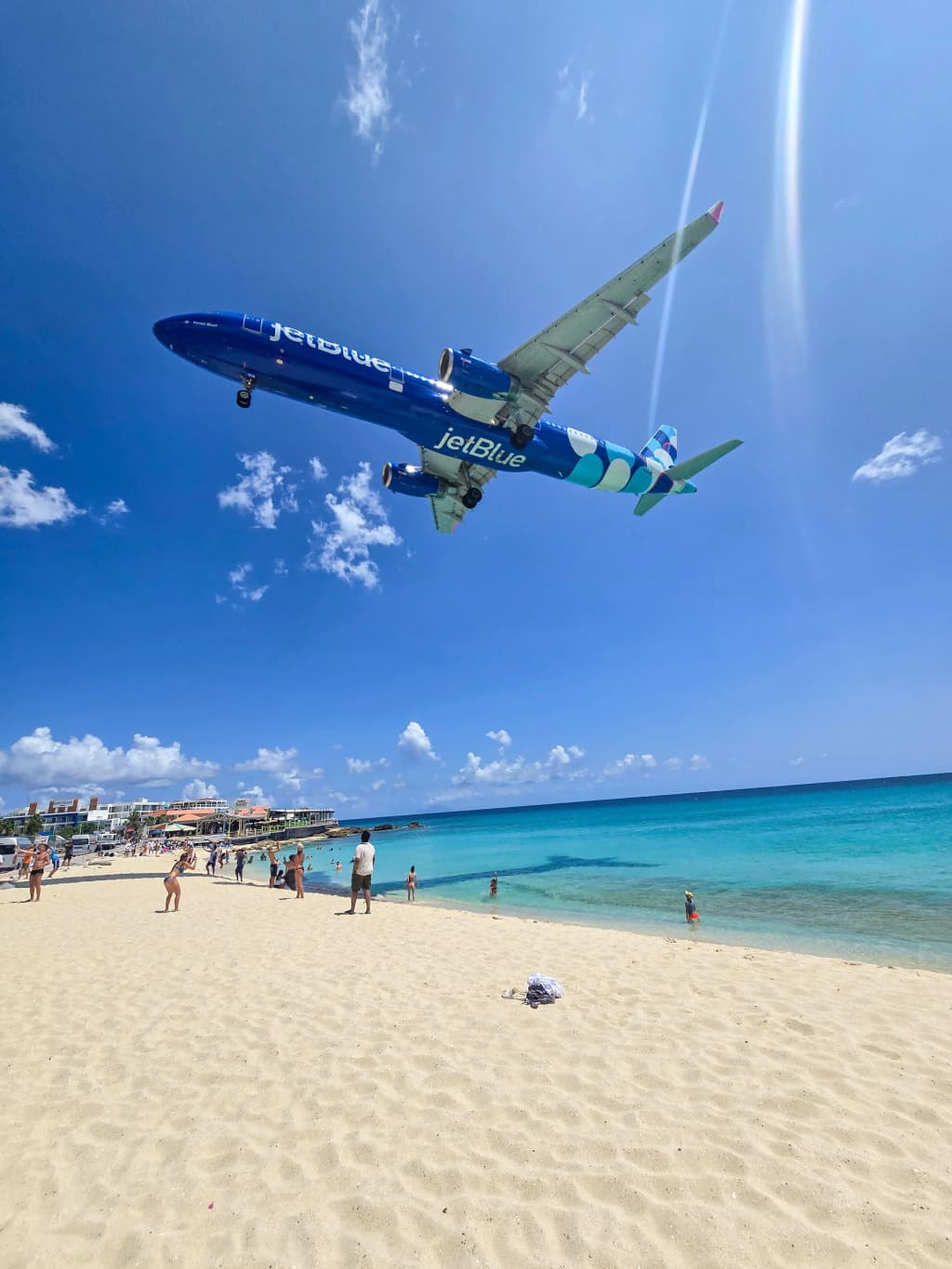
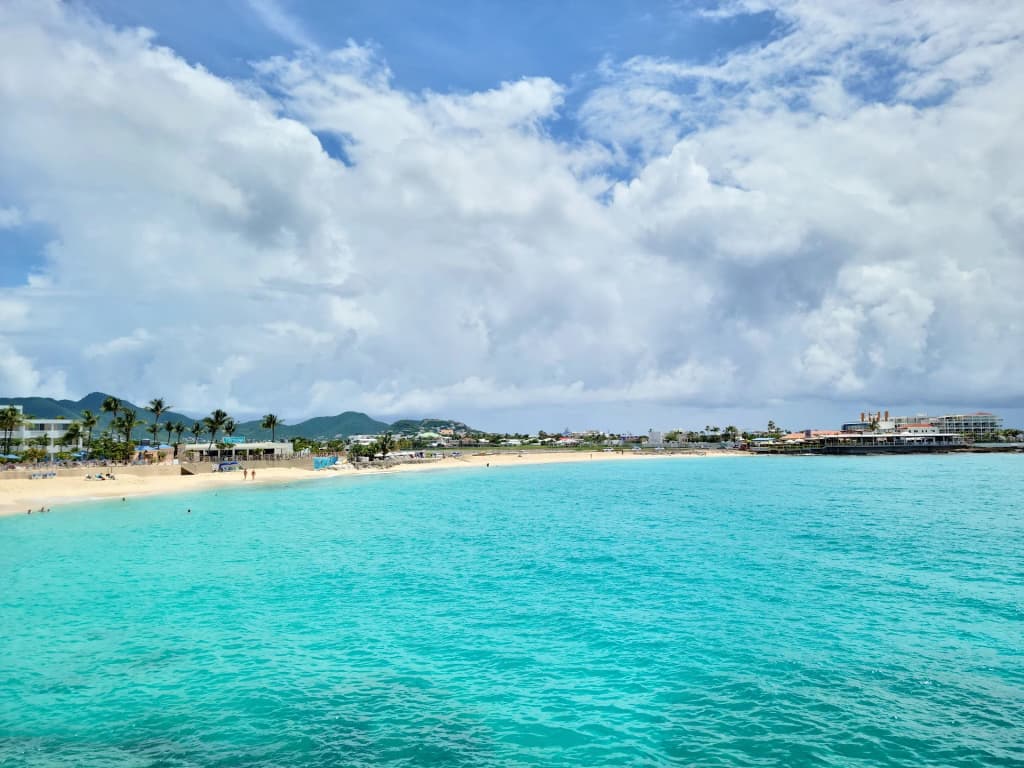
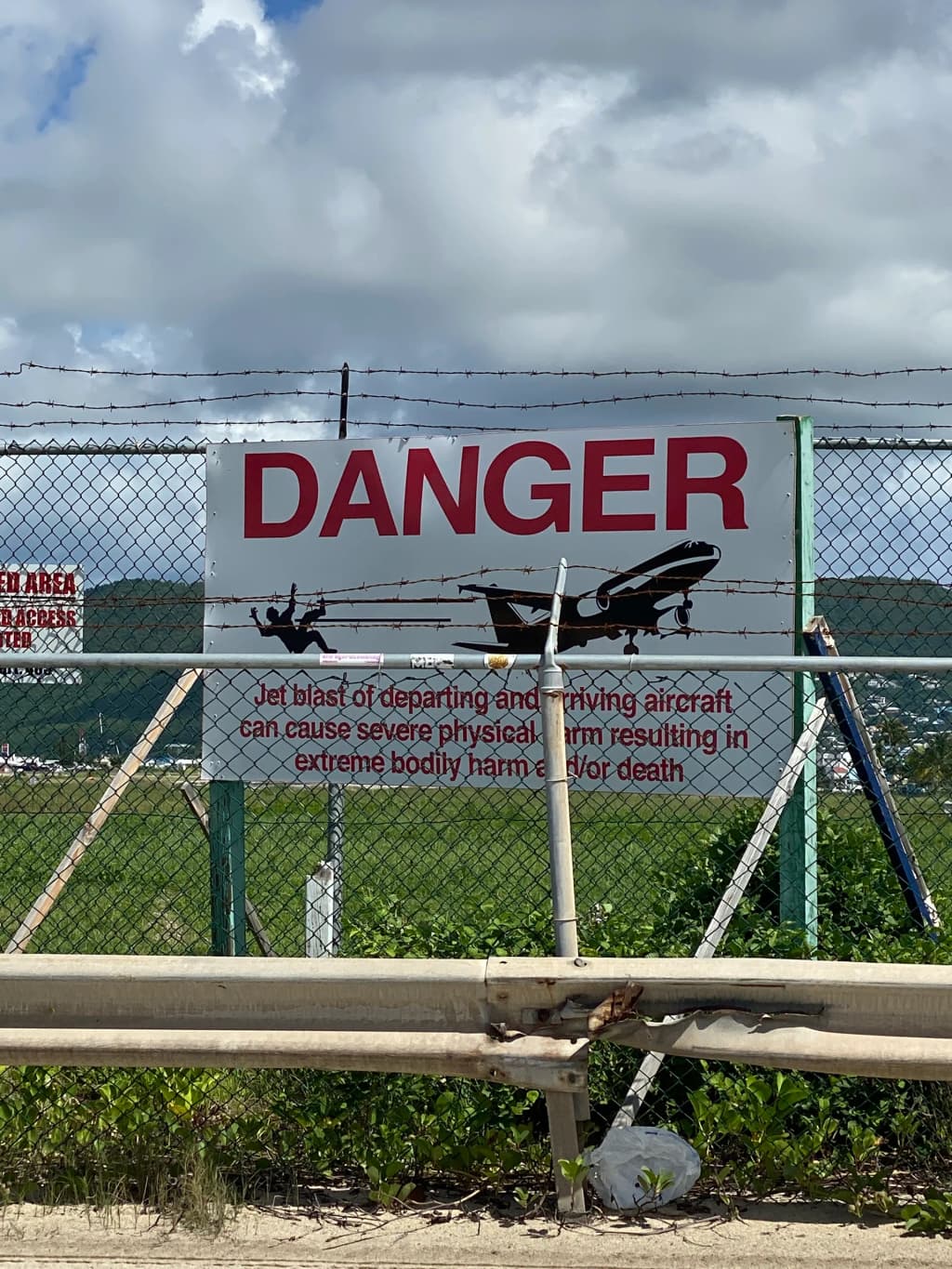
The real magic, though, is in the ports. San Martín, with its famous Maho Beach, where planes roar overhead and the sand is hot beneath your feet. I wade into turquoise water, the salt stinging my lips, the cruise ship looming impossibly large behind me.
Puerto Rico, where the old city smells of coffee and rain, and Labadee, Haiti, a private crescent of sand and palms. Disembarking is easy—just a tap of the keycard, a smile from the crew, and you’re free to wander for a few hours. “Don’t miss the last tender,” a staffer warns, handing out lemonade at the gangway. “We don’t wait for stragglers.”
Behind the scenes, the ship is a marvel of logistics. Six diesel engines, each the size of a bus, power everything. Thirty thousand dozen eggs, twelve thousand apples, five thousand tons of provisions for a single voyage. The crew moves with quiet efficiency, always smiling, always ready with a greeting. I meet the captain—a Canadian, surprisingly young, who shakes my hand and laughs when I ask how he manages it all. “Discipline, and a good team. And coffee. Lots of coffee.”
Seven days pass in a blur of color and sound. The price for all this? My balcony cabin cost $1,100 for the week; inside cabins start around $700. There are cheaper, shorter cruises—four days to the Bahamas for $250, if you don’t mind less time at sea. Drinks, excursions, and internet add up, but most everything else is included. I try not to think about the bill as I watch Miami rise on the horizon, the ship slowing, the city waking up.
On the last morning, I order breakfast to my cabin—just a form hung on the door, delivered with a smile and a copy of the Cruise Compass, the ship’s daily newspaper. The coffee is hot, the croissant flaky, and the sea outside is impossibly blue. I sit on the balcony, the wind cool on my face, and think about the strange, beautiful city I’ve called home for a week. It’s not just the engineering, or the food, or the endless entertainment. It’s the feeling of possibility, of waking up each day somewhere new, of being cared for by a thousand invisible hands.
Travel, in the end, is about saying yes—to the unknown, to the improbable, to the joy of being adrift. I watch the sun rise over Miami, and for a moment, the world feels as wide and bright as the Caribbean itself.
More Photos
More Adventures
 $200 - $450/day 1-2 days
 Chasing the Magic: An Immersive Day Inside the Kingdom
Experience the sensory overload and quiet corners of Magic Kingdom, from sunrise coaster rides to peaceful escapes across the Seven Seas Lagoon.
 $100 - $250/day 3-7 days
 Beyond the Turnstiles: An Orlando Summer Sabbatical
Escape the Orlando theme park crowds and discover the sensory magic of Celebration, the Mall at Millenia, and the neon-soaked shores of Universal CityWalk.
 $150 - $300/day 1-2 days
 Conquer Epcot: The Ultimate High-Speed Global Gauntlet
Think Epcot is a slow stroll? Think again. It's a high-speed, globe-trotting gauntlet. Hack the rides, taste the world, and push your limits in Orlando.
 $100 - $350/day 5-7 days
 Ditch Your Shoes: The Ultimate Jericoacoara Adventure Guide
Skip the tourist traps. Rent an ATV, dive into Buraco Azul, and taste the wild side of Jericoacoara. Your ultimate adventure guide to Brazil's sandy paradise.