
Amsterdam in a Day: Chocolate, Canals, and Quiet Mornings
A day in Amsterdam: cycling past canals, tasting stroopwafels, exploring the Anne Frank House, and feeling the city’s pulse from dawn to dusk.
The cold bites first, sharp and insistent, as I step out of Amsterdam Centraal. The city is waking slowly, mist curling over the canals, bicycles rattling past with the easy confidence of locals who have never known another way. My breath fogs in the air. I clutch my bag tighter, the wheels of my suitcase thumping over cobblestones. The hotel is close—closer than I expect—but check-in is hours away. The receptionist, cheeks pink from the morning chill, smiles apologetically. “You can leave your bags here. Go, enjoy the city.”
The Tony’s Chocolonely Superstore is a riot of color and purpose. Walls splashed with slogans, chocolate bars stacked in uneven towers, each one a small protest against injustice. The air is thick with cocoa and sugar, a sweetness that clings to your clothes. Children press their faces to the glass, watching as bars are poured and wrapped. I join the line, fingers tracing the jagged edge of a sample bar—uneven, like the world it comes from. A staff member in a red apron grins. “Try the salted caramel. It’s everyone’s favorite.”
I do, and the caramel oozes, warm and golden, through the crisp shell. “You can make your own bar, if you like,” she says, gesturing to a counter where tourists and locals alike are hunched over bowls of nuts and dried fruit. I watch a little girl choose rainbow sprinkles, her mother laughing softly. The mission is everywhere—posters, pamphlets, even the shape of the chocolate itself. I buy two bars, one for now, one for later, and step back into the cold.
The Albert Cuyp Market is already alive, even as the city yawns. Vendors shout in Dutch, their voices bouncing off awnings striped in faded red and white. The smell of frying oil and fresh stroopwafels is irresistible. I watch as a man in a blue cap presses dough into a hot iron, caramel bubbling between the layers. “First time?” he asks, handing me a warm, sticky disc. I nod, biting in. The caramel is molten, the wafer crisp, and for a moment, the world narrows to this single, perfect taste.
A woman at the next stall offers me a cube of cheese, sharp and nutty. “Take more,” she insists, pushing the plate closer. I buy a wedge, tucking it into my bag beside the chocolate. The market is a patchwork of color and sound—flowers, fruit, cheap sunglasses, and souvenirs shaped like clogs. I lose track of time, wandering, tasting, listening to the city’s heartbeat.
By afternoon, the city’s rhythm has changed. Cyclists weave between trams and tourists, bells chiming, scarves trailing. I walk everywhere, refusing the tram in favor of narrow streets and hidden courtyards. The Red Light District is not what I expect. The windows are empty in the daylight, curtains drawn, but the canals here are beautiful—arched bridges, water reflecting the neon promise of night. A group of friends laugh outside a bar, the air tinged with the scent of beer and something herbal. “It’s safe here,” a local tells me, noticing my hesitation. “Just be respectful. And no photos of the windows.”
The district is a paradox—ancient and modern, infamous and ordinary. I pass the Bulldog coffeeshop, its sign glowing even in the afternoon, and wonder how many stories these streets have seen.
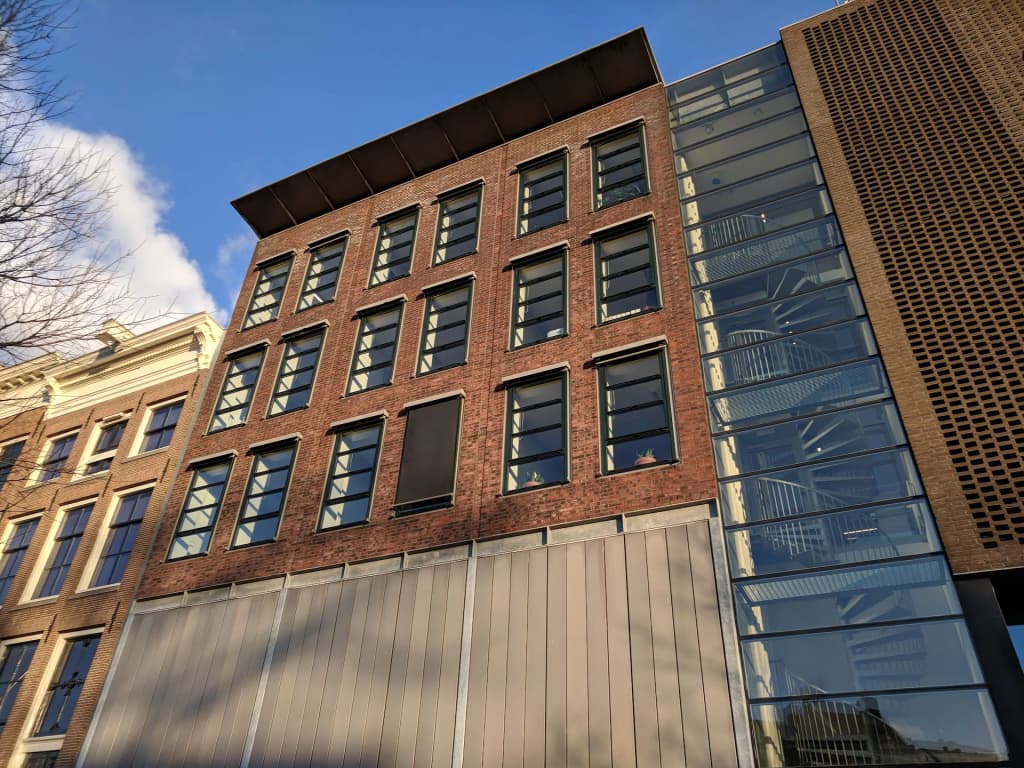
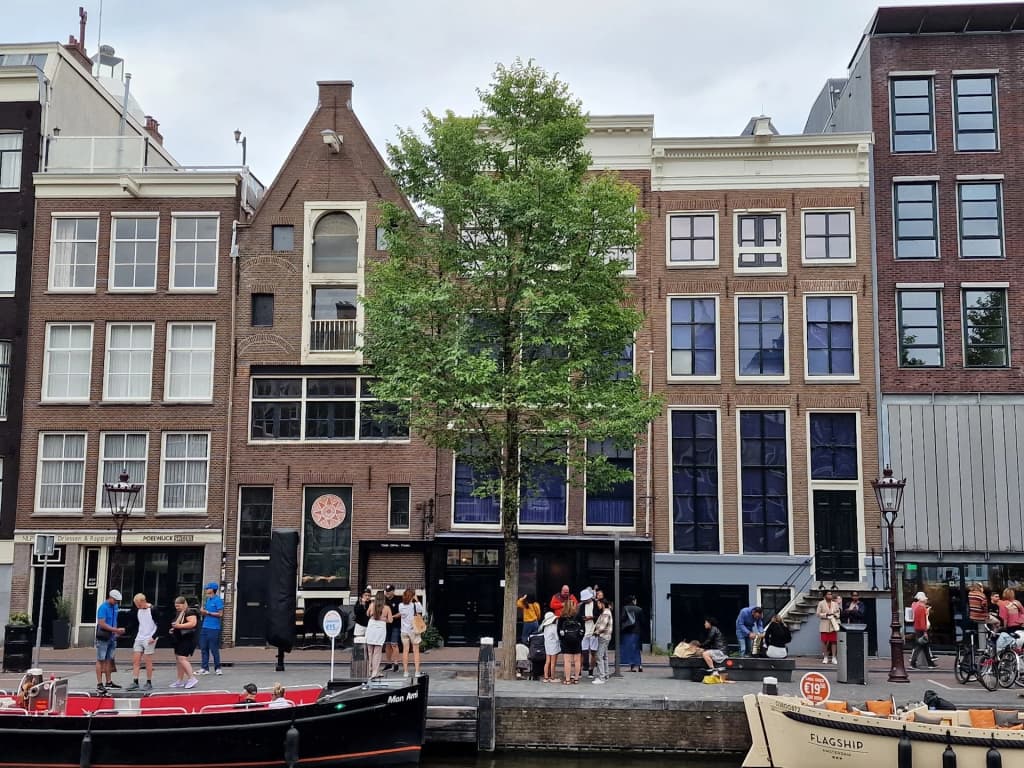
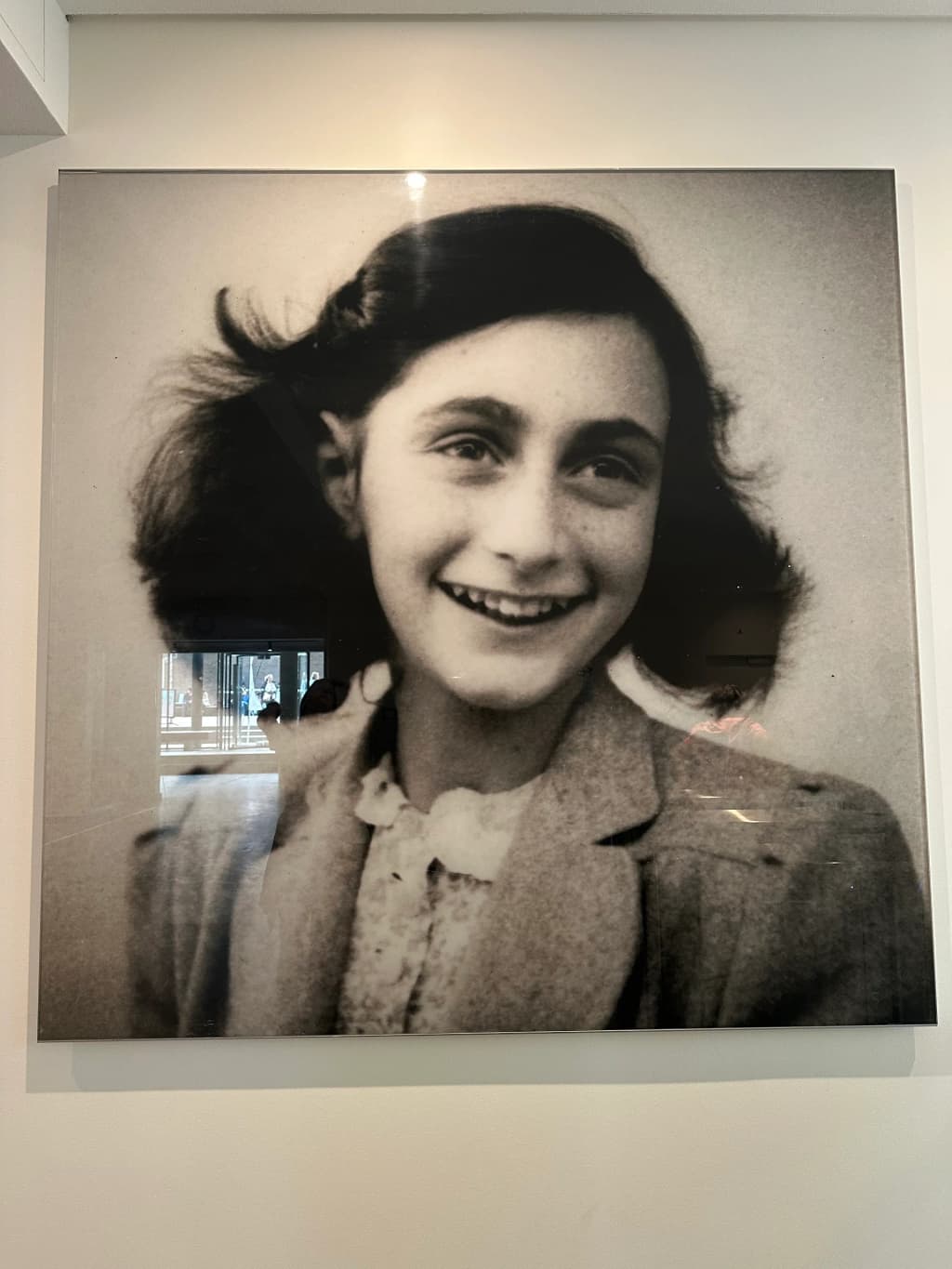
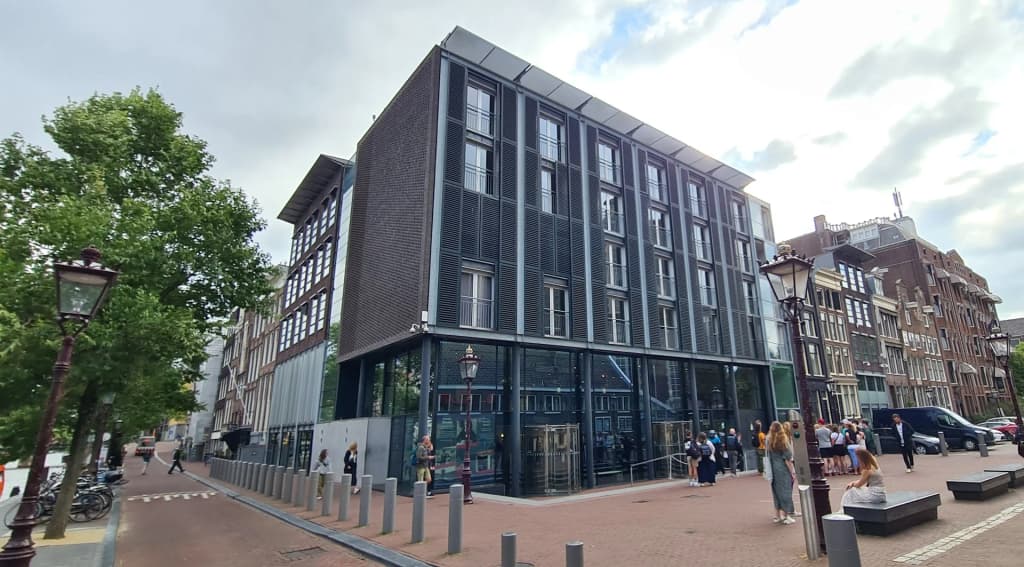
Evening falls with a hush. The Anne Frank House stands quiet on the Prinsengracht, its brick facade unassuming, almost shy. Inside, the air is heavy with memory. Footsteps echo on wooden stairs. The rooms are small, the light filtered through blackout curtains. I move slowly, reading Anne’s words on the walls, her handwriting looping and hopeful. In the silence, I hear only the creak of floorboards and the soft sighs of other visitors. No photos allowed here—only memory, pressed between the pages of a diary.
A staff member, her voice gentle, answers a question in Dutch, then turns to me. “It’s different, seeing it in person, isn’t it?”
“Yes,” I say, and my voice is smaller than I expect. “It’s… real.”
She nods, understanding. “No one leaves unchanged.”
Night brings hunger and a different kind of energy. Foodhallen glows from within an old tram depot, the air inside thick with the scent of spices and frying meat. Stalls offer everything—Vietnamese noodles, Dutch bitterballen, tacos, burgers. I order beef balls with truffle mayo, the sauce rich and earthy, and find a seat among strangers. Laughter rises, glasses clink, languages mingle. A young woman at my table grins. “First time in Amsterdam?”
I nod, mouth full. “And you?”
She shrugs. “Born here. But I come for the food.”
We share stories, trading bites and recommendations. The city feels smaller here, more intimate, as if everyone is in on the same secret.
Morning again, and the city is slow to wake. I find Winkel 43, the windows fogged with the promise of warmth. The apple pie arrives crowned with whipped cream, the crust golden, the filling tart and sweet. I eat slowly, watching the street outside fill with cyclists and delivery vans. The pie is better than any I’ve had in London, the cream melting into the apples. The waitress smiles as she clears my plate. “Good, yes?”
“Perfect,” I say, and mean it.
The Bloemenmarkt is a riot of color, tulips in every shade, bulbs and seeds and souvenirs shaped like windmills. The air smells of damp earth and fresh blooms. I buy a packet of blue tulip bulbs, the vendor warning me to check my country’s customs rules. “Some places, no flowers,” he says, winking. “But everyone wants a piece of Amsterdam.”
I walk back to the hotel, the city now fully awake, the canals sparkling in the pale sun. My bag is heavier—chocolate, cheese, tulips, memories. One day is not enough, I know this now. But it is enough to fall in love, to want to return, to carry a little of Amsterdam’s spirit home.
More Photos
More Adventures
 $200 - $500/day 2-3 days
 Conquer Disneyland California: The Ultimate 2-Park Guide
Think Disneyland is just a walk in the park? Think again. Get the ultimate battle plan for dominating Disneyland and California Adventure. Skip the lines.
 $100 - $300/day 1-3 days
 Escape the Airport: Conquer Your Luanda Layover
Think a layover in Luanda means killing time at the airport? Think again. Discover the fortress, island sunsets, and the ultimate Angolan adventure.
 $150 - $350/day 1 days
 Conquer Disneyland Paris: 2 Parks in 1 Brutal Day
Think you can't conquer both Disneyland Paris parks in a single day? Think again. Here is the ruthless, high-energy strategy to dominate every major ride.
 $120 - $250/day 1-2 days
 Hack the Alps: Milan to St. Moritz Day Trip on a Budget
Discover how to travel from Milan to St. Moritz on a budget. Skip the Bernina Express, take the regional train, and experience the Swiss Alps like a pro.