
Beyond the Postcard: Avoiding Tourist Traps in Paris
Discover the authentic rhythm of Paris by sidestepping common tourist traps, from airport taxi scams to rushed meals, and find the city's true charm.
The smell of damp stone and friction hits you first, a metallic tang that coats the back of your throat, echoing through the subterranean tunnels of the Paris metro. A train rattles past, rushing a gust of warm, stale air against my face. I watch a tourist casually toss his small magnetic paper ticket into a trash bin on the platform before walking toward the exit. A moment later, a pair of transit inspectors in dark navy uniforms step into his path.
"Billet, s'il vous plaît," one demands, his voice flat and uncompromising.
The tourist pats his pockets, panic rising in his eyes. I keep my hand firmly in my coat pocket, my fingers tracing the edges of my own validated ticket. Here, the rule is absolute: you keep that little piece of paper until you are completely above ground, or you face an immediate fifty-euro fine. The underground network is a marvel, but during the morning rush, it transforms into a chaotic, shoulder-to-shoulder crush of humanity. It is efficient, yes, but certainly not the place to let your guard down.
Stepping out of Charles de Gaulle airport is an exercise in sensory overload. The crisp French air is immediately pierced by men in official-looking vests approaching with practiced smiles.
"Taxi, monsieur? Fast ride to the center?" they offer, their charm masking the reality of a clandestine operation that routinely charges triple the official rate.
I bypass them entirely, knowing that pre-booked transfers or the official, flat-rate taxi queue are the only ways to start this journey without a bitter taste. The city itself is a sprawling beast, divided into numbered arrondissements winding outward like a snail's shell. It is tempting to look at the exorbitant hotel prices in the first through seventh districts and book something far out on the fringes to save euros. But time is currency here. Spending an hour each way commuting on crowded trains drains the romance out of the trip faster than anything else. You lose the spontaneous joy of stepping out of your door and instantly hearing the clinking of espresso cups at the corner café.
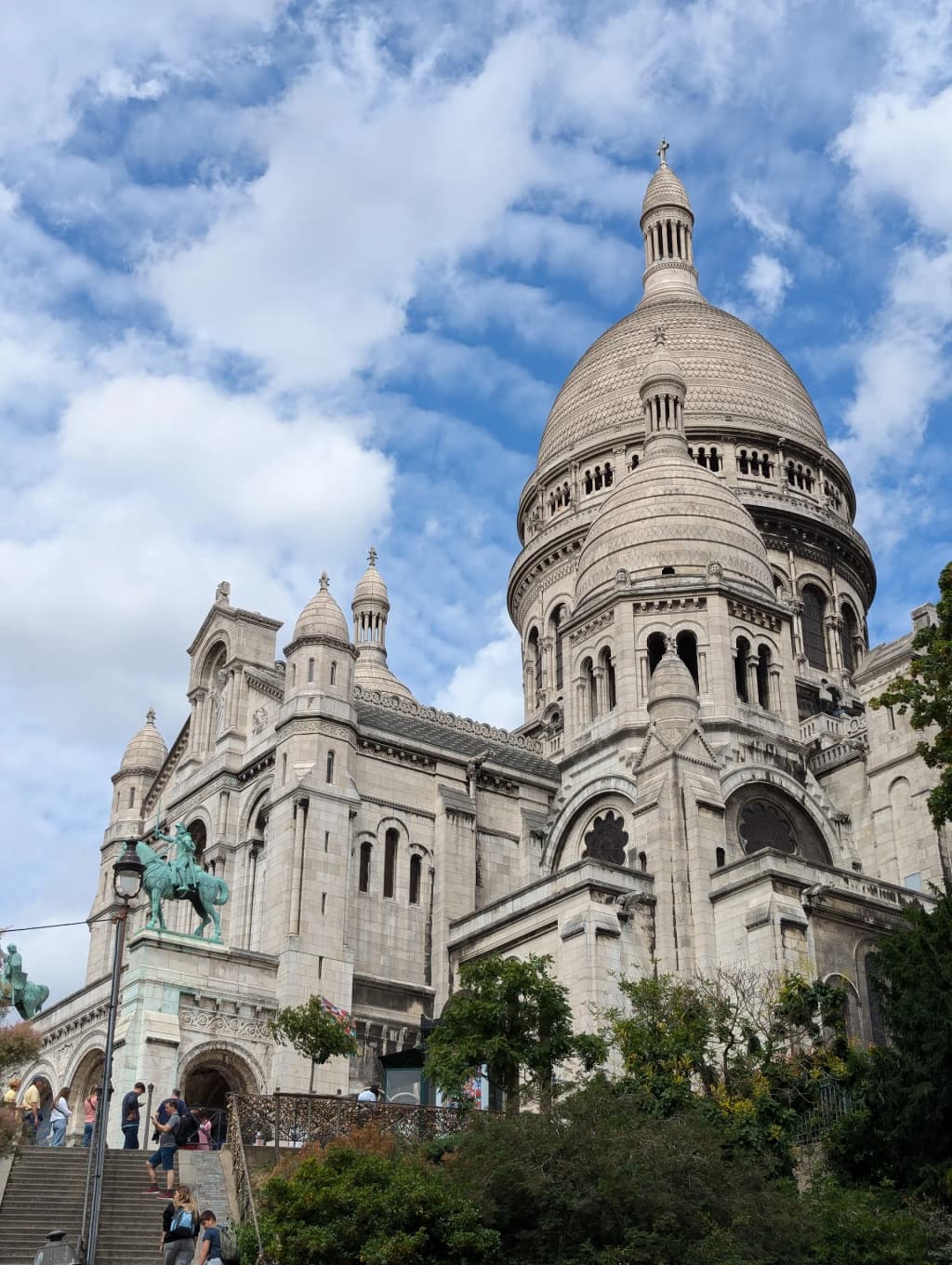
The climb up the steep, winding stairs toward the Basilique du Sacré-Cœur leaves a dull burn in my calves. Montmartre is a neighborhood that feels suspended in time, all uneven cobblestones and spilling ivy, but the illusion shatters slightly as I reach the final landing. A group of charismatic men stands strategically at the chokepoint, laughing and holding out brightly colored strings. They move with the fluid grace of dancers, reaching out to tie a friendship bracelet around the wrists of unsuspecting passersby.
"Just a gift for you, my friend," one says, stepping smoothly into my path.
"No, thank you," I reply, keeping my hands deep in my pockets and my stride unbroken.
I know the script. Once that string is knotted, the smile vanishes, and the aggressive demand for ten or twenty euros begins. It is a dance of distraction, much like the invisible hands of the pickpockets who float through the dense crowds around the basilica. They do not use force; they use art. A bumped shoulder, a dropped map, and a phone or wallet is gone before the victim even realizes they have been touched. You do not need to be paranoid here, but you must be deeply present.

The glass pyramid of the Louvre reflects the pale afternoon sun, but the line of people snaking endlessly around the courtyard is a brutal reminder of poor planning. There is a specific kind of heartbreak in arriving at the world's most famous museum only to find that tickets are sold out for the next two weeks. I bypass the despairing crowd, my pre-booked timed-entry digital pass glowing softly on my phone. Yet, even inside, the trap deepens. The Louvre is not merely a building; it is a labyrinthine city of art. I remember my first visit years ago, wandering aimlessly through miles of corridors, exhausted and overwhelmed, barely catching a glimpse of the Mona Lisa through a sea of raised smartphones. Today, I follow a local guide whose soft voice comes through an earpiece. She weaves us through quiet back hallways, bypassing the chaos to stand quietly before masterpieces. The smell of ancient dust and centuries-old oil paint fills the air, heavy and rich. The extra cost of the guide transforms a grueling marathon into an intimate conversation with history.
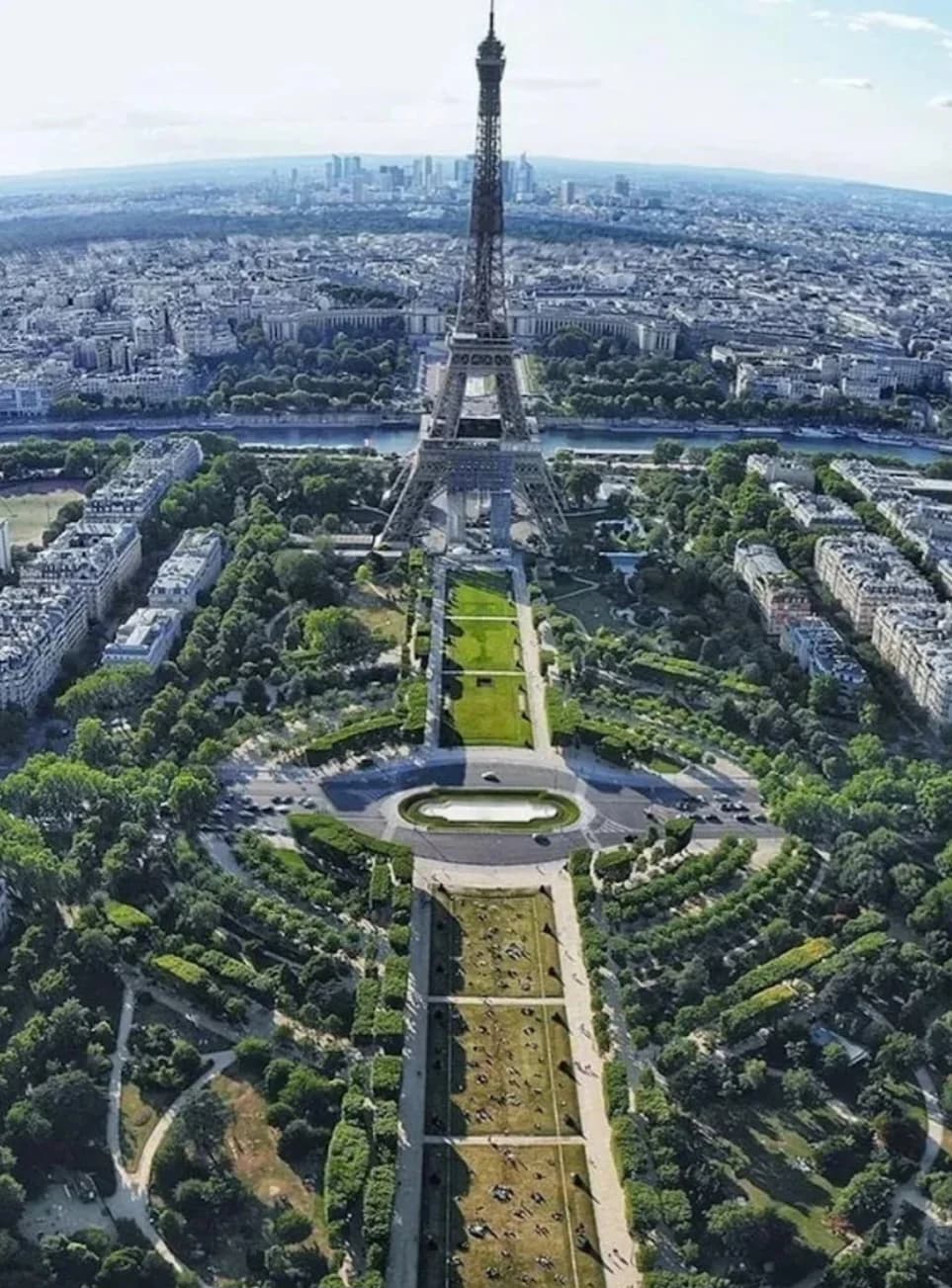
Evening falls, casting a golden hue over the pale stone buildings. The Eiffel Tower sparkles on the hour, a mechanical heartbeat of light. It is tempting to book a table at the restaurant suspended within its iron frame. I did it once, sitting down to a meal where the waiters operated with the ruthless efficiency of a stopwatch. Forty minutes to eat, clear the plates, and turn the table for the next batch of dreamers. The food was expensive, the experience breathless and rushed.
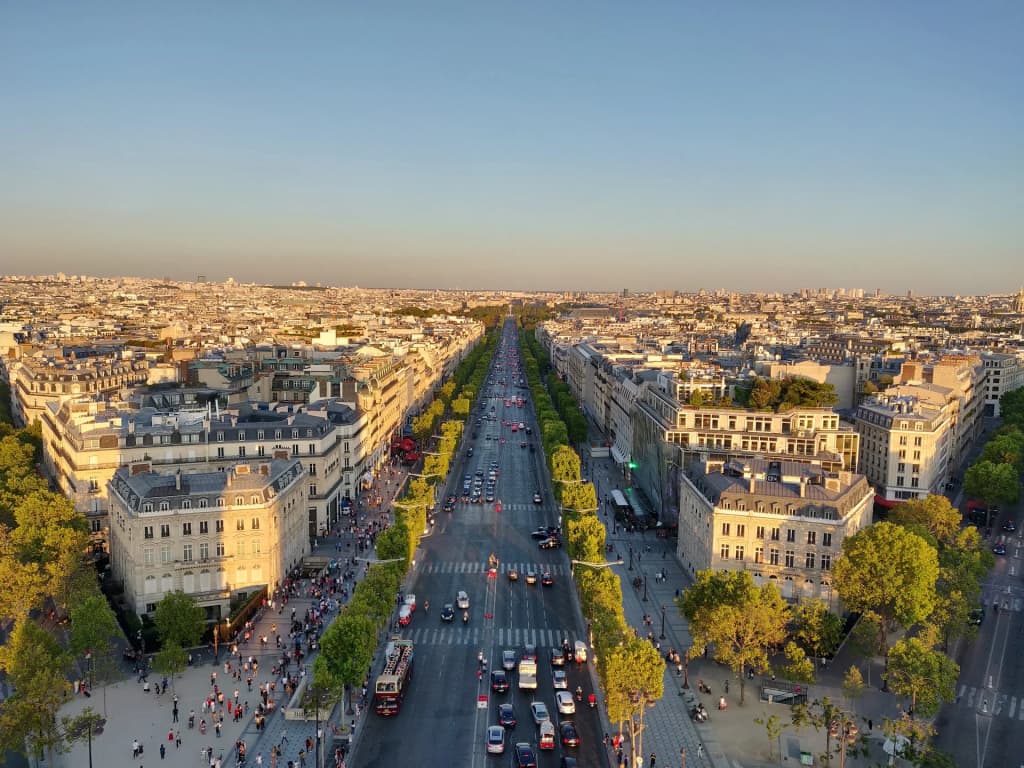
Instead, I walk away from the glittering iron giant. I walk away from the broad, commercialized stretch of the Champs-Élysées, where the menus are laminated and the prices are inflated. I turn down a narrow side street, walking three blocks until the menus in the windows are written exclusively in French on chalkboards.
I step into a small bistro where the air smells profoundly of roasting garlic, red wine, and old wood. The tables are packed so tightly you have to slide in sideways, brushing shoulders with the patrons next to you. The low hum of rapid French conversation washes over the room. An older waiter with a towel draped over his forearm approaches, dropping a basket of crusty baguette on the table. The bread is still warm, yielding with a satisfying crackle when I tear off a piece.
"You know what you want, or do you need the English menu?" he asks, a slight twinkle in his eye.
"I will have whatever you are having," I tell him.
He nods, a genuine smile breaking across his weathered face. "A good choice. Take your time tonight."
This is the rhythm of this city. Paris does not reveal herself to those who rush, who follow the loudest voices, or who stand in the longest lines. She reveals herself in the quiet corners, in the mindful steps, and in the lingering moments when you finally stop trying to see everything, and simply allow yourself to be here.
More Photos
More Adventures
 $200 - $450/day 1-3 days
 Beyond the Louvre: Finding Magic in Disneyland Paris
Step off the train from central Paris and into a world where classic Disney magic meets French romance, complete with a sleeping dragon and nighttime drones.
 $200 - $500/day 2-4 days
 Disneyland Paris: The Darker, Faster Rides You Need to Try
Think you know Disney? Think again. Discover the fire-breathing dragon, pitch-black coasters, and intense rides exclusive to Disneyland Paris.
 $800 - $2500/day 4-7 days
 Paris Reimagined: Four Exceptional Encounters in the City of Light
Discover a curated selection of refined Parisian experiences, from lunch at Le Bristol to dining above the city in the Eiffel Tower's Madame Brasserie.
 $50 - $120/day 3-5 days
 Forget the Postcards: Dive Into the Chaos of Naples
Think you know Italy? Think again. Discover the raw energy, unapologetic street food, and beautiful chaos of Naples in this ultimate travel guide.