
Barcelona in Color: Gaudí, Markets, and Mediterranean Light
Barcelona pulses with Gaudí’s wild genius, bustling markets, and sunlit beaches. A sensory journey through the city’s icons and hidden corners awaits.
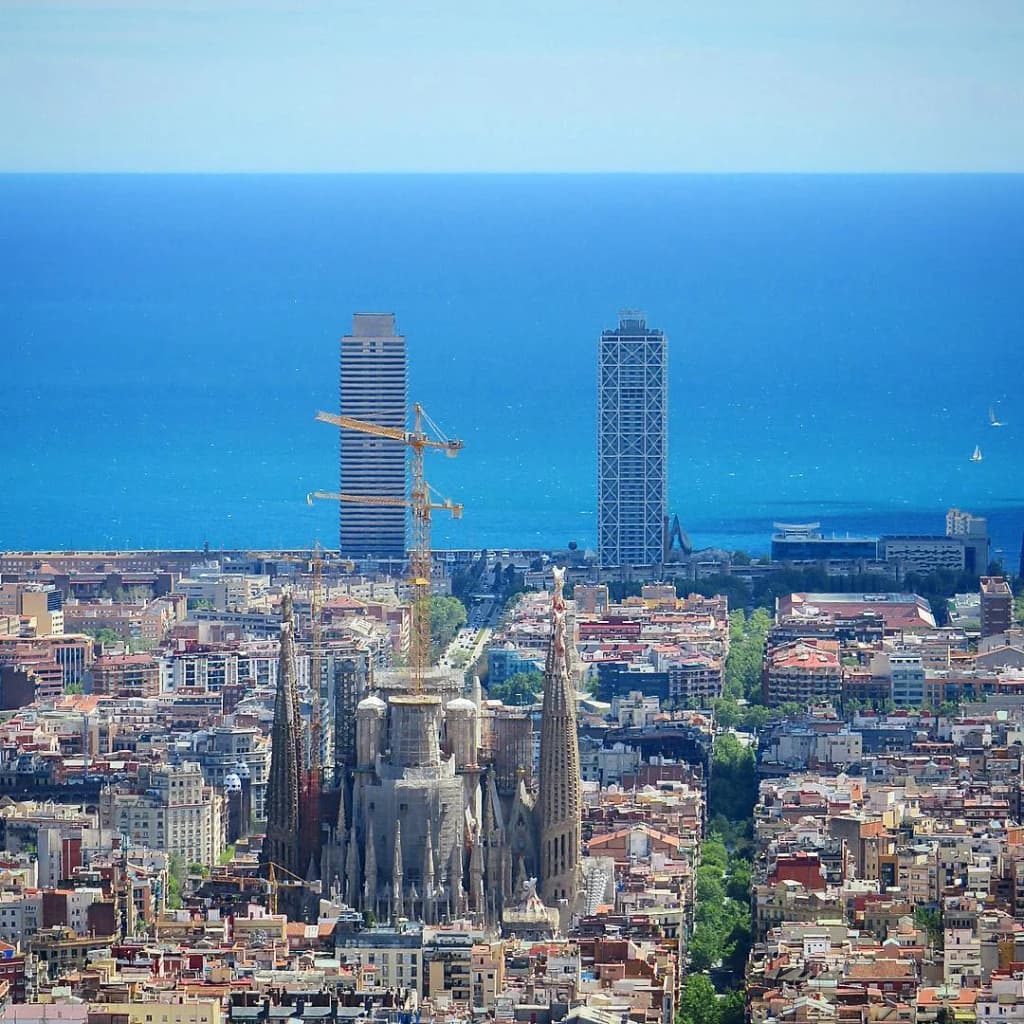
The first thing I notice is the light—soft, golden, almost liquid as it pours over the city’s rooftops. I’m standing in the shadow of the Sagrada Família, neck craned, eyes tracing the impossible spires that seem to grow out of the earth itself. The air smells faintly of dust and incense, and somewhere nearby, a street musician’s guitar drifts through the morning.
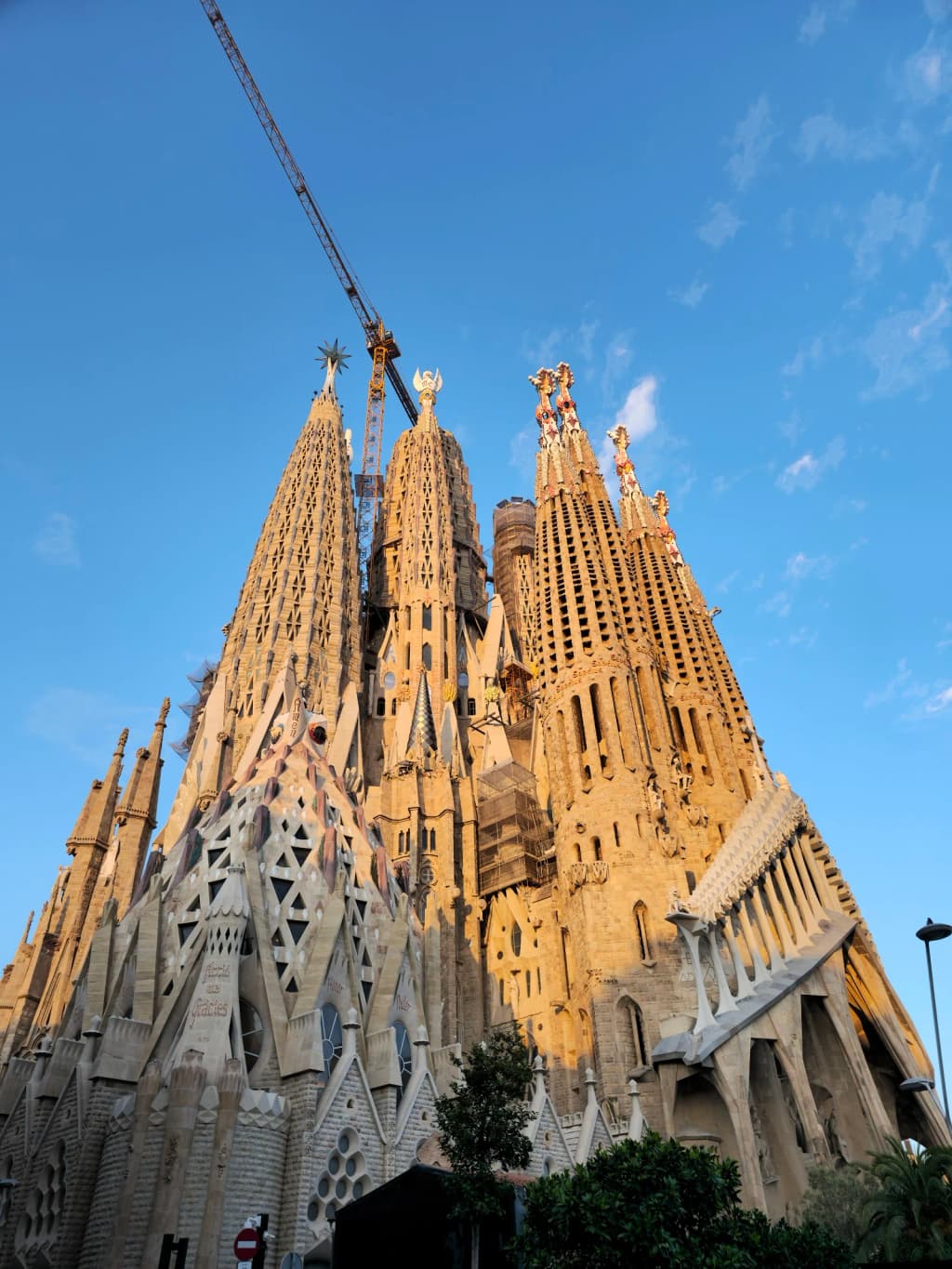
A woman in a blue scarf stands beside me, squinting up. “It’s never finished,” she says, half-laughing. “But maybe that’s the point.”
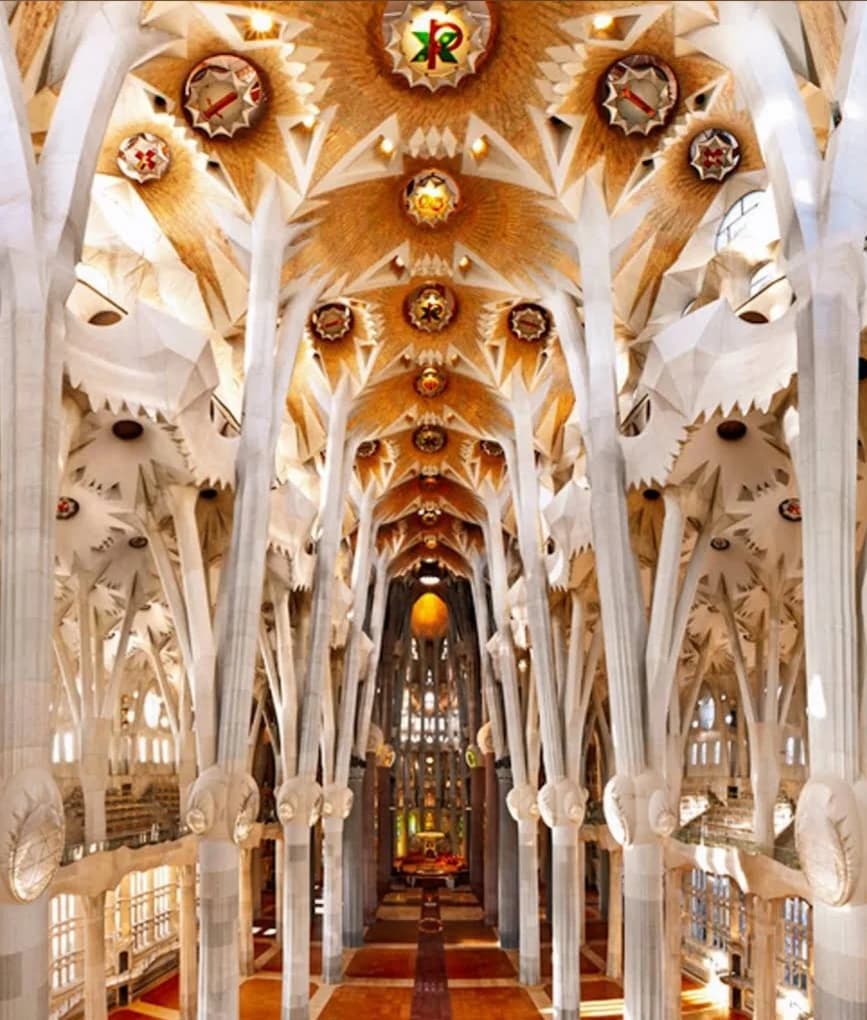
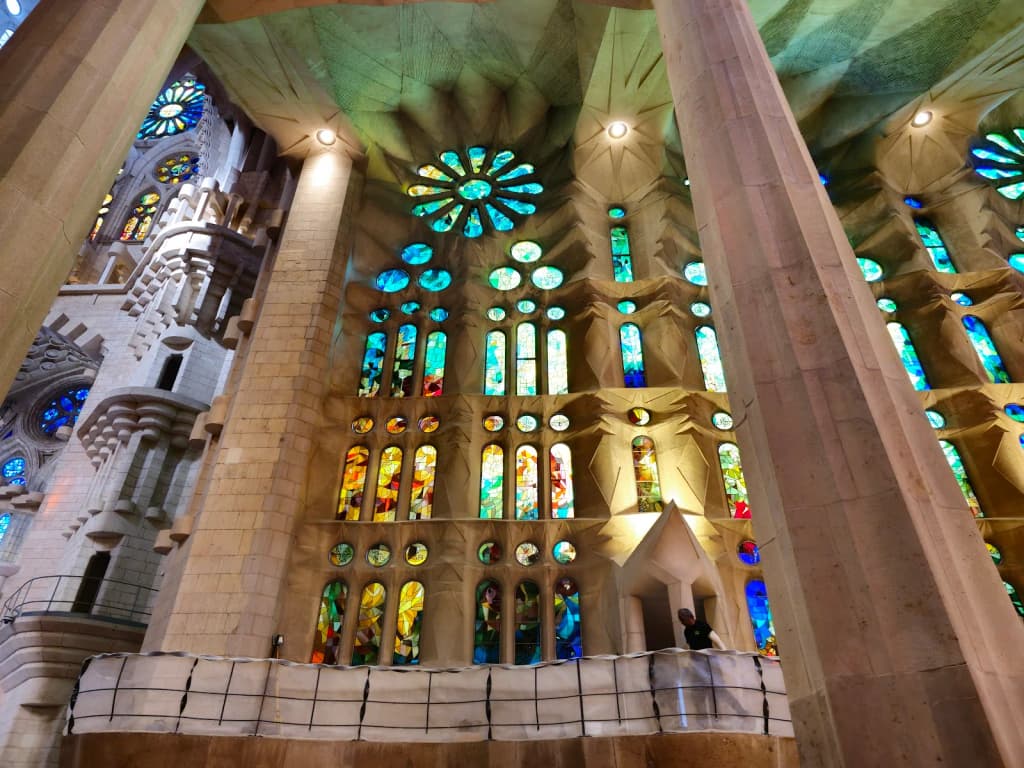
Inside, the basilica is a forest of stone and colored glass. Sunlight pours through stained windows, painting the marble in shifting blues and greens. The hush is almost sacred, broken only by the soft shuffle of feet and the distant echo of an audio guide. I listen to Gaudí’s story—how he drew inspiration from trees, bones, the geometry of nature. Even after 140 years, the work continues, scaffolding and cranes rising alongside the towers. They say it will be finished by 2026, but I’m not sure I want it to be. There’s something beautiful about a masterpiece in progress.
Tickets are precious here—thirty-four euros, booked weeks in advance, the confirmation glowing on my phone. I slip past the line, grateful for the advice to plan ahead. One to two hours vanish in a blur of color and awe.
Later, I wander up Passeig de Gràcia, where the city’s pulse beats strongest. Casa Batlló looms ahead, its façade a riot of curves and mosaics, balconies like the jaws of some gentle beast. Tourists cluster on the sidewalk, cameras raised, but inside it’s quieter. The air smells of old wood and stone, and the light shifts as I climb the stairs, blue tiles deepening with every step. Thirty-five euros buys entry into Gaudí’s dreamscape, and I lose myself in the undulating walls, the sense that nothing here is quite straight or predictable.
A guide in a crisp shirt catches my eye. “He wanted it to feel alive,” she says, gesturing to the ceiling. “Like the sea, or a dragon’s back.”
Just up the avenue, Casa Milà—La Pedrera—waits, its stone waves frozen in time. Once mocked as a quarry, now a UNESCO treasure. I buy a ticket (twenty-nine euros, again online) and step into the cool, echoing halls. Part residence, part museum, it feels both lived-in and otherworldly, a place where history and imagination blur.
But Barcelona is more than Gaudí’s wild genius. I find myself drawn to the city’s markets, where life is loud and fragrant. La Boqueria is a riot of color: pyramids of fruit, the sharp tang of jamón serrano, the sweet promise of fresh juice. Vendors call out in Catalan and Spanish, their voices rising above the hum. I taste a sliver of manchego, salty and rich, and sip a cup of orange juice so fresh it stings my tongue. The market is free to enter, but I can’t resist joining a food tour, letting a local guide me through the flavors of Spain—tapas, olives, the crunch of pan con tomate.
A vendor grins as he hands me a paper cone of fried calamari. “You like?”
I nod, mouth full, and he laughs. “Eat more. You’re in Barcelona now.”
The city’s rhythm changes by the sea. I catch a bus to Bogatell Beach, the air growing saltier, the breeze tinged with sunscreen and grilled fish. The sand is warm beneath my feet as I walk toward Barceloneta, passing cyclists, joggers, families sprawled on towels. Beach bars spill music onto the promenade, and the Mediterranean glitters, impossibly blue. On weekends, the energy is electric—locals and visitors mingling, laughter carried on the wind. It costs nothing to wander here, to let the sun and sea work their quiet magic.
From the beach, I slip into the Gothic Quarter, where the city’s heart beats slow and deep. Narrow alleys twist between ancient stones, the air cool and shadowed. I brush my fingers along centuries-old walls, hear the echo of footsteps on cobblestones. Here, history feels close—a cathedral’s bells, the hush of a hidden square, the sudden burst of laughter from a café. I stumble upon the Mural del Beso, a mosaic of tiny photographs forming a single, defiant kiss. The Picasso Museum waits nearby, but I linger in the streets, content to be lost.
A shopkeeper leans in as I buy a postcard. “You see the old Roman wall?” she asks, eyes bright.
“I think so,” I say. “But maybe I missed it.”
She smiles. “That’s the best way. Barcelona is for wandering.”
On my last afternoon, I climb the hill to Park Güell. The city sprawls below, rooftops glowing in the late sun. Gaudí’s playful touch is everywhere—mosaic lizards, gingerbread houses, columns that lean like trees in a fairy tale. Twenty-two euros for a ticket, and the view alone is worth it. Children chase each other across the plaza, their laughter mingling with the distant hum of the city. I sit on a tiled bench, the cool ceramic against my skin, and watch the sky turn pink.
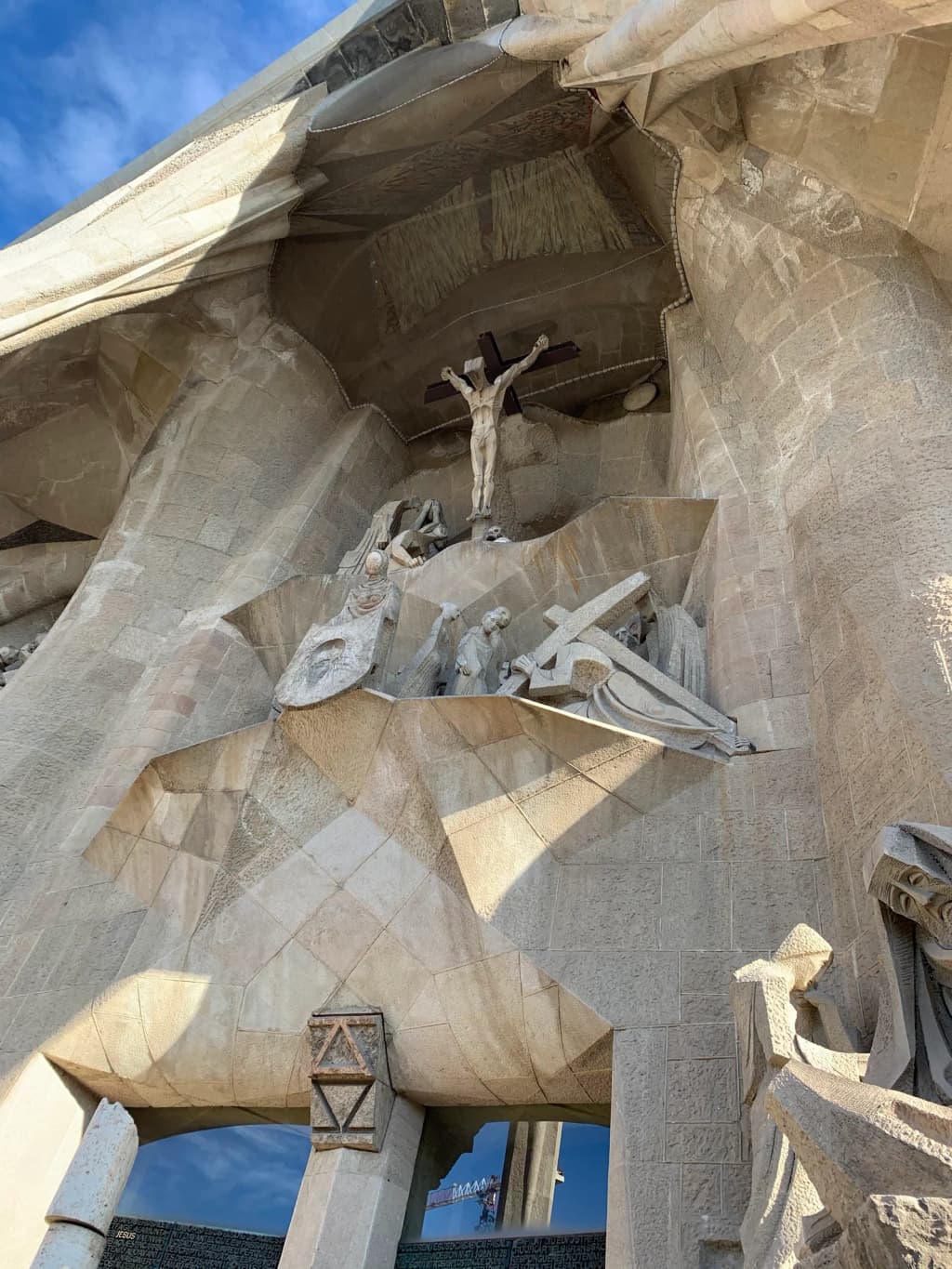
Barcelona lingers with me—the taste of salt on my lips, the echo of church bells, the riot of color and sound. It’s a city that invites you to look closer, to wander slower, to let yourself be surprised. I leave with sand in my shoes and a promise to return, knowing that some masterpieces are never truly finished.
More Photos
More Adventures
 $100 - $350/day 2-4 days
 Conquer Lima: The Ultimate Peru Coastal Capital Guide
Think Lima is just a stopover? Think again. Experience Miraflores cliffside views, pre-Inca history, and the best culinary scene in South America.
 $100 - $250/day 3-5 days
 Surviving Gaudí's Barcelona: The Ultimate Masterclass
Ditch the tourist traps. Grab your boots and conquer Gaudí's Barcelona. Discover the surreal secrets of Casa Batlló, La Pedrera, and Park Güell.
 $120 - $350/day 2-3 days
 Disneyland Paris Strategy: Ride Hacks & Coaster Secrets
Think you know Disney? Think again. Discover the underground secrets, massive coasters, and insider hacks to conquer Disneyland Paris like a pro.
 $150 - $300/day 1-2 days
 Conquer Epcot: The Ultimate High-Speed Global Gauntlet
Think Epcot is a slow stroll? Think again. It's a high-speed, globe-trotting gauntlet. Hack the rides, taste the world, and push your limits in Orlando.