
Breathing the High Andes: A Sensory Journey Through Cusco
Discover the sensory magic of Cusco and the Sacred Valley, from the dizzying altitudes of ancient Inca terraces to the soft touch of vicuña wool.
The thin air catches in your throat before you even realize you're breathing differently. It is a sharp, crisp cold that smells faintly of dry earth and eucalyptus. We are sitting at 3,300 meters above the sea, and my lungs are politely demanding an explanation. Mercedes, whose smile seems entirely unaffected by the lack of oxygen, presses a steaming cup into my hands. "Muña tea," she says, the steam curling into the chill morning air. "Drink. It opens the vessels. The coca is for energy, but the muña is for the breath." The liquid tastes earthy, somewhere between mint and green tea, and as it warms my chest, the dizzying expanse of the Sacred Valley comes into focus below us. The Urubamba River cuts a silver ribbon through the patchwork of fertile green, beginning its impossibly long journey toward the Amazon. Even in the morning sun, the twenty-degree air carries a bite that warns of the freezing night to come. I pull the heavy wool blanket tighter around my shoulders and let the altitude wash over me.
We move through the ruins of Pisac, where the ancient terraces curve along the mountainside like the outstretched wings of a partridge. The sheer scale of the Inca engineering is humbling. They didn't just farm this land; they sculpted it into a living laboratory. Mercedes points out how the varying levels create distinct microclimates, a brilliant manipulation of sun and wind that gave the world over three thousand varieties of potatoes and seven types of quinoa. Walking these paths, you feel the reverence the Andean people hold for the earth. This reverence echoes louder when we reach Moray, where massive concentric circles are carved deep into the ground, dropping the temperature significantly with every descending stone step. Not far from here, the earth cracks open to reveal the Maras salt mines, thousands of brilliant white pools cascading down the mountain canyon. I buy a bar of dark chocolate flecked with the local pink salt and dried coca leaves from a small stall—a bitter, earthy, and sharply sweet explosion on the tongue.
The sensory overload softens into something profoundly elegant by mid-afternoon. We sit down for a meal that feels pulled from a dream. An exclusive table is set on a grassy plateau overlooking a Spanish colonial church and the jagged, snow-capped glaciers in the distance. Chef Manuel emerges from a makeshift outdoor kitchen carrying a plate of wild river trout, fresh from the glacial meltwaters, seasoned perfectly with that same Maras salt. The skin crackles under the fork, the pink flesh melting instantly. Beside it sits a steaming cob of choclo con queso. The kernels are enormous, pale and starchy, perfectly balanced by the sharp, salty crumble of the fresh Andean cheese. It is simple, profound nourishment that grounds you entirely in the landscape.
Down in the valley's bustling market, the air is thick with the scent of roasting corn and damp wool. The stalls are a riot of crimson, indigo, and ochre. I run my fingers over a stack of tightly woven sweaters, the fibers shockingly soft against the cold wind. "Baby alpaca," a vendor named Eudocia tells me, her hands busy untangling a skein of yarn. "It is the first shearing. The softest." I ask her about the different animals we've seen dotting the hillsides, and she laughs, pointing toward a small pen where a few camelids are chewing hay. She explains the hierarchy of the wool: the sturdy llama meant for carrying burdens, the soft alpaca, the larger wild guanaco, and finally, the vicuña. The vicuña is the gold of Peru, a protected creature whose impossibly fine, weightless fleece requires a government certificate to even take out of the country. Touching a woven vicuña scarf feels like holding a cloud; it is a tactile luxury that connects you instantly to the harsh, beautiful environment these animals survive in.
By nightfall, the temperature drops sharply, the promised warmth of the afternoon vanishing into the mountain shadows. I retreat to the Belmond Rio Sagrado, a sanctuary built directly along the ancient Qhapaq Ñan, the great Inca road system that once stretched from Ecuador all the way to Argentina. My room opens out to a small garden where the Urubamba River rushes continuously in the darkness. Falling asleep to the sound of that water is a meditation. When morning breaks, it reveals a landscape of towering Andean peaks framing the property. I sit with a cup of coffee on the damp grass, watching the mist burn off the water. There is a profound stillness here, a quiet that feels older than the stones of the ruined temples. It is the kind of silence that demands you stop rushing and simply exist alongside the river.
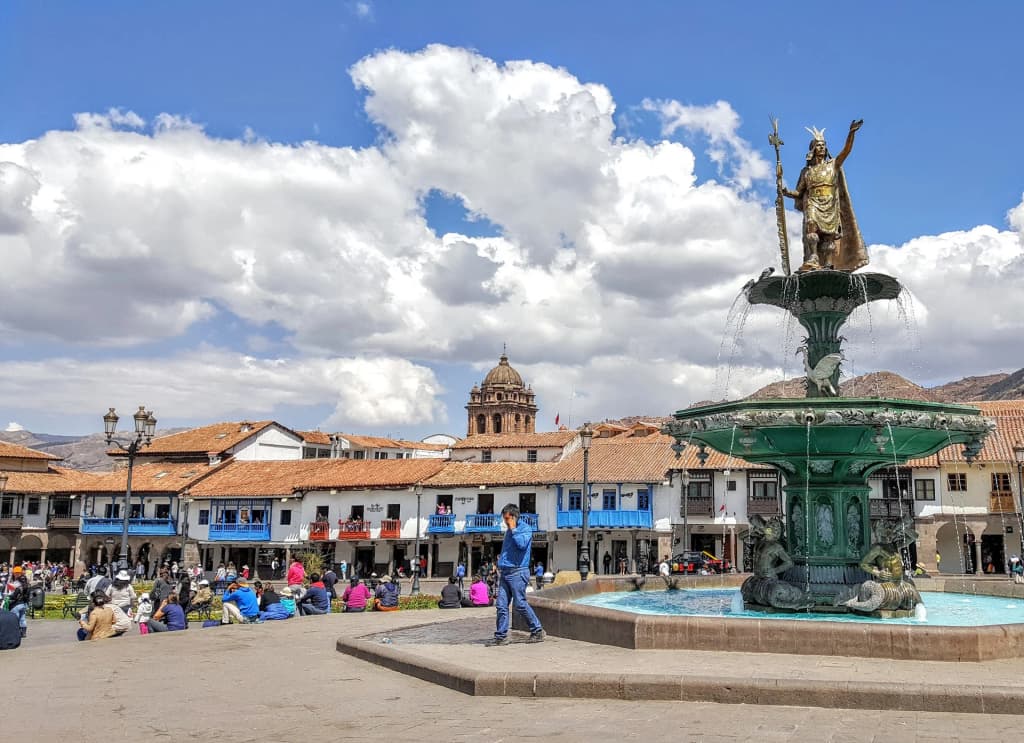
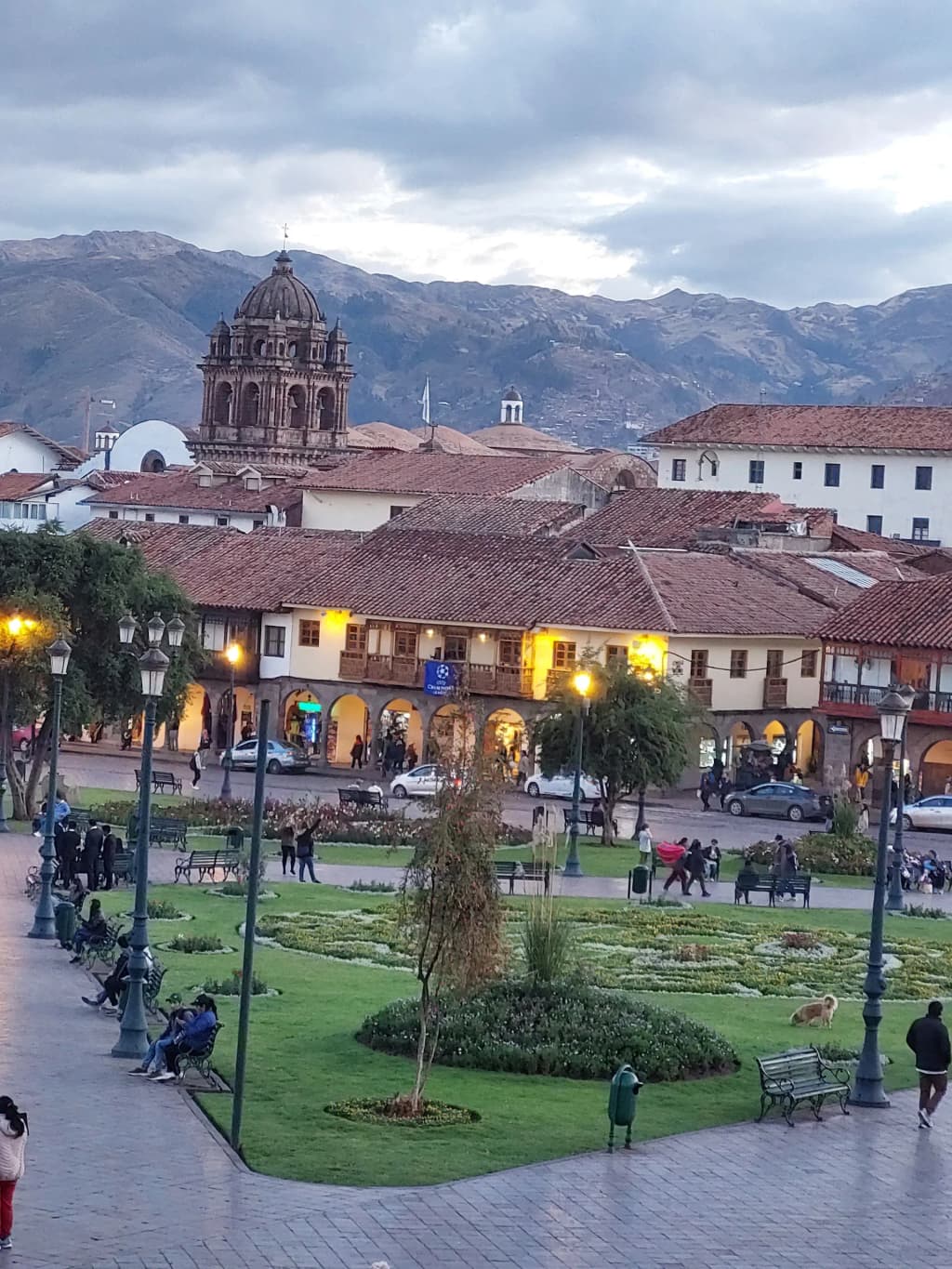
The transition into the city of Cusco is a shock of sound, color, and colonial grandeur. Before diving into the crowded streets, Mercedes leads us up the narrow, winding stone steps of the San Francisco Church's bell tower. My thighs burn with the effort in the thin air, but the struggle is instantly forgotten when we reach the top. Mercedes is waiting with a mischievous smile and two crystal flutes of champagne. "For special clients," she winks, the golden liquid catching the late afternoon sun. We clink glasses over the sprawling terracotta rooftops of the ancient Inca capital. We climb higher still to Sacsayhuaman, sitting at a breathless 3,600 meters. The massive, interlocking stones of the fortress are a monument to an empire that worshipped the sun and the earth. You can see the trapezoidal doorways, an architectural genius designed to withstand the violent earthquakes that shake this region every few centuries.
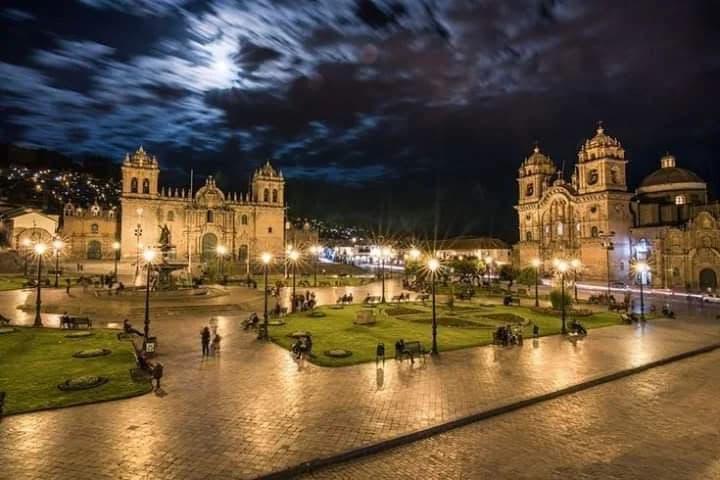
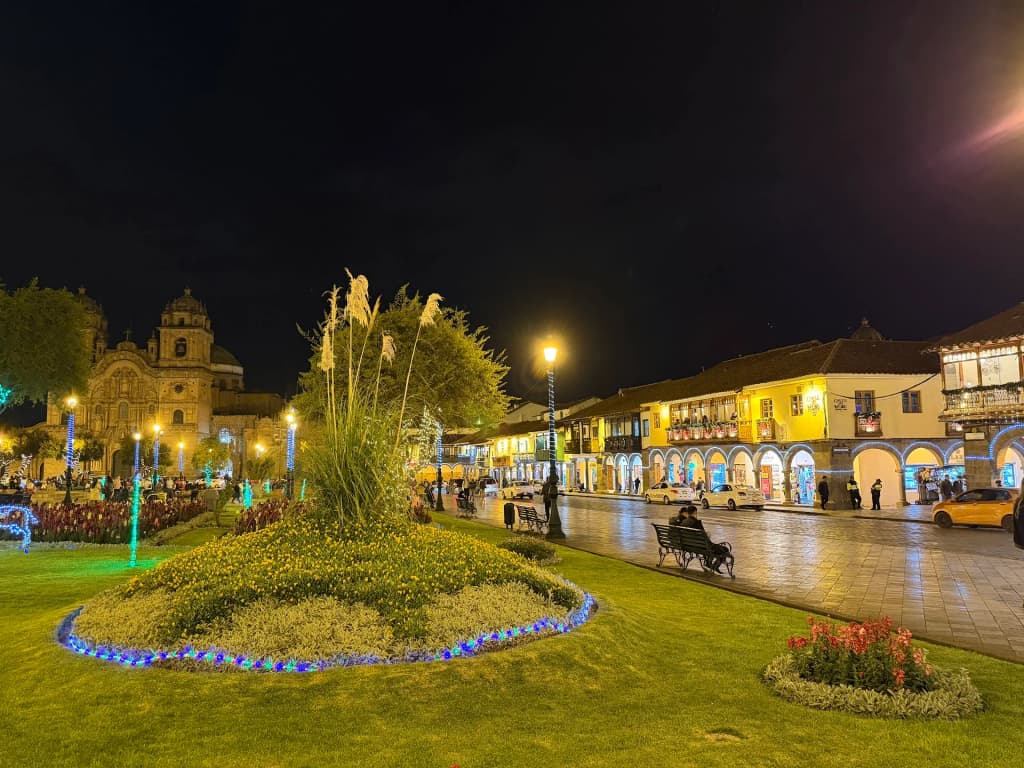
Later, standing in the Plaza de Armas, the historical layers of the city press in on you. The grand Cathedral, built directly over the Inca temple of Viracocha, dominates the square. I arrive just as they're unlocking the heavy wooden doors, and the forty soles entrance fee feels like nothing once I'm swallowed by the cavernous, gold-leafed shadows of the nave. You can feel the heavy silence of two colliding worlds in the cold stone floors.
We finish the day at a small restaurant tucked away near the plaza. The waiter, noticing my slow, deliberate movements, gently advises eating lightly. Digestion, like everything else at this altitude, takes its time. I order the cuy, the traditional Andean guinea pig, which arrives roasted to a deep golden brown. "Eat with your hands," he instructs, placing a stack of napkins on the wooden table. The meat is rich, delicate, and surprisingly reminiscent of dark, fried fish. As I sit there, picking at the bones and sipping a glass of local fermented corn beer, the exhaustion of the week settles into my bones. Seven days of moving from the coastal fog of Lima to the dizzying heights of the Sacred Valley has left me utterly drained but deeply full. You don't just visit the Andes; you absorb them. You take in the thin air, the heavy stones, the colorful threads, and the ancient dirt, until they become a permanent part of your internal geography.
More Photos
More Adventures
 $50 - $150/day 1-2 days
 Conquer the Serra Verde Express: Brazil's Wildest Train
Ditch the tourist traps and ride the Serra Verde Express from Curitiba to Morretes. Discover ticket tips, seating secrets, and the best Barreado.
 $150 - $300/day 1-2 days
 Conquer Epcot: The Ultimate High-Speed Global Gauntlet
Think Epcot is a slow stroll? Think again. It's a high-speed, globe-trotting gauntlet. Hack the rides, taste the world, and push your limits in Orlando.
 $100 - $350/day 2-4 days
 Conquer Lima: The Ultimate Peru Coastal Capital Guide
Think Lima is just a stopover? Think again. Experience Miraflores cliffside views, pre-Inca history, and the best culinary scene in South America.
 $40 - $100/day 3-4 days
 Campos do Jordão Itinerary: Budget Guide & Hiking Logistics
Plan a practical trip to Campos do Jordão, Brazil's highest city. Get exact costs for state parks, hiking Pedra do Baú, and budget-friendly dining.