
Fethiye Beyond the Blue: Canyons, Ruins, and the Turkish Coast
A sensory journey through Fethiye, Turkey. From the heights of Babadağ to the depths of Saklikent Canyon and the silence of Lycian tombs.
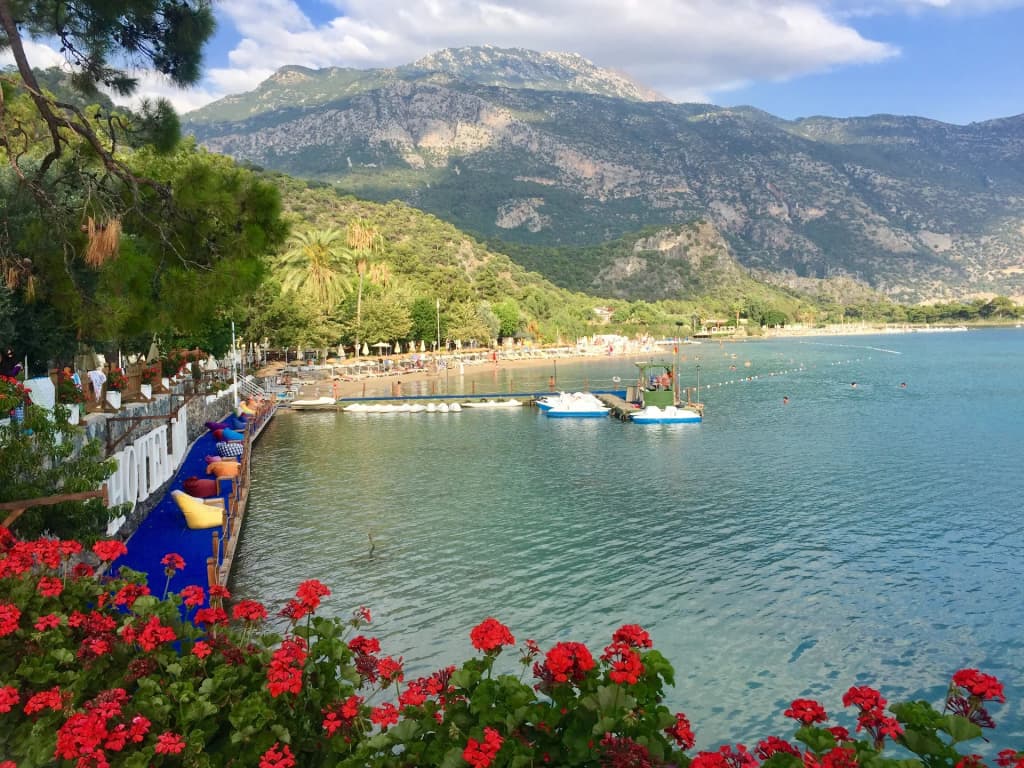
The scent of heated pine needles is aggressive here—darker, stickier than the European pine I’m used to. It mixes with the salt air coming off the Mediterranean, creating a perfume that feels heavy in the June heat. I am standing at the edge of the famous Blue Lagoon in Ölüdeniz, watching the water shift from aquamarine to a deep, bruising indigo. It is beautiful, undeniably, but the chaotic energy of thousands of sun-seekers pressing their towels into the sand feels overwhelming. I need space.
I steer the rental car away from the main strip, climbing the coastal road toward Kidrak Beach. The gate arm lifts for a fee of 180 Lira—a small price to pay for the sudden drop in decibels. Here, the stones underfoot are polished smooth by centuries of waves, clinking softly like marbles as the tide pulls back. The water is bracingly cool, a shock to the system that washes away the humidity of the drive. It feels like Greece, which makes sense; we are sharing the same ancient sea, just looking at it from a different angle.
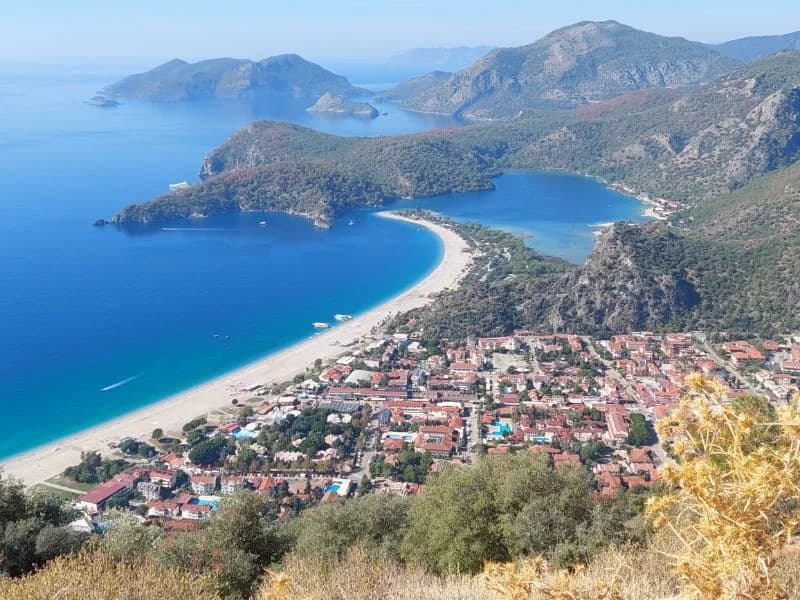
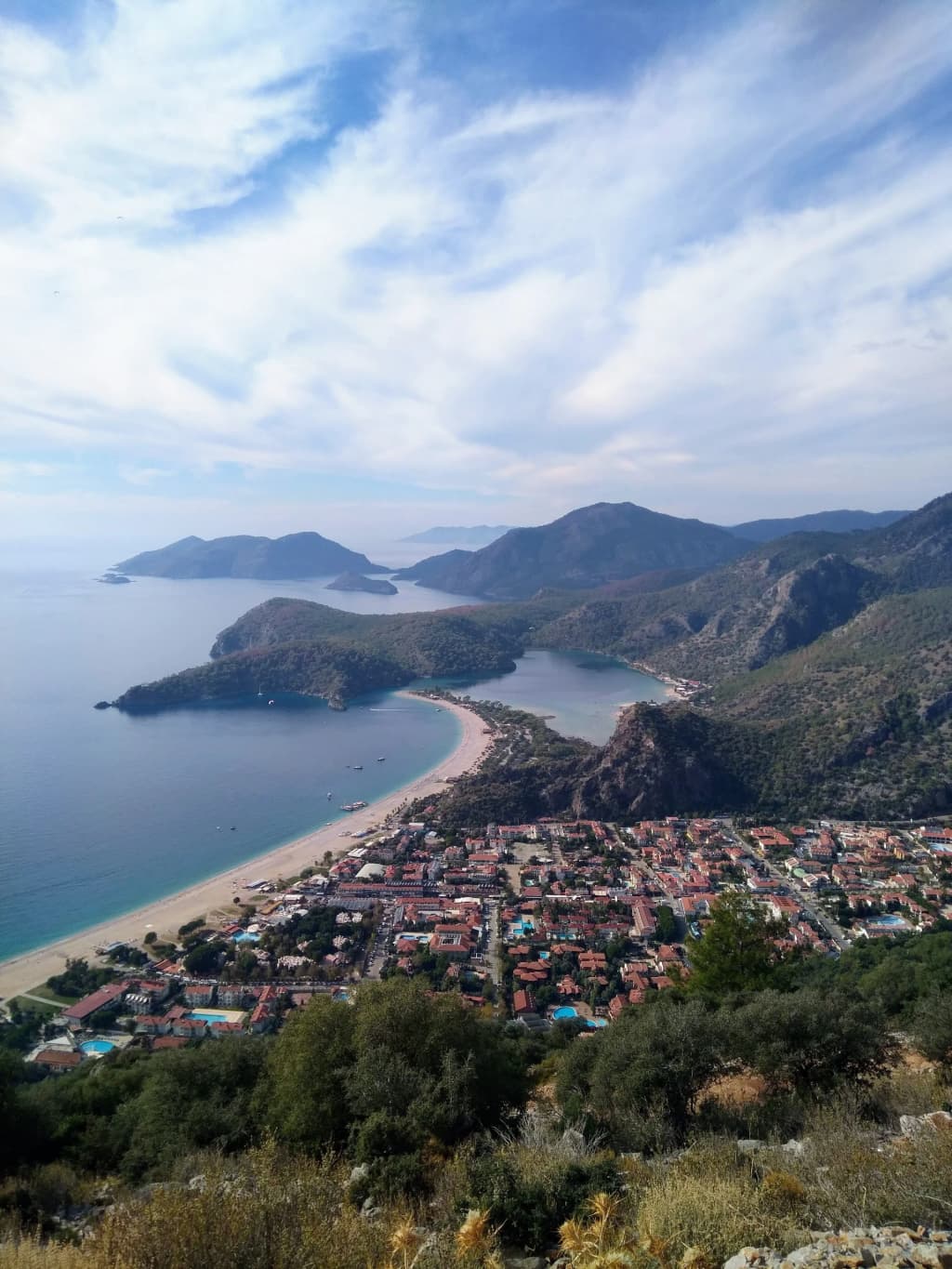
To understand the sheer vertical scale of this coast, you have to leave sea level behind. The drive up Babadağ Mountain is a series of hairpin turns that test your nerves, so I opt for the cable car. The ascent is smooth, the altimeter climbing past 1200 meters, then 1700. The air up here thins out, crisp and cool, a welcome relief from the swelter below.
The sky is alive with confetti—dozens of paragliders launching themselves into the void. This is one of the world's premier flight spots, and watching them is a spectator sport in itself. Below us, the lagoon is reduced to a thumbprint of blue ink. The sunset stretches out here, lingering until nearly 8:30 PM, painting the limestone mountains in shades of violet and burnt orange.
Back at sea level the next morning, I decide to approach the Butterfly Valley by water. Locals warn me the hike down from the cliffs is treacherous—loose scree and slippery rock—so I board a small shuttle boat. The vessel rocks gently over the swells for twenty minutes before the valley walls rise up like cathedral doors. I find a small shack on the beach serving food.
"You want the shrimp?" the waiter asks, hovering with a notepad. "Is it fresh?" I ask. He laughs, gesturing to the water ten meters away. "It was swimming this morning. You want the garlic sauce?" "Yes." "Good. It is good for the blood."
Getting around Fethiye properly requires wheels. There are no direct flights to the town itself—you fly into Dalaman and drive—and having a car unlocks the interior, where the landscape shifts from coastal resort to Jurassic wilderness. I head toward Saklikent Canyon, a gorge slashed 300 meters deep into the earth. The boardwalk clings to the rock face, suspending me over rushing meltwater that looks harmless but is violent and numbing.
I watch brave souls wading through the riverbed, their laughter echoing off the canyon walls, but I stay dry today, driving ten minutes further to Yaka Park. It is a trout farm, but that description feels inadequate. It is a labyrinth of mossy channels and waterfalls weaving through a restaurant. The trout arrives simply grilled with arugula and onion, tasting of clean, cold water and smoke.
History in Turkey is not behind glass; it is under your feet. I drive up to Tlos, an ancient Lycian citadel that commands the valley. It was inhabited for centuries, layers of Roman, Byzantine, and Ottoman history stacked like a stone cake. I climb to the top of the theater, built into the hillside. High above, tombs are carved directly into the rock face, looking like intricate temple doors leading nowhere. They believed the dead continued to live in these stone houses, overlooking the land they once ruled. Standing in the silence of the ruins, watching the shadows lengthen over the valley, you can almost believe they are still watching.
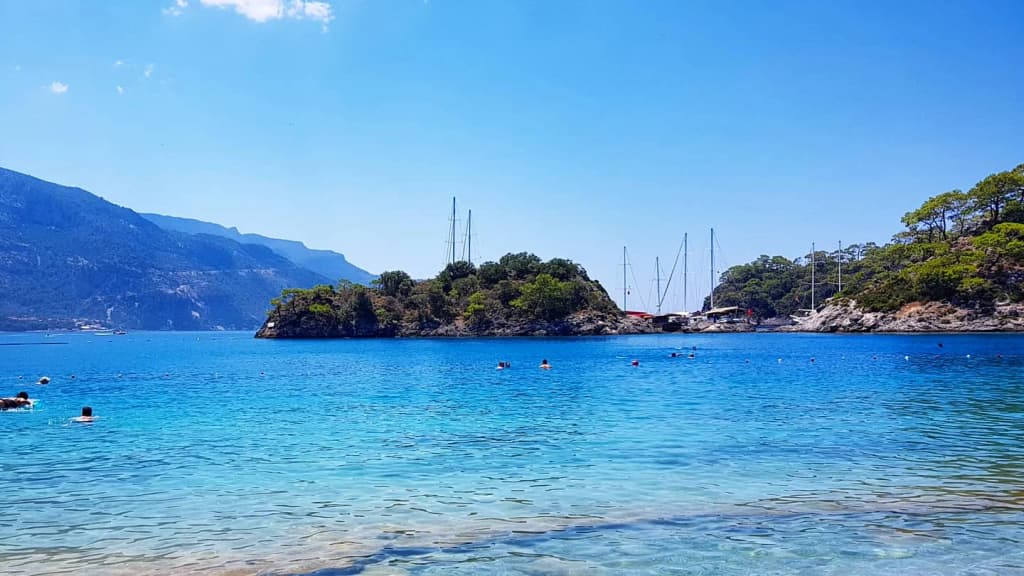
No trip to this coast is complete without surrendering to the rhythm of a boat. I book a spot on a "12 Islands" tour, a full day of doing absolutely nothing but moving between bays. We stop at Red Island, then Flat Island. The water color shifts from emerald to sapphire. I lunch on the boat—fresh fish and salad—while the captain navigates toward Rabbit Island.
I end the journey in Göcek. This is the sophisticated cousin of Fethiye, a marina town where superyachts bob in the harbor and the promenade is lined with polished cafes. I sit down for a late lunch of menemen, a scramble of eggs, peppers, tomatoes, and mushrooms.
The server brings the inevitable tulip-shaped glass of tea. It is hot, sweet, and essential. It marks the end of every meal and the beginning of every conversation here. I watch the sun dip low over the masts of the sailboats. Fethiye has been a surprise. It is not just a beach town; it is a place where the mountains hold secrets and the sea holds history, all waiting for anyone willing to look a little closer.
More Photos
More Adventures
 $150 - $350/day 3-4 days
 Trancoso Travel Guide: 3-Day Itinerary & Budget Breakdown
Plan a practical 3-day trip to Trancoso, Brazil. Discover the best beaches, UTV tours to Praia do Espelho, and exact costs to optimize your travel budget.
 $100 - $350/day 5-7 days
 Ditch Your Shoes: The Ultimate Jericoacoara Adventure Guide
Skip the tourist traps. Rent an ATV, dive into Buraco Azul, and taste the wild side of Jericoacoara. Your ultimate adventure guide to Brazil's sandy paradise.
 $70 - $150/day 4-7 days
 Chase the Sun: The July Secret of Pedra Furada
Skip the tourist traps. Hike Praia da Malhada to witness the rare July sunset alignment at Pedra Furada in Jericoacoara. An unforgettable Brazilian adventure.
 $150 - $300/day 1-2 days
 Conquer Epcot: The Ultimate High-Speed Global Gauntlet
Think Epcot is a slow stroll? Think again. It's a high-speed, globe-trotting gauntlet. Hack the rides, taste the world, and push your limits in Orlando.