
The Art of the Journey: Finding True Value in Global Travel
Discover how to navigate global travel economies, from the affordable charm of Lisbon to the culinary riches of Peru, without sacrificing cultural immersion.
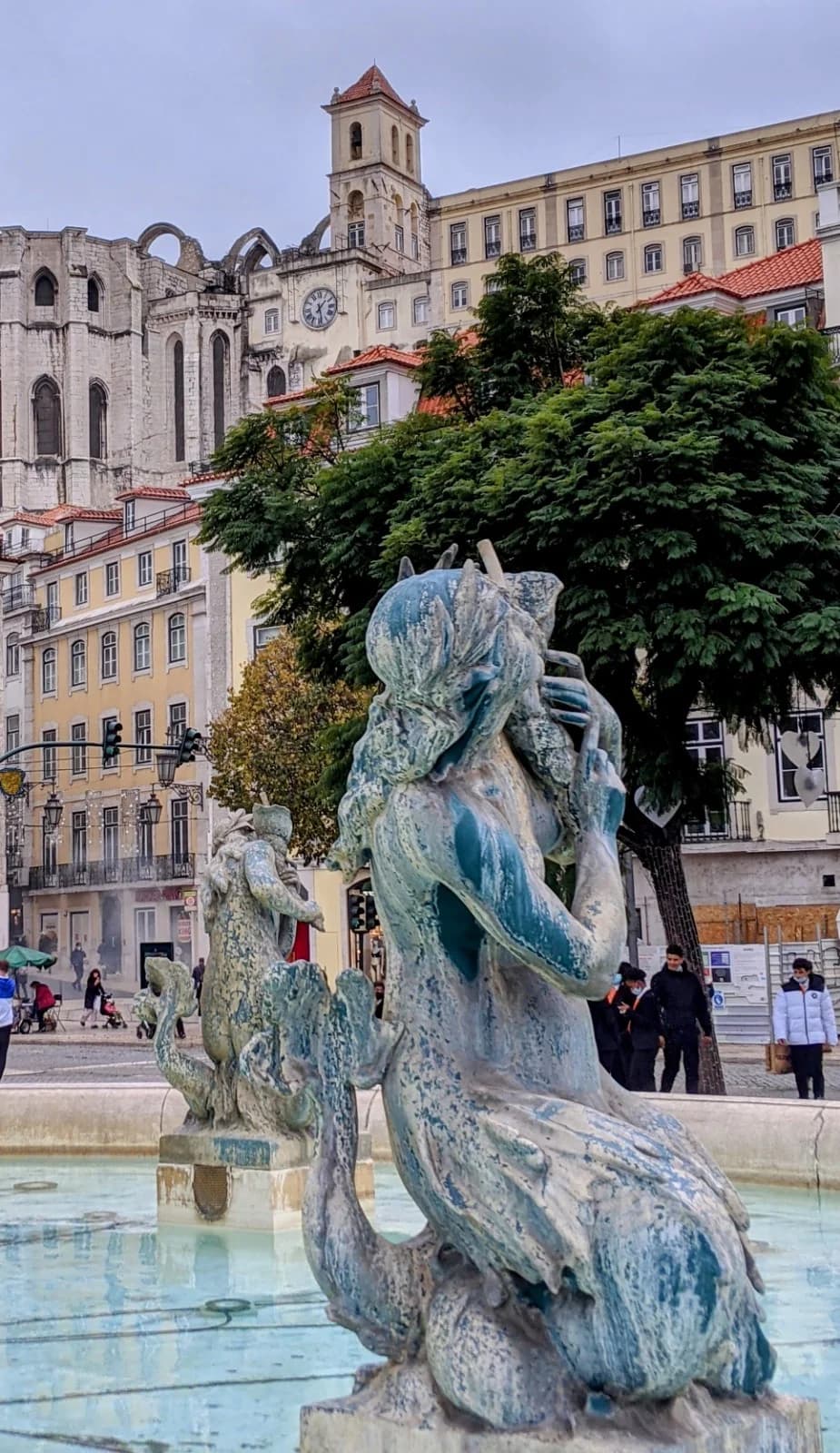
The smell hits you first. Cinnamon dancing with warm custard and the sharp, dark bite of freshly pulled espresso. The barista behind the worn wooden counter doesn't look up as he slides a small white saucer toward me, the porcelain clinking against the marble. Outside, the yellow trams of Lisbon rattle up the steep cobblestone hills, a mechanical heartbeat that gives this city its rhythm.
"You're counting your coins," he says, a wry smile finally breaking through his thick, salt-and-pepper mustache.
"Just trying to see how far they'll go," I admit, sliding the heavy European change across the counter.
He laughs, a deep, rumbling sound that seems to come from his boots. "In Lisbon, my friend, they go further than you think. But you must know where to walk."
He is right, of course. Portugal remains the most welcoming gateway into the old continent. A ten-day journey here feels infinitely more manageable than the steep alpine passes of Switzerland, where you might easily spend three times as much just to breathe the pristine mountain air. In Lisbon, the true luxuries—the golden afternoon light bouncing off tiled facades, the melancholic strum of a Fado guitar drifting from an open window, the sweet crunch of a pastel de nata—cost absolutely nothing. You learn quickly that value is not about deprivation; it is about finding places where the everyday culture is naturally rich.
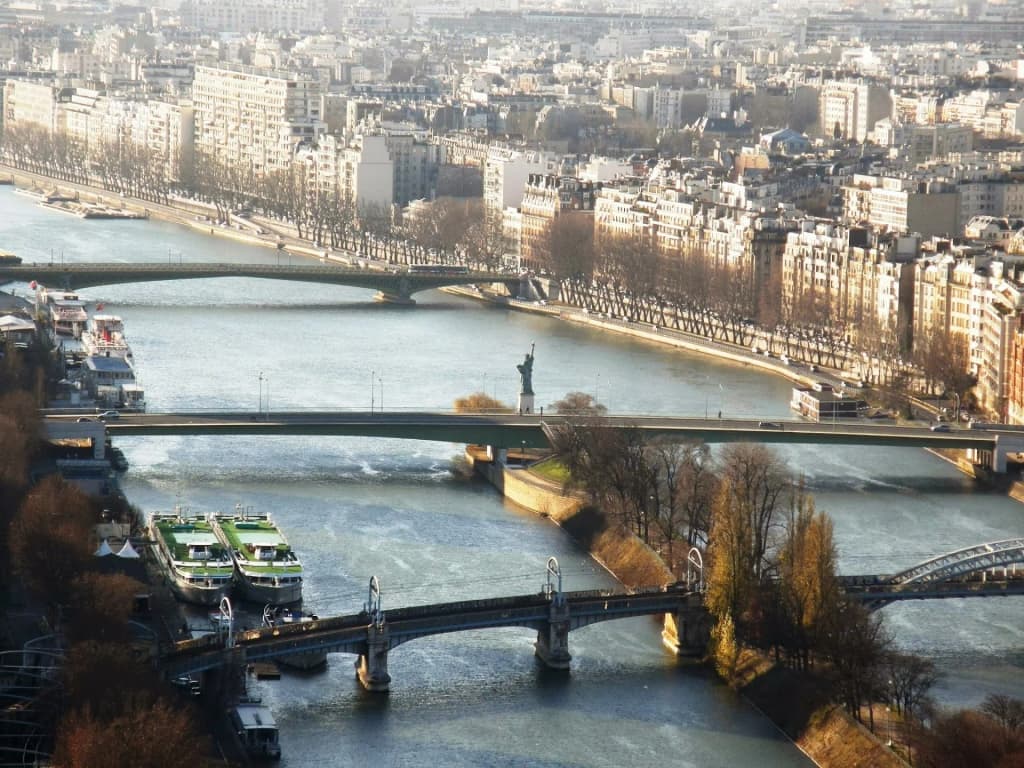
The rhythm of Europe changes as you cross its invisible borders, demanding a different kind of traveler in each country. In Paris, I arrive just as they are unlocking the heavy wooden doors of the Louvre—nine in the morning sharp, before the crowds swell and the noise rises. The entrance fee feels like a mere token once you are wandering those cavernous, art-lined halls, your footsteps echoing against centuries of history. The secret to Paris, I have found, isn't in aggressively avoiding costs, but in embracing the streets. You can walk for hours along the Seine, a fresh baguette tearing perfectly in your hands, letting the city itself be your itinerary. The cool morning mist coming off the river is free, and it is entirely yours.
Contrast this with Italy, where the sheer volume of beauty demands constant movement. You find yourself spending on train tickets to chase the ghosts of the Roman Empire, watching the silver-green olive groves blur past the window on your way to Florence. A ten-day Italian immersion requires a bit more padding in your wallet for those high-speed transfers and Vatican tickets, but the taste of real carbonara eaten on a narrow, shadowed side street makes every cent feel entirely justified. The rich, peppery bite of the guanciale and the sharp tang of pecorino romano remind you why you saved up for this trip in the first place.
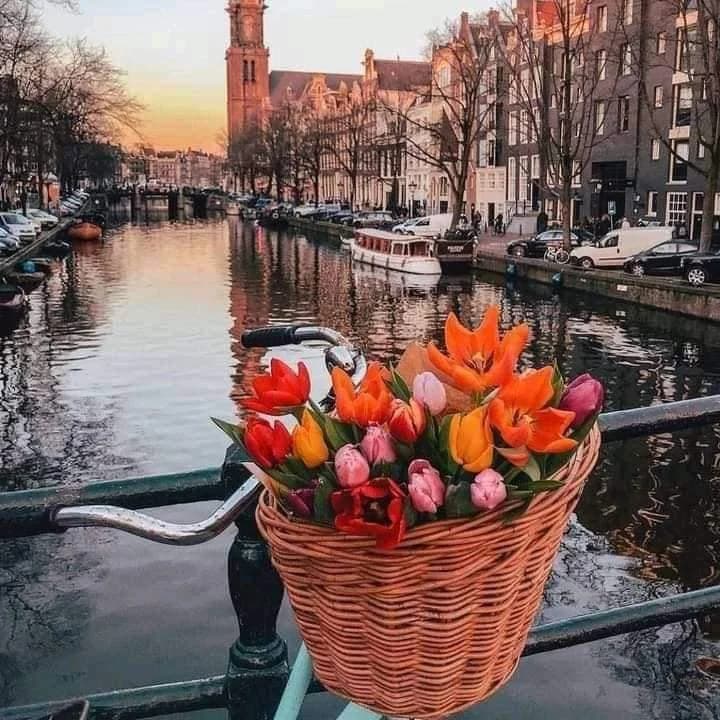
Then there is Amsterdam. The bicycles rattle over the canal bridges, a constant metallic hum that becomes the defining soundtrack of the city. The hotels here demand a premium, much like the towering high-rises of New York, but the flights across the Atlantic are often surprisingly accessible. You balance the scales by spending your days outside, pedaling through Vondelpark with the crisp, damp wind in your hair, spending nothing at all to witness the city's watery grace. You stop at a street cart for a warm stroopwafel, the caramel melting against your tongue, and realize that the best of Amsterdam happens outdoors. There is a temptation to chase the ultra-cheap, exotic destinations—places where a bowl of noodles costs pennies—but the brutal, twenty-hour flights and logistical hurdles demand a different kind of currency: your time and your energy.
Across the ocean, the neon pulse of the American desert tells a surprisingly different story. The dry, oven-like heat of Nevada wraps around you the moment you step onto the Las Vegas Strip. It feels like a place meticulously designed to empty your pockets, yet if you look closely, the sheer volume of sprawling hotel-casinos creates a fierce competition that drives room prices into the ground. You can sleep in a massive, air-conditioned suite for a fraction of what a cramped room in Miami would demand. The theme parks in Orlando now require a small fortune just to walk through the gates, but in Vegas, the spectacle of the dancing fountains and the illuminated, chaotic streets is entirely free. You just have to resist the siren song of the slot machines and enjoy the surreal, electric atmosphere of a city built on illusion.
But if you want to understand true value, you must fly south. The air in Lima is thick with the scent of lime, cilantro, and fresh ocean spray crashing against the coastal cliffs. This is the culinary heartbeat of South America. You can sit at a modest plastic table in a bustling local market, the sound of rapid-fire Spanish echoing off the concrete walls, and taste ceviche so bright, cold, and perfectly balanced it rivals the Michelin-starred dining rooms of Europe. The crunch of red onion and the slow burn of aji pepper linger on your palate. Peru asks for very little of your money but gives you the world in return. A week here, splitting your time between the gray skies of Lima and the high-altitude, cobblestone magic of Cusco, costs a fraction of a European getaway. Even when you factor in the majestic, winding train ride up into the clouds to reach Machu Picchu, the math feels almost impossibly in your favor.
Further south, the wide, elegant avenues of Buenos Aires offer a different kind of romance. The melancholy, breathy notes of a bandoneon drift from an open doorway in San Telmo. The steaks are thick and charred perfectly on the edges, the dark purple Malbec flows like water, and the cost of a week of absolute indulgence here feels like a well-kept secret. You wander through the antique markets, your fingers brushing against old leather and polished silver, feeling a profound sense of distance from the frantic rush of the modern world. The heavy scent of woodsmoke from the neighborhood parrillas fills the evening air, a constant promise of a good meal to come.
The sun dips low over the horizon, casting long, golden shadows across the plaza. I swirl the last sip of wine in my glass, watching the locals gather on the stone steps to catch the evening breeze. Travel is rarely about finding the absolute cheapest bed or fighting for the lowest airfare. It is about the exchange of currency for memory, of time for transformation. Whether you are navigating the intricate canals of Amsterdam, walking the ancient stones of Rome, or sharing a quiet moment over a plate of empanadas in Argentina, the true cost of a journey is measured only in how deeply you allow the place to change you. You pack your bags, you count your budget, and then, finally, you surrender to the road.
More Photos
More Adventures
 $150 - $400/day 5-7 days
 Punta Cana Budget & Resort Guide: A Data-Driven Itinerary
Plan your Punta Cana trip with exact costs, all-inclusive resort comparisons, high-ROI excursion prices, and a breakdown of local tipping etiquette.
 $150 - $350/day 1 days
 Conquer Disneyland Paris: 2 Parks in 1 Brutal Day
Think you can't conquer both Disneyland Paris parks in a single day? Think again. Here is the ruthless, high-energy strategy to dominate every major ride.
 $120 - $350/day 2-3 days
 Disneyland Paris Strategy: Ride Hacks & Coaster Secrets
Think you know Disney? Think again. Discover the underground secrets, massive coasters, and insider hacks to conquer Disneyland Paris like a pro.
 $33 - $50/day 14-60 days
 The Raw Truth About Budgeting for Bali
Think Bali is too expensive? Think again. Get the raw, unfiltered truth about backpacking Indonesia on a $33 daily budget. Pack your bags and ride.