
Istanbul’s Spell: Mosques, Markets & Midnight Tea
Wander Istanbul’s rain-slicked streets, from the Blue Mosque to the Grand Bazaar, tasting Turkish delights and sailing the Bosphorus. The city’s magic lingers.
The rain is relentless, drumming against the window of my Four Seasons room, blurring the domes and minarets of Sultanahmet into a watercolor of gray and gold. I press my forehead to the glass, watching the city wake beneath a sky the color of old pewter. Down on the street, umbrellas bloom like tulips—red, blue, yellow—dodging puddles, weaving between stray cats and the scent of roasting chestnuts. Istanbul, even in the wet, is a city that hums with promise.
The first Turkish coffee of my life is thick and dark, served in a cup no bigger than a child’s fist. The grounds settle at the bottom, leaving a bitter, muddy residue on my tongue. Across the table, my friend grins. “You have to try the Turkish delight,” she insists, pushing a plate of jewel-toned cubes toward me. The pistachio is my favorite—chewy, fragrant, dusted with sugar. I ask the waiter, “What’s this one called?”
He smiles, proud. “Cazandibi. Made with chicken.”
I blink. “Chicken?”
He laughs. “Yes, but you won’t taste it. It’s tradition.”
I taste it anyway—sweet, creamy, with a hint of something savory lurking beneath the cinnamon and milk. Istanbul is always more than it seems.
The Grand Bazaar is a labyrinth of color and noise, 4,000 shops under a vaulted roof, the air thick with the scent of leather, incense, and strong tea. My guide, Şenol—whose name, he tells me, means ‘be happy’—leads me past stalls of fake designer bags and glittering lamps. “You must negotiate,” he says, winking. “Turks are born for it.”
I finger a silk scarf, hand-painted in swirling blues and golds. The shopkeeper, Murat, wraps it around my shoulders. “All silk, old technique. You look Turkish now.”
I laugh, and he beams. “Murat means ‘desired’ in Turkish. My mother chose well.”
Outside, the rain has eased. Cats slink between the legs of tourists, pausing to be petted, their green eyes ancient and knowing. In Istanbul, cats are everywhere—guardians of the old stones, beloved by sultans and street vendors alike.
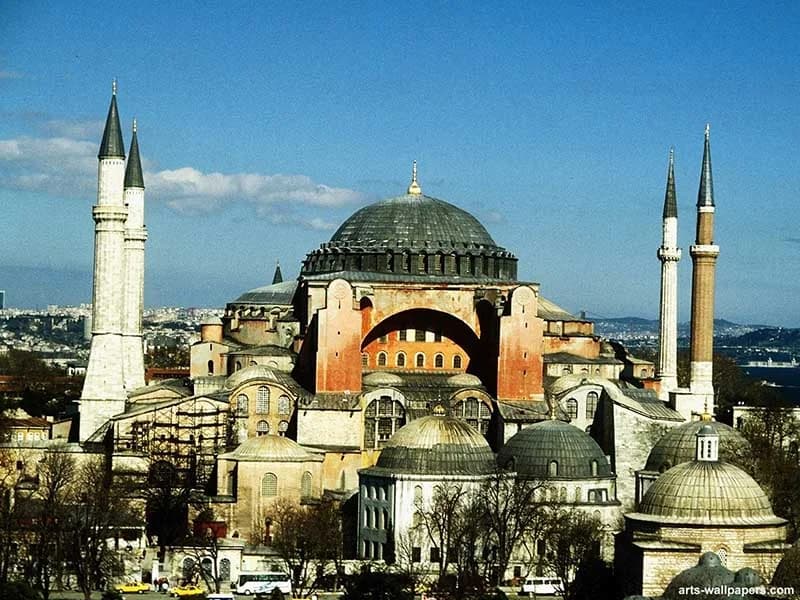
The Blue Mosque and Hagia Sophia face each other across a square slick with rain, their domes and minarets locked in silent conversation. I slip off my shoes, wrap a scarf over my hair, and step inside the Blue Mosque. The hush is immediate, broken only by the shuffle of feet and the distant call to prayer. Over 20,000 hand-painted tiles bloom across the walls—cobalt, turquoise, the color of the Bosphorus at dawn. Four colossal columns anchor the space, each one wide enough to swallow me whole.
A woman in a long coat catches my eye. “You’re not from here,” she says, her voice soft.
“No,” I admit. “But I wish I was.”
She smiles, pressing her palm to her heart. “Then stay longer.”
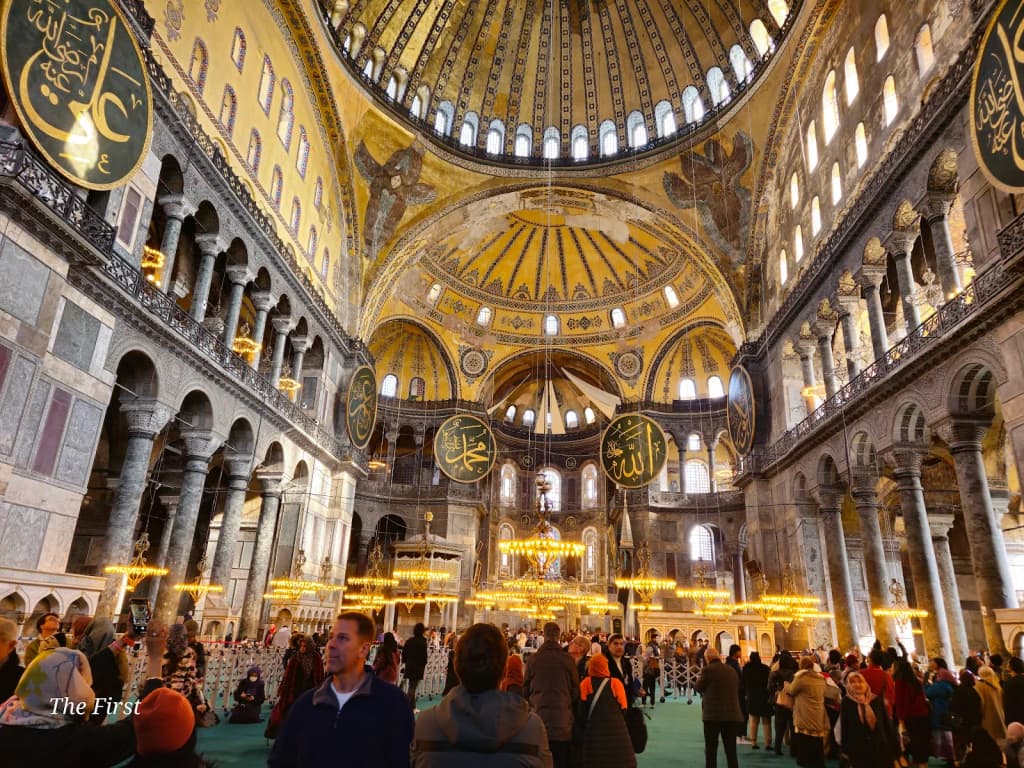
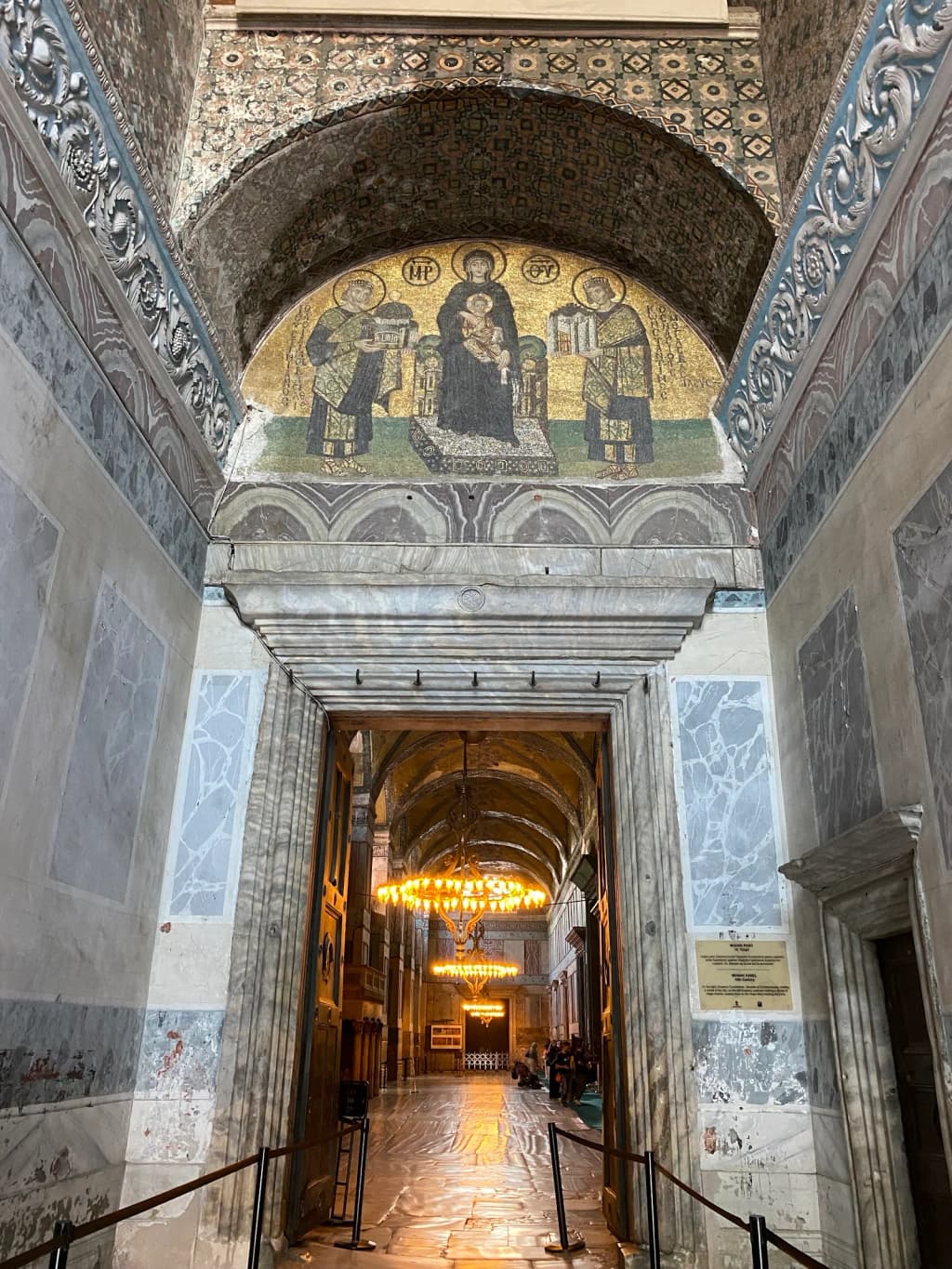
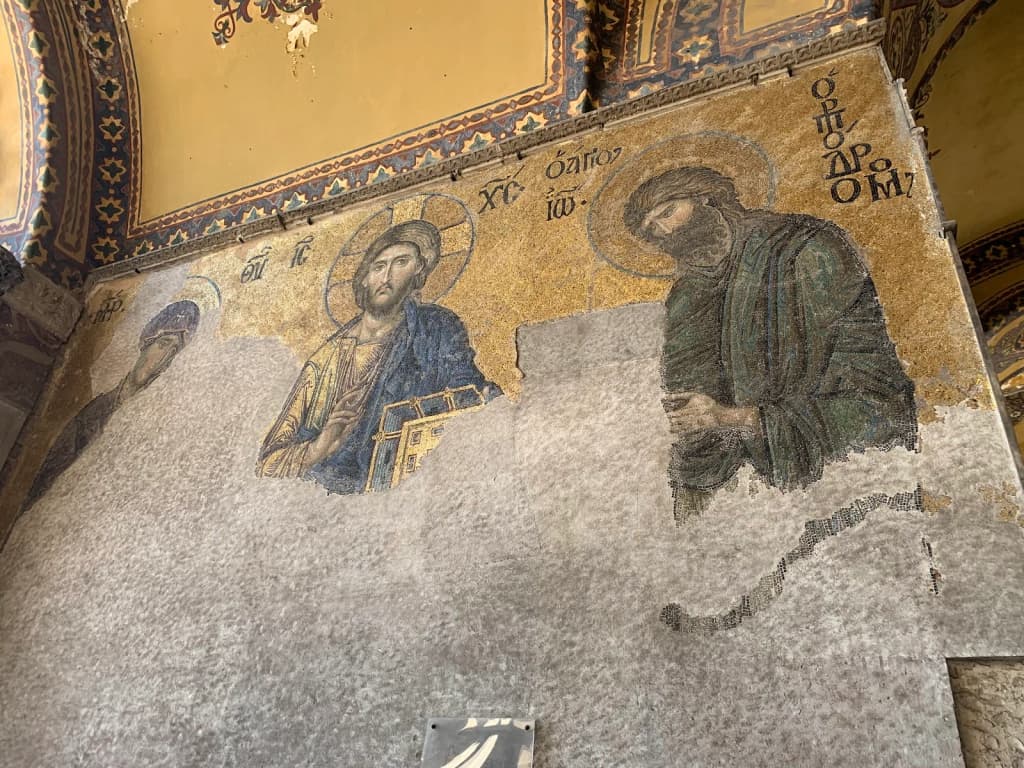
Hagia Sophia is older, grander, haunted by centuries. Once a church, then a mosque, now both and neither. Light pours through high windows, illuminating faded mosaics—Mary, Christ, angels—half-lost beneath Arabic calligraphy. The air smells of stone and candle wax. I run my fingers along a marble column, cool and pitted with age. For a thousand years, this was the largest church in the world. Now, it is simply Istanbul’s beating heart.
Lunch is doner kebab, eaten standing at a counter in the bazaar. The bread is warm, the lamb rich with spices, juices running down my wrist. My friend raises a bottle of Turkish Coca-Cola. “To Istanbul!”
“To Istanbul,” I echo, and the fizz stings my nose.
Later, we duck into the Basilica Cistern, where 336 marble columns rise from black water, their reflections flickering in the shifting light. The air is cool, damp, echoing with the drip of ancient water. Somewhere, a cat prowls the shadows. I half expect James Bond to emerge from behind a pillar.
The Bosphorus cruise begins at the Four Seasons on the water’s edge. The boat rocks gently as we slip beneath the great bridge, Europe on one side, Asia on the other. The wind tastes of salt and diesel, the city unfolding in layers—palaces, wooden mansions, the distant spires of mosques. Our guide points to a villa. “That one? Twenty million dollars, at least.”
I laugh. “I’ll take two.”
He grins. “You and every sultan.”
We dock near the Spice Bazaar, where the air is thick with cumin, rose, and honey. I taste Turkish delight studded with pistachios, inhale the sharp perfume of jasmine tea. The shopkeeper, speaking a cheerful Portuñol, offers me a box. “For you, special price!”
I shake my head, laughing. “You say that to everyone.”
He winks. “But today, I mean it.”
Evenings in Istanbul are for wandering. The streets of Pera glow with the light of old gas lamps, the air alive with music and the clatter of cutlery. At the Pera Palace, I sip tea beneath a crystal chandelier, the notes of a piano drifting through the lobby. Agatha Christie wrote here, they say, conjuring murder and mystery as the Orient Express idled outside. I close my eyes and imagine the city as she saw it—full of secrets, always on the edge of something extraordinary.
On my last morning, the sun finally breaks through. I climb the narrow stairs of Galata Tower, heart pounding, and step out onto the terrace. Istanbul sprawls below—rooftops, domes, the silver thread of the Bosphorus. The city is vast, unknowable, but from up here, it feels almost within reach.
A man beside me leans on the railing. “First time?”
“Yes,” I say, breathless.
He nods, smiling. “It never gets old.”
I linger, letting the wind tangle my hair, the city’s call to prayer rising and falling like a lullaby. Istanbul is a city of thresholds—between continents, between faiths, between past and present. I leave with pockets full of pistachios, a scarf that smells of rain, and the certainty that I will return.
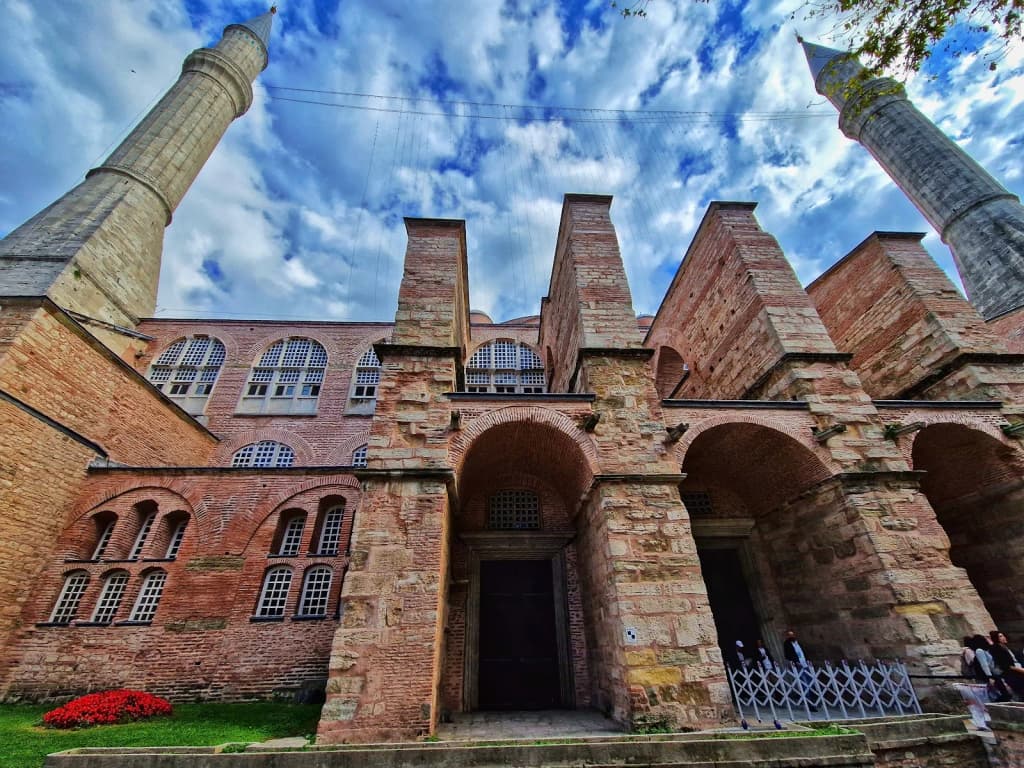
The city lingers on my tongue—rosewater, coffee, salt. Istanbul, impossible to hold, impossible to forget.
More Adventures
 $150 - $300/day 1-2 days
 Conquer Epcot: The Ultimate High-Speed Global Gauntlet
Think Epcot is a slow stroll? Think again. It's a high-speed, globe-trotting gauntlet. Hack the rides, taste the world, and push your limits in Orlando.
 $100 - $300/day 1-3 days
 Escape the Airport: Conquer Your Luanda Layover
Think a layover in Luanda means killing time at the airport? Think again. Discover the fortress, island sunsets, and the ultimate Angolan adventure.
 $120 - $350/day 2-3 days
 Disneyland Paris Strategy: Ride Hacks & Coaster Secrets
Think you know Disney? Think again. Discover the underground secrets, massive coasters, and insider hacks to conquer Disneyland Paris like a pro.
 $200 - $450/day 1-2 days
 Chasing the Magic: An Immersive Day Inside the Kingdom
Experience the sensory overload and quiet corners of Magic Kingdom, from sunrise coaster rides to peaceful escapes across the Seven Seas Lagoon.