
Lima Fruit Markets: A Practical Guide to Exotic Produce
Maximize your budget at Lima fruit markets. Get exact prices, a step-by-step shopping strategy, and a list of exotic Peruvian fruits to try.
Everyone talks about Lima's high-end dining scene, but swapping one restaurant breakfast for a morning at the local fruit market will save you money and introduce you to flavors you cannot find anywhere else. In this guide, I will break down exactly where to go, what to buy, and how to navigate Lima's produce stalls methodically to maximize your travel budget.
Quick Facts: Lima Fruit Markets
- Best Time to Visit: 8:00 AM to 10:00 AM (optimal freshness, manageable crowds)
- Budget Range: $5 to $10 USD (secures 3-4 days of produce)
- Duration Needed: 1.5 to 2 hours
- Currency Required: Peruvian Soles in small denominations (1, 2, and 5 Sol coins)
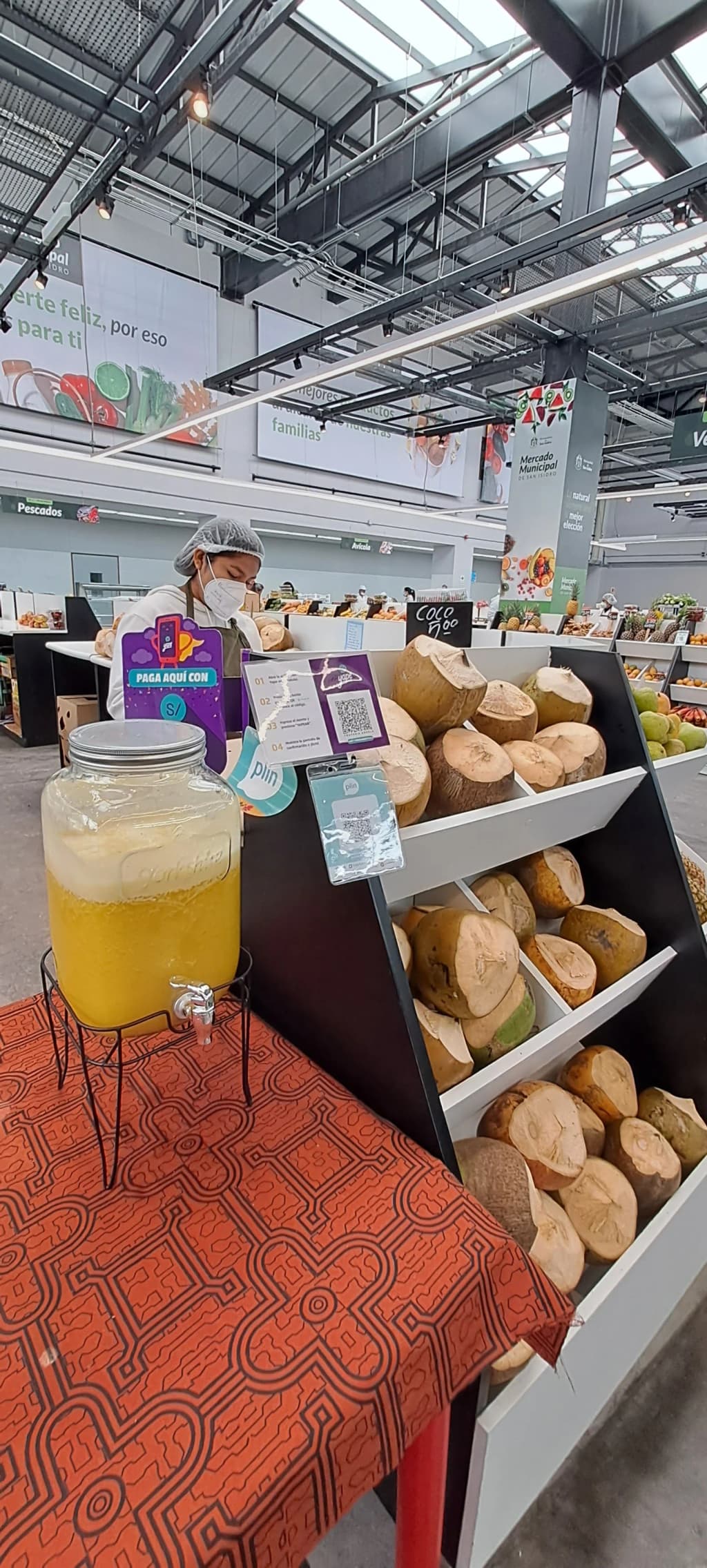
The Economics of Peruvian Produce
Let's look at the numbers, because the budget optimization here is significant. Peru is currently the world's largest producer and exporter of blueberries, which creates a massive pricing advantage for local shoppers.
- United States: $4.00 to $5.00 USD per standard punnet
- Brazil: 15 to 18 BRL ($3.00 to $3.60 USD) per punnet
- Lima Local Market: 4 Peruvian Soles ($1.10 USD) per punnet
That is a 70% to 75% discount for export-quality produce. By redirecting a fraction of your grocery budget to these local hubs, you stretch your travel dollar while directly supporting regional agriculture.
Pro Tip: Look for vendors selling "arándanos" (blueberries) in small clear plastic boxes stacked near the market entrances. Prices are typically fixed at 4 Soles, eliminating the need to haggle.
Market Comparison: Where to Shop
Lima's urban sprawl means market accessibility varies heavily based on your accommodation. Here is a breakdown of the top three central markets to help you optimize your transit time and budget:
Market Name Price Level Transit Time (from Miraflores) Best For Mercado Surquillo No. 1 $$ 10-15 min walk First-timers & convenience Municipal Market San Isidro $$$ 15 min taxi ($4 USD) Cleaner, structured shopping Mercado Central (Downtown) $ 35 min taxi ($8 USD) Maximum savings & varietyIf you prefer an organized environment, start with the Municipal Market of San Isidro. If you want the absolute lowest prices and are comfortable navigating heavy foot traffic, Mercado Central is your optimal target.
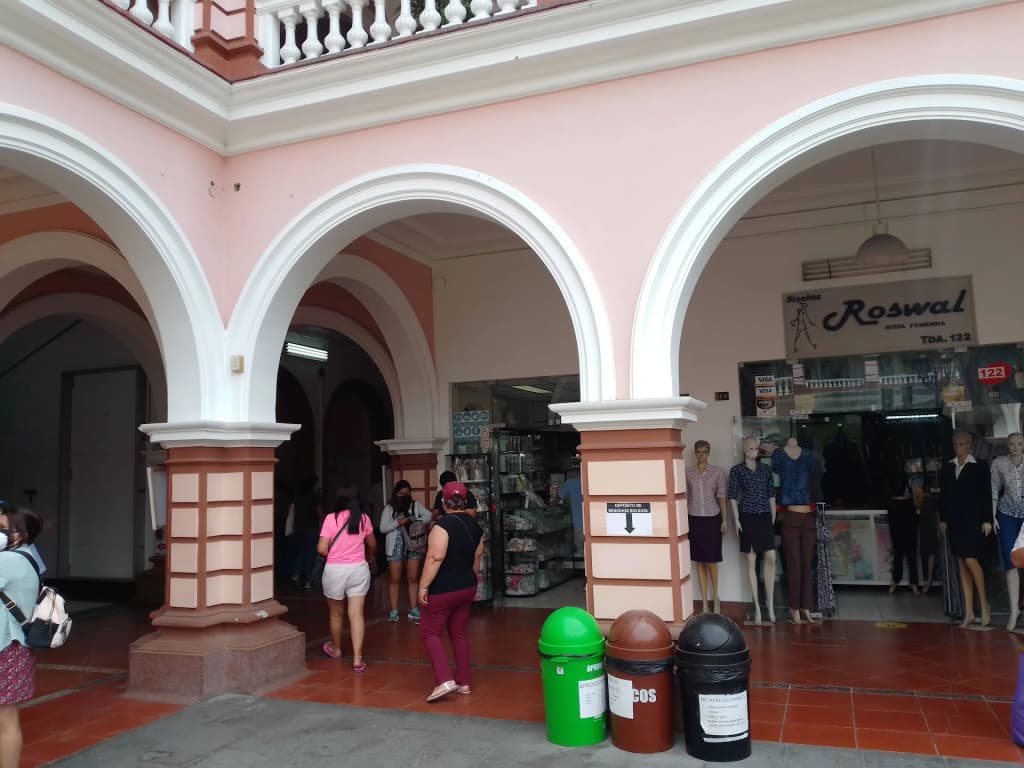
Budget Breakdown: A $10 Market Haul
To prove exactly how far your money goes, here is a realistic breakdown of what a $10 USD (approximately 37 Soles) investment yields at Mercado Surquillo:
Item Quantity Cost in Soles Cost in USD Blueberries (Arándanos) 2 punnets 8.00 $2.20 Chirimoya 1 large (approx. 800g) 6.50 $1.75 Granadilla 5 units 5.00 $1.35 Aguaymanto 1 basket 5.00 $1.35 Lúcuma 2 medium units 4.50 $1.20 Bananas (Seda) 1 bunch (6 units) 3.00 $0.80 Bottled Water (for washing) 2 liters 3.00 $0.80 Total Massive Haul 35.00 Soles $9.45 USDThis single $9.45 USD purchase provides enough fresh, high-quality fruit to serve as breakfast and daily snacks for two adults over three full days.
The Ultimate Peruvian Fruit Hit List
Beyond the highly discounted blueberries, Peru offers a massive variety of endemic fruits. Here is your exact shopping list, complete with estimated costs to ensure you pay the local rate:
- Lúcuma: Resembles a green avocado but tastes like a blend of maple syrup and sweet potato. Cost: ~6 Soles ($1.60 USD) per kilo.
- Chirimoya (Custard Apple): Features a flavor profile mixing banana, pineapple, and strawberry. Cost: ~8 Soles ($2.15 USD) per kilo.
- Aguaymanto (Golden Berries): Small, bright orange berries wrapped in a papery husk. Highly acidic and packed with Vitamin C. Cost: ~5 Soles ($1.35 USD) per basket.
- Granadilla: A sweeter, less acidic relative of the passionfruit. Crack the hard shell and consume the seeds directly. Cost: ~7 Soles ($1.90 USD) per kilo.
Step-by-Step Market Strategy
To execute a highly efficient market run, follow this methodical sequence:
- Arrive by 8:30 AM: Stalls are fully stocked, and vendors are active before the midday heat sets in.
- Execute a Reconnaissance Lap: Do not purchase from the first stall. Walk the entire fruit section once to identify the freshest produce and locate where locals are queuing.
- Break Large Bills in Advance: Vendors struggle to break 50 or 100 Soles notes for a 4 Soles purchase. Stop at a pharmacy beforehand to secure 10 and 20 Soles notes, plus 1, 2, and 5 Sol coins.
- Deploy Reusable Bags: Pack a sturdy canvas tote to protect delicate items like chirimoyas from bruising during your transit back to your accommodation.
Food Safety & Prep Protocol
Once you secure your produce, proper handling is critical to avoid foodborne illness. Follow this simple protocol:
- Wash thoroughly: Soak fruits with edible skins (like blueberries and aguaymanto) in a mixture of bottled water and a drop of iodine or specialized produce wash for 5 minutes.
- Dry completely: Pat dry with clean paper towels before storing in the refrigerator to prevent mold growth.
- Prioritize thick skins: Fruits like granadilla, bananas, and chirimoya are inherently safer because you discard the outer layer.
Common Mistakes to Avoid
Even experienced budget travelers make systematic errors in local markets. Mitigate your risk with these rules:
⚠️ Watch Out: Never buy pre-cut fruit sitting on ice or in plastic cups. You cannot verify if the knife or the water used to wash it was filtered. Stick to whole fruits.
- Flashing valuables: Markets are high-density environments where pickpockets operate. Keep your smartphone in a zipped front pocket and only extract the exact cash required for your transaction.
- Aggressive handling: Vendors take pride in their inventory. Instead of squeezing a chirimoya to test for ripeness, ask the vendor directly: "¿Está madura?" (Is it ripe?).
- Sunday afternoon visits: Many stalls close early on Sundays. Arriving after 1:00 PM guarantees you will only find picked-over, bruised inventory.
Practical Next Steps
To integrate this into your Lima itinerary, block out two hours on your second morning. Grab your canvas tote, secure $10 USD worth of small Soles, and route your map to Mercado Surquillo or San Isidro. Bring your purchases back to your rental and assemble a world-class tasting menu for a fraction of a restaurant bill. Methodical planning yields the best travel experiences, and in Lima, the return on investment is immediate.
More Photos
More Adventures
 $150 - $400/day 5-7 days
 Punta Cana Budget & Resort Guide: A Data-Driven Itinerary
Plan your Punta Cana trip with exact costs, all-inclusive resort comparisons, high-ROI excursion prices, and a breakdown of local tipping etiquette.
 $50 - $150/day 5-7 days
 Punta Cana Budget Guide: Avoiding Fees & Tipping Properly
Master your Punta Cana budget with this methodical guide. Learn how to avoid 5% exchange fees, exact tipping amounts, and the smartest way to bring cash.
 $1310 - $1520/day 7 days
 Punta Cana Trip Cost: A 7-Day Budget Breakdown
Discover exactly how much a 7-day trip to Punta Cana costs. We compare all-inclusive resorts versus DIY travel with a dollar-by-dollar breakdown.
 $200 - $500/day 2-3 days
 Conquer Disneyland California: The Ultimate 2-Park Guide
Think Disneyland is just a walk in the park? Think again. Get the ultimate battle plan for dominating Disneyland and California Adventure. Skip the lines.