Elevated Altitude: A Discerning Guide to Cusco & the Sacred Valley
Discover a refined guide to Cusco and the Sacred Valley, featuring thoughtfully appointed luxury hotels, high-altitude dining, and the Hiram Bingham train.
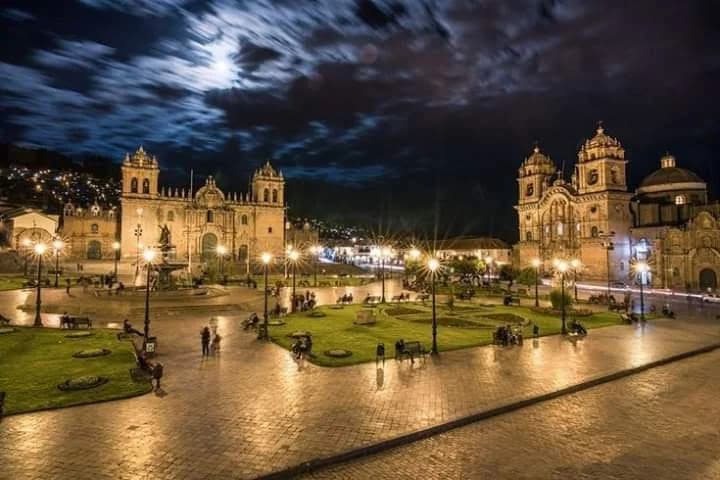
There is a specific quality to the light at 11,000 feet. It strikes the terracotta rooftops and ancient cobblestones of Cusco with a clarity that feels almost cinematic. Stepping off the plane, the thin air immediately demands respect, often softened by a welcoming cup of coca tea—a ritual that grounds you in the local rhythm. The discerning traveler will appreciate that this is a destination demanding both physical adaptation and intellectual curiosity. Here, original Incan stonework—cut with such precision that not a single blade of grass can slip between the stones—serves as the foundation for ornate colonial cathedrals, creating an architectural dialogue that has endured for centuries. Far from the crowded backpacker trails, there exists a refined, deeply curated side of the Andes. It is a world of exceptional textiles, high-altitude gastronomy, and sanctuaries that honor their historic roots while providing uncompromising comfort.
A Room with a Point of View
When selecting a base in the Andes, one must consider both atmosphere and oxygen. The altitude is undeniable, making your choice of sanctuary paramount.
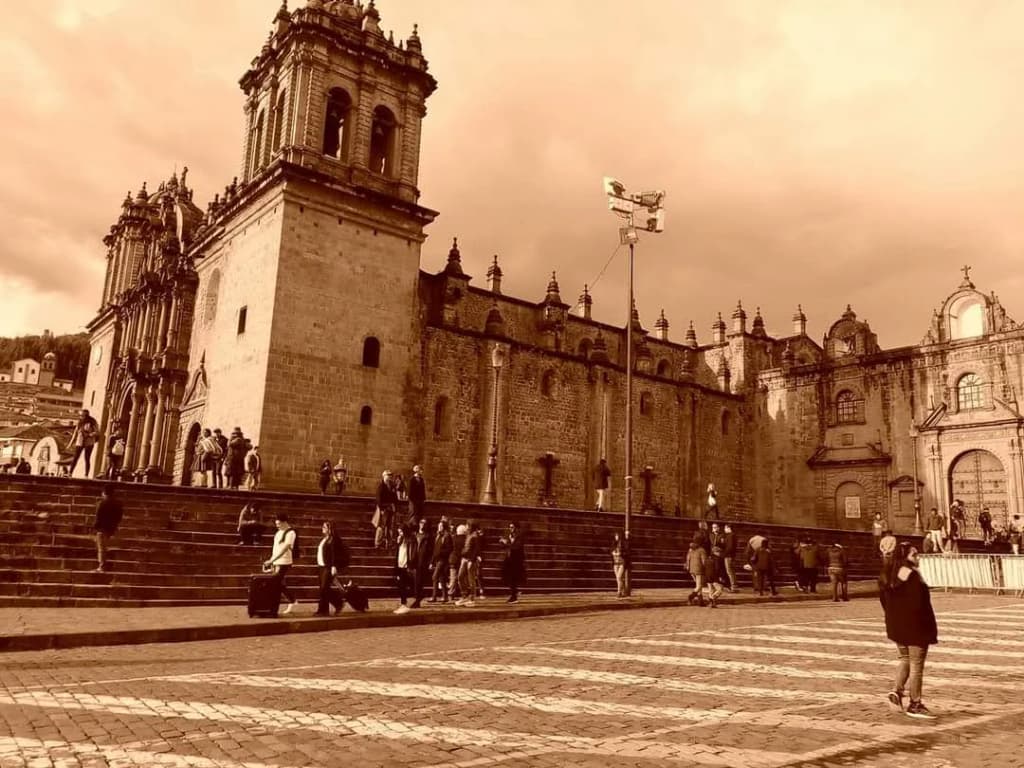
Monasterio, A Belmond Hotel (Cusco) The architects spent years restoring this 1592 former seminary, preserving the original stone arches and a museum-worthy collection of 18th-century colonial art, while seamlessly integrating modern comforts. Built around a tranquil central courtyard anchored by a 300-year-old cedar tree, it offers an intimate escape from the kinetic energy of the Plaza de Armas just steps away. Worth noting for the aesthetically inclined: the juxtaposition of heavy, carved wooden doors against the delicate, manicured gardens is a masterclass in colonial design. At $600 per night, it's an investment—but one that includes oxygen-enriched rooms to ensure restful sleep at altitude, impeccable service, and the kind of quiet that is increasingly rare in the city center. Waking up to the soft acoustics of the stone corridors is an experience that transcends standard luxury.
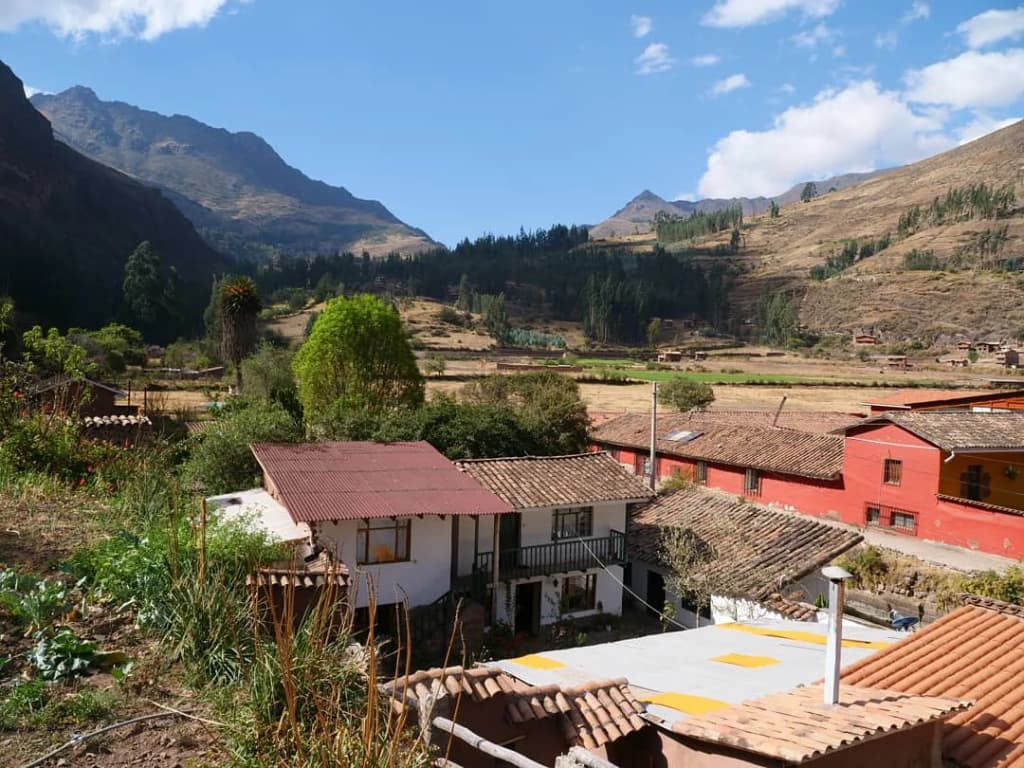
Inkaterra Hacienda Urubamba (Sacred Valley) For those seeking a deeper connection to the landscape, descending into the Sacred Valley is a necessity. This thoughtfully appointed hacienda sits on 100 acres surrounded by imposing green mountains. Rather than dominating the environment, the property embraces it. The standalone casitas feature exposed wooden beams, traditional woven textiles, and walls of glass that frame the valley like living art. It is an exceptional retreat that feels both expansive and profoundly private. The earth-to-table concept here extends beyond the dining room; the very architecture seems to rise organically from the fertile Andean soil. In the twilight hours, as the valley cools and the sky reveals a canopy of stars untouched by city lights, the true value of this isolation becomes profoundly clear.
Tables Worth Remembering
Peruvian cuisine has rightfully captured global attention, but experiencing it at its source—utilizing ingredients grown at staggering elevations—is an entirely different proposition.
MIL Located an hour outside Cusco, sitting directly above the circular Incan agricultural terraces of Moray, Virgilio Martínez's MIL is less a restaurant and more an anthropological expedition. What sets this apart is the total commitment to high-altitude ecosystems. The eight-course tasting menu utilizes only ingredients sourced from elevations above 11,500 feet. You will taste tubers you never knew existed, paired with botanical infusions forged from the surrounding hillsides, and meats traditionally baked in Andean clay. It is an exceptional culinary narrative that merits attention from any serious epicurean. The dining room itself is minimalist, ensuring your focus remains entirely on the plate and the sweeping views of the ruins outside.
MAP Café Situated within the courtyard of the Pre-Columbian Art Museum in Cusco, MAP Café operates out of a sleek, modernist glass box. The contrast between the ancient artifacts housed in the surrounding colonial building and the contemporary, sophisticated plating on your table is thrilling. The hot ceviche and the modern interpretation of traditional suckling pig are masterful. Dining here feels like an exclusive secret shared among those who understand that true luxury often lies in unexpected juxtapositions. Request a table near the glass perimeter to fully appreciate the dramatic lighting of the courtyard as evening falls.
The Art of Ascent
The journey to the Historic Sanctuary of Machu Picchu is often treated as a logistical hurdle. It shouldn't be.
The Belmond Hiram Bingham For those seeking an arrival worthy of the destination, this train is the only acceptable conveyance. Modeled after 1920s Pullman carriages, the interior is a study in polished wood, brass details, and plush upholstery. As the train winds its way alongside the roaring Urubamba River, transitioning from Andean highlands to lush cloud forest, you are served a multi-course gourmet lunch paired with excellent South American vintages. The bar car comes alive with local musicians and expertly shaken Pisco Sours, creating an atmosphere of refined revelry. The observation car at the rear offers an open-air balcony where you can feel the air thicken and warm as you descend into the jungle. It transforms a simple transit into an unforgettable prelude to the ruins themselves.
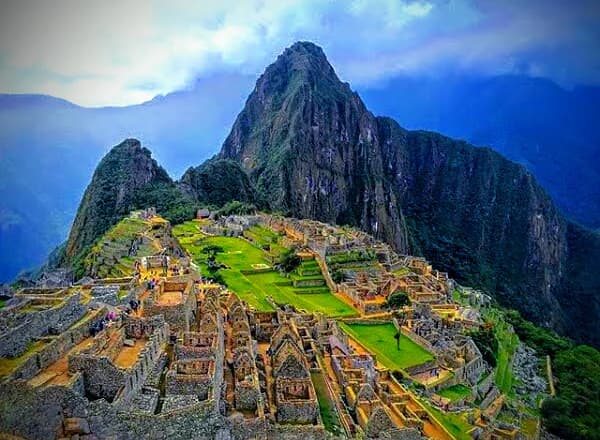
To stand before the ruins of Machu Picchu after such a considered, elegant journey is to experience the site as it should be experienced: not as a checked box on a tourist itinerary, but as a profound encounter with human ingenuity and natural majesty. It reminds us that the finest travel does not merely show us new landscapes; it elevates our understanding of what civilization can achieve when it works in harmony with the earth. In Cusco and the Sacred Valley, luxury is not found in ostentation, but in the meticulous preservation of heritage and the thoughtful curation of the present.
The Details
Reservations for MIL and the Hiram Bingham train are essential, preferably six months ahead. When booking the Belmond Monasterio, explicitly request an oxygen-enriched room; the slight premium is invaluable for your first two nights at altitude. The tasting menu at MIL ($300) tells the full story of the Andes, and arriving an hour early to tour the adjacent Moray ruins is highly recommended. Dress code across these establishments is elegant casual—think layers of fine alpaca or cashmere, as the Andean sun is intense but the shadows are immediately frigid.
More Photos