
How to Plan a Multi-Country Europe Trip: A Step-by-Step Guide
Master your multi-country Europe trip with this methodical planning guide. Learn to optimize your daily budget, navigate transit, and pack efficiently.
Planning a multi-country European trip can feel like assembling a 1,000-piece puzzle where the borders and transit rules keep shifting. I am here to walk you through exactly how to build a bulletproof itinerary, optimize your daily budget, and avoid the logistical traps that routinely cost unprepared travelers hundreds of dollars. Let's turn that overwhelming planning phase into a methodical, stress-free process.
Quick Facts for Your European Adventure
- Best Time to Visit: Autumn (September-November) or Spring (April-June) for mild weather and lower prices.
- Daily Budget: $150 - $350 USD per person/day (excluding long-haul flights).
- Recommended Duration: 14 to 28 days.
- Pacing: Allocate a minimum of 4 full days per major city.
Crafting a Realistic Itinerary
The single biggest mistake first-time travelers make is trying to cram 20 countries into a 30-day window. When you constantly move, you bleed money on transit and lose valuable vacation hours to hotel check-ins.
Embrace the "Less is More" rule. On a recent 22-day trip, limiting the itinerary to just 4 countries and 5 cities (Madrid, Barcelona, Paris, and London) proved to be the perfect balance.
- Define Your Anchor City: Pick your non-negotiable destination (e.g., Paris) and build outward.
- Check Flight Logistics: Look for affordable multi-city flights. Flying into Madrid and out of London often saves time and eliminates backtracking.
- Limit Day Trips: "Quick" day trips frequently involve 6:00 AM wake-ups and 3 hours of transit. Protect your energy and stick to your primary locations.

⚠️ Watch Out: Always pre-book major landmarks 2-3 weeks in advance. If you wait until you arrive to book the Sagrada Familia or the Louvre, you will find them completely sold out.
Mastering European Transit
Moving between countries requires a strategic mix of trains and budget airlines. Here is my hard-and-fast rule: If the train journey is under 5 hours, take the train. If it is over 5 hours, fly.
Trains are phenomenally convenient. You skip the 2-hour airport security lines, there are no liquid restrictions, and you arrive directly in the city center rather than 45 minutes outside of it.
However, you must book early. Waiting to book transit is a budget killer. A prime example: A train ticket from Paris to London can start at $140 USD if booked months in advance. Wait until the month of travel, and you might be forced to pay $470 USD for the exact same seat.
Train vs. Budget Airline
Feature Train Budget Airline Best For Distances under 5 hours Distances over 5 hours Luggage Usually included Strict limits, high fees Location City center to city center Often 30-60 mins outside city Check-in Arrive 20-30 mins early Arrive 2-3 hours earlyPro Tip: Avoid booking transit on Sundays. Weekend trains are historically more expensive and sell out much faster.
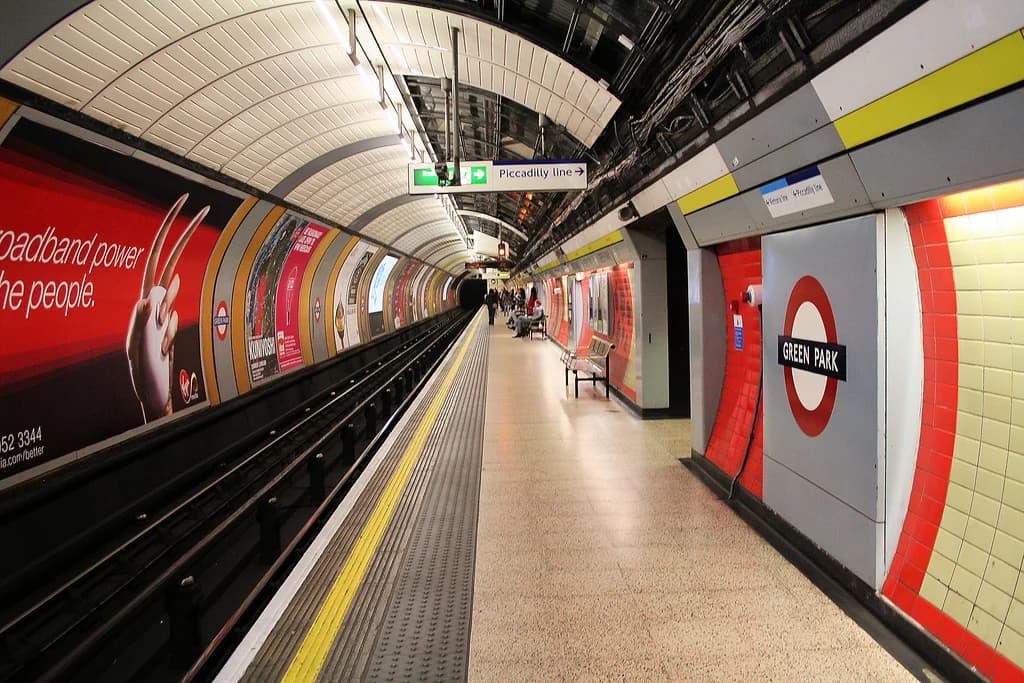
When it comes to local transit within a city, research the specific payment systems before you land. In London, you can simply tap your contactless credit card at the turnstile. In Paris, you may need to navigate the Navigo pass system. Knowing this in advance prevents frustrating delays at the station.
Navigating Borders & Requirements
European entry requirements have evolved significantly. Even if you hold a passport that allows visa-free entry for up to 90 days, you must meet strict criteria:
- The 3-Month Rule: Your passport must be valid for at least 3 months beyond your planned date of departure from the Schengen Area.
- Travel Insurance: You are required to have travel insurance with a minimum coverage of €30,000 for medical expenses. Never skip this.
- Digital Authorizations:
- ETA (UK): Mandatory electronic authorization for entering the UK. Apply via the app before you travel.
- EES (Entry/Exit System): The EU's new digital border system requires fingerprint and facial scans at kiosks upon arrival. Budget extra time for immigration queues during its rollout phase.
- ETIAS (EU): Slated for future rollout, this will be a mandatory pre-travel authorization for the Schengen Area.
The Carry-On Only Mandate
Traveling Europe with a massive checked suitcase is a rookie mistake. European infrastructure is highly historical, which means it is rarely accessible for heavy luggage.
You will encounter broken elevators, endless spiral staircases in the Paris Metro, and narrow cobblestone streets. Traveling with only a carry-on and a personal item forces you to pack smart and ensures you can physically manage your own luggage during transit.
- Footwear: Expect to walk 10+ km (6+ miles) per day. Bring two pairs of thoroughly broken-in shoes (one comfortable sneaker, one versatile boot). Leave the brand-new shoes at home.
- Family Travel: If traveling with a toddler, a lightweight, foldable travel stroller is non-negotiable. It acts as a mobile resting spot for them and saves your back.
Money & Connectivity Strategy
Do not rely on finding Wi-Fi at cafes. Purchase a regional eSIM (like Airalo's Europe + UK package) before you leave home. You can activate it the moment your plane lands, ensuring you immediately have access to maps, translation apps, and transit schedules.
For spending, ditch the currency exchange booths.
- Use global debit or travel cards (like Wise or Nomad) for 95% of your purchases to get the real mid-market exchange rate.
- Carry a small amount of cash (around €100-€200) for tiny bakeries or street vendors, but expect to use tap-to-pay almost everywhere—especially in London, which is virtually cashless.

Common Mistakes to Avoid
- Ignoring Jet Lag: A 5-hour time difference will hit you hard. Do not plan a heavy 12-hour sightseeing day for your first 48 hours. Let your body adjust.
- Cutting Airport Transfers Close: European airports can be chaotic, and local transit can experience sudden strikes or delays. Always aim to arrive at the airport 3 hours before your flight.
- Booking Hotels in the Suburbs: Saving $20 a night to stay on the outskirts of Madrid or Paris is a false economy. You will spend that $20 (and two hours of your day) commuting. Book centrally located hotels near major metro lines.
Next Steps for Your Build
Start your planning 6 to 12 months in advance. Open a spreadsheet, lock in your anchor cities, and set price alerts for your multi-city flights. Once your flights are booked, immediately secure your inter-city trains and central accommodations before prices surge. Methodical planning today guarantees a seamless European adventure tomorrow.
More Photos

More Adventures
 $120 - $350/day 4-5 days
 9 Expensive Mistakes to Avoid on Your First Trip to Rome
Planning a trip to Rome? Avoid 400 EUR fines, 130 EUR taxi scams, and overpriced tickets with this methodical, budget-optimized travel guide.
 $50 - $150/day 4-7 days
 Conquering Fortaleza: Brazil's Ultimate Coastal Adventure
Skip the resorts and take on Fortaleza. Discover striking red cliffs, legendary street food, and wild beaches in Brazil's most intense coastal city.
 $40 - $100/day 4-7 days
 Skip the Tourist Traps: The Ultimate Fortaleza Adrenaline Guide
Think you know Brazilian beaches? Think again. Discover the chaotic markets, massive beach clubs, and extreme dune rides of Fortaleza, Brazil.
 $60 - $150/day 4-7 days
 Conquer Buenos Aires: The Ultimate 7-Day Itinerary
Ready to conquer Buenos Aires? Skip the tourist traps and dive into this high-octane 7-day itinerary. Discover the real heart of Argentina's capital.