
Salt, Sun, and Stillness at Praia dos Carneiros
Lose yourself in the cinematic calm of Praia dos Carneiros—where coconut groves, warm tides, and village flavors invite you to linger and breathe.
The sand is still cool underfoot, the sun not yet high enough to burn, and the only sound is the hush of the tide curling in. I walk past a line of coconut palms, their shadows long and wavering, and the air is thick with the scent of salt and something sweet—maybe the promise of cocada, maybe just the memory of last night’s dessert. A fisherman in faded shorts drags his boat up the shore, humming a tune I don’t recognize. He glances up, nods, and says, “Early is best. Before the crowds, before the heat.”
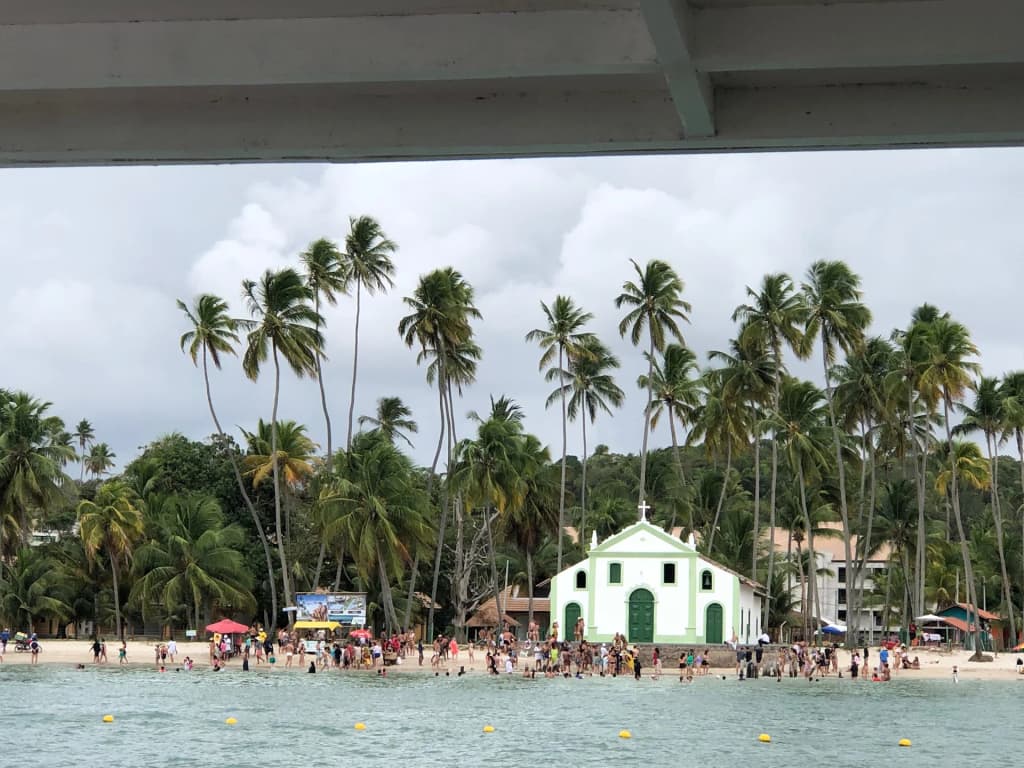
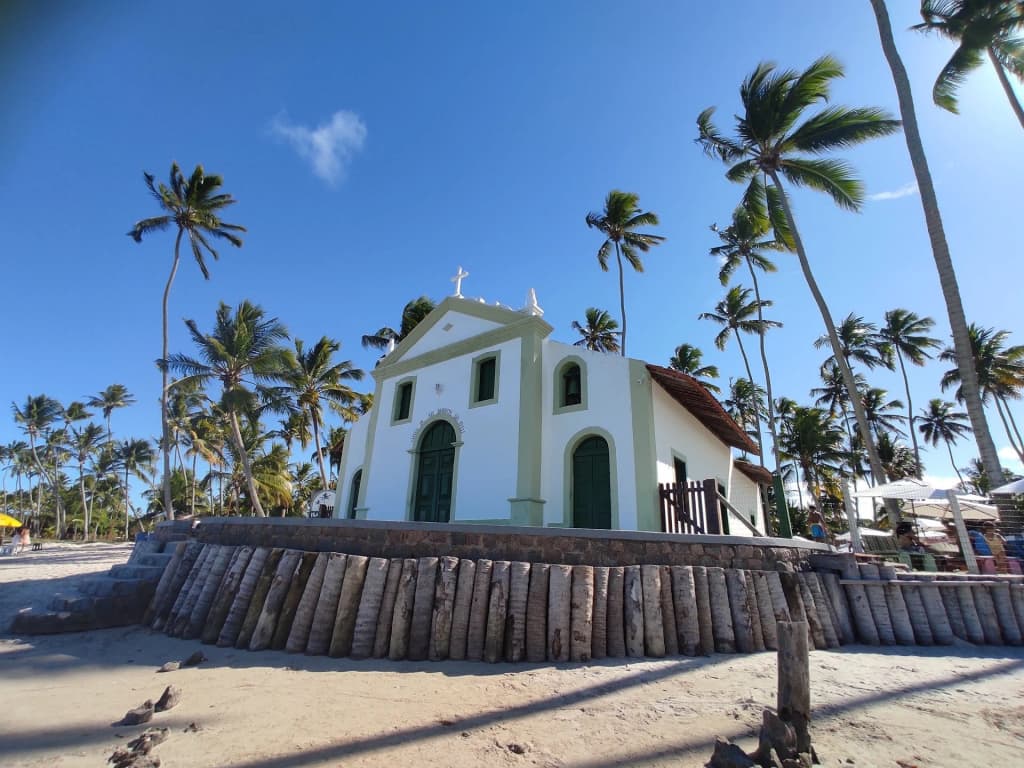
I nod back, grateful for the quiet. Praia dos Carneiros, they say, is one of Brazil’s most beautiful beaches, and in these first moments of morning, I believe it. The water is impossibly clear, a shifting palette of turquoise and jade, and the sand stretches wide and empty. I can see the faint outline of the Capela de São Benedito ahead, its whitewashed walls glowing in the soft light, already drawing a handful of early risers with cameras and wedding dreams.
By midday, the beach is alive. Laughter and music drift from the beach clubs—Bora Bora’s thrum in the distance, Beijupirá’s gentler pulse closer by. I settle into a chair at Beijupirá, the ocean just steps away, the breeze carrying the tang of grilled fish and lime. The staff move with practiced ease, setting down drinks—coco louco, cold and sweet, the coconut shell sweating in my hand. I taste the sea in every sip, the sun on my skin, the low hum of conversation all around.
A woman at the next table leans over, her accent unmistakably local. “You’re not from here,” she says, more observation than question.
“No,” I admit, “but I wish I was.”
She laughs, sliding a plate of caldinho de peixe my way. “Then stay longer. Carneiros is slow. You have to let it soak in.”
I do. I let the hours drift. I walk the long curve of sand, past stretches where the only company is the wind and the rustle of palm fronds. The tide pulls back, revealing natural pools rimmed with coral, water warm and shallow, perfect for floating and forgetting the world. Catamarans idle offshore, their captains calling out offers for a ride to the sandbank or the river’s mouth. I watch families wade out, children shrieking as tiny fish dart between their toes.
In the late afternoon, I wander into Tamandaré village, the air thick with the smell of frying garlic and the distant promise of rain. Tapera do Sabor is busy but not rushed, the kind of place where you linger over lunch. I order the petigato do Nordeste—a hot cocada with tapioca ice cream, the sweetness melting into the salt of my skin. The walls are painted in sun-faded colors, and every corner seems made for a photograph. Outside, the street is quiet, just the occasional motorbike and the laughter of schoolchildren.
The village is more than a backdrop; it’s a rhythm. At Vila do Padre Arlindo, evening brings music and the clink of glasses, families and couples drifting between restaurants and sweet shops. I find a table under a string of lights, the air soft and heavy with the scent of sugar and coffee. The owner, a wiry man with kind eyes, tells me about Padre Arlindo’s work—how the village supports his social projects, how every meal here is a small act of community.
“People come for the beach,” he says, “but they remember the village.”
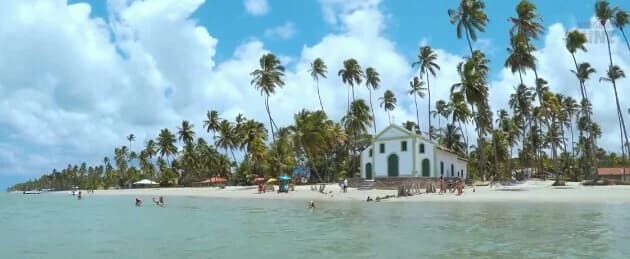
The next morning, I wake before dawn, hoping for a moment alone with the Capela de São Benedito. But even at sunrise, there are others—photographers, couples, a bride in white sandals brushing sand from her hem. The chapel is smaller than I imagined, its history layered in the salt air. Some say it’s from the 17th century, others the 19th, but everyone agrees it’s the soul of Carneiros. I wade into the water, the tide cool and rising, and look back at the chapel framed by palms. The sky is streaked with pink and gold, and for a moment, everything is still.
Later, I join a boat tour—just a handful of us, the engine sputtering to life as we slip past mangroves and sandbanks. The guide points out the best spots for a mud bath, the places where the river meets the sea. We stop for a swim, the water warm and silty, laughter echoing across the flat expanse. On the way back, the sun is high, the air thick with the scent of sunscreen and river mud, and I feel the slow, sweet ache of a day well spent.
Evenings are for drifting. I return to my flat—simple, sunlit, with a balcony overlooking the pool. The kitchen is stocked for small comforts: coffee, fruit, the makings of a quiet breakfast. There’s no café da manhã here, no rush. I cook, I read, I watch the sky darken over the palms. The pool glows blue in the dusk, and the air is warm enough to swim long after sunset.
I think of the woman at Beijupirá, her advice to stay longer, to let Carneiros soak in. She was right. There’s a stillness here, beneath the laughter and the music and the endless sun—a sense that time is slower, that beauty is something you can taste and touch and carry home, if you let yourself linger long enough.
More Photos
More Adventures
 $50 - $100/day 1 days
 Conquer Ilha do Campeche: Brazil's Wild Caribbean Island
Skip the crowded resorts. Wake up before dawn, grab your cash, and conquer Ilha do Campeche for turquoise waters, ancient ruins, and wild jungles.
 $50 - $150/day 3-5 days
 Skip Porto Seguro: The Wild Beaches of Arraial d'Ajuda
Escape the crowds of Porto Seguro. Discover the rugged cliffs, wild beaches, and intense natural beauty of Arraial d'Ajuda in our adventure guide.
 $40 - $100/day 3-5 days
 Skip Rio: Why Brazil's Smallest State is Your Next Big Adventure
Forget the massive crowds. Dive into Sergipe, Brazil's smallest state, for raw wildlife, UNESCO heritage, and mind-blowing untold culinary history.
 $40 - $150/day 3-5 days
 Morro de São Paulo Travel Guide: Budget & Beach Logistics
Plan your trip to Morro de São Paulo with this meticulous guide. Discover the numbered beaches, exact food costs, and how to optimize your island budget.