
Romania: Europe's Last True Wilderness
Forget Dracula. From the insane curves of the Transfagarasan to the depths of Turda Salt Mine, this is the rawest adventure in Europe.
Put down the vampire novel. Seriously. Forget the capes and the plastic fangs.
Think you know Romania? You don't. You probably picture fog and spooky castles. Scratch that image immediately.
Romania is raw. It is a land of savage mountains and horizons that refuse to end. Wild horses run free here. Powerful rivers cut through remote valleys with zero regard for civilization. This isn't a sanitized theme park. It's the real deal.
The Wild Heart of Europe
Welcome to the Carpathians. These aren't just pretty hills for a Sunday stroll. They are a massive barrier that has shaped history for centuries.
Inside these peaks lies one of Europe's most extensive forest ecosystems. We are talking about twelve million hectares of timber. That is twenty-eight percent of the entire country.
But here is the part that should make your pulse jump. This forest is home to six thousand brown bears. It holds two thousand five hundred wolves. This is the wild heart of the continent. And it is beating fast.
Don't just look at the trees. Respect what lives in them. You are a guest in their house.
Castles: The Myth vs. The Masterpiece
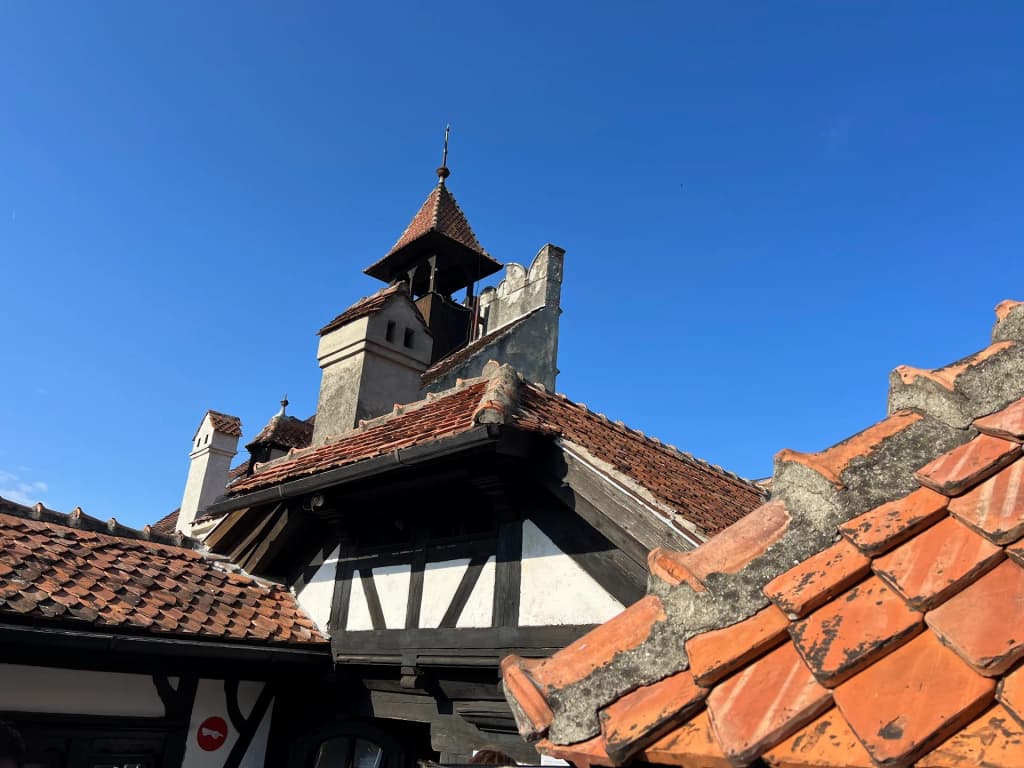
Everyone comes for the vampire. I get it. You want to see Bran Castle. It sits on the border of Transylvania and Wallachia, built in 1377 to stop the Ottomans.
It has the towers. It has the secret passages. It looks the part.
Did Vlad the Impaler live here? Probably not. But the legend is louder than the facts. Thousands flock here looking for Dracula. Go for the history if you want. Stay for the atmosphere. Just don't expect a monster to jump out.
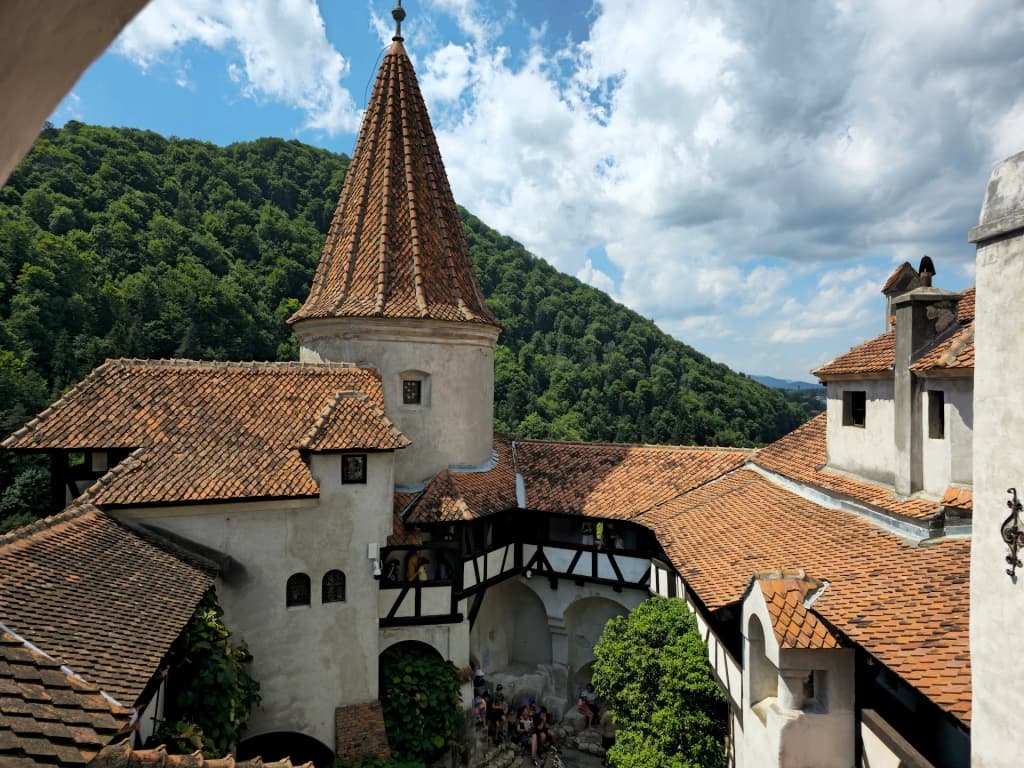
If you want to see how a king actually lives, you go to Sinaia. Peles Castle is a different beast entirely. Forget the spooky nonsense. This is about power.
Built by King Carol I, this was the first castle in Europe with electricity and central heating. It is Neo-Renaissance perfection. One hundred and sixty rooms of timber, marble, and stained glass. Bran is for the story. Peles is for the glory. Don't confuse them.
Eyes That Watch You
Transylvania is a time capsule. You have Brasov, a city that stood as a bridge between cultures for centuries. The Saxons built it to defend the Hungarian kingdom. You can still see the medieval walls.
The Black Church looms over the square. It's scarred by fire from 1689. Look up at Mount Tampa. There is a massive sign there. It tells you exactly where you are. Hike up there. The view is worth the sweat.
Then there is Sibiu. This place feels like a German merchant town dropped into Eastern Europe. But look up at the roofs. Seriously, look at them.
The attic windows are shaped like eyes. They stare at you. Literally. They were designed to ventilate grain, but today they just watch the tourists. It is unsettling. It is brilliant. It feels like the city is judging your outfit.
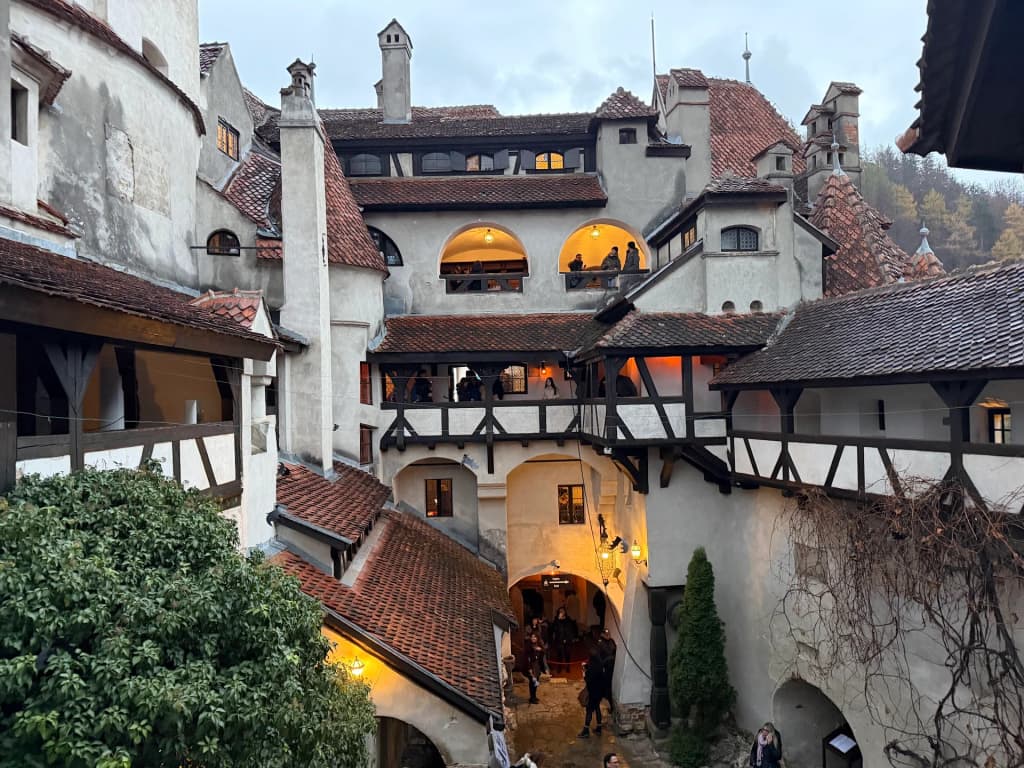
And you can't miss Sighisoara. It is the only inhabited medieval citadel in the region. People actually live here. They work here. They aren't actors.
Vlad the Impaler was born here in 1431. His house is a restaurant now. The streets are stone. The clock tower is sixty-four meters of history. It isn't a museum. It is a living, breathing city. Walk it at night. The shadows tell better stories.
Adrenaline on Asphalt
Ready to drive? Good. The Transfagarasan Highway didn't exist until 1974. Ceausescu built it because he feared a Soviet invasion. He needed a way to move tanks over the mountains fast.
It took six thousand tons of dynamite to carve this path through the rock. The result is ninety kilometers of pavement insanity. Eight hundred curves. Five tunnels. It climbs to over two thousand meters.
It is usually closed from October to June because of snow. But in the summer? It is legendary. Top Gear called it the best road in the world. They were absolutely right.
You pass the Vidraru Dam, a concrete giant holding back a fourteen-kilometer lake. A statue of Prometheus stands there, celebrating the engineering. It is dizzying. It is dangerous. Drive it. Do not hesitate.
Go Underground, Go Wild
Romania loves extremes. You have the peaks, and you have the depths. The Turda Salt Mine is 120 meters underground. That is a long way down.
The air is constant at twelve degrees. It is humid. It is therapeutic. But it looks like a sci-fi movie set. There is a Ferris wheel down there. A mini-golf course. An underground lake you can row a boat on.
Breathing the air here is five times better than the surface. It purifies your lungs. It blows your mind. It feels alien. Go down there and breathe.
From the salt, go to the water. The Danube Delta is the second largest in Europe. It is a labyrinth. Channels, floating islands, flooded forests.
No roads here. You move by boat. It is a birdwatcher's paradise with over three hundred species. Pelicans, cormorants, herons. It is quiet. It is pristine. It feels like the end of the earth. Turn off your phone. Listen to the water.
Concrete Jungle and Painted Wood
Bucharest is a survivor. They called it "Little Paris" once. Then came the war. Then came communism.
Ceausescu demolished historic neighborhoods to build his Palace of the Parliament. It is the second-largest administrative building in the world. Only the Pentagon is bigger. It is monstrous. It is impressive. Stand in front of it and feel small.
But the city is alive. The Lipscani district pulses with nightlife. Hidden Orthodox churches sit in the shadows of brutalist blocks. It is a city of contrasts. Embrace the chaos.
Don't Miss
The Merry Cemetery: In Sapanta, death is a joke. Bright blue crosses. Funny poems about the deceased. It celebrates life instead of mourning it. Read the verses. The Hoia-Baciu Forest: Near Cluj-Napoca. Crooked trees. Dead zones where nothing grows. Locals say it is haunted. Go see for yourself if you have the nerve. The Sphinx of Bucegi: A natural rock formation at high altitude that looks exactly like a human face. Wind and rain sculpted it over millions of years. Hike to it.
Head north to Maramures. Visit the Barsana Monastery. It is all oak wood. Fifty-seven meters high. No nails. Just pure geometry and centuries of skill.
The masters here transmit the knowledge from generation to generation. It is spiritual. It is architectural genius. Touch the wood. Feel the history.
The Challenge
Romania is a precarious balance. Mountain and plain. Past and present. It is not an easy destination. It challenges you.
The roads can be rough. The history is heavy. But that is exactly why you go. You go for the curves of the Transfagarasan. You go for the eyes of Sibiu. You go to get lost.
So, pack your bags. Forget the vampire movies. Experience the real thing. Book the ticket.
More Photos
More Adventures
 $50 - $150/day 1-2 days
 Conquer the Serra Verde Express: Brazil's Wildest Train
Ditch the tourist traps and ride the Serra Verde Express from Curitiba to Morretes. Discover ticket tips, seating secrets, and the best Barreado.
 $40 - $80/day 3-5 days
 Into the Wild: Surviving Roraima's Macuxi Territory
Skip the tourist traps. Plunge into the raw culture of the Macuxi tribe in Roraima, Brazil. Experience fire-hot stews, sacred rituals, and wild borders.
 $150 - $300/day 1-2 days
 Conquer Epcot: The Ultimate High-Speed Global Gauntlet
Think Epcot is a slow stroll? Think again. It's a high-speed, globe-trotting gauntlet. Hack the rides, taste the world, and push your limits in Orlando.
 $40 - $100/day 3-4 days
 Campos do Jordão Itinerary: Budget Guide & Hiking Logistics
Plan a practical trip to Campos do Jordão, Brazil's highest city. Get exact costs for state parks, hiking Pedra do Baú, and budget-friendly dining.