
A Local's Guide to Santos: Trams, Views & Beach Gardens
Skip the tourist traps. Here's your honest, real-talk guide to the best of Santos, Brazil, from vintage streetcars to the world's longest beach garden.
Hey. Let's talk about Santos. If you're like most people passing through São Paulo state, you probably just see Santos as a massive industrial port or a cruise ship terminal. Maybe you know it as the city where Pelé became an absolute legend on the football pitch. A lot of travelers just blow right past it on their way to the famous resort towns on the North Coast, or they only catch a glimpse of it from the upper deck of a mega-ship.
Honestly? Their loss.
Santos is this seriously underrated, slightly quirky coastal city that's just an easy drive down the mountains from São Paulo. It's got this faded coffee-baron glory mixed with a super laid-back beach town energy. You've got actual history, functioning vintage transport, and a local culture that's totally unpretentious. If you want to travel back in time for a weekend without dealing with massive tourist crowds, this is exactly where you need to be.
Here's how to actually experience Santos without feeling like you're on a middle school field trip.
The Valongo Vibe (Where History Actually Lives)
Let's start in the historic center. A lot of Brazilian cities have "historic centers" that are basically just two old buildings, a bunch of souvenir shops, and a generic coffee chain. Santos actually kept its soul intact, specifically around the Valongo neighborhood. This is where the city's massive coffee wealth was concentrated back in the day, and you can still feel that heavy, old-money energy in the architecture.
Skip: The generic modern cafés near the commercial business district. You're paying premium prices for air conditioning and absolutely zero vibes. Instead: Head straight to the Valongo station area. Grab a strong, cheap espresso from a little corner padaria (bakery), and hop on the historic bondinho (streetcar). It's a fraction of the price of any tourist trap, and you're riding alongside actual locals going about their day.
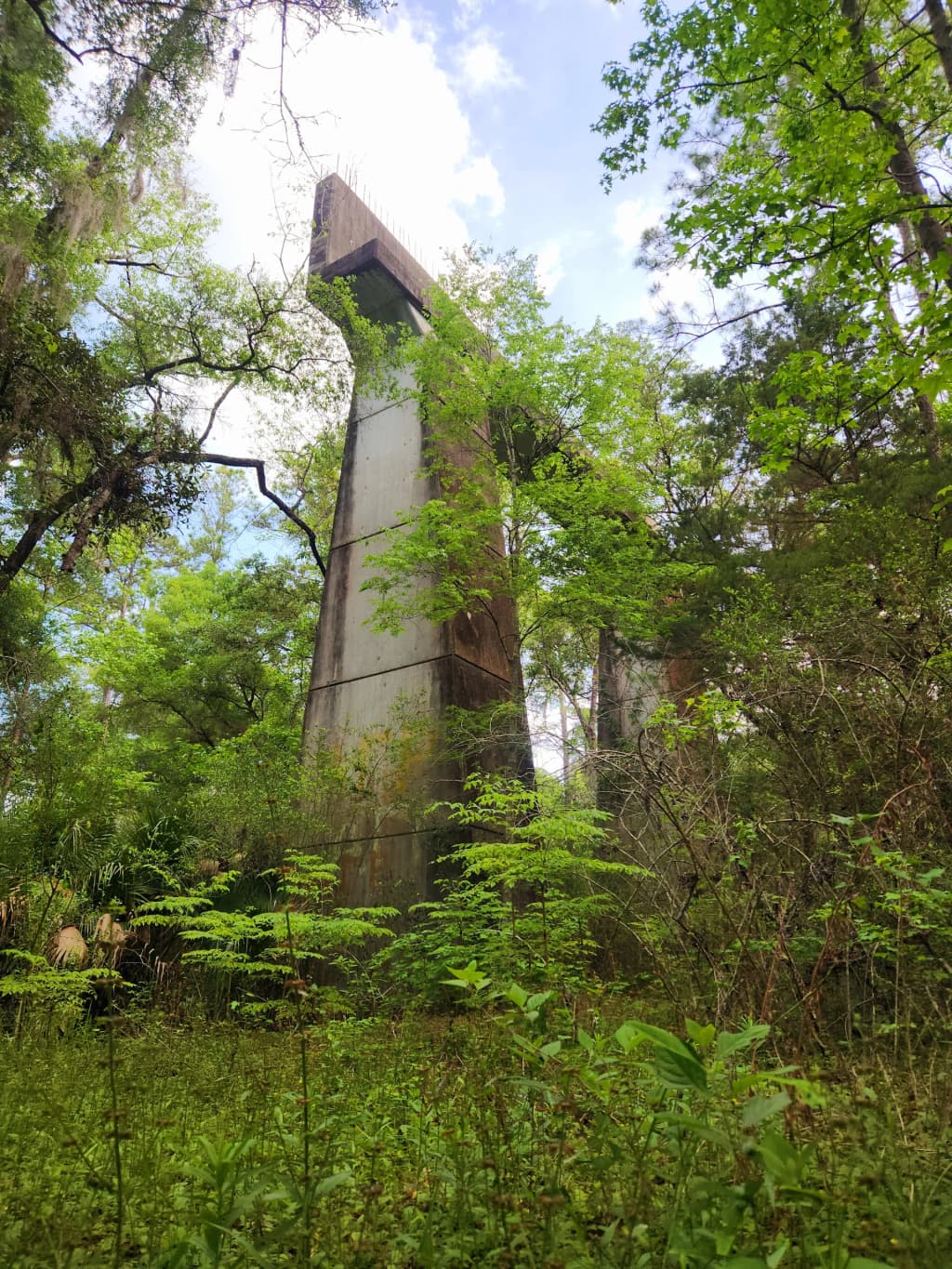
The bondinho is iconic. It clatters along the old cobblestone streets, passing by the old coffee exchange and giving you a real feel for how ridiculously wealthy this city used to be back in the boom days. You're riding in open-sided wooden cars, feeling the breeze, and just taking in the vintage storefronts.
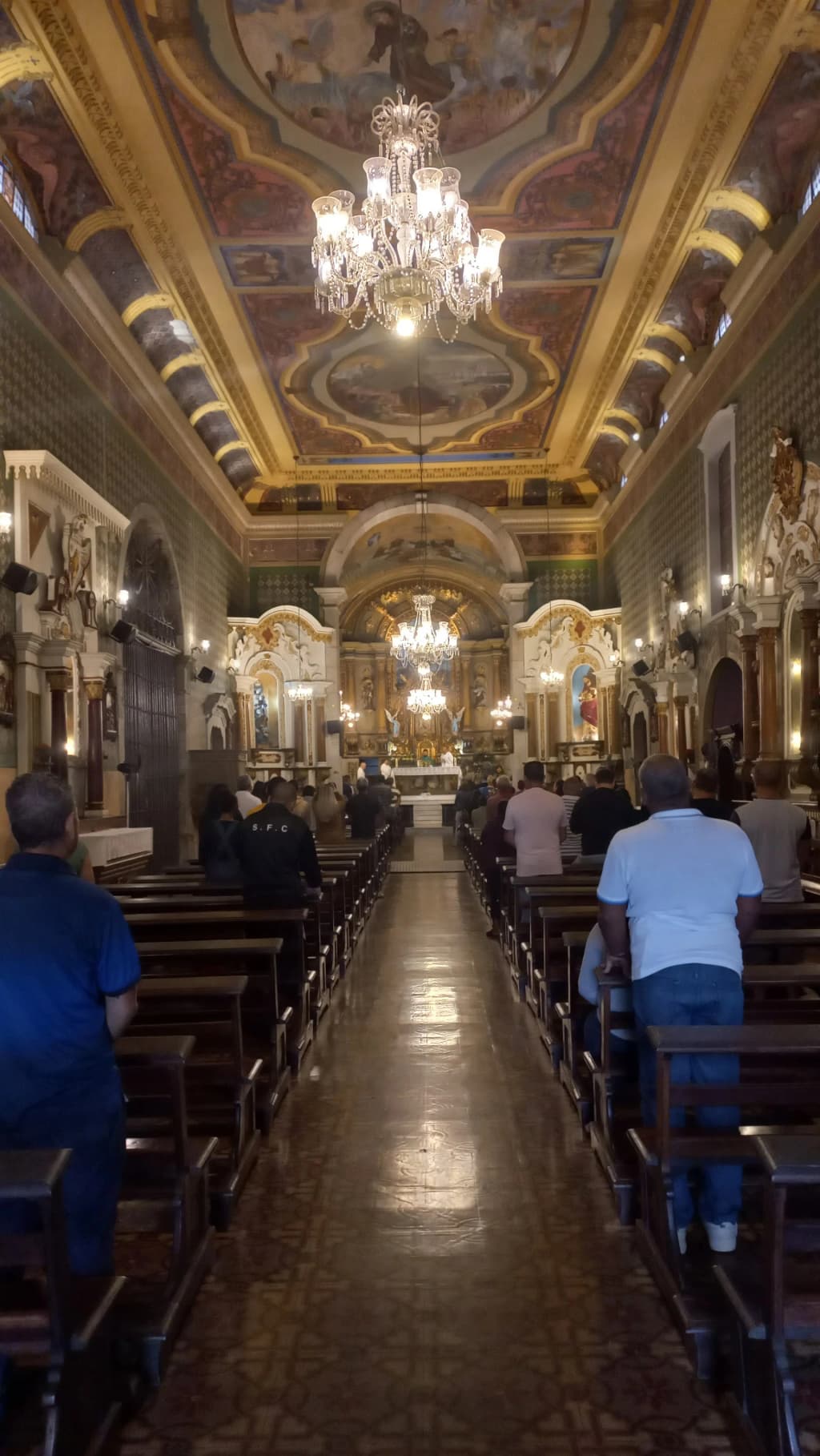
But the absolute showstopper here is the Sanctuary of Santo Antônio do Valongo. Look, I'm not usually one to spend hours looking at churches. I usually pop my head in, say "wow, cool ceiling," and leave. But this baroque beauty is seriously stunning. It's got this heavy, ornate, time-stood-still energy that makes you completely forget you're in the middle of a bustling port city.
Real talk: The historic center is amazing, but it can get pretty quiet and a little sketchy after dark when all the office workers and shop owners go home. Visit in the morning or early afternoon when the light is good and the streets are actually buzzing. By 6 PM, you'll want to be heading toward the beach anyway.
Monte Serrat (Earning That View)
Alright, so you've done the flat, historic stuff. Now you need a little adrenaline, or at least a change in altitude. We're heading up Monte Serrat.
To get to the top, you take this incredibly cool, slightly terrifying old funicular system that crawls up the side of the mountain.
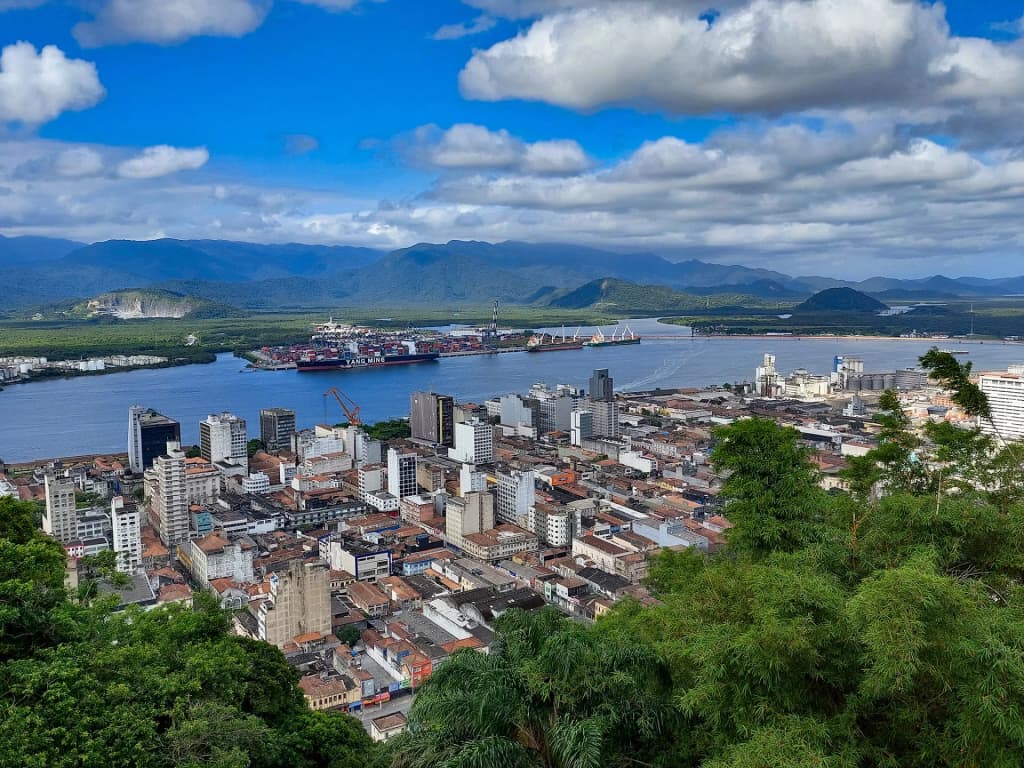
Will you get a little nervous when the wooden car shudders on the tracks? Probably. Is that part of the charm? Absolutely. Will Google Maps try to tell you to walk up the stairs instead? 100%. Don't do it unless you're training for an Iron Man. It's over 400 steps in the humid Brazilian heat. Take the funicular. Save your sweat for the beach.
Once you're at the top, the payoff is massive. You get a 360-degree panoramic view of the entire city, the winding port channels, the cargo ships moving in and out, and the ocean stretching out forever. Right at the summit sits the shrine of Our Lady of Monte Serrat, the patron saint of the city. It's incredibly peaceful up here. The breeze is amazing, and it's the perfect spot to just snap some photos, grab a cold drink, and take a breather from the city noise below.
The Shoreline (Jardim da Orla)
After you come back down from the mountain, it's time to hit the coast.
Is the ocean water here the pristine, crystal-clear blue of the Caribbean? No. Is the sand powdery white? Also no. It's a port city, so the water is exactly what you'd expect. But the real star here isn't the beach itself—it's what's right next to it.
The Jardim da Orla de Santos is officially the largest beachfront garden in the world. It stretches for over three miles along the coast, and it's an absolute masterpiece of urban planning. We're talking millions of plants, towering trees, perfectly manicured flower beds, winding bike paths, and plenty of shade.
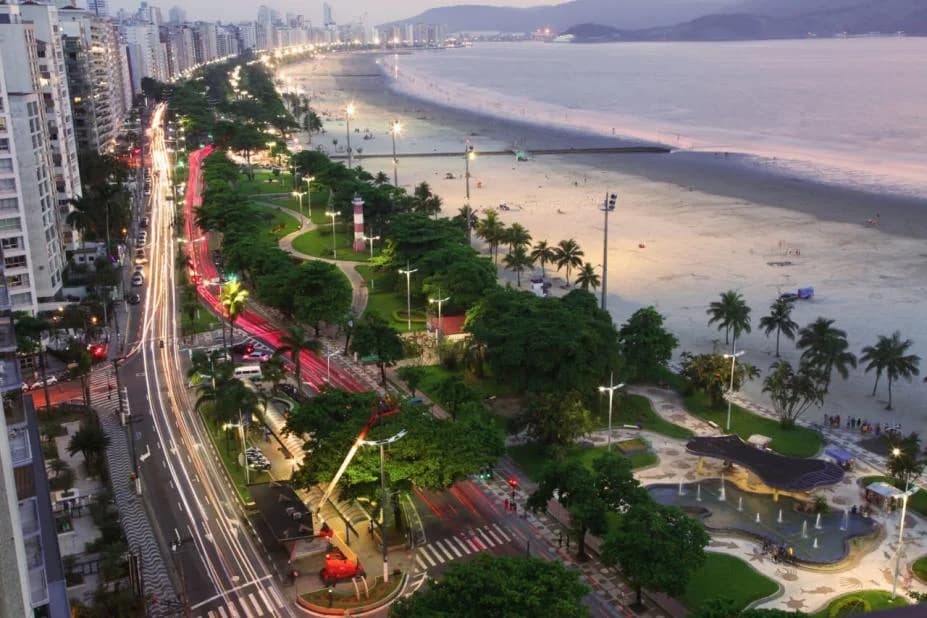
Skip: Fighting for towel space on the crowded sand on a Sunday afternoon. Instead: Rent a bike and cruise the dedicated cycle paths through the gardens, or just walk the mosaic sidewalks.
This is where Santos really lives. On any given afternoon, you'll see older guys intensely playing chess at concrete tables, kids learning to ride bikes, families having picnics under the trees, and skaters cruising down the smooth paths. It's not a manufactured tourist attraction; it's literally the city's living room.
Grab a cold coconut from one of the kiosks (quiosques) along the sand. Find a bench in the shade. Just people-watch. It's low-key the best free activity in the entire state of São Paulo. You're getting the ocean breeze, the sound of the waves, and the energy of the city all at once.
The Wrap Up
Santos is the kind of city that rewards you for slowing down. You don't need a massive, stressful itinerary here. You don't need to rush from monument to monument. You just need comfortable shoes, an appreciation for old-school charm, and a willingness to just wander around and see what happens.
If you only do one thing: Forget trying to cram all the museums into one afternoon. Go to the Jardim da Orla at sunset. Grab a cold chopp (draft beer) or a massive bowl of açaí from a beachside kiosk, sit by the gardens, and watch the sky change colors over the water as the city lights come on. Trust me, it's the perfect way to end the day.
So, what's it gonna be? The vintage tram, the mountain funicular, or a lazy afternoon in the beach gardens? Pack a weekend bag, grab a bus ticket from SP, and go figure it out for yourself.
Catch you out there.
More Photos
More Adventures
 $40 - $100/day 4-7 days
 Skip the Tourist Traps: The Ultimate Fortaleza Adrenaline Guide
Think you know Brazilian beaches? Think again. Discover the chaotic markets, massive beach clubs, and extreme dune rides of Fortaleza, Brazil.
 $150 - $350/day 3-5 days
 Conquer Dubrovnik: The Ultimate Adventure Survival Guide
Skip the massive cruise ship crowds. Discover the raw, adventurous side of Dubrovnik by attacking the city before dawn and exploring beyond the walls.
 $60 - $150/day 4-7 days
 Conquer Buenos Aires: The Ultimate 7-Day Itinerary
Ready to conquer Buenos Aires? Skip the tourist traps and dive into this high-octane 7-day itinerary. Discover the real heart of Argentina's capital.
 $30 - $100/day 7-10 days
 Conquer Peru: Ancient Peaks, Desert Dunes & Raw Adventure
Skip the typical tourist traps. This high-octane guide to Peru covers altitude survival, remote desert oases, and conquering the mighty Machu Picchu.