
The Secret Currency of Genuine Italian Hospitality
Discover how learning a few simple Italian phrases transforms your trip from a standard tourist experience into a deeply immersive cultural connection.
The hiss of the espresso machine cuts through the heavy morning heat, a sharp metallic burst followed immediately by the dark, oily aroma of roasted Arabica beans. I stand shoulder-to-shoulder with locals at a narrow zinc counter in a neighborhood bar tucked behind the Pantheon. The air is thick with humidity, the sweet scent of powdered sugar from freshly baked cornetti, and the rapid-fire staccato of Roman dialect. Saucers clatter against the bar like a drumbeat. Coins are slapped down on the wet metal. Everyone seems to know exactly what they are doing, moving in a choreographed dance of morning survival. I stand there, feeling the distinct, heavy weight of being an outsider, a silent spectator in a theater where everyone else knows the script.
I catch the eye of the barista. He is older, his apron dusted with flour and coffee grounds, his expression worn into a permanent scowl of intense concentration.
"Un caffè, per favore," I say, the syllables rolling clumsily, tentatively off my tongue.
The barista pauses, a damp towel slung over his shoulder. He looks at me—really looks at me—and the deep furrow in his brow softens just a fraction.
"E un bicchiere d'acqua?" he asks, his voice surprisingly gentle, a low gravelly rumble.
"Sì," I nod, remembering the word I practiced relentlessly the night before. "Acqua. Grazie."
He slides the tiny, heavy porcelain cup across the counter, followed by a tall, condensation-beaded glass of sparkling water. He lingers for a second, tapping the bar with his knuckles. "Bravo. You try. That is what matters."
I take a sip of the espresso. It is thick, bitter, and perfect, leaving a dark velvet finish on my tongue. The cold water washes it down, a sharp, effervescent contrast. The exchange costs me exactly one euro and twenty cents—the standard price if you drink standing at the bar, a rule I learned the hard way yesterday. But in that brief exchange, the invisible wall between tourist and host dissolves. I am no longer just another face in the endless summer crowds; I am a guest who has bothered to knock on the front door rather than just peering through the window.
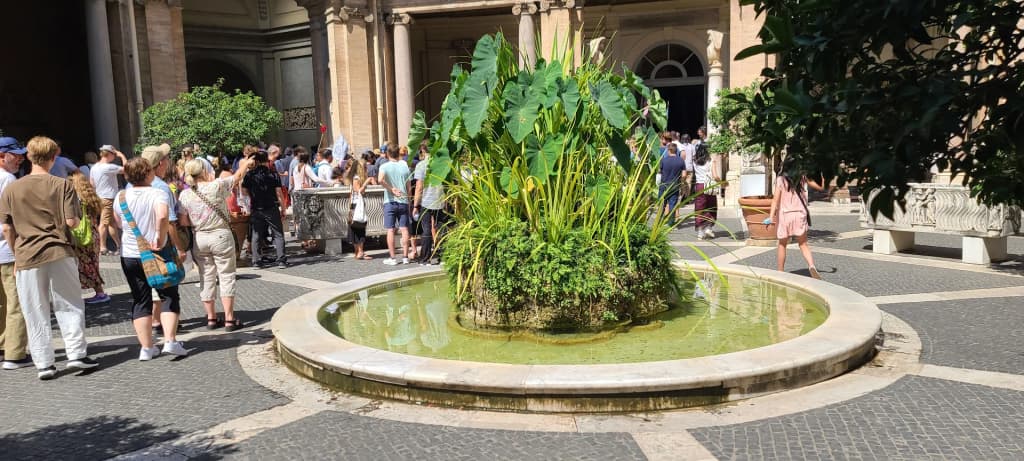
This shift in hospitality is not magic. It is the direct result of a conscious choice made months before my boots ever touched the uneven cobblestones of the Eternal City. I spent my evenings in the quiet of my living room, repeating key phrases, stumbling over verb conjugations, and learning the vital vocabulary of a traveler. Securing a lifetime subscription to a language learning app proved to be the single most important preparation I made for this journey. When you catch one of those rare promotions—half off for a lifetime of access—it costs less than a single, modest dinner in Trastevere. Yet, the return on that investment is immeasurable. It is the difference between moving through a country in a silent, isolated bubble and actually participating in its heartbeat.
The auditory landscape changes entirely as I step off the train a few days later. The chaotic roar of Roman traffic vanishes, replaced by the gentle, rhythmic lapping of water against stone and the soft echo of leather soles on narrow alleyways. Venice smells different, too—a complex, haunting perfume of salt water, damp moss, and ancient, crumbling brick. The air here feels heavier, cooler, wrapping around you like a wet wool blanket.
I am lost. It is a universal truth of Venice that you will inevitably lose your way, no matter how closely you study the map. The GPS signal bounces uselessly off the towering palazzos, a common reality in the Cannaregio district where paper maps and intuition still reign supreme. The emerald water reflects the faded ochre and peeling pink paint of the buildings above, offering no clues to my location.
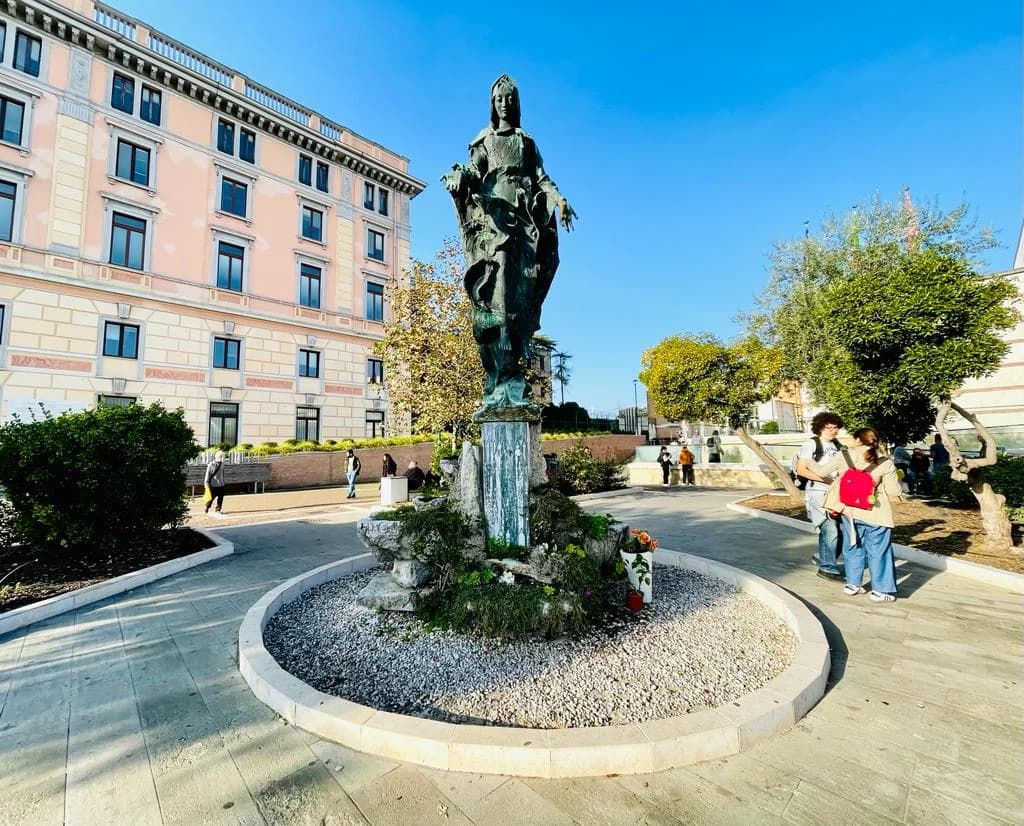
An elderly woman is sweeping the stoop of a small, arched doorway, the rough bristles of her broom scratching against the Istrian stone. She wears a floral housecoat, her white hair pinned back tightly.
I approach slowly, not wanting to startle her. "Mi scusi, signora," I begin, pulling the carefully rehearsed words from the back of my mind. "Dov'è la stazione, per favore?"
She stops sweeping and leans on her broom. A slow, warm smile spreads across her deeply lined face, crinkling the corners of her eyes. She doesn't just point. She launches into a passionate, melodic explanation, her hands dancing in the air to illustrate the bridges I must cross and the turns I must make. I only understand about a third of the words she uses, but I understand the music of her directions perfectly.
"Hai capito?" she asks, tilting her head.
"Sì, grazie mille," I reply, feeling a genuine surge of gratitude.
"Prego, caro," she says, returning to her sweeping.
As I walk away, navigating the bridges exactly as her hands described, the damp air feels a little less cold. The city feels a little less like an impenetrable museum and more like a living, breathing neighborhood. The words were simple, but they were the key that unlocked a moment of pure human connection.
The light in Florence is different from anywhere else in the world. As the sun begins its slow descent, it bathes the city in a thick, golden syrup. The terracotta roofs glow as if lit from within, and the shadows stretch long and cool across the Piazza della Signoria. The day's heat finally breaks, leaving a balmy, comfortable warmth in its wake.
I wander away from the Duomo, crossing the Arno river and slipping into the Oltrarno neighborhood, searching for a place to eat. The smell of roasting garlic, woodsmoke, and rich tomato sauce pulls me toward a small, unassuming osteria. There is no menu printed in English by the door, no host trying to usher tourists inside. Just a simple wooden door and the low hum of conversation.
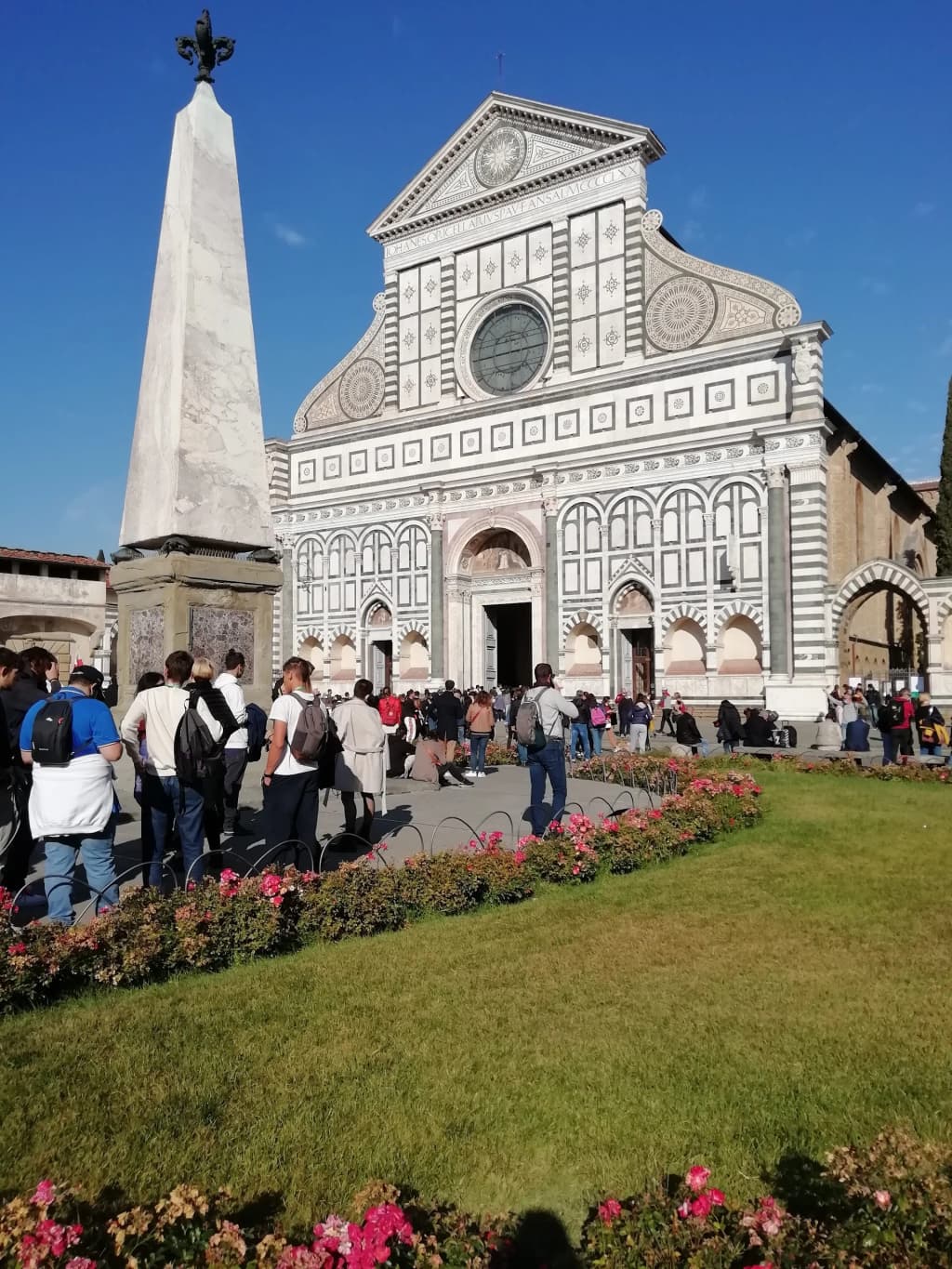
I step inside. The dining room is small, tightly packed with wooden tables and locals deep in conversation over carafes of house wine. The proprietor, a stout man with a booming laugh, approaches my table with a handwritten menu.
"Buonasera," I say, offering a polite nod. I order a plate of ribollita and a glass of Chianti, speaking entirely in the language I have been practicing for months. I stumble slightly on the pronunciation of the wine, but I push through the hesitation.
He beams, clapping his hands together. "Perfetto! E da bere? Acqua?"
"Sì, un po' d'acqua, per favore," I reply.
When the food arrives, it is a revelation. The ribollita is rustic and hearty, thick with day-old bread and black cabbage, tasting of the earth and generations of Tuscan tradition. A plate of this soup and a generous pour of house wine rarely break fifteen euros on this side of the river, far from the tourist-heavy menus near the cathedral. But what makes the meal truly unforgettable isn't just the culinary perfection or the honest price; it is the way the proprietor checks on me, offering a complimentary splash of limoncello at the end of the meal, treating me not as a passing transaction, but as a welcomed guest in his dining room.
Travel is not just about the monuments you photograph or the museums you walk through. It is about the spaces between those landmarks. It is found in the quiet clinking of an espresso cup, the rhythmic sweeping of a Venetian stoop, and the warm glow of a Florentine osteria. When we strip away the armor of our native tongue and allow ourselves to be vulnerable in a new language, we are rewarded with the true essence of a destination. The world opens up, not because we demand it to, but because we finally learned how to ask nicely.
More Photos
More Adventures
 $120 - $250/day 1-2 days
 Hack the Alps: Milan to St. Moritz Day Trip on a Budget
Discover how to travel from Milan to St. Moritz on a budget. Skip the Bernina Express, take the regional train, and experience the Swiss Alps like a pro.
 $150 - $500/day 4-7 days
 The Real Amalfi Coast: How to Dodge the Tourist Traps
Skip the overpriced spritzes. Here's your honest, unfiltered guide to the Amalfi Coast, from quieter beaches to authentic towns where locals actually live.