
Waking Up in the Chaos: Finding Silence and Soul on La Rambla
A narrative guide to staying in the heart of Barcelona. Discover the best areas from Plaça de Catalunya to the sea, where to sleep, and how to embrace the noise.
The smell hits you first. Charcoal smoke, roasted chestnuts, and the sharp, salty tang of the sea that somehow cuts through the city exhaust. The old man behind the newspaper kiosk doesn't look up as I pass, his radio humming a fast-paced debate in Catalan. It is early morning on La Rambla, and the avenue is stretching its limbs before the madness begins.
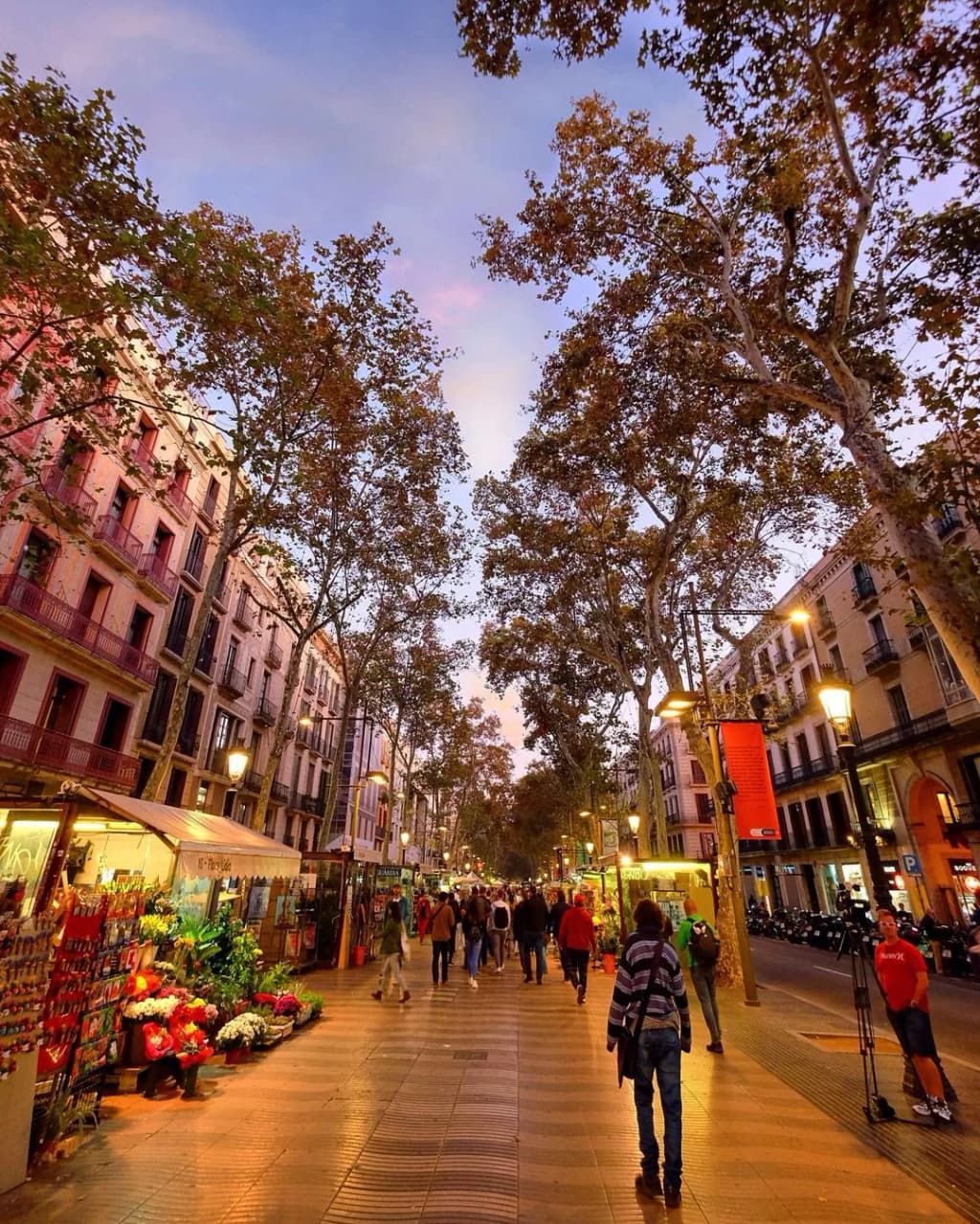
To stay here is to make a choice. You are not choosing silence. You are choosing to be intravenous with the city. I drop my bags on the pavement for a moment just to watch the light filter through the plane trees. This specific artery of Barcelona, the stretch that bleeds down from Plaça de Catalunya all the way to the water, is where the city keeps its pulse. If you put your hand against the stones, I swear you can feel it beating.
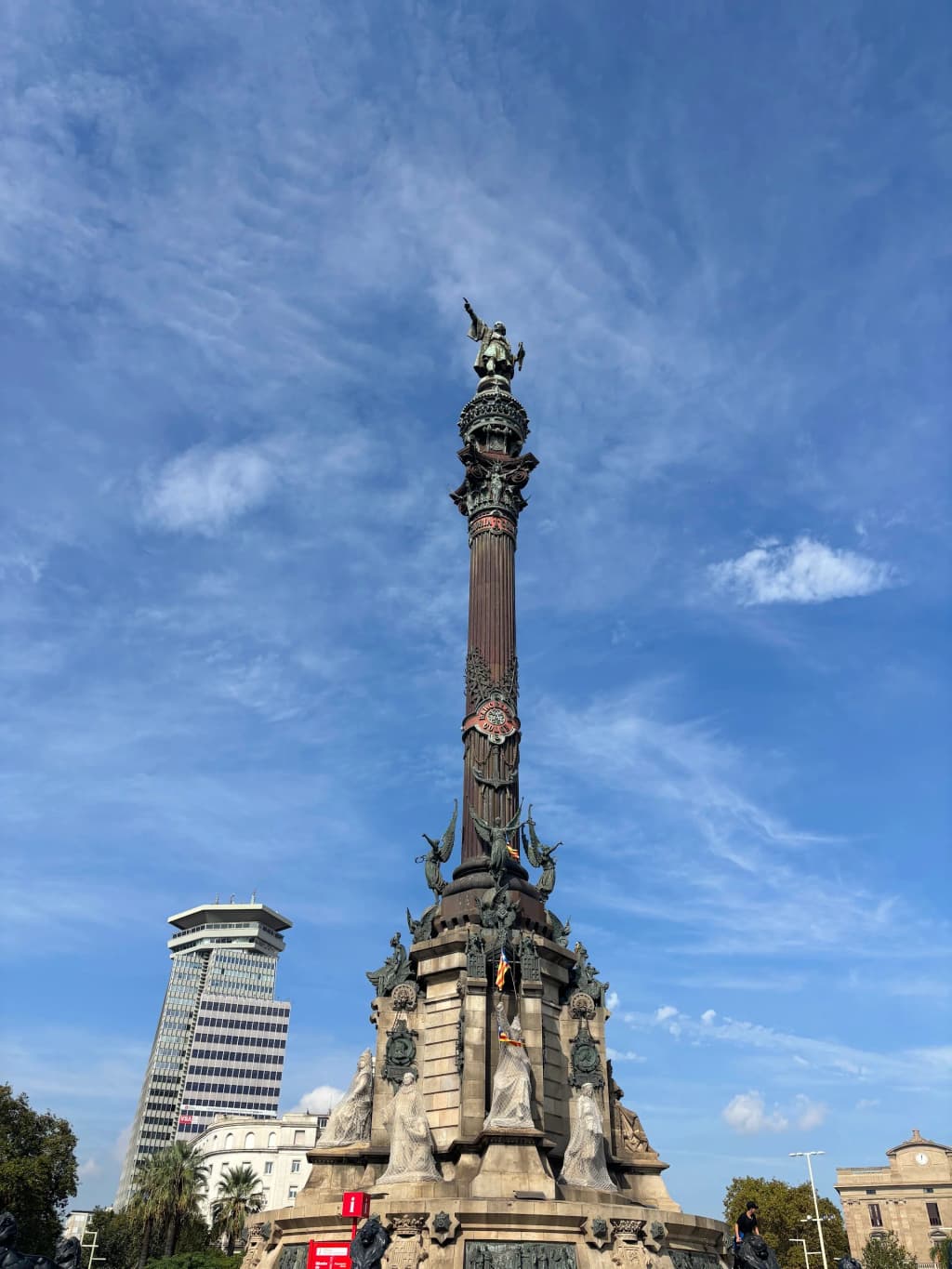
The geography of this place is deceptive in its simplicity. On a map, it looks like a straight line, but walking it feels like traversing different worlds. I start my mornings at the top, near the grand, frenetic energy of Plaça de Catalunya. This is the anchor. It’s where the airport bus spits you out, blinking and disoriented, into the heart of Catalonia. From here, gravity does the work. You simply fall downhill toward the Mediterranean.
The locals tell you that there are five distinct neighborhoods bleeding into this central vein, but for the traveler, it feels like one long, continuous theater stage. To my left, the Gothic Quarter creates a labyrinth of shadows; to my right, the Raval hums with a grittier, more rebellious energy. But the center—this pedestrian highway—is where everyone eventually meets.
I walk until the pavement turns to sand. The Barceloneta beach waits at the end of the road. It’s a long walk, but staying in this corridor means the entire city is accessible by foot. I haven't taken a taxi in three days. The metro stations are mere decorations; my boots are doing the work, and the city rewards the effort with sudden bursts of music from street performers and the clinking of glasses from open terraces.
"You are too skinny," the woman says. She is slicing jamón with the precision of a surgeon and the speed of a drummer. Her stall is near the entrance of the Boqueria Market, the chaotic cathedral of food that sits halfway down La Rambla.
"I'm walking too much," I reply, leaning against the counter.
She laughs, handing me a paper cone filled with dark red ham, the fat glistening like marble. "Then you must eat. Stay longer. The city will fatten you up if you let it."
Staying near the Boqueria is the secret for the budget-conscious traveler who refuses to sacrifice flavor. I found a small hotel tucked into a side street here—nothing fancy, perhaps two stars, but clean and honest. The price hovers around 75 euros, a rarity in a city that increasingly demands your entire wallet. The walls are thin, yes. I can hear my neighbor’s television and the distant clatter of delivery trucks. But when I step out the door, I am ten seconds away from the best breakfast in Europe.
There is a specific joy in rolling out of bed and into a market that has been feeding people for centuries. You save money on the room so you can spend it on the ham. It feels like a fair trade.
For those who need a sanctuary from the noise, you have to look up. A few blocks away, I spent a night in a room that cost a bit more—closer to 105 euros—but it offered the one luxury that is priceless in Barcelona: perspective.
This hotel, a four-star establishment, felt like a fortress. From the terrace, the city didn't look chaotic; it looked like a grid of golden lights. You pay for the silence, and you pay for the view. In the low season, these prices are manageable, but I’ve learned the hard way that Barcelona waits for no one. The fluctuating rates are a game you have to play. I watched the price of a room jump forty percent in the span of a week because I hesitated.
The trick, I’ve found, is to book with the coward’s safety net: free cancellation. I reserve months in advance, locking in a rate before the algorithms realize that spring is coming. If my plans change, I cancel. But usually, they don't. Once you commit to the idea of Barcelona, it is very hard to let it go.
The sun is setting now, turning the stone facades of the Gothic Quarter a bruised purple. The day-trippers are retreating to their cruise ships, and the locals are reclaiming the streets for the evening paseo. I am sitting on a bench near the bottom of La Rambla, watching the human tide go out.
Staying here, in the middle of the whirlwind, is not for everyone. It is loud. It is crowded. It is intense. But as the streetlights flicker on, illuminating the path from the square to the sea, I know I wouldn't want to be anywhere else. The city is breathing, and for a few days, I am breathing with it.
More Photos
More Adventures
 $33 - $50/day 14-60 days
 The Raw Truth About Budgeting for Bali
Think Bali is too expensive? Think again. Get the raw, unfiltered truth about backpacking Indonesia on a $33 daily budget. Pack your bags and ride.
 $75 - $250/day 7-14 days
 The Ultimate Month-by-Month International Travel Guide
Stop gambling with your PTO. Discover the exact best (and worst) international destinations for every month of the year to optimize budget and weather.
 $50 - $150/day 7-14 days
 Traveling Brazil with the Wise Card: A Frictionless Journey
Experience the freedom of traveling through Brazil with the Wise card. Learn how to navigate exchange rates, avoid hidden fees, and pay like a local.
 $150 - $350/day 1 days
 Conquer Disneyland Paris: 2 Parks in 1 Brutal Day
Think you can't conquer both Disneyland Paris parks in a single day? Think again. Here is the ruthless, high-energy strategy to dominate every major ride.