
Surviving Patagonia: The Upsala Glacier & Estancia Cristina
Skip the tourist traps. Discover the raw power of Patagonia's Upsala Glacier, towering icebergs, and the remote history of Estancia Cristina.
Think you’ve seen ice? Think again. Forget those little cubes clinking in your cocktail. We are talking about ancient, towering monoliths of frozen history.
Welcome to El Calafate. It is the gateway to the raw, untamed edge of Argentina. Here, the Andes Mountains don't just stand. They loom.
You feel tiny here. Insignificant. And that is exactly the point. We are leaving the crowded walkways of Perito Moreno behind. We are heading deeper. Colder. Wilder.
They hide a secret that will make your jaw hit the freezing dirt. This isn't your standard sightseeing tour. This is an expedition into the heart of Patagonia's frozen giants.
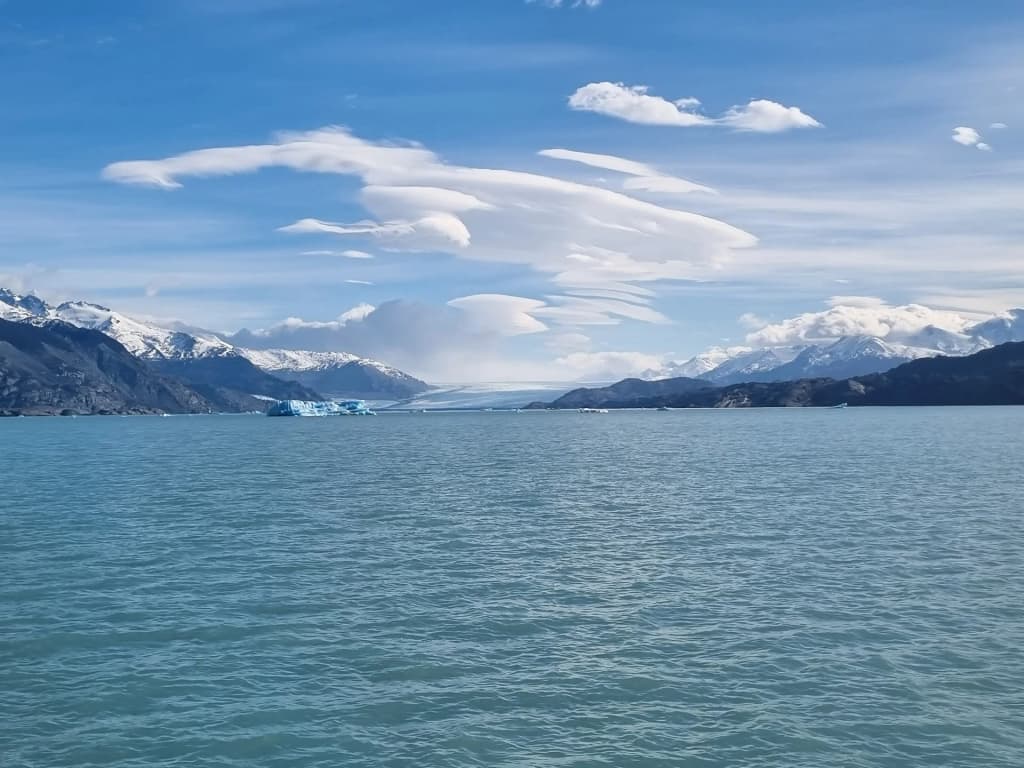
Think You Know Ice?
Lake Argentino is massive. It wraps around the mountains like a turquoise serpent. But the real stars of the show are the "témpanos."
These are giant blocks of ice that snap off the glacial fronts. They float through the lake like ghost ships. Absolutely mesmerizing. Every single one.
Listen closely. The ice cracks like a rifle shot echoing across the water. That is the sound of a glacier moving. Living. Breathing.
What you see above the water is nothing. Just ten percent of the iceberg. The other ninety percent is lurking beneath the surface. It is a massive submerged mountain of ice waiting to roll.
When they flip, they reveal an intense, deep blue color. It looks almost radioactive. That blue happens because the ice has been starved of oxygen underwater for years.
The pressure squeezes every air bubble out. Leaving pure, dense, heavy ice. These chunks of ice are the size of apartment buildings. They demand respect.
The Part Nobody Tells You About Booking
Skip the tourist bus. Rent a car. Drive yourself to the Punta Bandera port.
It takes about 40 minutes from El Calafate. The road is smooth and easy. Watch the sunrise light up the Patagonian steppe. But keep your eyes peeled. Wild animals cross the tarmac without warning.
El Calafate is full of tourists throwing cash at the first agency they see. Don't be that person.
Now, listen closely. Do not pay for your tour in US dollars if you can avoid it. Some companies will quote you $200 USD.
Walk around the center of El Calafate. Shop around. Ask questions. I paid in pesos at a local agency. It came out to roughly half that price on my credit card.
The blue market exchange rate in Argentina fluctuates wildly. Use it to your advantage. Play it smart. Keep that extra cash. You will need it for Patagonian lamb later.
Into the Turquoise Abyss
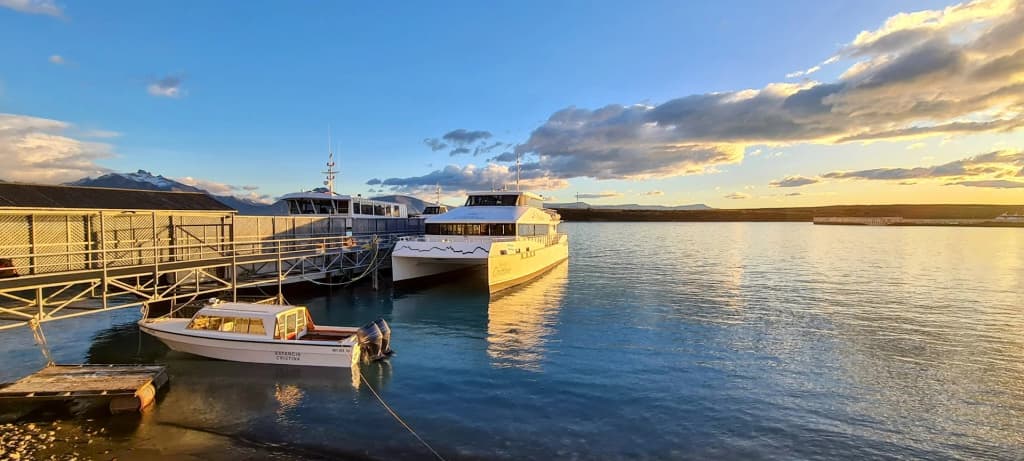
Board the boat at 8:30 AM. Get comfortable. This is a full-day, high-octane adventure.
As you cruise out, notice the water. It is a milky, electric turquoise. That is glacial flour. Millions of years of rock ground into dust by moving ice, suspended in the lake.
Glacial flour doesn't just change the color. It changes the texture of the water. You are literally sailing through pulverized mountains.
Grab a coffee and a media luna from the galley. Step out on the deck. Feel the wind try to rip your jacket right off your back.
Patagonia does not care about your comfort. It snows here almost year-round. The wind is relentless. The clouds are thick.
But that cloudy weather is a blessing. It makes the blue of the icebergs pop even more. The boat cuts through the choppy water. Spray hits your face. It is freezing.
Eventually, the boat stops. Upsala Glacier is still 15 kilometers away. You cannot get closer. The massive icebergs block the path. They stand like frozen bouncers guarding the main event.
Don't Miss
The massive, deep-blue "témpanos" flipping in Lake Argentino. The bone-rattling 4x4 ascent to the Upsala Glacier viewpoint. A hearty Patagonian lamb lunch at the historic Estancia Cristina. Finding wild flamingos near the El Calafate town sign.
Off-Road to the Edge of the World
Disembark at Estancia Cristina. Say goodbye to the comfortable boat. It is time to get dirty.
Climb into a rugged 4x4 vehicle. Hold on tight. You are climbing 9.5 kilometers up a punishing mountain trail. Smell the diesel. Hear the crunch of rocks.
You gain 550 meters of elevation in minutes. Your bones will rattle. Your teeth will chatter. You will love every second of it. This is exactly why you came.
At the top, you jump out. The wind hits you like a freight train. You start a 15-minute hike over terrain scraped bare by ancient ice.
The landscape changes from scrubby bushes to barren, lunar rock. Look at the stones beneath your boots. They are scarred. Striated. The Upsala Glacier used to reach this exact spot 20,000 years ago.
Then, you hit the viewpoint. Stop breathing for a second. Take it in.
You are staring at the Southern Patagonian Ice Field. It is the third-largest expanse of ice in the world. It stretches across Argentina and Chile. A blinding white ocean of frozen power.
It feeds dozens of glaciers. It is a remnant of the last Ice Age. You are looking at a landscape that predates human history.
The Ghost Ranch of Patagonia
Head back down to Estancia Cristina. It is time to eat. And time to learn how humans actually survived this brutal landscape.
Sit down at the long wooden tables. Share a meal. Pumpkin soup. Lentil crostata. Slow-roasted Patagonian lamb. It is exactly what your freezing body needs.
The lamb falls off the bone. The red wine warms your blood. Listen to the history. An English family named Masters settled this land.
Imagine arriving here a century ago. No roads. No radios. Just you and the unforgiving elements. They fought the wind, the snow, and the isolation.
They planted rows of trees just to create a windbreak. They built a sheep empire in a place where water freezes before it hits the ground. They carved a life out of absolute nothingness.
Explore the old shearing sheds. Walk through the small museum. The isolation is heavy. It presses down on you. But it is also incredibly liberating.
Today, it is a protected National Park. Nobody can farm here anymore. But three exclusive lodges remain.
Got $800 a night to spare? You can stay here. Completely isolated from the world. Just you, the wind, and the pumas that stalk the grounds at night.
Pink Flamingos and Parting Shots
Get back on the boat. Settle in for the two-hour ride back to civilization. Your mind will be racing.
You just touched the edge of the ice age. You stood where glaciers carved the earth.
But the trip is not over. When you get back to El Calafate, drive a little past the center. Find the town's welcome sign.
Walk down the small dirt path near the water. Look closely. Wild flamingos.
The contrast is absurd. Tropical-looking birds wading in freezing glacial runoff. They filter-feed in the shallows, ignoring the snow-capped peaks behind them.
Pink flashes against the cold Patagonian landscape. It proves that life adapts. Life survives. Even in the harshest corners of the planet. It is the perfect, bizarre end to a wild day.
Patagonia does not hand out participation trophies. It demands effort. It rewards the bold.
So, what are you waiting for? Stop staring at screens. Book the ticket. Pack your warmest jacket. Go get lost in the ice.
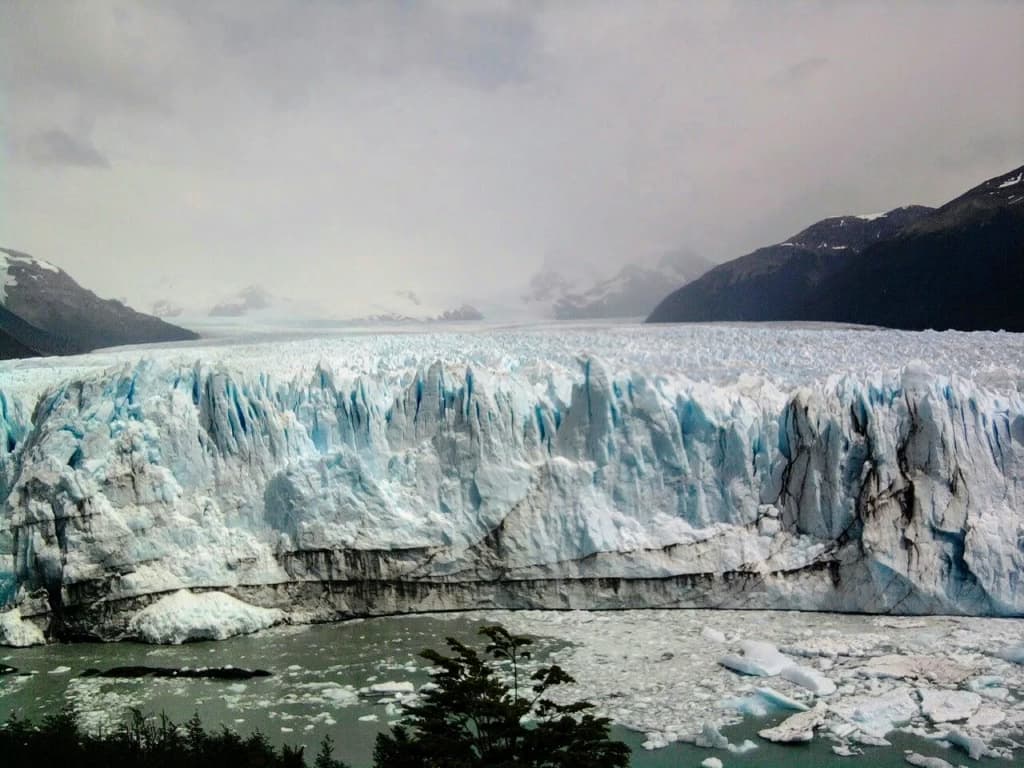
More Photos
More Adventures
 $150 - $300/day 3-5 days
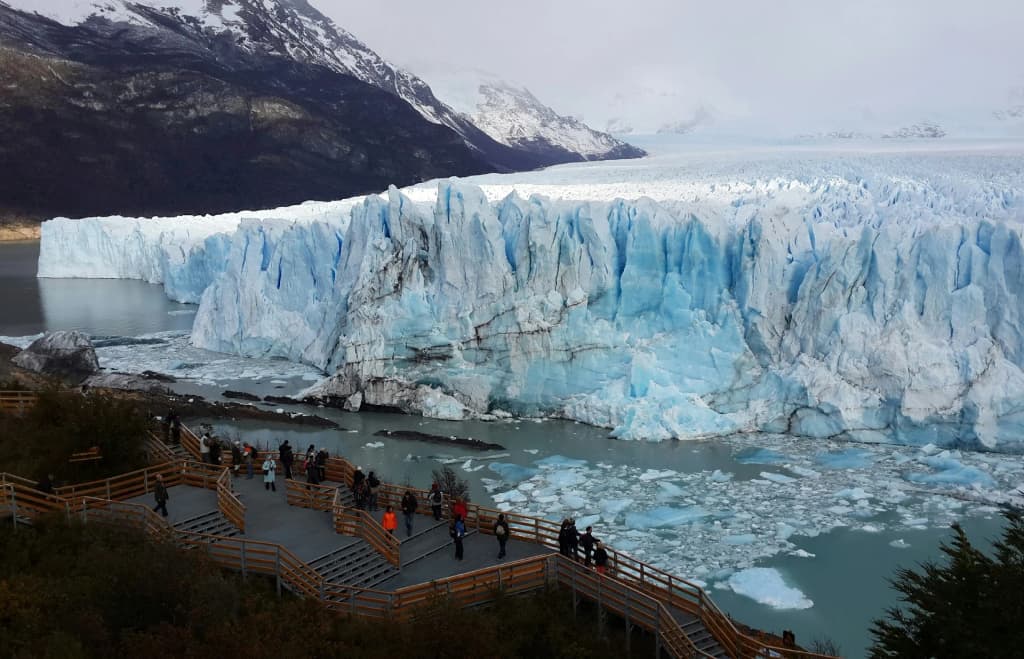
 Conquer the Ice: A Raw Guide to Perito Moreno Glacier
Skip the tourist traps. Rent a car, brave the wild Patagonian weather, and trek across the jagged, electric-blue ice of the Perito Moreno Glacier.
 $30 - $60/day 3-5 days
 Skip the Beach: The Mystical Quartz Mountain of São Thomé
Trade the beach for the mountains. Explore São Thomé das Letras, Brazil's off-grid quartz town. Dive into waterfalls, dark caves, and defy gravity.
 $50 - $150/day 1-2 days
 Conquer the Serra Verde Express: Brazil's Wildest Train
Ditch the tourist traps and ride the Serra Verde Express from Curitiba to Morretes. Discover ticket tips, seating secrets, and the best Barreado.
 $80 - $250/day 4-7 days
 Surviving Manaus: Gateway to the Raw Amazon Jungle
Skip the tourist traps. Dive deep into Manaus, witness the Meeting of the Waters, and journey straight into the raw heart of the Amazon rainforest.