
A Journey Through Washington State's Wild Landscapes
Travel from the caffeinated streets of Seattle to the ancient rainforests of the Olympic Peninsula and the towering volcanic peaks of Mount Rainier.
The smell of roasted espresso beans fights a losing battle against the sharp, metallic tang of the Puget Sound. A man in a thick rubber apron hurls a silver salmon through the damp morning air, the fish catching the pale light before slapping into a bed of crushed ice. "Watch your head, brother," he calls out, flashing a grin that crinkles the corners of his eyes. "First time in Seattle?"
I nod, wiping a stray drop of drizzle from my forehead.
"You picked a good day," he says, gesturing to the heavy gray canopy above with a blood-stained knife. "The rain keeps the tourists sleeping in. Gives the city back to us for a few hours."
He isn't wrong. At this hour, Pike Place Market feels less like a global attraction and more like a working, breathing organism. The slick cobblestones reflect the neon glow of the signs, and the air is thick with the scent of fresh pastries and brine. Seattle is nicknamed the Emerald City due to the lush scenery born from this very climate, a place where urban life is inextricably tied to the water and the woods. I sip my black coffee, the scalding liquid a perfect contrast to the chill creeping through my wool sweater.
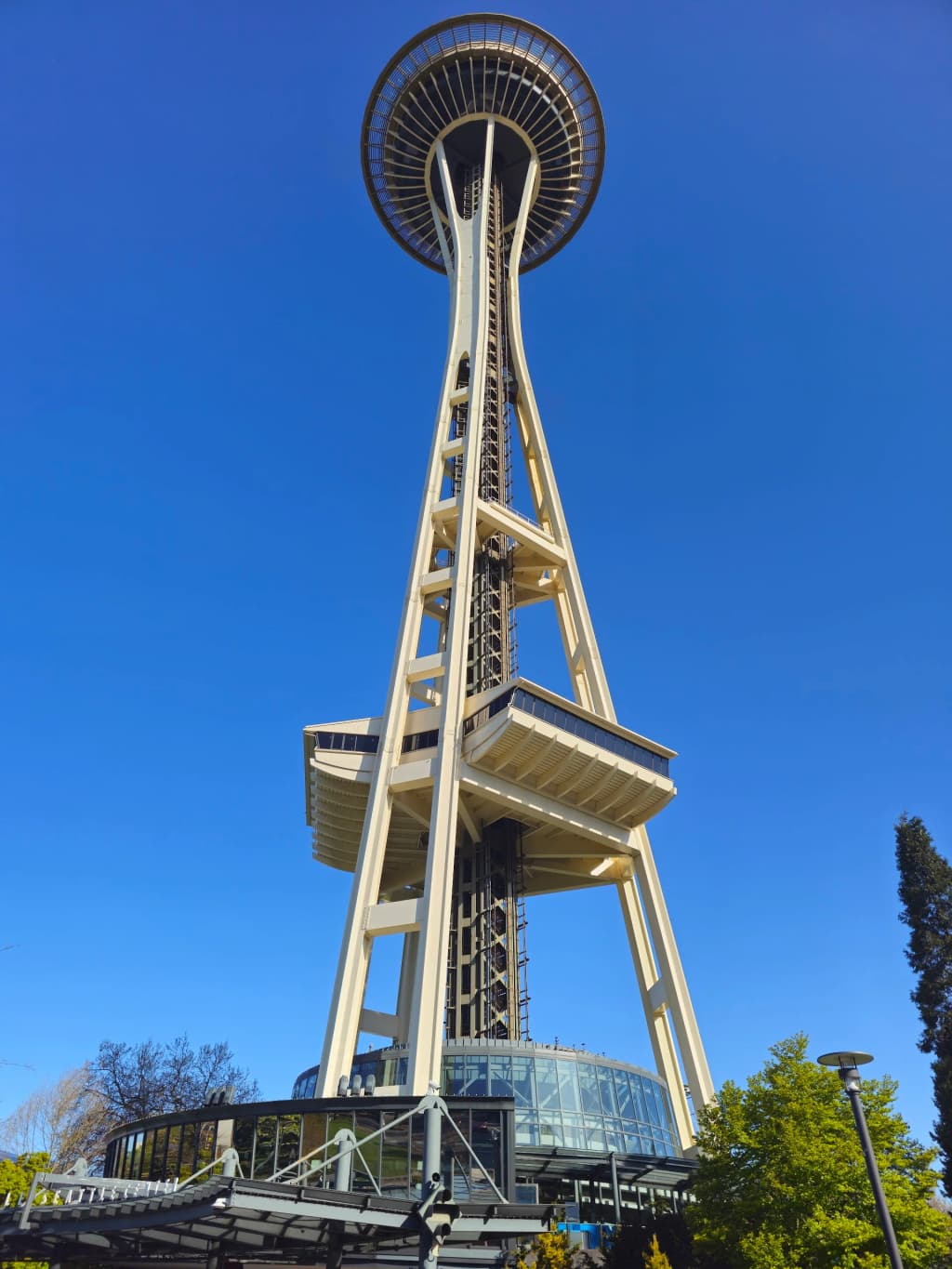
Walking away from the waterfront, the city's skyline transforms into a thicket of towering skyscrapers. Above it all, the crowning glory is the futuristic, six-hundred-foot tall Space Needle. Built for the 1962 World's Fair, it costs around forty dollars to take the elevator to the observation deck, but I prefer the view from the ground, watching it pierce the moody clouds like a flying saucer tethered to the earth by a thread of steel. But as magnetic as the city is, with its global giants and historic markets, the real heartbeat of Washington lies just beyond the concrete.
The roar reaches my ears long before the water comes into view. Driving east from the city, the landscape shifts rapidly from glass and steel to towering pines and deep, emerald valleys. Halfway between the towns of Snoqualmie and Fall City, I pull into the gravel lot just as the morning fog begins to lift.
I step out of the car and the temperature drops immediately. The air here feels heavy, charged with negative ions and the scent of crushed pine needles.
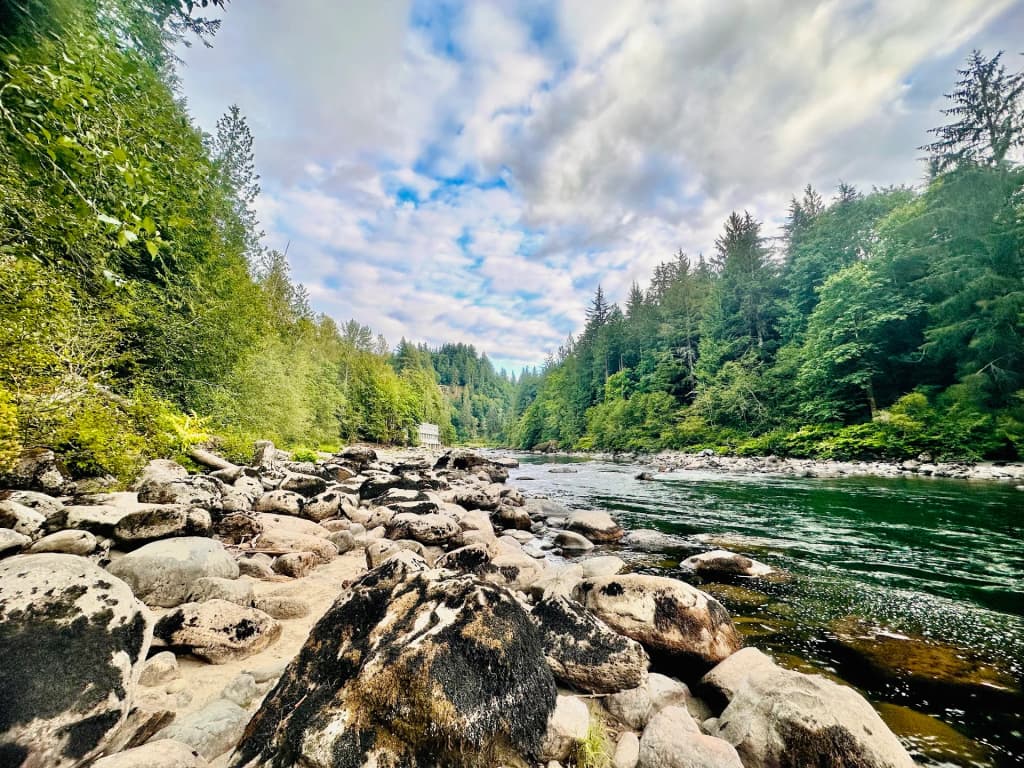
I walk down the short, paved hiking trail, my boots squelching softly in the mud. Then, the trees part. Snoqualmie Falls is a violent, mesmerizing spectacle. The rushing waters plummet nearly three hundred feet into the gorge below, sending up a thick white veil of spray that coats my skin in a fine layer of dew. It is easy to see why this spot is a magnet for photographers and television crews—there is something deeply cinematic, almost eerie, about the sheer force of the water carving its way through the ancient basalt rock. I stand at the wooden railing for a long time, letting the deafening sound wash away the residual noise of the city.
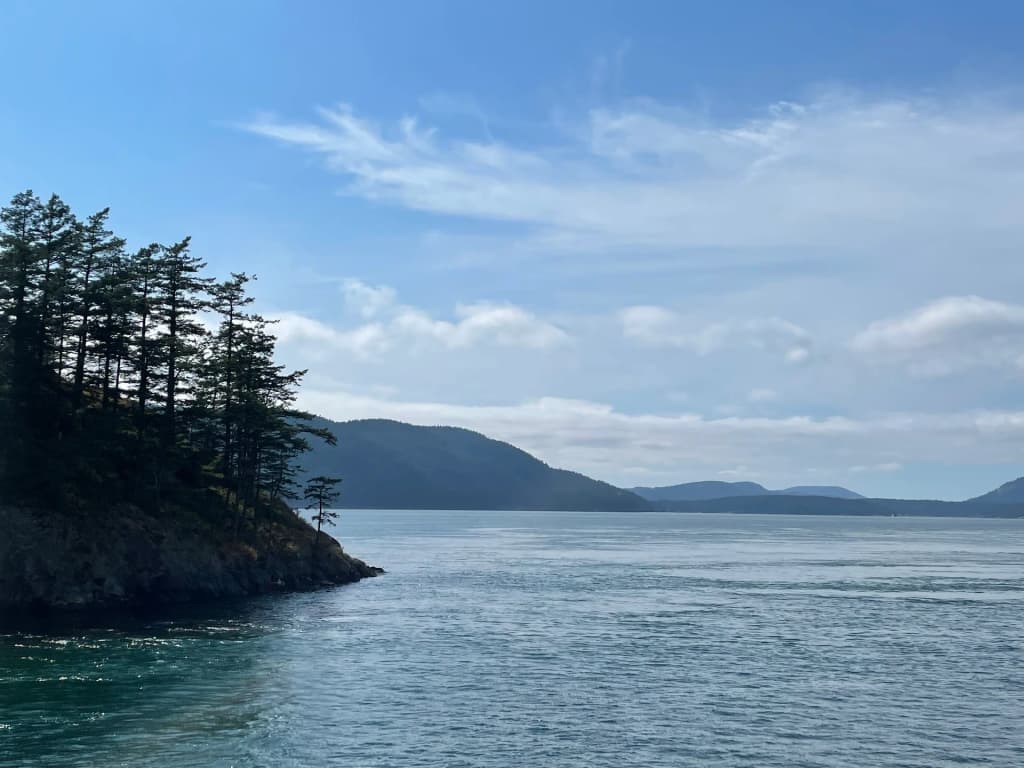
The deck of the ferry vibrates beneath my boots, a low, steady hum that resonates in my chest. I'd booked my vehicle reservation out of Anacortes weeks in advance—a summer necessity that costs about seventy dollars but buys you passage into another world. We are cutting through the northern reaches of the Puget Sound, heading toward the San Juan Islands.
The wind out here is brutal, whipping my jacket against my sides, but I refuse to go inside. The salty sea breeze tastes like pure freedom.
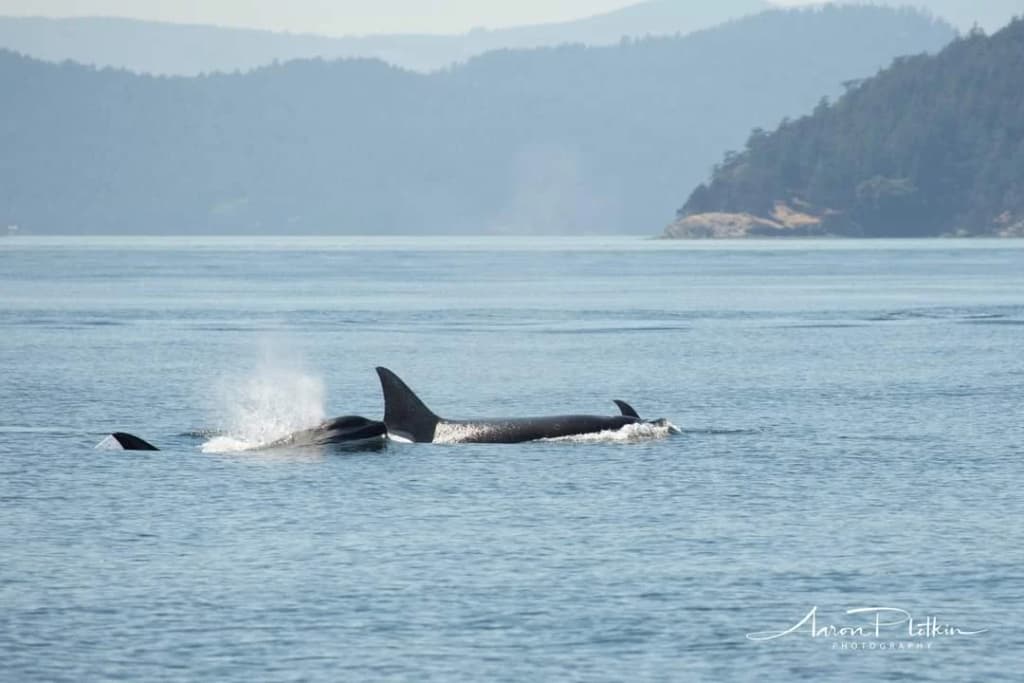
"Keep your eyes on the horizon," a deckhand murmurs as he walks past, coiling a thick, salt-stiffened rope over his shoulder. "The orcas were feeding near the kelp beds yesterday."
I lean over the railing, scanning the dark, rolling swells. The islands themselves are an inviting retreat, rising up from the water like dark green turtles sunning themselves in the cold Pacific. When we finally dock at Friday Harbor, the isolation of the place wraps around me like a heavy blanket. The town is a quiet hub of wooden storefronts and bobbing sailboats. That evening, sitting in a small, dimly lit tavern, I dine on oysters so fresh they taste like a mouthful of the ocean, washing them down with a bitter local IPA. The hustle of the mainland feels a million miles away.
The air changes completely when you enter Olympic National Park. It becomes ancient. Soggy. Alive.
I hand my thirty-dollar entrance pass to the ranger at the booth, a small tribute to pay for access to what feels like another planet. Olympic is a staggering collision of ecosystems, a mind-boggling diversity of nature that spans from massive glacial mountains to dense, dripping rainforests.
I hike deep into the Hoh Rainforest, my bright yellow rain jacket a loud intrusion against the infinite shades of green. Everything here is covered in moss. It hangs from the branches like ragged beards, silencing the forest. The region receives more rainfall than almost any other part of the mainland United States, and you can feel it in every breath. The air is so thick with moisture you could practically wring it out. I run my hand along the trunk of a massive Sitka spruce, the bark spongy and cold. A profound silence settles over the trail, broken only by the rhythmic dripping of water from the canopy to the fern-covered forest floor.
The final leg of my journey takes me south, into the shadows of giants.
Washington is a state defined by its volcanoes, a volatile ring of fire sleeping beneath the ice. I drive through the twisting mountain roads, the landscape bearing the scars of past violence. Mount St. Helens looms in the distance. In 1980, it shed over thirteen hundred feet of its summit in a catastrophic eruption. Today, walking through the surrounding national monument, the devastation is still visible, but so is the miraculous rejuvenation of the earth. Bright wildflowers push through the gray, ash-rich soil, a stubborn display of resilience.
But it is Mount Rainier that truly commands the horizon. The fifth highest peak in the United States, Rainier is an icon, an active volcano wrapped in twenty-six glaciers. I hike up through the foothills, the trails laced with blooming subalpine daisies and purple lupine. The air grows thinner, biting at my lungs.
I stop on a rocky outcropping, my legs burning from the ascent. Below me, the evergreen valleys stretch out endlessly. Above me, the blinding white summit of Rainier pierces the blue sky. It is a harsh, unforgiving environment, yet impossibly fragile. Standing here, caught between the fire of the earth and the ice of the sky, you realize that Washington isn't just a place you visit. It is a place that reminds you, with every breath of cold mountain air, exactly how small you really are.
More Photos
More Adventures
 $150 - $400/day 10-14 days
 Conquer Namibia: The Ultimate 4x4 Desert Expedition
Skip the tourist bus. Rent a 4x4 and tackle Namibia's brutal, stunning landscapes. From dead trees in Deadvlei to tracking desert elephants.
 $100 - $300/day 7-14 days
 Skip the City: The Ultimate New York State Adventure Guide
Think New York is just concrete? Think again. Discover roaring waterfalls, rugged mountain peaks, and untamed islands in the Empire State.
 $300 - $1500/day 3-5 days
 Conquer Aspen: Deep Snow, High Peaks, and Zero Excuses
Think Aspen is just for billionaires? Think again. Grab your heavy gear and dive into this raw, freezing, adrenaline-fueled Aspen winter adventure.
 $100 - $350/day 14-21 days
 Conquer New Zealand: The Ultimate Off-Grid Adventure
Skip the tourist traps. From the glacial winds of Mount Cook to the grueling climb of Roys Peak, discover how to truly experience New Zealand's wild edge.