
The Currency of Freedom: Navigating Southeast Asia Without a Bank Branch
A narrative review of handling finances in Thailand and beyond using the Wise card. Real-world tests of fees, ATMs, and the digital nomad economy.
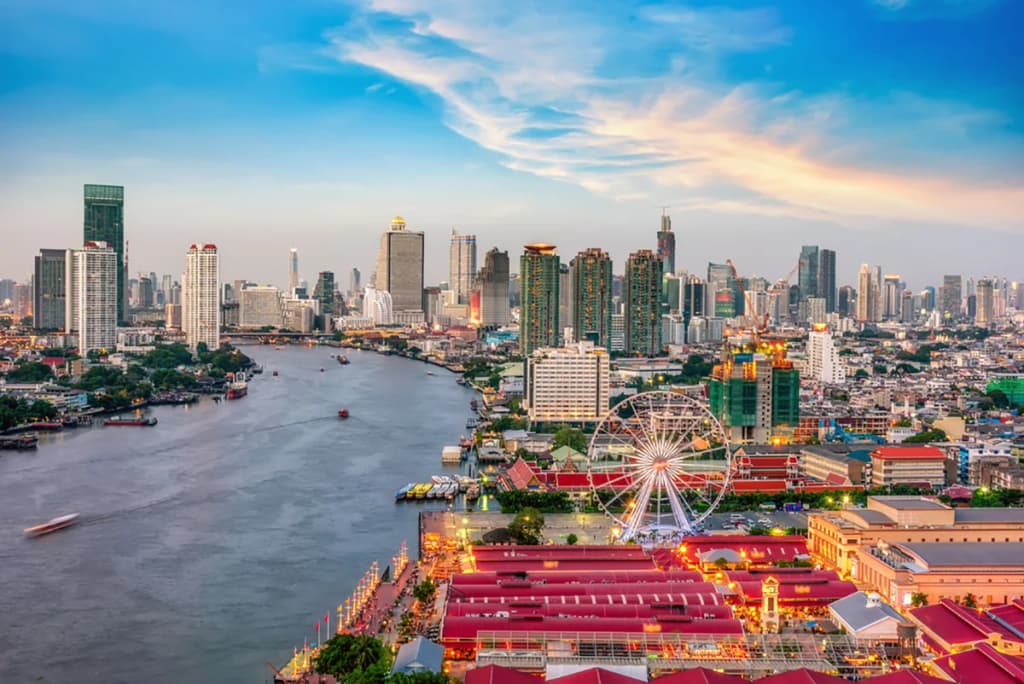
The heat in Bangkok is physical, a heavy blanket of humidity that smells of diesel fumes, lemongrass, and roasting pork. I am standing in front of an ATM that looks like a toy robot, blinking neon lights into the twilight. My fingers hover over the keypad. This is the traveler's tax, the inevitable friction of moving between worlds.
I punch in the numbers. The machine whirs, spitting out crisp Thai Baht, but not before warning me of the 220 Baht fee—standard for almost every machine in the kingdom. It stings, roughly six dollars just to access my own money. But as I walk away, counting the purple notes, I check the notification on my phone. The app tells me exactly what I paid in my home currency. There are no hidden margins, no bankers in suits taking a cut of my pad thai. The conversion happened at the commercial rate, the honest rate. In a city that thrives on bargaining, this feels like the only non-negotiable win of the day.
Weeks before this humid evening, back when the trip was just a collection of pinned maps and daydreams, the envelope arrived. It took less than a week, sliding through the mail slot with a quiet promise of mobility. The card inside was sleek, neon green, but plastic is just plastic until you give it life.
I remember the instructions clearly: load it with a minimum balance and make a physical transaction using the chip and password to wake it up. It’s a small ritual, like breaking in a new pair of boots, ensuring the contactless features will work when you're rushing for a train in a foreign capital. Loading the money is effortless. I simply transfer funds from my local bank, and within seconds, the balance reflects in the app. It feels less like banking and more like loading ammunition for the experiences ahead.
The real test, however, isn't at the ATM. It's in the invisible math that happens every time you tap the card. We have been on the road for months now, drifting from the chaotic streets of Vietnam to the emerald waters of the Philippines. If we had relied on our traditional credit cards, the standard international transaction fees, plus the bank's inflated exchange spread, would have cost us weeks of travel budget.
"You check the app too much," Alía says, watching me scroll through the transaction history while we wait for our coffees.
"I'm just admiring the efficiency," I reply, showing her the breakdown. "We saved enough on the exchange rate today to pay for dinner."
She laughs, taking the phone from me. "Then dinner is on you."

Modern travel is a digital ecosystem. We aren't just walking into hotels; we are booking them on apps while riding in the back of a Grab car. The card integrates seamlessly here, too. I’ve created a virtual card specifically for online purchases—a digital ghost that exists only for safety. We use it to book low-cost flights between islands and reserve stays on Agoda. It adds a layer of separation between our main funds and the wild west of the internet.
One evening, we decide to take a river cruise. I link the card to the Grab app, and a car appears minutes later. The transaction is silent, cashless, and immediate. The driver, a man with a dashboard full of dried marigold garlands, nods as we exit.
"Easy," he says, pointing to his phone.
"Easy," I agree.
But technology has its quirks. We find ourselves at a beachside restaurant in Southern Thailand, the kind where the plastic chairs are dug into the sand and the menu is laminated and sticky with salt. The bill comes, and I tap the card. The machine beeps. Declined.
The waitress looks at me, an apologetic smile on her face. "System okay," she says. "Maybe card?"
I check the app. I have money, but it's all in my home currency. For accounts from certain regions, the card doesn't always auto-convert at the point of sale if the terminal is older or specific banking networks are involved. It demands local currency. The fix is instant. I tap 'Convert', slide my finger across the screen to swap my home funds for Thai Baht, and within three seconds, I have the local currency ready. I tap the card again. Approved.
"Magic," the waitress says, handing me the receipt.
"Something like that," I murmur. It’s a good reminder: the tool is powerful, but you have to know how to wield it.
As we prepare to leave Southeast Asia for Europe, the app adapts. I open a balance in Euros, readying the digital wallet for a new continent. I freeze the physical card with a single tap while we're in transit—just in case it slips out of my pocket during a nap at the gate—and unfreeze it the moment we land.
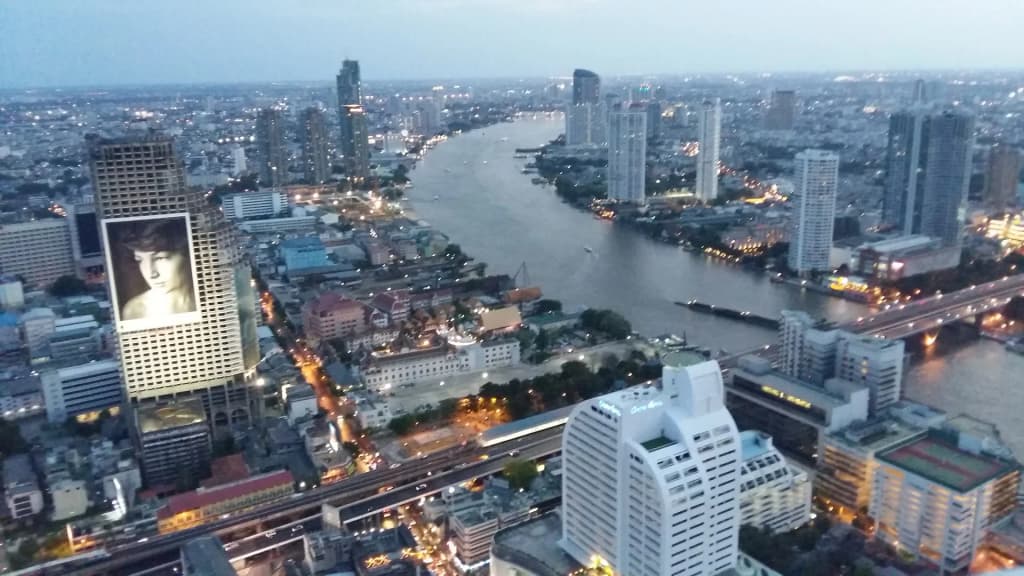
Travel is about the vulnerability of being in a new place, but your finances shouldn't be vulnerable. Standing here, watching the sun dip below the horizon one last time in Thailand, I realize I haven't stepped inside a bank in eight months. The world feels smaller, not because the distances have changed, but because the barriers to moving through it have crumbled.
More Photos
More Adventures
 $33 - $50/day 14-60 days
 The Raw Truth About Budgeting for Bali
Think Bali is too expensive? Think again. Get the raw, unfiltered truth about backpacking Indonesia on a $33 daily budget. Pack your bags and ride.
 $50 - $150/day 7-14 days
 Traveling Brazil with the Wise Card: A Frictionless Journey
Experience the freedom of traveling through Brazil with the Wise card. Learn how to navigate exchange rates, avoid hidden fees, and pay like a local.
 $40 - $150/day 20-30 days
 Conquer Thailand: The Ultimate 20-Day Blueprint
Skip the tourist traps. Grab your backpack. This is your high-energy, no-BS guide to dominating Thailand in 20 days. Get ready to sweat.
 $75 - $250/day 7-14 days
 The Ultimate Month-by-Month International Travel Guide
Stop gambling with your PTO. Discover the exact best (and worst) international destinations for every month of the year to optimize budget and weather.