
A Day Eating Through Santiago: Senses, Streets, and Surprises
From Plaza de Armas to Lastarria and Patio Bellavista, join me as I taste Santiago’s street food, sweets, and local flavors—one bite and story at a time.
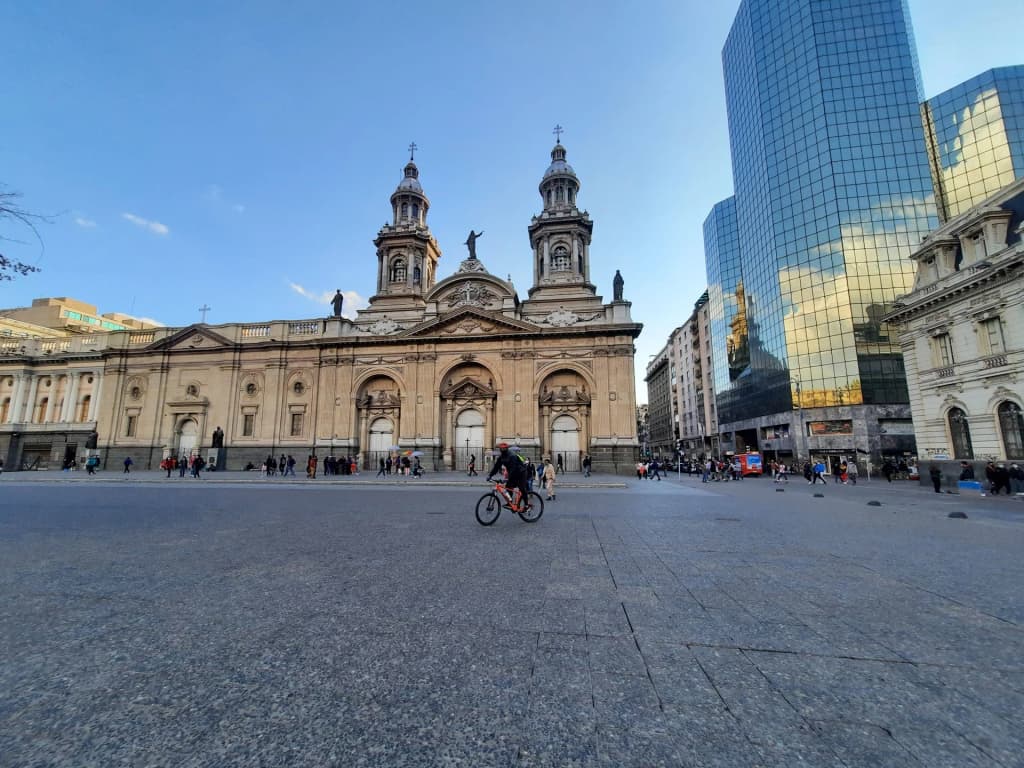
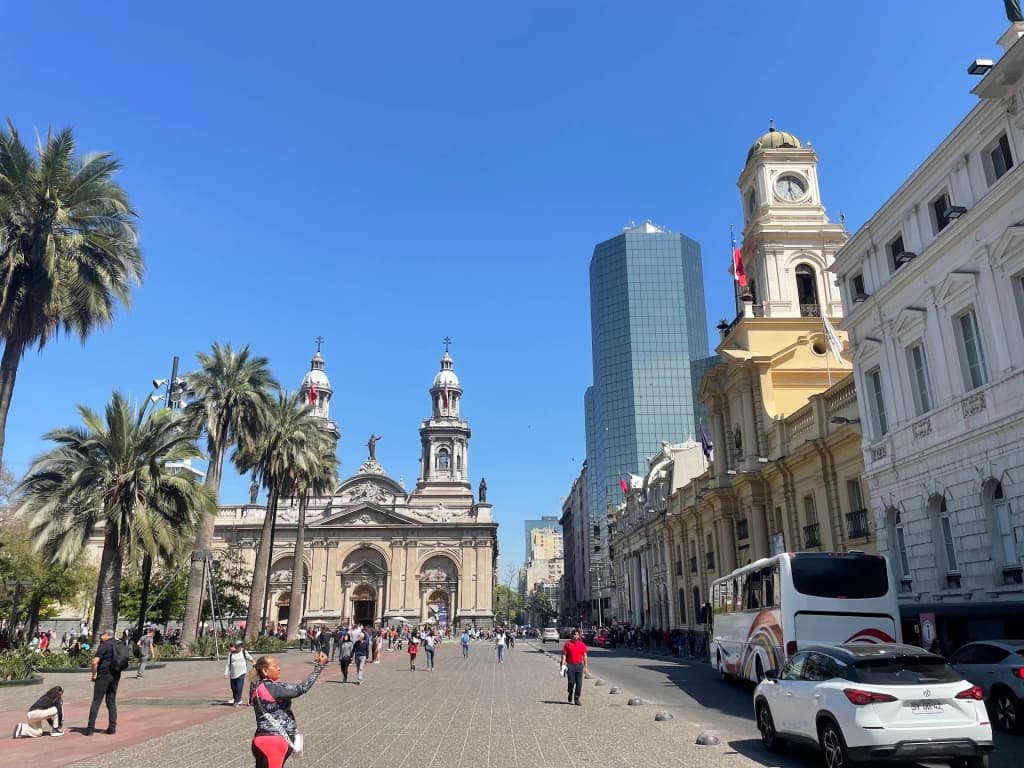
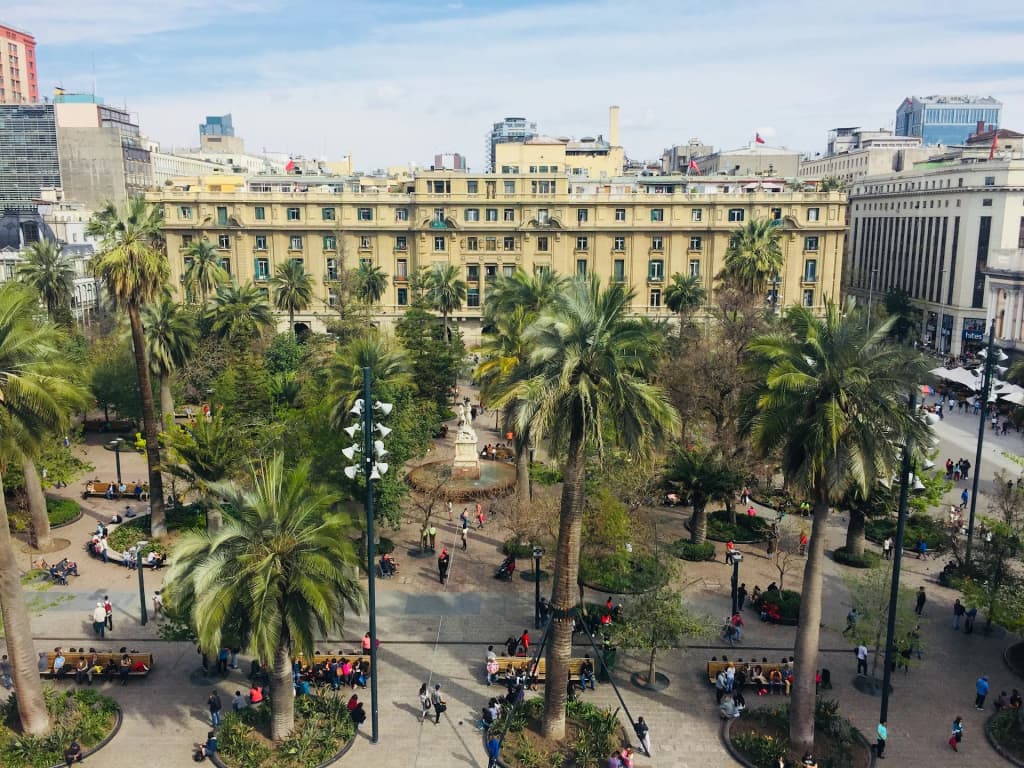
The plaza is alive with a thousand footsteps, the air thick with the scent of fried dough and exhaust, laughter ricocheting off the stone facades. I stand at the edge of Plaza de Armas, the city’s heart, where pigeons scatter and old men argue over chess. The sun is sharp, bouncing off the pale stone of the cathedral, and somewhere nearby, a street musician’s guitar tangles with the clatter of a passing bus. Hunger gnaws at me, but it’s the promise of something uniquely Chilean that draws me down a narrow arcade: the galería de los completos.
Inside, the noise is a living thing—shouts, laughter, the sizzle of sausages. I squeeze into a spot at El Portal, a humble, slightly battered lunch counter where the founder once imported the idea of the hot dog from the United States, only to have it transformed by Chilean hands. Here, the completo reigns: a hot dog, yes, but crowned with a tricolor of tomato, creamy avocado, and a cloud of mayonnaise, the colors of the Italian flag. The bun is soft, the sausage spiced differently than I expect, the avocado lush and cool. I order a frutilla juice—strawberry, vivid and sweet, the kind of fruit that tastes like it was picked this morning. The woman behind the counter grins as she hands it over. “You’re not from here,” she says, not unkindly. I shake my head, mouth full. “But I could get used to this.”
She laughs, wiping her hands on her apron. “Then you must try the Dominó next time. Their bread is softer.”
Back outside, the city pulses. Vendors hawk mote con huesillo from battered carts, the drink’s golden syrup glinting in the sun. I hand over a few coins—barely a dollar—and cradle the plastic cup, its contents strange and inviting: plump wheat kernels, a fat preserved peach, and a sweet, cinnamon-laced nectar. The first sip is a shock of sugar and spice, the wheat chewy, the peach yielding. It’s almost too sweet, but the coldness is a balm against the heat. “It’s refreshing, isn’t it?” a man asks, watching me hesitate. “But you have to like it very sweet.”
I nod, letting the syrup coat my tongue. “It’s like dessert in a cup.”
He grins. “Exactly. Best after climbing San Cristóbal Hill.”
The city’s rhythm changes as I wander into Lastarria, a neighborhood where the old stone gives way to leafy streets and the clink of glasses on café terraces. Here, lunch is a ritual, and the menu del día is king. At Tiprelibre, a Peruvian spot with a reputation for ceviche and pisco, I settle in among locals and a few other travelers. The menu is set: a bowl of beef soup, rich with potatoes and carrots, followed by a plate of white fish and salad. The portions are modest, the flavors clean, the pisco sour sharp and citrusy. I watch as a family at the next table debates the merits of Peruvian versus Chilean pisco, their laughter rising above the clatter of cutlery.
Afterward, I follow the scent of frying potatoes to Pachecos, a tiny shop where cones of fries are handed out like prizes. The potatoes are crisp, the skin left on, and I choose mine with bacon and parmesan, the cheese melting into the hot fries. The woman at the counter tells me, “Most people add garlic cream, but you can make it your own.” I eat standing up, the salt and fat a perfect counterpoint to the city’s sweetness.
Dessert is never far in Santiago. At Gelateria Montana, tucked into a gallery just off the main drag, the cases gleam with a rainbow of flavors. Pistachio, white wine with raisins, and a dozen more I can’t pronounce. The server, cheerful and patient, lets me taste as many as I like. I settle on pistachio—creamy, nutty, impossibly smooth. “Even in winter, we eat ice cream,” she says, handing over my cone. “It’s tradition.”
Evening falls and the city’s pulse shifts again. Patio Bellavista glows with neon and laughter, a warren of restaurants and bars spilling out onto the cobblestones. Here, the choices multiply: sushi, pizza, Chilean classics, all under strings of lights. I find a seat at Los Buenos Muchachos and order an empanada de pino, the most traditional—beef, onion, olive, and a wedge of hard-boiled egg, all wrapped in a golden crust. The filling is savory, the pastry flaky, the cumin unmistakable. “You have to eat it hot,” the waiter advises, “or it’s not the same.”
I linger, watching as groups of friends gather, the air thick with the smell of grilled meat and the low hum of conversation. Later, at Vendetta, a lasagna arrives bubbling in its cast-iron pan, the cheese browned and the sauce rich. I burn my tongue on the first bite, but it’s worth it—layers of pasta, meat, and béchamel, each forkful a small comfort.
By the time I step back into the night, the city feels softer, the edges blurred by food and fatigue. Santiago is a city best understood through its flavors: the tang of pisco, the sweetness of mote con huesillo, the warmth of a fresh empanada. I think of the woman at the lunch counter, her easy laughter, and the way strangers here are always ready to offer advice, a taste, a story. The day ends not with a list, but with a lingering sense of fullness—of stomach, of heart, of memory.
More Photos
More Adventures
 $200 - $500/day 2-3 days
 Conquer Disneyland California: The Ultimate 2-Park Guide
Think Disneyland is just a walk in the park? Think again. Get the ultimate battle plan for dominating Disneyland and California Adventure. Skip the lines.
 $150 - $350/day 1 days
 Conquer Disneyland Paris: 2 Parks in 1 Brutal Day
Think you can't conquer both Disneyland Paris parks in a single day? Think again. Here is the ruthless, high-energy strategy to dominate every major ride.
 $120 - $350/day 2-3 days
 Disneyland Paris Strategy: Ride Hacks & Coaster Secrets
Think you know Disney? Think again. Discover the underground secrets, massive coasters, and insider hacks to conquer Disneyland Paris like a pro.
 $100 - $250/day 3-7 days
 Beyond the Turnstiles: An Orlando Summer Sabbatical
Escape the Orlando theme park crowds and discover the sensory magic of Celebration, the Mall at Millenia, and the neon-soaked shores of Universal CityWalk.