
Aruba vs. Curacao: The Brutal Truth About Paradise
Stuck between Aruba and Curacao? We strip away the marketing fluff to compare beaches, costs, and vibes. Find out which island actually deserves your money.
You’re staring at a map. You’ve got the credit card ready. You want the Caribbean sun, the turquoise water, and the salt on your skin. But you’re stuck.
Aruba or Curacao?
They sit right next to each other. They share a history. They both speak Papiamento. But don't be fooled. These two islands are nothing alike. One is a polished, high-octane resort machine. The other is a rugged, raw adventure waiting to chew you up and spit you out—in the best way possible.
I’m tired of the glossy brochures. I’m breaking it down. No fluff. Just the raw truth to help you pick your side.
The Caribbean Standoff
Here is the reality. Aruba is easy. It’s built for tourists who want to switch off their brains and turn on the relaxation. It’s Americanized. It’s efficient. You land, you grab a cocktail, you sit on a beach chair.
Curacao? Curacao makes you work for it. It’s wilder. It’s bigger. It feels like a real country that just happens to have world-class beaches. You don’t just sit here. You explore.
Aruba: The High-Gloss Resort
They call it the "Happy Island." It lives up to the name, provided your version of happiness involves zero stress and maximum comfort. Aruba is the safe bet. It’s the prom queen of the Caribbean. Perfect hair. Perfect smile. Expensive taste.
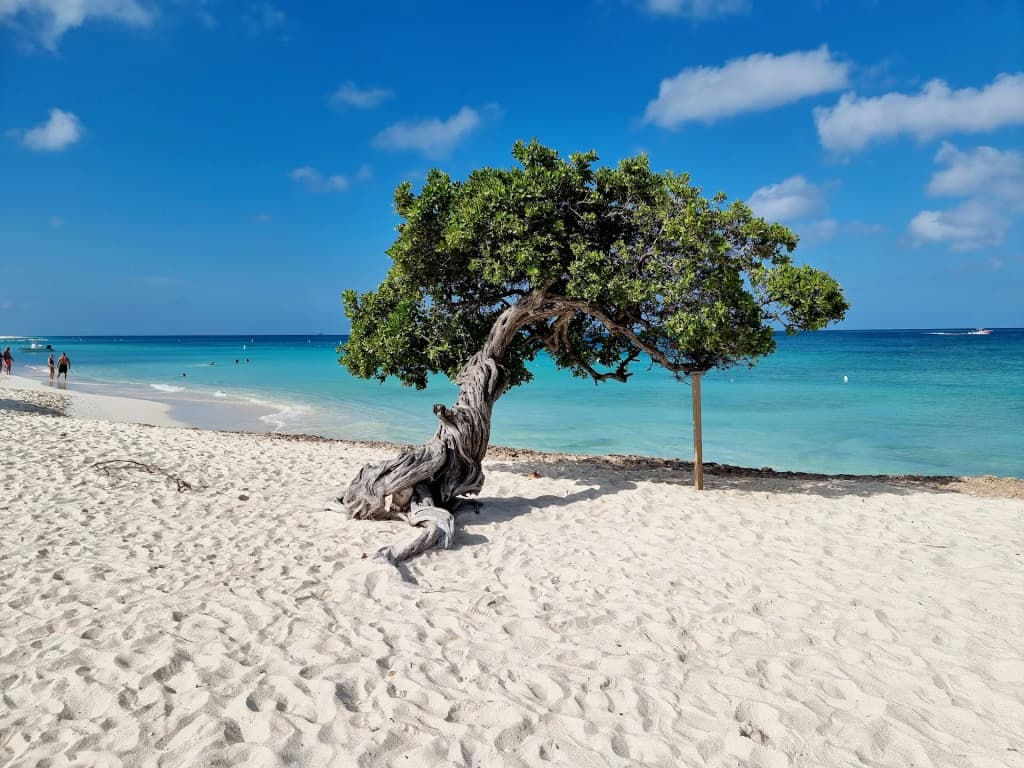
The beaches are ridiculous. Eagle Beach. Palm Beach. We're talking blindingly white sand that stretches for miles. The water is so calm it looks like a swimming pool. You can walk out fifty yards and still see your toes perfectly.
The infrastructure here is flawless. You want a five-star dinner with your feet in the sand? You got it. You want casinos, high-end shopping, and nightclubs that pump until 4 AM? It’s all right there on the strip.
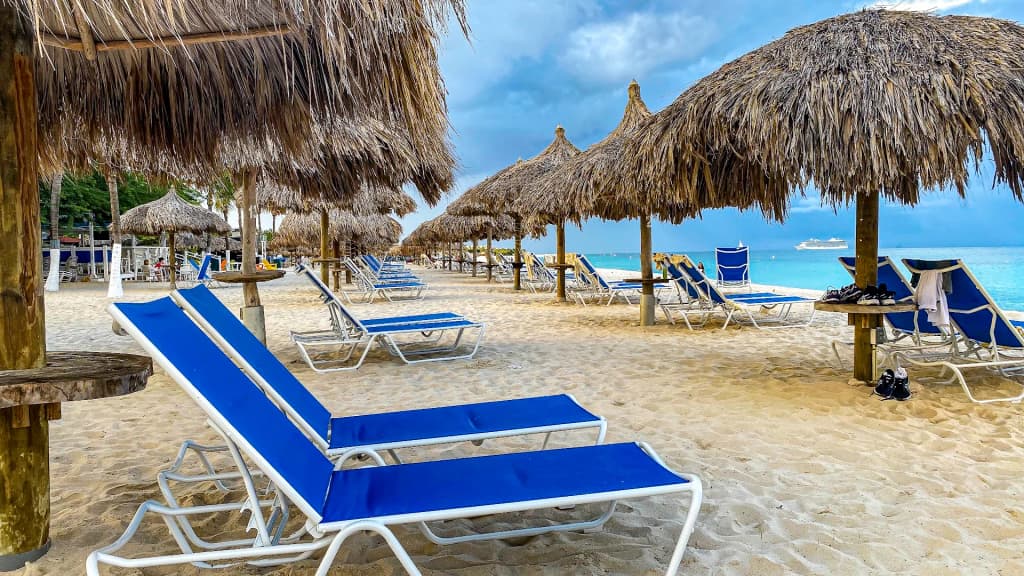
But here’s the catch. It’s crowded. High season is packed. You will share your sunset with a cruise ship full of people. If you hate fighting for a beach chair at 8 AM, this place might drive you crazy.
Curacao: The Gritty Real Deal
Curacao doesn’t care about being perfect. It cares about being real.
This island is for the explorers. The capital, Willemstad, hits you hard. It’s a UNESCO World Heritage site, exploding with colors that smack you in the face. Bright yellows. Deep blues. Fiery reds. It’s not just a backdrop for a selfie. It’s history. You walk across the Queen Emma Pontoon Bridge and you feel the pulse of the city.
The beaches here aren't lined with high-rise hotels. They are tucked away in rocky coves. Isolated. Wild. Places like Kenepa Grandi and Cas Abao require a map and a bit of sweat to find. But when you get there? You might be the only one in the water.
If you dive or snorkel, Curacao wins. Hands down. The marine life is richer. The coral is healthier. The vibe is significantly more laid back. You aren't a tourist here; you're a guest.
The Wallet Hit
Let’s talk money. Because paradise isn't free.
Aruba will hurt your wallet. Everything from accommodation to food is priced for the premium American tourist market. A burger might cost you what a steak dinner costs back home. It’s expensive. However, because the island is small and flat, you can see it all quickly. You go for 4 to 7 days. You spend big, you leave happy.
Curacao offers better value. You get more bang for your buck on lodging and food. You can eat at a "Truki Pan" (food truck) for a few dollars and have the best meal of your life. But there's more to see. The island is huge compared to Aruba. You'll want to stay longer. Ideally 6 to 10 days. You spend less per day, but you stay longer. Do the math.
Don't Miss
Aruba: The sunrise at the California Lighthouse. Snorkeling the shallow waters of Baby Beach. A jeep tour crashing through the dust of Arikok National Park. Curacao: Walking the swinging Queen Emma Bridge in Willemstad. Cliff jumping into the neon blue water at Playa Kenepa Grandi. Snorkeling the sunken Tugboat wreck.
Getting Around: Freedom Required
Listen to me closely. Rent. The. Car.
Do not rely on public transport. Sure, it exists. But do you want to wait at a bus stop in the tropical heat? No. You are here to live.
In Aruba, a car gets you away from the hotel strip. It gets you to the wild north coast where the ocean crashes against the rocks. It gets you to Zeerovers for fresh fried fish.
In Curacao, a car is non-negotiable. The best beaches are far apart. You need wheels to find the secret spots. You need the freedom to get lost. Driving in Willemstad can be chaotic, but out on the west end? It’s just you and the cactus fields.
The Verdict
So, who wins? That depends entirely on you.
If you want luxury, ease, and guaranteed perfect beaches without lifting a finger, go to Aruba. It’s safe. It’s fun. It’s beautiful. You will come home rested and tanned.
If you want adventure, culture, and a feeling of discovery, go to Curacao. It’s raw. It’s colorful. It feels like a journey, not just a vacation.
Still can’t decide? They are a 30-minute flight apart. Do both. Why settle for one paradise when you can conquer two?
Stop overthinking. Book the ticket. Pack your bag. Go.
More Photos
More Adventures
 $40 - $150/day 20-30 days
 Conquer Thailand: The Ultimate 20-Day Blueprint
Skip the tourist traps. Grab your backpack. This is your high-energy, no-BS guide to dominating Thailand in 20 days. Get ready to sweat.
 $200 - $450/day 1-2 days
 Chasing the Magic: An Immersive Day Inside the Kingdom
Experience the sensory overload and quiet corners of Magic Kingdom, from sunrise coaster rides to peaceful escapes across the Seven Seas Lagoon.
 $150 - $300/day 1-2 days
 Conquer Epcot: The Ultimate High-Speed Global Gauntlet
Think Epcot is a slow stroll? Think again. It's a high-speed, globe-trotting gauntlet. Hack the rides, taste the world, and push your limits in Orlando.
 $40 - $120/day 14-30 days
 The Taste of Chili and Time Travel: Everyday Magic in Thailand
Immerse yourself in the sensory details of Thailand's deeply rooted culture, from Buddhist calendars and saffron-robed monks to street food rules.