
Survive the Alpaca Feeding Frenzy at Awana Kancha
Skip the sterile petting zoos. Discover the chaotic, messy, and unforgettable experience of feeding baby alpacas at Awana Kancha in Peru's Sacred Valley.
Think you've seen wildlife? Think again. Most places hand you a sad little paper cup of pellets. They point you toward a bored animal behind a chain-link fence.
Not here. Not in the high altitudes of the Peruvian Andes. Welcome to Awana Kancha.
It’s raw. It’s real. And it’s about to get incredibly messy.
Cusco sits at a lung-crushing 11,152 feet. The thin air hits you the second you step off the plane. You need to acclimatize. You need to take it slow.
But taking it slow doesn't mean hiding in your hotel room. It means finding the pockets of wild, untamed energy just outside the city limits.
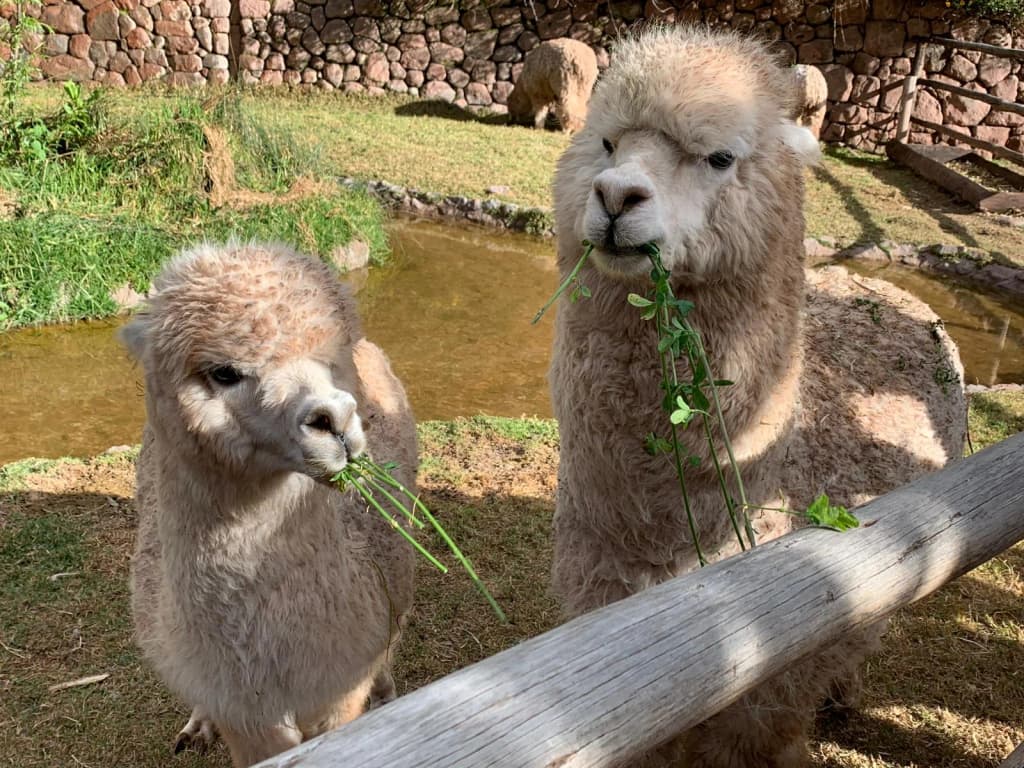
Skip the sterile tourist traps. This isn't a petting zoo. This is an active, breathing camelid sanctuary in the heart of the Sacred Valley.
You are here for one reason. To get up close and personal with the undisputed kings of the Andes.
Dare to Take the Detour
Most travelers rush straight from Cusco to Machu Picchu. They sleep on the train. They miss the absolute magic waiting in the valleys between.
Don't make that rookie mistake. Hire a local driver. Tell them to pull over at Awana Kancha on the winding mountain road to Pisac.
The landscape alone will stop you in your tracks. Jagged green peaks. Deep, plunging valleys. The sheer, terrifying scale of the Andes towering above you.
Then you hear the sounds. The low grunts. The heavy shuffling of hooves in the dry dirt.
You step out of the car. You grab a baby bottle filled with warm milk. The real adventure begins right now.
Survive the Five-Minute Frenzy
Brace yourself. The moment they see that bottle, the rules change entirely.
The baby alpacas don't walk toward you. They charge. They hit you like a tidal wave of pure, aggressive fluff.
You have exactly five seconds to establish dominance. Spoiler alert: you won't. They run this place.
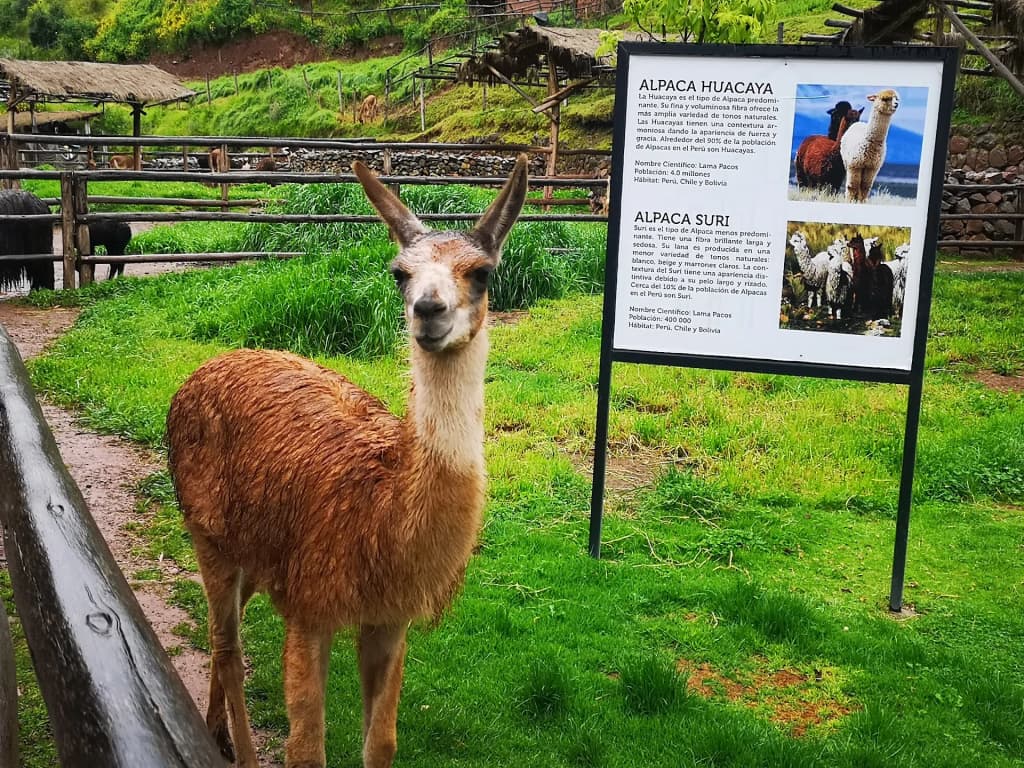
They don't care about your personal space. They don't care about your perfectly curated travel outfit. They only care about the milk.
They will surround you. A sea of long necks and giant, soulful eyes demands your immediate attention. It overwhelms you. It completely intoxicates you.
They latch onto the bottles with terrifying speed. Five minutes. That’s all it takes.
They drain the milk faster than your brain can process the chaos. They are ruthless. They are absolutely hilarious.
You will feel the tug. You will feel their surprisingly strong jaws pulling at the plastic. Hold on tight.
The Part Nobody Tells You
The aftermath hits hard. Sticky milk coats your hands. Fine Andean dust covers your clothes.
They will probably drool on you. You might even catch a stray spray of alpaca spit. Consider it a rite of passage.
This is why you need a towel. Keep a small hand towel in your daypack. You will desperately reach for it the second the bottles run empty.
Wipe the grime off. Catch your breath. Laugh at the absolute absurdity of what just happened.
You came to Peru to feel alive. Getting mugged by baby alpacas definitely does the trick.
Don't Miss
The chaotic five-minute baby alpaca bottle-feeding session. The traditional dyeing demonstration using crushed cochineal insects. That quiet moment watching the master weavers work their ancient looms.
Look Past the Fluff
Once you clean your hands, look around. Awana Kancha offers more than hungry babies.
This place operates as a living museum. It serves as a vital sanctuary for all four types of South American camelids.
Llamas. Alpacas. Guanacos. The incredibly rare and protected vicuñas. They all live here.
Watch them interact. Notice the stark differences.
The guanacos remain wild and untamed. They keep their distance, watching you with cautious eyes.
The llamas act like confident older siblings. They strut around the enclosures like they own the entire mountain.
And the vicuñas? They look fragile, almost delicate. Yet they produce the most expensive, highly sought-after wool on the planet.
Understanding these animals unlocks the key to understanding the Andes. For thousands of years, these creatures fueled the Incan empire.
They provided food. They provided essential warmth. They carried the weight of a massive civilization across impossible terrain.
The locals here don't just feed the animals. They honor them. They preserve a way of life that refuses to fade away.
Witness the Ancient Threads
Walk past the wooden enclosures. Follow the brilliant flashes of color. Find the weaving stations.
Local women sit on the ground. Their hands move with blinding speed. They work traditional backstrap looms.
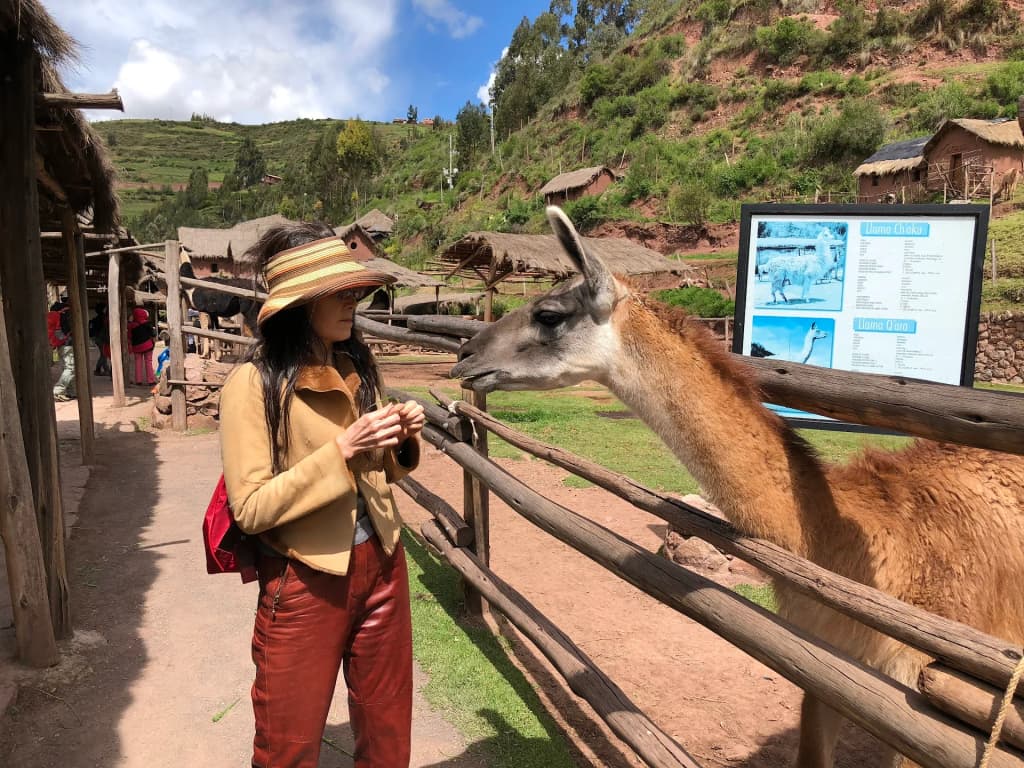
No machines. No electricity. Just hands, time, and centuries of inherited knowledge passed down through generations.
They take the raw fleece from the animals you just fed. They spin it into yarn. They dye it using roots, leaves, and crushed bugs.
Watch the dyeing process unfold. They boil water over open fires. They toss in handfuls of natural ingredients.
Purple corn. Maras salt. The incredible cochineal insect that bleeds a brilliant, unmistakable crimson red.
They transform dull, raw wool into a technicolor dream. Every single thread tells a story. Every geometric pattern maps the mountains, the rivers, and the stars.
Watching them mesmerizes you. It puts every mass-produced souvenir you've ever bought to absolute shame.
When you buy a textile here, you aren't just buying a sweater. You take a piece of Incan history home with you. You make a direct investment in their survival.
Ready to Face the Herd?
You could stay on the tourist bus. You could look out the tinted window and snap a blurry photo of an alpaca standing in a distant field.
Or you could get your hands dirty. You could feel them aggressively rip the warm milk bottle from your grip.
Awana Kancha demands your participation. It requires you to step out into the dust and engage with the wild.
Pack your daypack. Grab that essential hand towel. Prepare for the wildest, fastest five minutes in the Sacred Valley.
Are you ready to get lost in the chaos?
More Photos
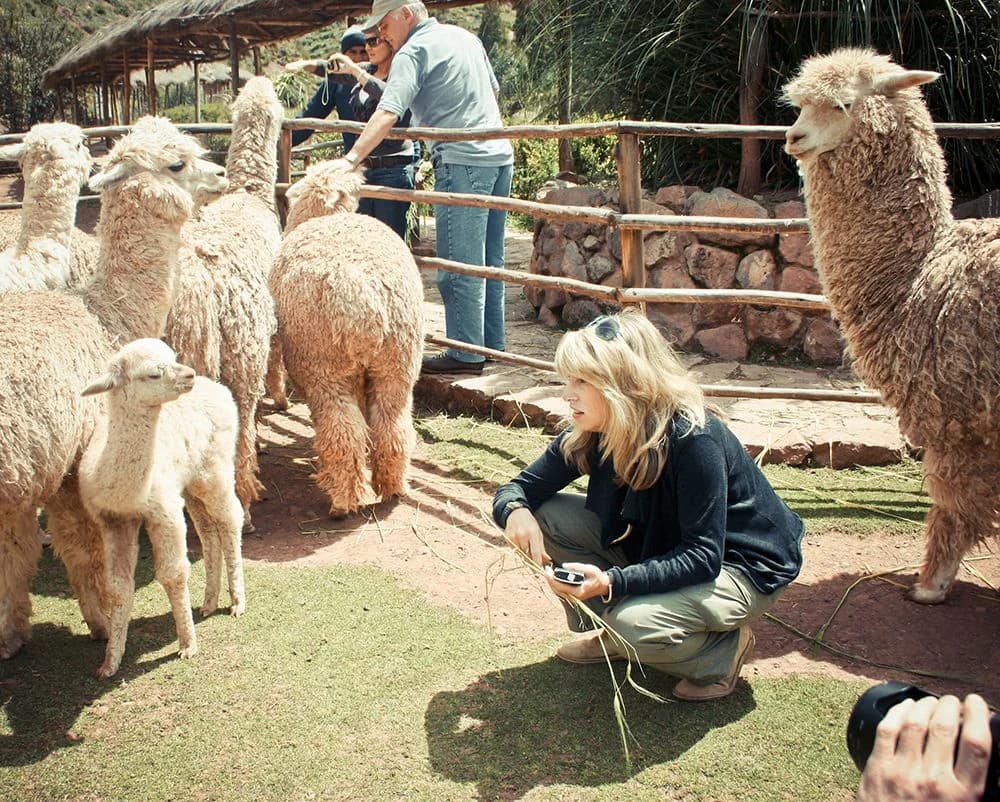
More Adventures
 $150 - $350/day 2-4 days
 The Anaheim Strategy: Where to Stay Near Disneyland on a Budget
Discover why staying at an off-property hotel within walking distance of Disneyland is the smartest strategy to save money and avoid Los Angeles traffic.
 $60 - $200/day 4-7 days
 Between the Andes and the Ocean: Unraveling Santiago
Experience the striking contrasts of Santiago, Chile. Discover historic dive bars, the soaring Andes in Cajón del Maipo, and the colorful hills of Valparaíso.
 $150 - $350/day 10-21 days
 2025 ETIAS Guide: Exact Costs & How to Apply for Europe
Planning a 2025 Europe trip? Learn exactly how to apply for the new ETIAS and UK ETA, including exact costs, processing times, and how to avoid scams.
 $75 - $250/day 7-14 days
 The Ultimate Month-by-Month International Travel Guide
Stop gambling with your PTO. Discover the exact best (and worst) international destinations for every month of the year to optimize budget and weather.