
Bariloche’s Civic Heart: Snow, Chocolate, and Lessons Learned
Bariloche’s Civic Center pulses with life—snow, chocolate, and hard-won travel wisdom. A sensory journey through Argentina’s mountain city, with local voices.
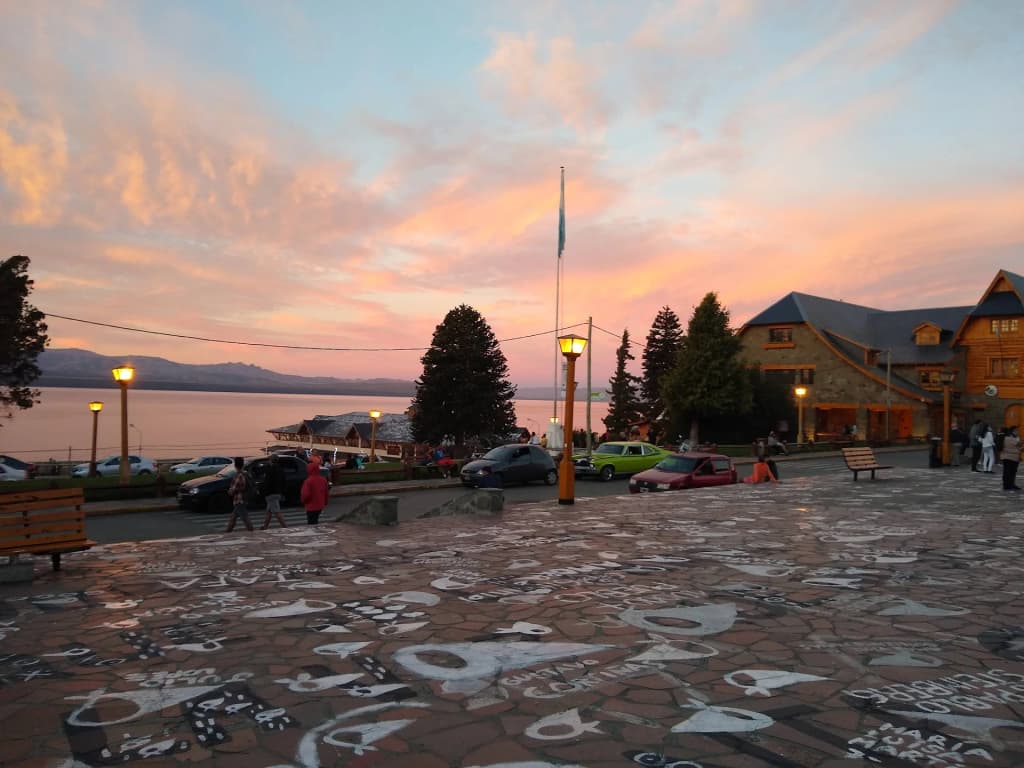
The cold bites first, sharp and insistent, as I step into the stone embrace of Bariloche’s Centro Cívico. Granite arches frame the square, their edges softened by a dusting of snow. The air is alive with the chatter of families, the scrape of boots, the distant laughter of children chasing pigeons. Somewhere, the rich scent of chocolate drifts from a nearby shop, mingling with the crispness of mountain air and the faint tang of woodsmoke. I pull my scarf tighter, feeling the warmth of wool against my skin, and let myself be swept into the city’s pulse.
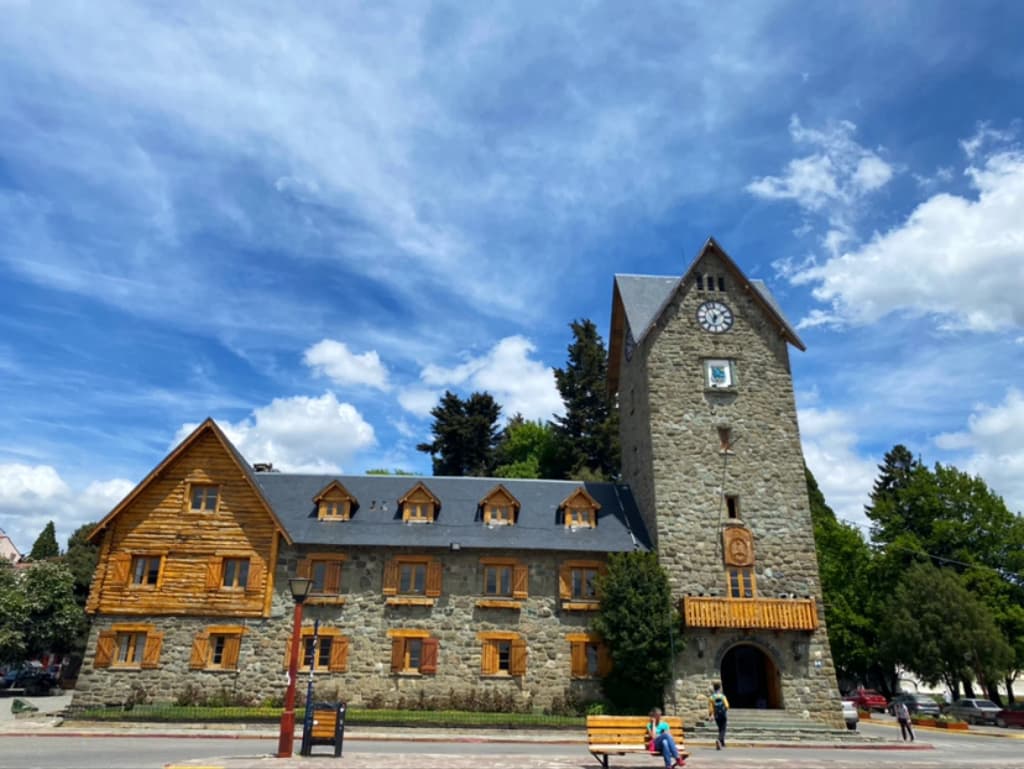
A woman in a red parka stands beside the statue of General Roca, her breath visible as she gestures toward the lake. “You’re not from here,” she says, her accent lilting, eyes bright. I shake my head, grinning. “No, but I wish I was.” She laughs, the sound echoing off the stone. “Then you must try the chocolate. And don’t forget—never leave your bag in the car.”
I nod, tucking that advice away. Bariloche is a city of lessons, some learned the hard way. The center is perfect for wandering—Mitre Street lined with chocolate shops, cafés, and the hum of commerce. I pass a family huddled around a steaming cup of hot chocolate, the sweet, velvety aroma curling into the air. Their cheeks are flushed, eyes wide with the thrill of snow. The city’s heart beats strongest here, where history and daily life mingle beneath the watchful gaze of the mountains.
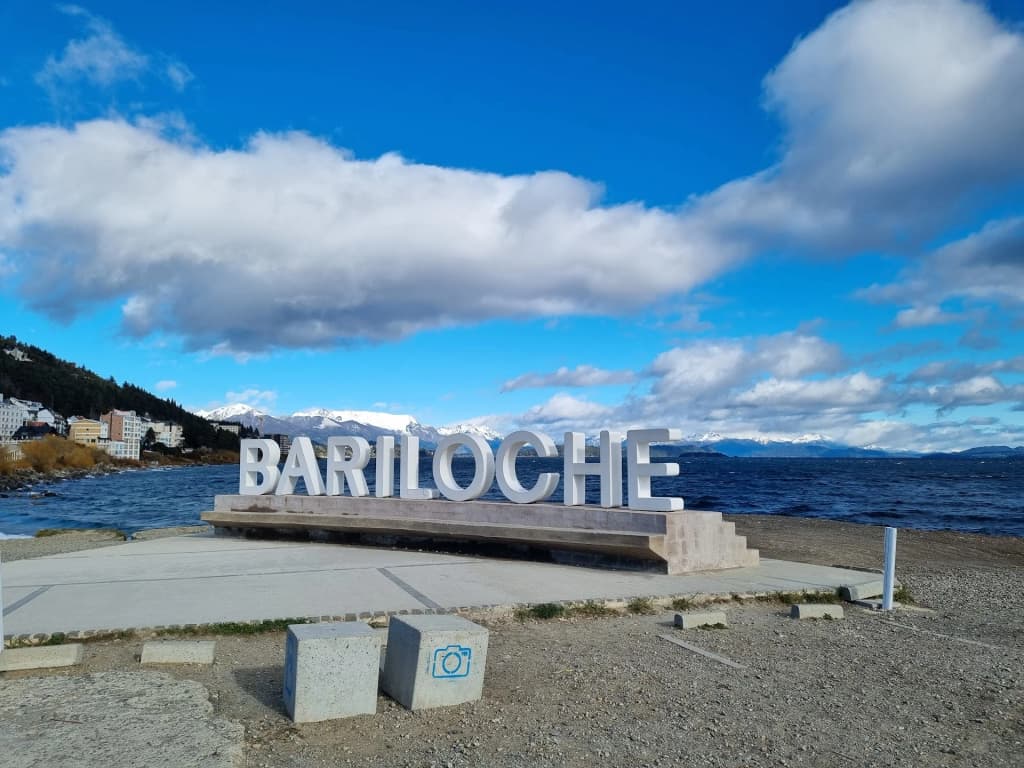
The rhythm of Bariloche changes as you move outward. Along Avenida Bustillo, the city’s edge dissolves into the blue expanse of Lake Nahuel Huapi. Here, the world feels quieter, the air tinged with pine and the promise of adventure. I watch as a couple unloads skis from their car, laughter muffled by scarves. The lake glimmers, impossibly clear, and the mountains beyond are dusted with fresh snow. It’s easy to see why some choose to stay here, trading the bustle of the center for the serenity of water and sky. But distance has its price—taxis and remis (those local, pre-arranged rides) become lifelines, and the freedom of a rental car is both a blessing and a risk. I remember the warning: never leave anything of value in the car. Stories of break-ins travel fast here, whispered over coffee and echoed in the careful way locals glance at parked vehicles.
The city’s true magic, though, lies in its mountains. Cerro Campanario calls on a clear morning, the chairlift creaking as it climbs above the treetops. The wind is sharp, carrying the scent of wet earth and distant woodsmoke. At the summit, the world unfurls—lakes and peaks, clouds drifting low, the city a patchwork below. I meet a guide, his cheeks ruddy from the cold. “You picked a good day,” he says, nodding at the view. “But if the clouds come, you see nothing. Always check the sky before you go.”
He’s right. The weather here is a fickle companion. On another day, at Cerro Otto, rain closes the mountain just as I reach the front of the line. The disappointment is palpable—families shuffling back to their cars, the scent of wet wool and dashed hopes lingering in the air. Flexibility, I learn, is as essential as a warm jacket.
Snow brings its own lessons. At Piedras Blancas, the laughter of children echoes down the slope. The snow is soft, perfect for sledding, and the air is filled with the squeals of delight and the crunch of boots. I watch a father and daughter tumble together, faces split with joy. Later, at Cerro Catedral, the mood shifts—crowds jostle for space, and the sledding hill is a chaos of bodies and bright jackets. “It’s not so good for little ones,” a mother confides, brushing snow from her daughter’s hat. “Too wild. Piedras Blancas is better for families.”
The practicalities of snow are everywhere—queues for rental gear, the ritual of layering up in thermal shirts and fleece, the inevitable wait for a turn on the slopes. Renting snow clothes in town is a dance of patience: try-ons, contracts, the shuffle of boots and the faint scent of damp fabric. It’s not glamorous, but it’s necessary. I hear a man mutter, “Next time, I buy my own. At least I’ll look different from everyone else.”
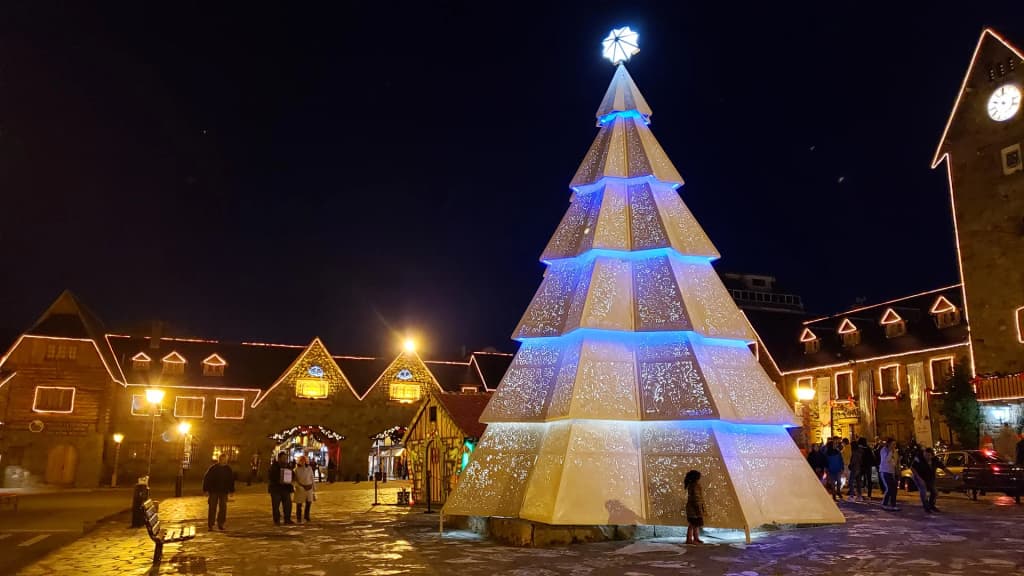
Evenings in Bariloche are a study in contrasts. The city glows under streetlights, the warmth of parrillas and breweries spilling onto the sidewalks. I join the line at Boliche de Alberto, the aroma of grilled beef thick in the air. The wait is long—two hours, maybe more—but the promise of Argentine steak is enough to keep spirits high. Inside, the sizzle of meat, the clink of glasses, the low hum of conversation. My plate arrives, the steak perfectly charred, juices pooling beside a mound of golden potatoes. Each bite is a revelation—smoky, tender, impossibly rich. I savor it slowly, letting the flavors linger.
A server leans in, smiling. “You came at the right time. In winter, always reserve if you can. Otherwise, you wait.”
I nod, grateful for the advice, and for the warmth that seeps into my bones.
Travel here is a lesson in adaptation. The currency shifts, the rules change. I learn to carry a mix of pesos and cards, to use the Wise app for quick transfers, to never rely on a single method. At the border, my ID is enough—no visa, no passport, just a well-kept document and, now, proof of travel insurance. The rules are simple, but the peace of mind is priceless, especially when the snow calls and the mountains beckon.
On my last day, I drive the Ruta 40 toward Villa La Angostura. The road winds along the lake, the sky impossibly wide, the world hushed beneath a blanket of white. Snow falls in lazy spirals, dusting the pines, softening the edges of the day. In the village, I find warmth in a tiny café, the scent of coffee and pastry filling the air. Outside, children chase flakes, their laughter rising above the hush. I watch, heart full, as the snow continues to fall, and I know I’ll return—summer or winter, for chocolate or steak, for the lessons and the laughter that linger long after the journey ends.
More Photos
More Adventures
 $120 - $250/day 1-2 days
 Hack the Alps: Milan to St. Moritz Day Trip on a Budget
Discover how to travel from Milan to St. Moritz on a budget. Skip the Bernina Express, take the regional train, and experience the Swiss Alps like a pro.
 $200 - $450/day 1-2 days
 Chasing the Magic: An Immersive Day Inside the Kingdom
Experience the sensory overload and quiet corners of Magic Kingdom, from sunrise coaster rides to peaceful escapes across the Seven Seas Lagoon.
 $100 - $250/day 2-4 days
 A Journey to Campos do Jordão: Finding Brazil's Alpine Soul
Experience the mountain culture of Campos do Jordão, Brazil's highest city. Discover cherry blossoms, historic railways, and cozy alpine gastronomy.
 $150 - $400/day 5-7 days
 Punta Cana Budget & Resort Guide: A Data-Driven Itinerary
Plan your Punta Cana trip with exact costs, all-inclusive resort comparisons, high-ROI excursion prices, and a breakdown of local tipping etiquette.