
Sensory Buenos Aires: Smoke, Stone, and Neon Lights
Immerse yourself in Buenos Aires. Experience the contrasts from the smoky grills of San Telmo to the neon-drenched pizzerias of Avenida Corrientes.
The smoke hits the back of my throat before I even see the grill. It is a thick, intoxicating cloud of charred beef fat, white oak fire, and sharp, raw garlic. I push through the heavy wrought-iron doors of Mercado San Telmo, my boots scuffing against cracked mosaic tiles that have borne the weight of a million hurried footsteps over the decades. The air inside is heavy, clinging to the skin with the humidity of late afternoon, but nobody seems to mind the heat. I squeeze past a display of antique seltzer bottles and find an empty stool at a crowded, grease-slicked counter, pointing a finger at the sizzling meats. A few minutes later, I am holding a choripán wrapped in thin paper. The crusty bread shatters between my teeth, giving way to the snap of the sausage and the acidic, herbal punch of fresh chimichurri. It tastes like survival and celebration all rolled into one bite. I wash it down with a cold draft beer, the condensation dripping onto my jeans, while the market around me swells with the clatter of heavy plates, rapid-fire Argentine Spanish, and the rhythmic, dull thud of butcher knives against wooden blocks.
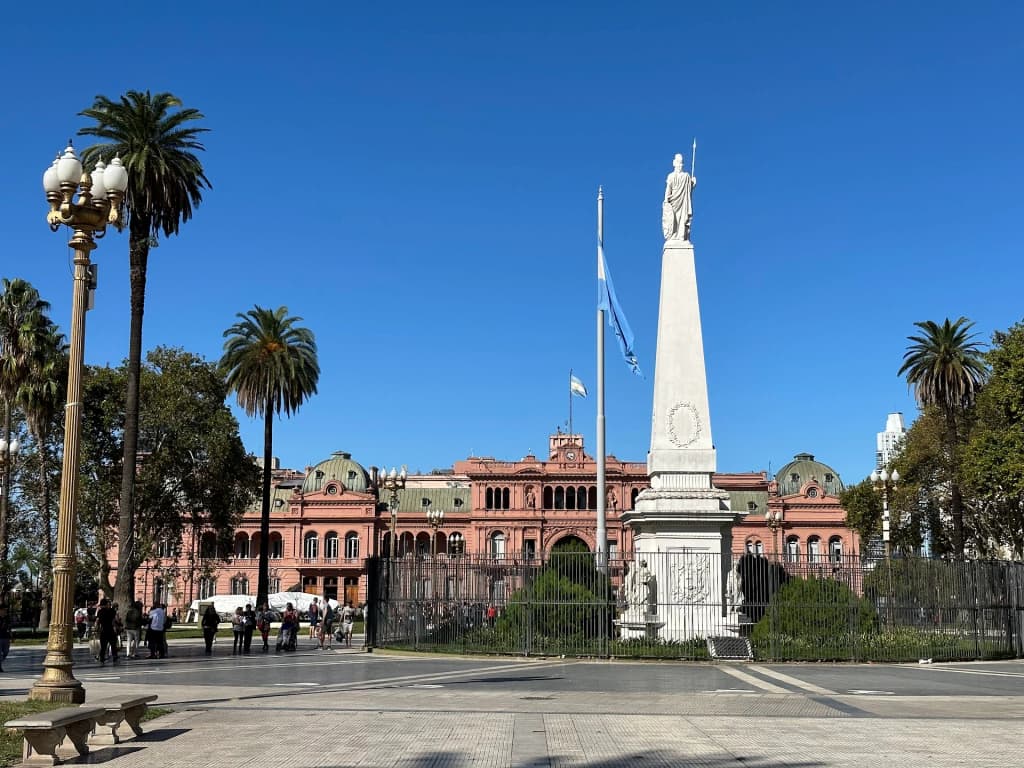
I walk off the heavy meal by heading toward the political heart of the city. The transition from the narrow, antique-lined streets of San Telmo to the wide, sun-bleached expanse of Plaza de Mayo feels like stepping from a crowded hallway onto a vast theater stage. The Casa Rosada dominates the view.
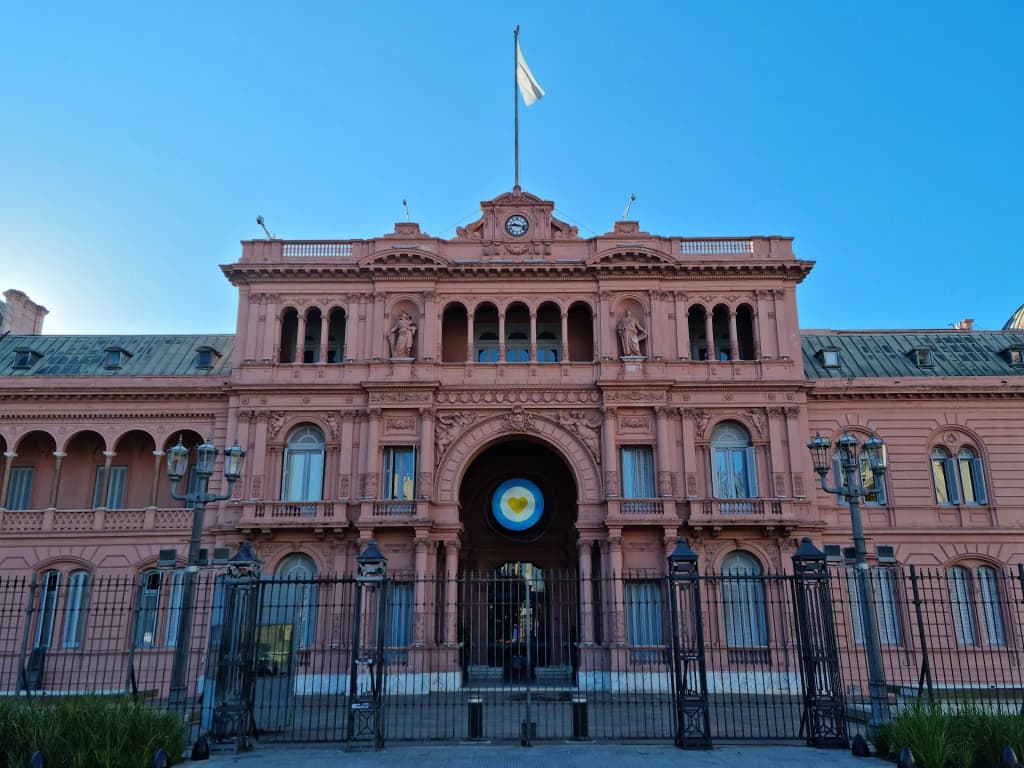
Its pink stone facade seems to absorb the afternoon heat, radiating a warm, salmon-colored glow against the bright, cloudless sky. I run my hand along the cool iron fences, listening to the distant, rhythmic chants of a small protest gathering near the center—there is always a protest here, a chaotic, beautiful reminder of the city's restless soul. Just across the square, the imposing neoclassical columns of the Catedral Metropolitana offer a sudden, quiet refuge. Inside, the temperature drops ten degrees. The air smells of old dust, polished wood, and melting beeswax candles. I sit in a back pew for a long moment, letting the heavy silence ring in my ears, watching dust motes dance in the stained-glass light before I step back out into the urban roar.
Buenos Aires is a city that demands your energy, but it also knows how to give it back if you know where to look. I take a taxi north to the Palermo neighborhood, pulling up to the heavy wooden gates of the Jardín Japonés. Handing over the modest entrance fee at the ticket window feels completely insignificant the moment I step inside.
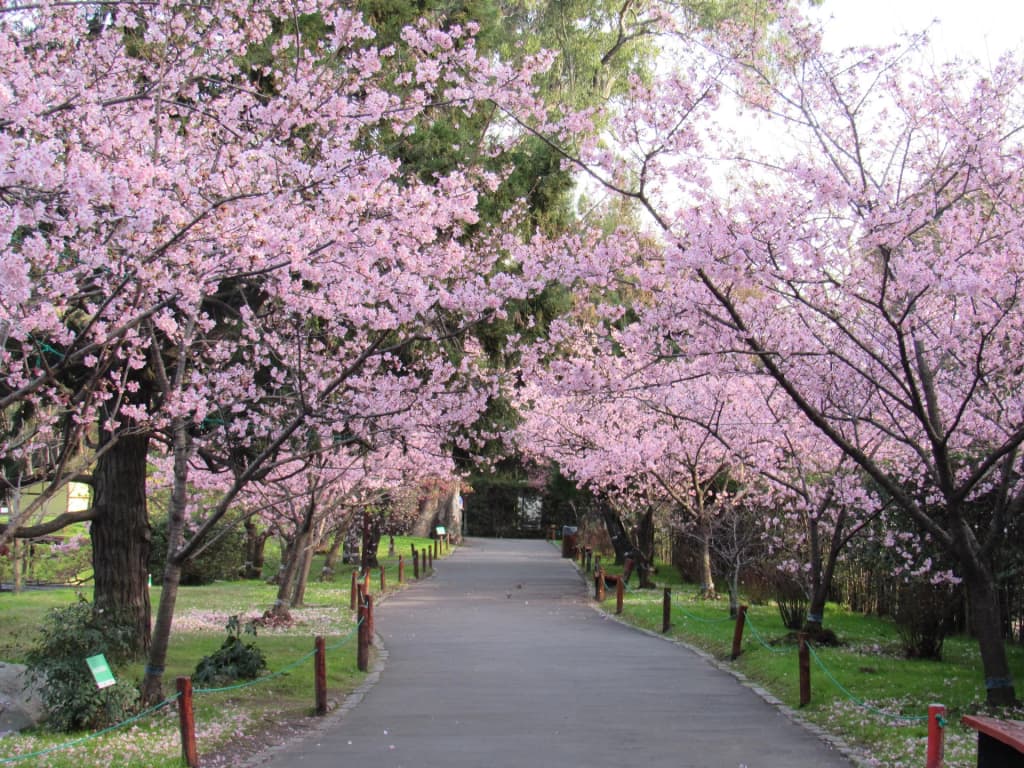
The aggressive, metallic honking of city buses is instantly replaced by the gentle trickle of water spilling over smooth grey stones. I walk across a curved red bridge, pausing to watch massive koi fish break the surface of the dark green water, their orange scales flashing like submerged embers in the dappled sunlight. The scent of crushed pine needles and damp earth fills my lungs, cooling my blood. It is a masterclass in contrast—the manic, tango-driven pulse of Argentina momentarily paused by the deliberate, quiet precision of Japanese landscaping. I sit on a slatted wooden bench for nearly an hour, doing absolutely nothing but watching the shadows lengthen across the manicured grass.
As the afternoon wanes and the heat finally breaks, I head toward the waterfront. The revitalized docks of Puerto Madero are slick with golden hour light. The old brick warehouses, once abandoned to the elements, now hum with the clatter of expensive silverware and the clinking of wine glasses from upscale patios. I walk along the canal, the breeze coming off the Río de la Plata carrying the faint, briny scent of deep water and diesel fuel. Nearby, the massive stone facade of the Kirchner Cultural Centre stands like a fortress of art, its grand doors swallowing crowds of locals eager for a free evening concert. I detour briefly to the Torre Monumental, paying the small fee to ride the creaky, brass-lined elevator to the top. Through the glass observation deck, the city stretches out in an endless grid of concrete and green canopies, the streets below beginning to twinkle as the amber streetlights flicker to life.
The evening pulls me toward La Boca. The painted corrugated iron walls of Caminito blur into a rush of primary colors—blues, yellows, and reds that seem almost too bright for the fading twilight. A pair of tango dancers move in tight, sharp circles on the uneven cobblestones, the melancholy, wheezing whine of a bandoneón echoing off the tin walls. I can feel the bass of the man's leather heels vibrating through the soles of my boots.
But the night doesn't truly begin until I reach Avenida Corrientes. The street is a canyon of neon light, historic theater marquees bleeding reds and blues onto the damp pavement. The air smells of exhaust fumes, sugar-roasted nuts, and melting cheese. I duck into a brightly lit traditional pizzeria, where the noise level is wonderfully deafening.
"You look lost," the man behind the marble counter says, wiping his flour-dusted hands on a stained white apron. His voice booms over the chaotic din of the dining room.
"Not lost," I reply, raising my voice to match his. "Just overwhelmed by the menu. Mozzarella or fainá?"
He laughs, a deep, raspy sound that rattles in his chest. "Both. Always both." He slides a heavy metal plate across the counter. On it rests a massive slice of thick-crust pizza, drowning in a sea of gooey, golden cheese, topped with a dense slice of chickpea flatbread. "You don't count calories in Buenos Aires, my friend. You survive."
I bite into the pizza. The bottom is perfectly charred from the ancient oven, the cheese molten and rich, the fainá adding an earthy, dense texture that forces me to chew slowly and savor the weight of it. It is unpretentious, heavy, and completely perfect.
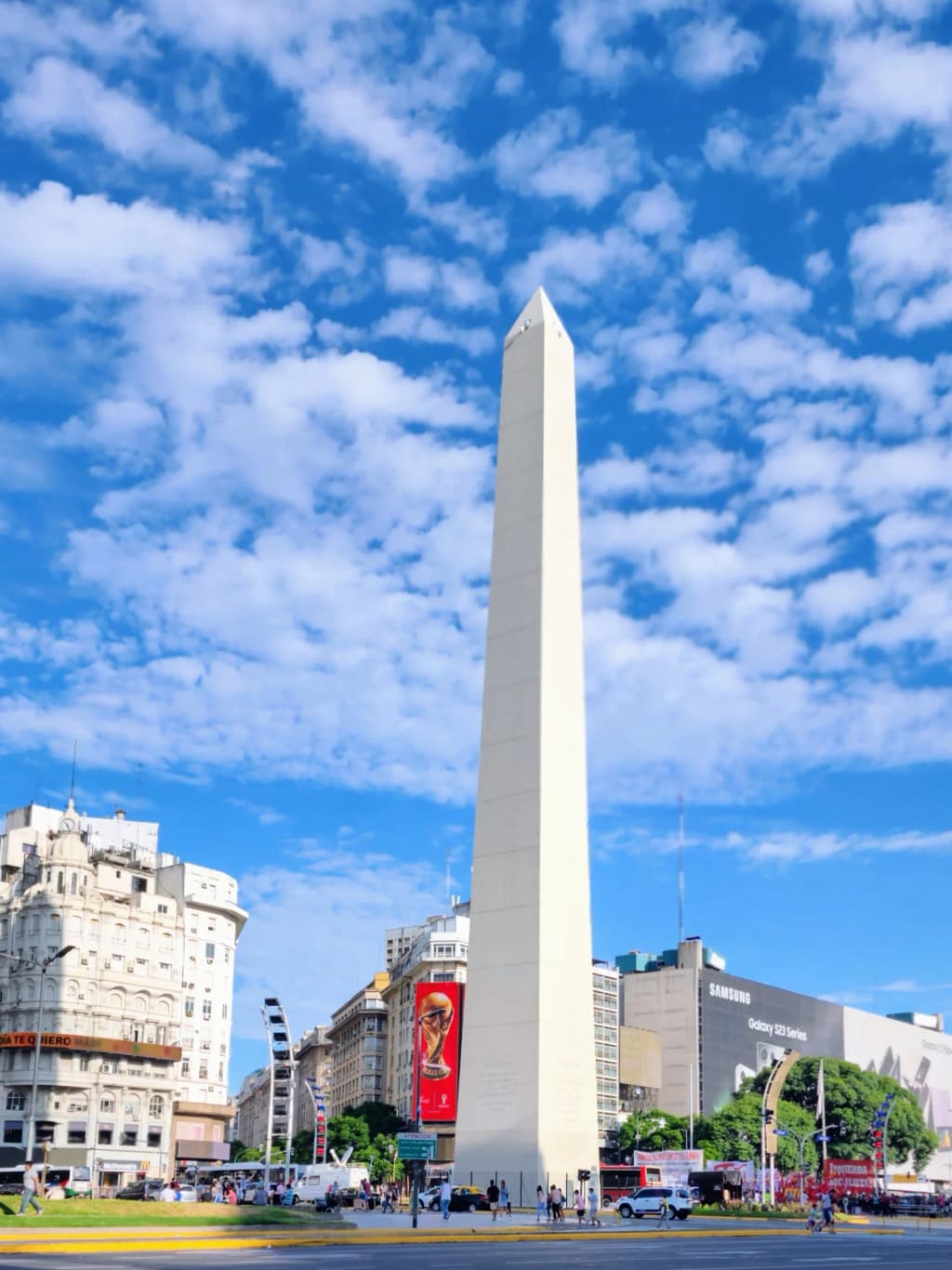
I walk off the meal by following the flow of the crowd down the avenue until the Obelisco pierces the night sky ahead. Traffic swirls around its base in a chaotic ballet of white headlights and blaring horns. I stand on the corner, feeling the sticky summer wind against my face, listening to snippets of laughter and animated arguments from passing groups of friends heading to their next destination. Buenos Aires doesn't gently rock you to sleep; it grabs you by the collar, feeds you until you burst, and dares you to keep up until dawn. Standing here under the stark white glare of the monument, watching the city refuse to rest, I realize I wouldn't want it any other way.
More Photos
More Adventures
 $50 - $150/day 5-7 days
 Buenos Aires 5-Day Itinerary: Perfect Neighborhood Guide
Plan your perfect Buenos Aires trip with this meticulously organized 5-day neighborhood itinerary. Discover where to stay, costs, and a medieval village.
 $120 - $350/day 2-3 days
 Disneyland Paris Strategy: Ride Hacks & Coaster Secrets
Think you know Disney? Think again. Discover the underground secrets, massive coasters, and insider hacks to conquer Disneyland Paris like a pro.
 $80 - $250/day 4-7 days
 Conquer Buenos Aires: Steak, Tango, and Street Chaos
Ready to get lost in Buenos Aires? Discover the best steak, underground tango clubs, and marble graveyards in Argentina's electric capital city.
 $30 - $60/day 3-5 days
 A Free-Wandering Sunday Through Palermo and Recoleta
Wander through the lush parks of Palermo and the grand architecture of Recoleta on a sensory walking route that proves Buenos Aires' best experiences are free.