
Curaçao: Beyond the Blue Liqueur and Into the Wild West
A sensory journey through Curaçao, from the silent cactus forests of Westpunt to the pulsing streets of Willemstad and the isolation of Klein Curaçao.
The heat has weight here. It presses against the windshield of my rental car, distorting the horizon where the cactus forests meet the sky. It is a dry, dusty heat, the kind that makes the sudden appearance of the Caribbean Sea feel like a hallucination. I am driving north, away from the manicured resorts, into the wilder heart of Curaçao. There are no welcome signs here, just the crunch of tires on gravel as I pull into the small lot at Playa Jeremy.
The water isn't just blue; it is a color that demands a new vocabulary. It is turquoise, sapphire, and something entirely transparent all at once. I step over the dark volcanic stones, the silence only broken by the dry rustle of a massive iguana in the brush. He watches me with ancient, unblinking eyes as I slip into the sea. The water is cool against the midday sun, and visibility is absolute. There is no need for a boat here; the reef begins where your toes leave the sand.
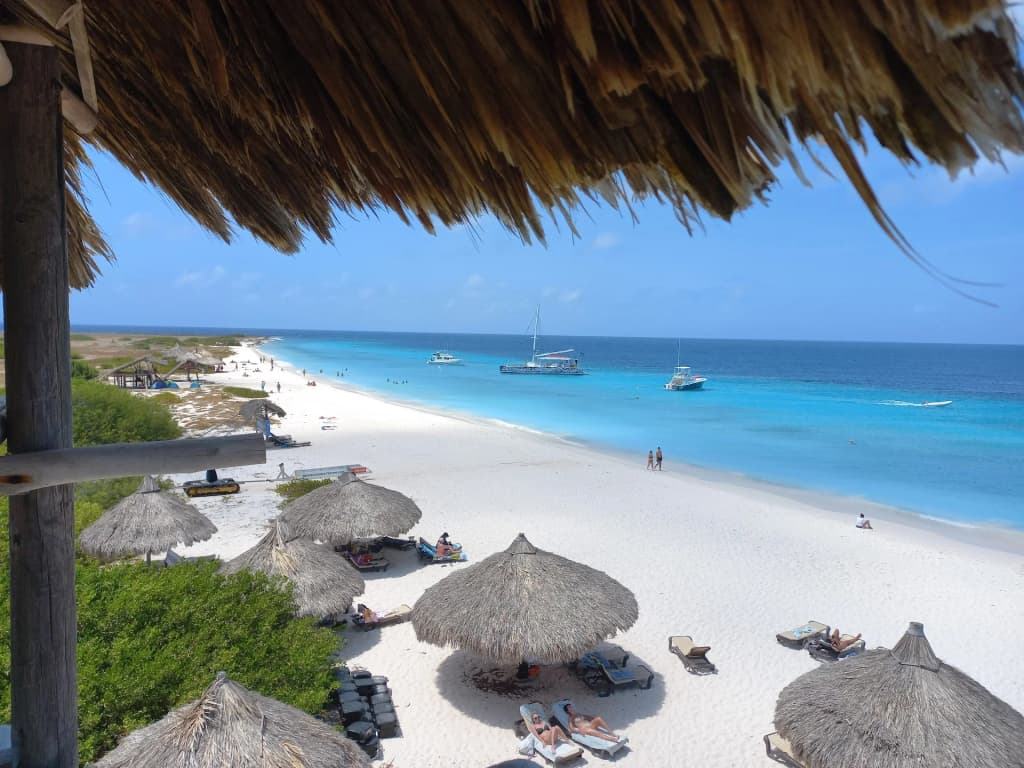
A few miles down the road, the smell hits me before I see the ocean—raw fish, salt, and the metallic tang of boat engines. Playa Piskado is not a place for lounging; it is a place of commerce and coexistence. It is 9:00 AM, the golden hour for the local fishermen who are cleaning their catch on the wooden pier.
"You are early," a fisherman says, not looking up from his knife. He slices a mahi-mahi with surgical precision.
"Just hungry," I joke.
He laughs, a deep sound that rumbles in his chest, and tosses a fish head into the water. "They are hungry too."
I look down. Shadowy shapes are gliding beneath the surface. Green sea turtles, massive and graceful, weave between the fishing boats, waiting for their breakfast. I adjust my mask and slide in. It is a chaotic, beautiful dance. The turtles are indifferent to my presence, focused solely on the scraps falling from the pier above. It feels like intruding on a private ritual, a symbiotic agreement between the men on the dock and the giants in the water. I float there for an hour, suspended in the clarity, watching a world that operates on a rhythm entirely its own.
The road winds further west, past the cliff jumpers at Playa Forti who hurl themselves into the abyss, and toward the postcard perfection of Kenepa Grandi. This is the image everyone sees online, but the reality has a texture a screen cannot convey. The sand is flour-soft, and the water is a gradient of electric blues that seem painted on. I stop at a roadside snack bar, the scent of frying oil mingling with the sea air.
"Dushi," the woman behind the counter says as she hands me a cold drink. The bottle sweats in the humidity.
"Dushi?" I ask.
"It means sweet, nice, beautiful, darling," she explains, her smile widening to reveal a gold tooth. "The ocean is dushi. The food is dushi. You are dushi. Everything good is dushi."
I navigate the rental car back toward the center of the island. Having a car is non-negotiable here; the best spots are hidden down dirt tracks where taxis rarely venture. I stop for gas, fumbling with my credit card until the attendant waves a hand. "Cash only for the machine," he says. I hand over the Florins I withdrew earlier—a necessary currency, though the US dollar is accepted almost everywhere else.
Willemstad feels like a different planet compared to the silent cactus forests of the west. The city is a riot of pastel Dutch colonial architecture, like Amsterdam was reimagined by a tropical bird. I arrive just as the island turns orange for King's Day. The streets are a sea of revelers, music pulsing from every corner, the air thick with the smell of beer and street food.
I walk across the Queen Emma Bridge, the famous "Swinging Old Lady." It floats on pontoons, and as a ship approaches, the entire bridge hinges open, pushing pedestrians gently to the side. The sway is undeniable, a physical reminder of the city's connection to the sea. On the other side, in the district of Punda, the market floats—literally. Venezuelan boats dock here, laden with mangoes, plantains, and avocados, creating a floating bazaar that bobs gently in the harbor.
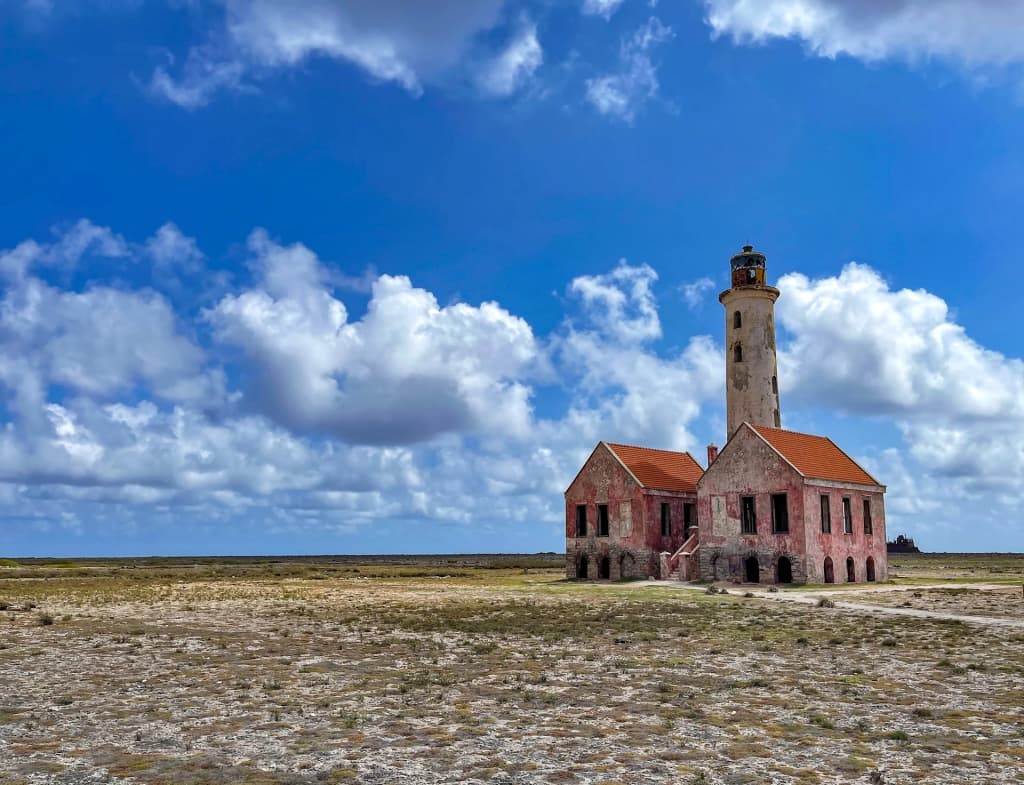
But the true isolation I crave requires a boat. The next morning, I board a vessel bound for Klein Curaçao, a tiny, uninhabited speck of land two hours off the coast. The ride is rough, the Atlantic swells testing the stomach, but the destination is otherworldly.
We land on a strip of white sand that stretches for miles. There is nothing here but a decaying lighthouse standing sentinel in the center of the island and the rusting hulk of a shipwreck on the windward side. It feels haunted and holy all at once. I walk toward the lighthouse, the heat intense, the silence absolute. Under the water, however, life teems. I spot a stingray the size of a dining table buried in the sand, its eyes watching me as I drift over it. The $140 for the trip includes breakfast and lunch, but the real value is this feeling of being on the edge of the world.
Back on the main island, hunger drives me to Williwood. It’s a roadside stop famous for one thing: goat burgers.
"It tastes like the island," the cook tells me, flipping the patty. Smoke rises from the grill, carrying the scent of cumin and charred meat.
He's right. The meat is rich, slightly gamey, seasoned with spices that speak of the island's complex history. I eat it sitting on a wooden bench, watching the sun dip below the hills.
My final stop is Tugboat Beach. It’s industrial, gritty, located near an oil platform, but beneath the surface lies a tugboat that sank years ago, now encrusted with coral and surrounded by schools of blue parrotfish. It’s a perfect metaphor for Curaçao: rough and industrial on the edges, but holding spectacular beauty if you just look just below the surface.
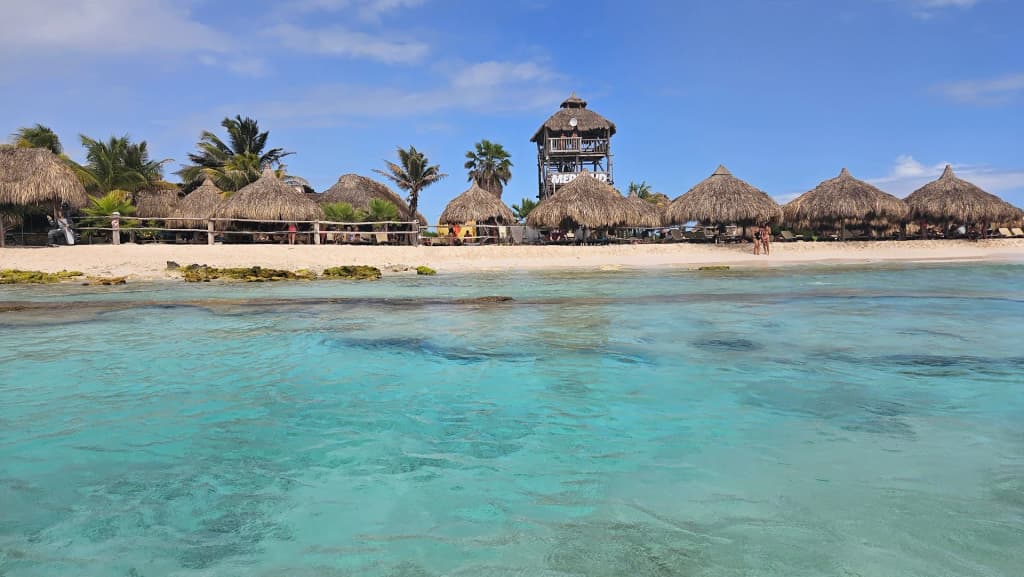
As I pack my bags, rinsing the salt from my snorkel gear one last time, I realize I haven't just visited an island; I've traversed a spectrum. From the silent, dusty west to the orange-clad chaos of the city, Curaçao isn't just a place you see. It's a place you feel, taste, and ultimately, sink into.
More Photos
More Adventures
 $40 - $150/day 20-30 days
 Conquer Thailand: The Ultimate 20-Day Blueprint
Skip the tourist traps. Grab your backpack. This is your high-energy, no-BS guide to dominating Thailand in 20 days. Get ready to sweat.
 $75 - $250/day 7-14 days
 The Ultimate Month-by-Month International Travel Guide
Stop gambling with your PTO. Discover the exact best (and worst) international destinations for every month of the year to optimize budget and weather.
 $200 - $450/day 1-2 days
 Chasing the Magic: An Immersive Day Inside the Kingdom
Experience the sensory overload and quiet corners of Magic Kingdom, from sunrise coaster rides to peaceful escapes across the Seven Seas Lagoon.
 $150 - $300/day 1-2 days
 Conquer Epcot: The Ultimate High-Speed Global Gauntlet
Think Epcot is a slow stroll? Think again. It's a high-speed, globe-trotting gauntlet. Hack the rides, taste the world, and push your limits in Orlando.