
A Teardrop on Eternity: Drifting Through Asia's Extremes
Experience the staggering sensory extremes of traveling across Asia, from the freezing summit of Mount Fuji to the sweltering ruins of Angkor Wat.
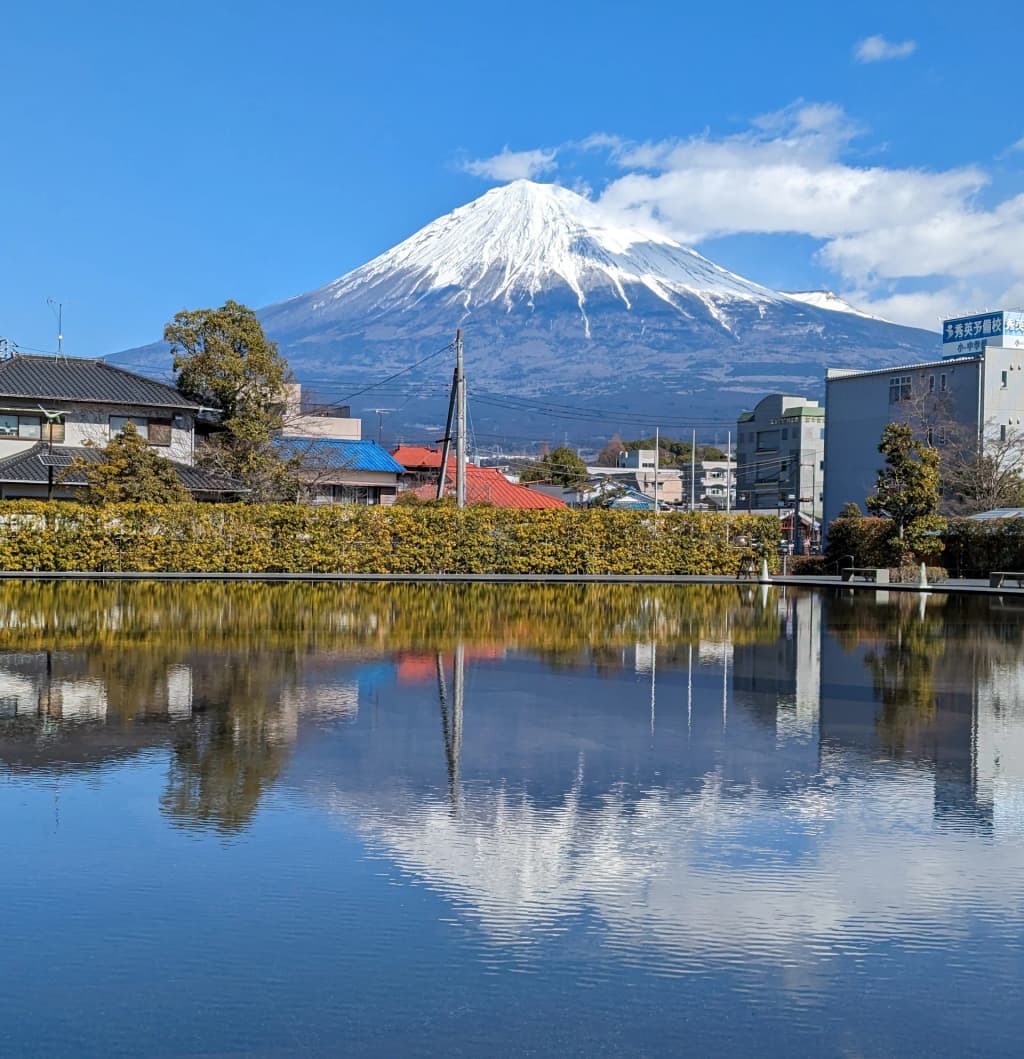
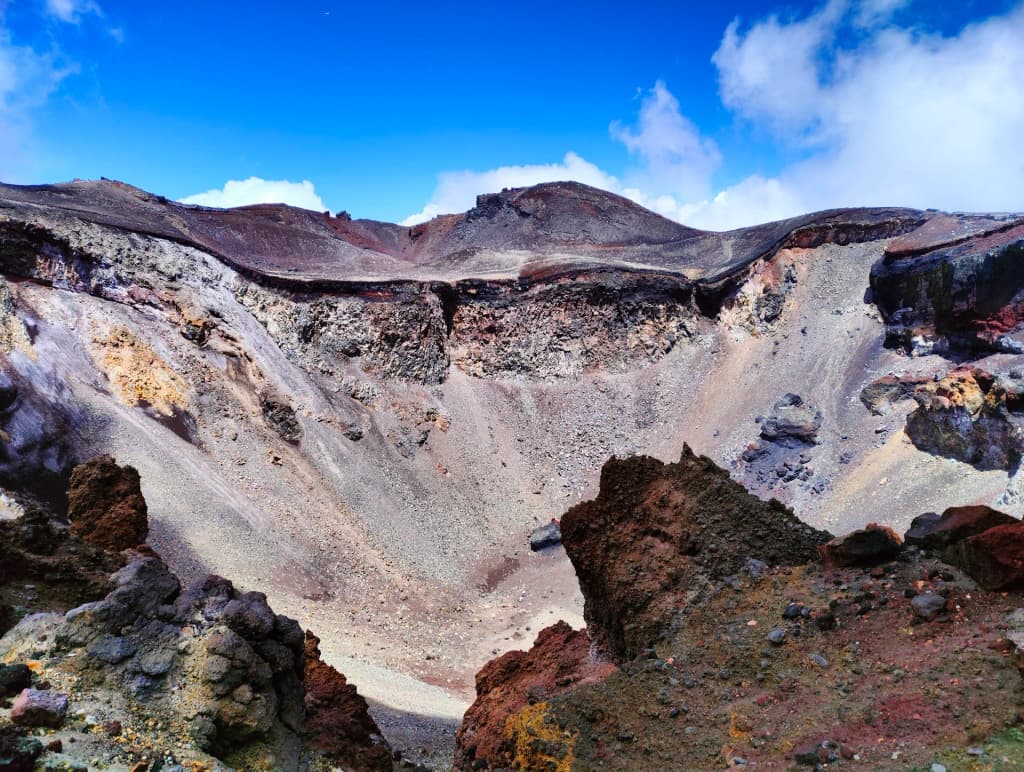
The crunch of volcanic gravel beneath my boots is the only sound that cuts through the thin, freezing air. The atmosphere up here is so scarce it feels brittle, snapping in my lungs with every sharp inhale. We are less than two hours outside the neon hyper-reality of Tokyo, but up here on the steep slopes of Mount Fuji, the world has been violently reduced to rock, biting wind, and the primal rhythm of putting one foot in front of the other. More than three hundred thousand people make this arduous climb every year, pushing their bodies toward the 3,800-meter peak. I bypass the small post office near the summit—where triumphant hikers queue up to send postcards to the warm, oxygen-rich world below—and simply watch the sun tear through the heavy cloud cover. It paints the jagged, barren earth in shades of bruised purple and liquid gold, a silent reward for the suffering of the ascent.
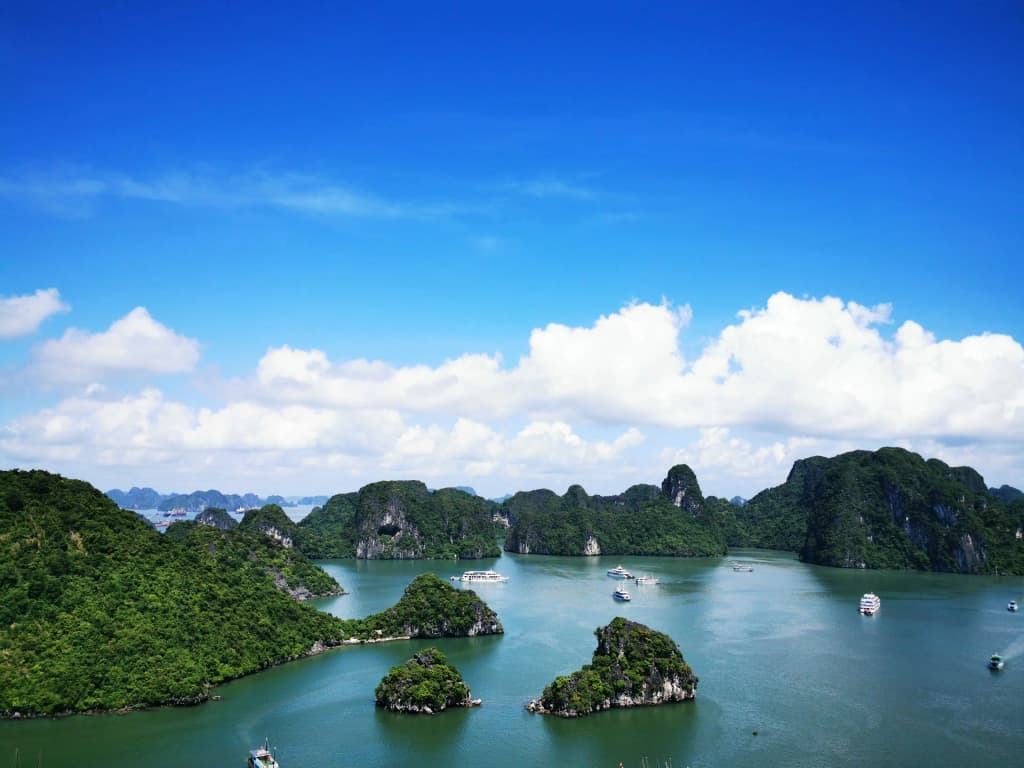
The transition from the freezing Japanese altitude to the heavy, humid air of northeastern Vietnam feels like stepping through a portal into another dimension entirely. The wooden junk boat rocks gently, its tired diesel engine a low, rhythmic thrum against the deep emerald water. It smells of sea salt, damp timber, and the sweet, dark Vietnamese coffee brewing somewhere down in the galley. The coffee is a revelation—thick, impossibly sweet from condensed milk, coating the back of my throat as the morning chill begins to burn off.
"You see the dragon?" the captain asks, handing me a small porcelain cup. His hands are deeply weathered, mapped with decades of navigating these unpredictable waters.
"I'm not sure," I admit, squinting into the dense, creeping mist.
He laughs, a rich, rattling sound that seems to come from deep within his chest, and points a calloused finger toward a jagged silhouette rising abruptly from the bay. "Hạ Long. Descending dragon. You have to look with your imagination, not just your eyes."
He is absolutely right. The thousands of limestone karst islands jutting out of the water look exactly like the spiked spine of a massive, sleeping beast. Booking an overnight boat trip here is the only way to truly understand the sheer scale of the place. When the noisy day-trippers vanish back to the mainland and the evening mist rolls in, the hollow grottoes and hidden interior lakes turn into a silent, colorful fairyland that feels entirely untethered from the modern world.
The deep silence of the bay eventually gives way to the gentle, unhurried murmur of Luang Prabang. Here in northern Laos, at the exact point where the muddy Mekong and Nam Khan rivers collide, time seems to pool and slow down. The morning air is incredibly thick, heavy with the intoxicating scent of blooming frangipani and the sharp tang of burning incense. I walk past faded French colonial villas, their wooden shutters painted a peeling, brilliant blue, toward the heart of the small city. This place is a living sanctuary of Buddhist temples and monasteries. The name itself translates to Royal Buddha Image, and you feel that deep reverence in the way the locals move—deliberate, quiet, and entirely unbothered by the ticking of a clock. Monks in bright saffron robes move like a slow-burning fire against the muted greens and browns of the morning streets. Later, I hand a few crumpled dollars to a local guide for a kayak trip down the river, the wooden paddle slicing cleanly through the water as lush rainforests and distant, roaring waterfalls frame the horizon.
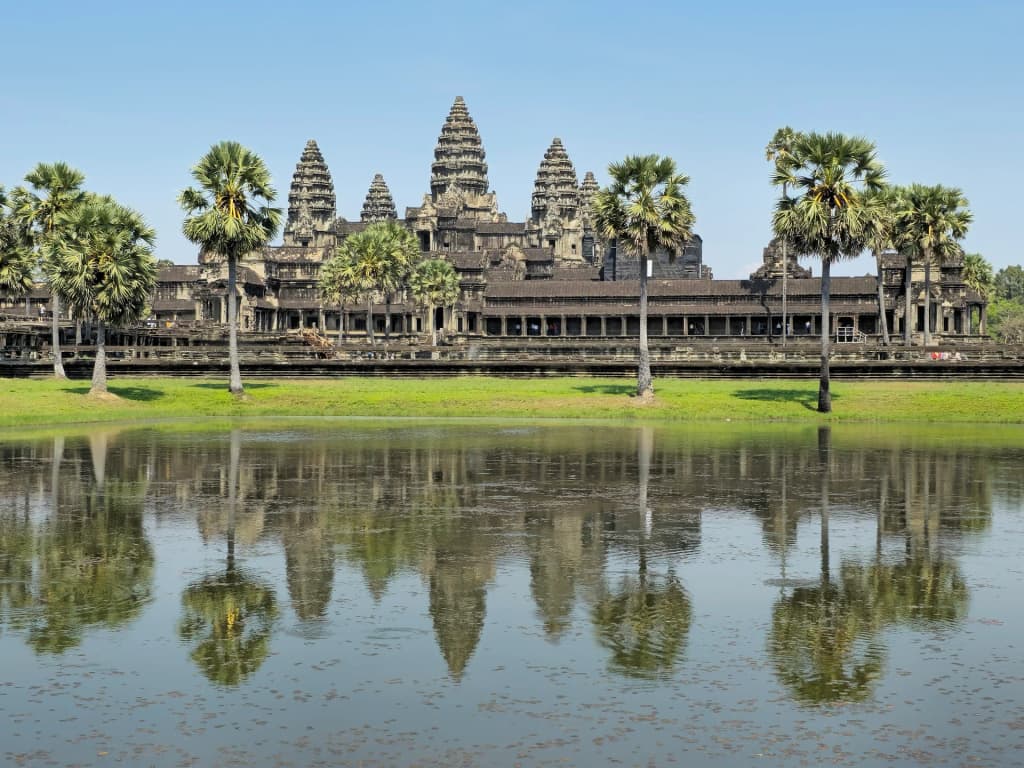
That gentle, floating peace shatters against the overwhelming, physical weight of the midday heat in northern Cambodia. The air hums violently with the electric screech of cicadas, a sound so loud it vibrates in your teeth. Sweat stings my eyes as I run my hand along the cool, rough sandstone of Angkor Wat. The stone is porous, having soaked up centuries of torrential monsoon rain and baking sun, and it feels alive beneath my fingertips. This was the undisputed heart of the Khmer empire from the ninth to the fourteenth centuries, and its sheer architectural arrogance demands your absolute submission.
At the nearby Bayon temple, massive stone faces stare down from the crumbling towers with serene, enigmatic smiles that seem to follow you through the ruins. At Ta Prohm, the jungle is actively swallowing the history whole, with towering, muscular tree roots tearing through the ancient stone blocks like slow-motion tentacles. It costs a bit to secure a multi-day pass to the archaeological zone, but rushing through these cultural remains in a single afternoon is a profound disservice to the ghosts that still wander these shaded courtyards.
If Angkor is a solemn monument to the distant past, Bangkok is a chaotic, pulsating monument to the absolute present. The heat here is entirely different—it is a physical entity, humid and heavy, carrying the metallic tang of approaching rain mixed with the smell of crushed chilies, exhaust fumes, and the sweet, nutty aroma of frying pad thai. The cultural and commercial heart of Thailand is a complete sensory overload in the best possible way. I weave my way through a crowded night market, the glaring neon lights bleeding into the dark puddles on the uneven pavement. Here, ancient, quiet temples sit shoulder-to-shoulder with glittering, air-conditioned shopping malls.
A street vendor hands me a wooden skewer of grilled pork, the fat still sizzling and popping over the charcoal. It burns the roof of my mouth, a sharp, salty shock of flavor that makes my eyes water, but it is so incredibly good that I can't stop eating it. The city is rapidly modernizing, building upward at a breakneck pace, yet the age-old traditions and deep spiritual customs anchor it firmly to the earth, making it the undeniable, beating soul of the country.
The journey across this massive, undefinable continent inevitably leads to Agra, where the overwhelming sensory chaos of India miraculously distills into a single, profound moment of perfect symmetry. It smells of crushed marigolds and the dry, ancient dust of northern India. The sun is just barely breaking the horizon, casting a soft, pearlescent pink glow over the blinding white marble of the Taj Mahal. Built centuries ago by the Mughal Emperor Shah Jahan in memory of his favorite wife, it has been famously described as a teardrop on the cheek of eternity, and standing before it, no other words suffice.
The marble is startlingly cool against my bare soles, a shocking contrast to the relentless heat that will soon consume the day, as I walk the quiet perimeter of the long reflecting pools. The extensive ornamental gardens are perfectly still, save for the gentle rustle of flowering bushes in the morning breeze.
Asia defies any single definition. It is the freezing, wind-whipped summit of a volcano and the sweltering, root-choked heart of a jungle. It is the deafening roar of a Bangkok street market and the absolute, breathless silence of a marble tomb at dawn. You don't just visit this continent; you let it dismantle your expectations, piece by piece, until you realize you are exactly where you were always meant to be.
More Photos
More Adventures
 $50 - $150/day 14-21 days
 Stop Lounging. Start Exploring. The Wild Side of Thailand.
Ditch the tourist traps. Discover Thailand's wild side with epic karst mountains, secluded lagoons, and rugged northern peaks. Ready for a real adventure?
 $80 - $250/day 7-14 days
 Okinawa Unleashed: The Wild Side of Japan You Need to See
Skip Tokyo. Dive into Okinawa's gritty port cities, wild archipelagos, and star-sand beaches. Read the ultimate adventure guide to Japan's alter-ego.
 $250 - $600/day 10-14 days
 From Mountain Mists to Limestone Seas: A Thai Awakening
Experience the sensory shift from the spiritual heights of Chiang Mai to the cinematic limestone cliffs of the Andaman Sea on a transformative journey through Thailand.
 $150 - $600/day 5-7 days
 Fernando de Noronha: The Ultimate Brazilian Island Adventure
Skip the tourist traps. Master the tides, swim with sharks, and explore Fernando de Noronha. Your ultimate adventure guide to Brazil's wildest island.