
England: Rain, Stone, and the Warmth of the Public House
A sensory journey through England, from the rain-slicked streets of London to the honey-colored silence of the Cotswolds.
The damp chill settles into your bones before you even realize it's raining. It’s a fine, misty drizzle that turns the cobblestones into slick, black mirrors reflecting the grey sky. I pull my collar up as I step out of the Tube station, the rush of warm, stale air from the underground tunnels fading behind me. The sound of London is a low hum, punctuated by the rhythmic clatter of black cabs and the distant peal of bells.
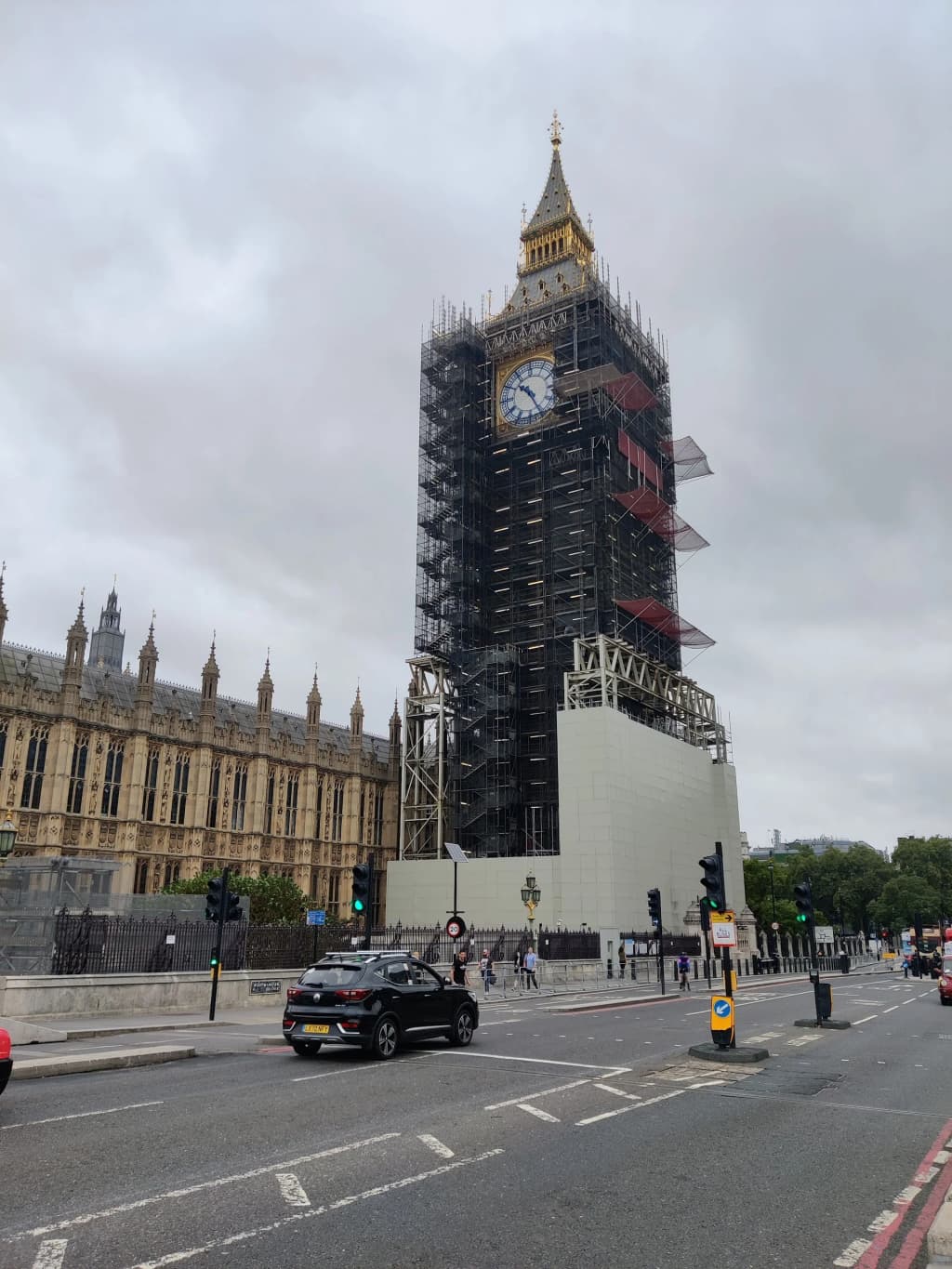
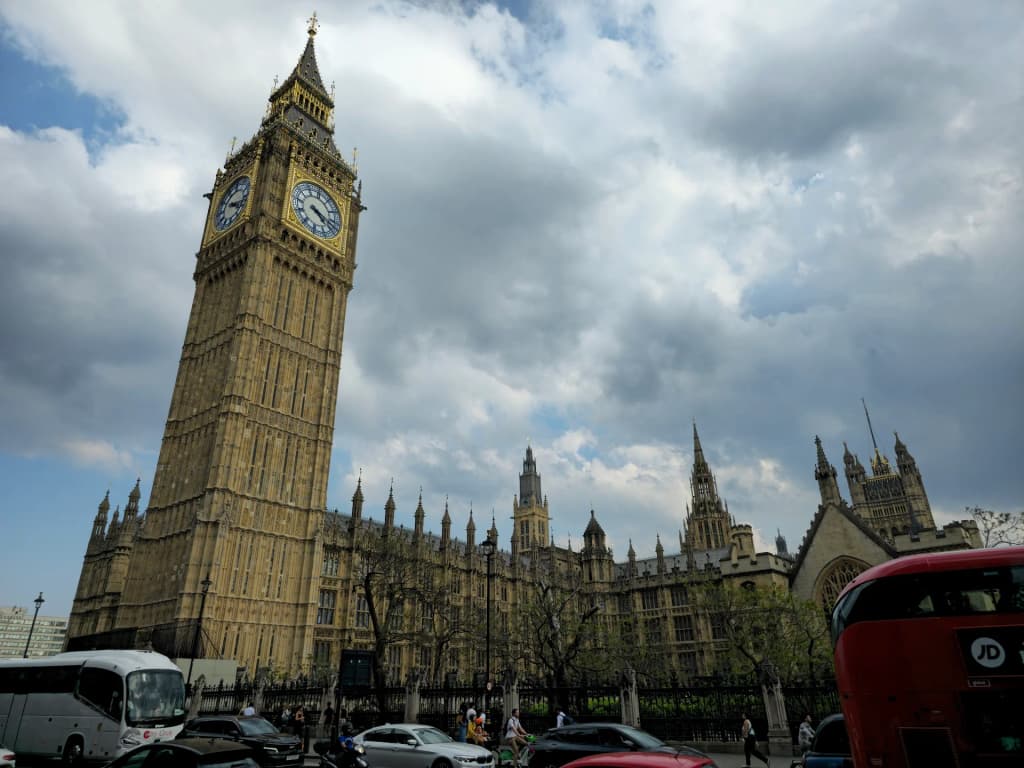
Standing on the bridge, the city feels like a living organism that has grown over centuries. I look up at the most famous silhouette in the skyline. Everyone calls it Big Ben, but a local walking his terrier corrects me with a knowing smirk.
"That's the Elizabeth Tower, mate," he says, pausing to let his dog sniff a lamppost. "Ben's just the heavy fellow ringing inside."
"I stand corrected," I reply, smiling.
He tips his flat cap. "Common mistake. Just don't let a cabbie hear you say it."
It is this layering of history—where a name refers to a bell, and a tower honors a queen—that defines England. It is a place where the past isn't just preserved; it is participated in.
I descend into the city's belly to escape the drizzle. The London Underground is an assault on the senses—the screech of metal on metal, the blur of advertisements, the unspoken rule of avoiding eye contact. Yet, it is the veins of this city, connecting worlds that feel lightyears apart. You can travel from the futuristic shard of glass near London Bridge to the ancient, brooding stones of the Tower of London in minutes.
And the best part? The culture here is accessible. I wander into the British Museum, hand hovering over my wallet, only to remember that the doors are open to all, free of charge. It feels like a democratization of history, an invitation to lose yourself in the artifacts of the world without the barrier of an entrance fee. You could spend days here, but even an hour wandering the Great Court justifies the trip.
But England is not just its capital. To understand the rhythm of this country, you have to understand its relationship with the weather. The forecast is merely a suggestion here. The sun breaks through the clouds with a brilliance that makes the wet pavement sparkle, only to be swallowed by fog an hour later. This volatility dictates the pace of life. It’s why the afternoon tea tradition exists—not just for the scones and clotted cream, but as a necessary pause, a warm refuge from the unpredictable elements outside.
I find my own refuge in a pub that smells of malt vinegar, old wood, and years of spilled ale. This is the public living room of the nation.
"You look like you've been caught in it," the woman behind the bar says, sliding a pint of dark stout toward me. She's wiping a glass with a rhythmic, hypnotic motion.
"Just a bit," I admit, shaking the droplets from my coat. "Does it ever stop?"
She laughs, a warm, throaty sound. "If it stopped, we'd have nothing to talk about, would we? Drink up. It'll warm you faster than the radiator."
Leaving the city behind, the landscape shifts dramatically. In the Lake District, the air tastes different—cleaner, sharper. The mountains here don't tower aggressively; they roll and fold into one another, green and brooding. I walk the trails that inspired Wordsworth and Coleridge, understanding immediately why the Romantics found their muse here. The silence is profound, broken only by the wind cutting across the glacial lakes. It is a stark contrast to the industrial heartbeat of Manchester and Liverpool to the south, cities that wear their history of cotton and trade with a gritty pride. There, the red brick warehouses have been reborn as galleries and music venues, thrumming with the energy of football chants and rock history.
Further south, the earth changes color. The Jurassic Coast offers a walk through time itself, where 185 million years of geological history are exposed in the cliffs. I spend an afternoon in Cornwall, where the light has a peculiar, almost Mediterranean quality that has drawn artists to St. Ives for decades. The Atlantic crashes against the granite with a ferocity that feels wild and untamed. Legends of King Arthur cling to the ruins of Tintagel, and for a moment, standing on the wind-battered headland, the myths feel as solid as the rock beneath my boots.
Yet, for all the drama of the coast and the cities, it is in the quiet villages that England whispers its oldest secrets. I arrive in Castle Combe in the late afternoon. There are no streetlights, no TV antennas cluttering the rooflines. The houses are built from honey-colored stone that seems to glow in the fading light. It feels less like a village and more like a film set, perfectly preserved.
In the Cotswolds, time seems to stretch. I walk past Arlington Row in Bibury, the ancient weavers' cottages standing crooked and proud along the river Coln. It is impossibly picturesque, the England of storybooks. But it is real. People live here, tend their gardens, and walk their dogs along these paths.
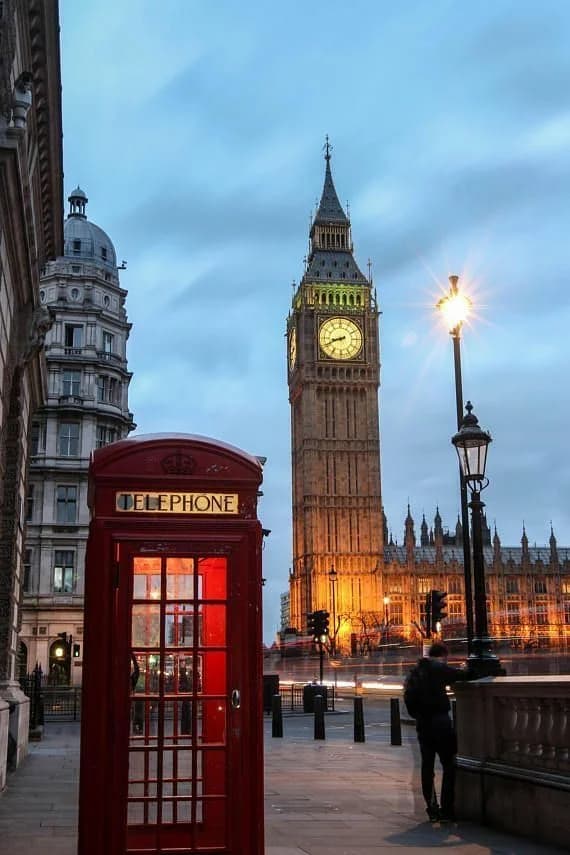
As I sit on a bench near the water, watching a swan glide effortlessly against the current, I realize that this country is a master of adaptation. It holds the prehistoric mystery of Stonehenge and the futuristic ambition of Birmingham’s architecture in the same hand. It reveres its kings and queens while reinventing its red phone booths as defibrillator stations and mini-libraries. England invites you to look closer, to taste the cheese aged in the caves of Cheddar, to listen to the silence of a cathedral in York, and to find warmth in a cup of tea while the rain lashes against the windowpane.
More Photos
More Adventures
 $40 - $80/day 3-5 days
 Into the Wild: Surviving Roraima's Macuxi Territory
Skip the tourist traps. Plunge into the raw culture of the Macuxi tribe in Roraima, Brazil. Experience fire-hot stews, sacred rituals, and wild borders.
 $150 - $300/day 1-2 days
 Conquer Epcot: The Ultimate High-Speed Global Gauntlet
Think Epcot is a slow stroll? Think again. It's a high-speed, globe-trotting gauntlet. Hack the rides, taste the world, and push your limits in Orlando.
 $40 - $100/day 3-4 days
 Campos do Jordão Itinerary: Budget Guide & Hiking Logistics
Plan a practical trip to Campos do Jordão, Brazil's highest city. Get exact costs for state parks, hiking Pedra do Baú, and budget-friendly dining.
 $50 - $150/day 3-5 days
 Misty Peaks and Wood-Fired Feasts in Visconde de Mauá
Experience the misty mountains of Visconde de Mauá, Brazil. Discover steep trails, cozy rain-lashed cabins, and the rich culinary heritage of Minas Gerais.