
Chasing the Impossible: A Journey Through Europe's Dreamscapes
A sensory journey through Europe's most romantic landscapes, from the misty peaks of Neuschwanstein to the gothic shadows of Prague and the colors of Sintra.
The railing of the Marienbrücke is freezing against my palms. Below, the Pöllat Gorge roars, a sound like tearing fabric that echoes off the limestone walls. It is six in the morning, and the Bavarian mist is thick enough to taste—damp, metallic, and smelling faintly of pine resin. I am waiting for the light to change, shivering in a coat that isn't quite heavy enough for the Alps in October.
Then the clouds fracture.
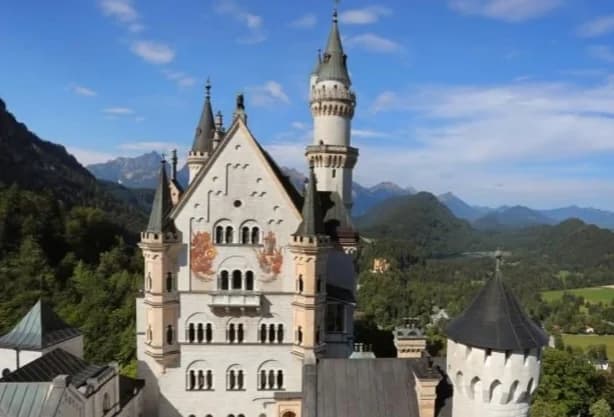
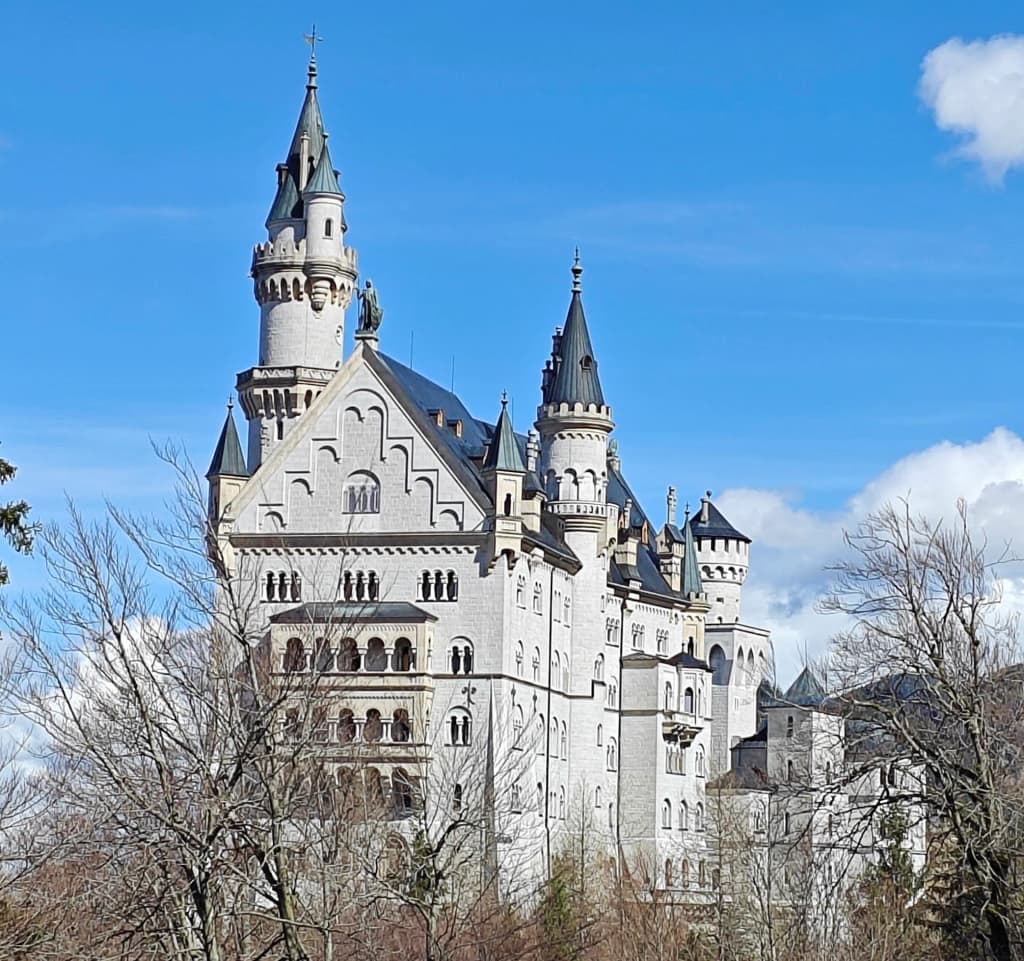
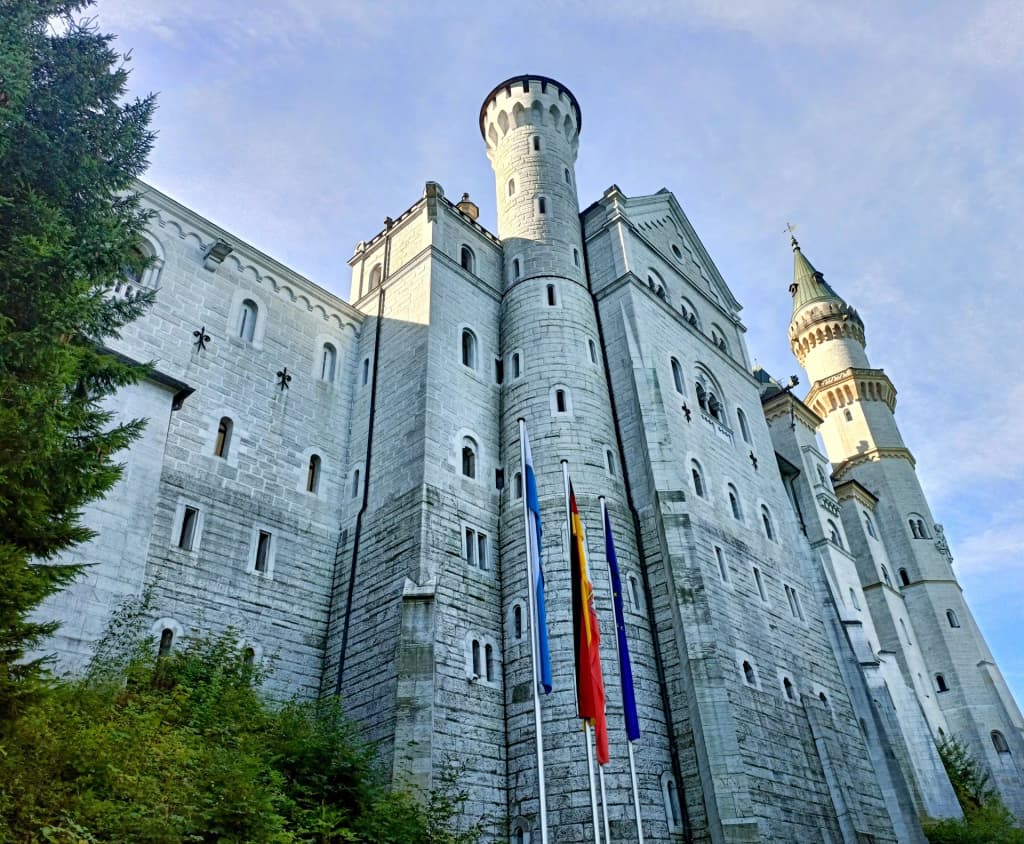
Neuschwanstein Castle steps out of the grey, not slowly, but with a sudden, dramatic clarity. It doesn't look like a building; it looks like a stage set dropped from the heavens. King Ludwig II didn’t construct a fortress here to repel armies. He built a stone manifestation of his own isolation. Standing here, watching the sun hit the white limestone towers, you realize that this is architecture as autobiography—lonely, impossible, and utterly detached from the world below.
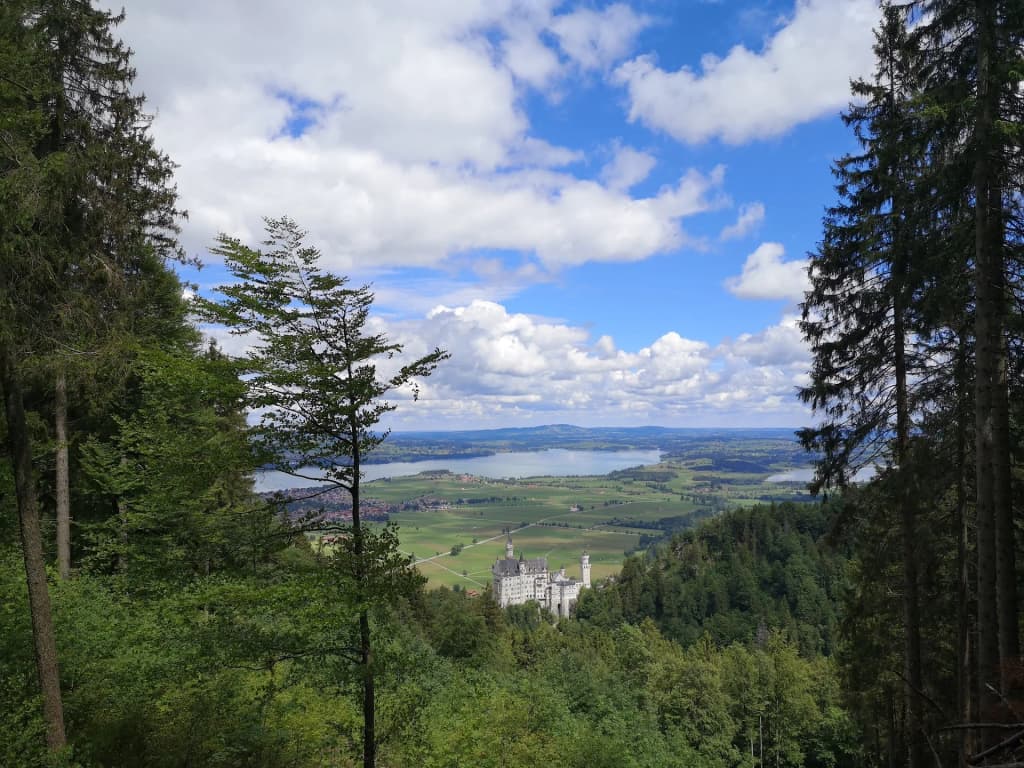
I hike the path toward the gate, boots crunching on wet gravel. The interior is a fever dream of Wagnerian operas and swan motifs, but I find myself drawn back to the balconies. The valley floor spreads out like a green quilt, dotted with lakes that reflect the sky like polished obsidian. It feels timeless, as if the industrial noise of the last century simply never climbed this high.
Leaving the solitude of the peaks, I drive north along the winding roads of the Romantic Road. The transition from the wild Alps to the manicured perfection of Rothenburg ob der Tauber is jarring. This town doesn't feel reconstructed; it feels preserved in amber.
I duck into a small bakery off the Marktplatz to escape the wind. The air inside is warm and heavy with the scent of cinnamon and frying dough. An older woman stands behind the counter, arranging Schneeballen—fist-sized balls of pastry strips—into a pyramid.
"You are looking for the wall," she says. It is a statement, not a question. She wipes flour from her hands, a cloud of white dust settling on the dark wood.
"I am," I admit, unwinding my scarf. "Is it true I can walk the whole perimeter?"
She smiles, the lines around her eyes deepening. "Every step. My grandfather walked it during the war to think. I walk it now to forget. Go at sunset. The stones hold the heat of the day."
She is right. I walk the ramparts as the sun dips below the timber-framed rooflines. The orange light hits fortifications that have stood for centuries, and for a moment, the town sheds its tourist veneer. It feels like a living, breathing entity, protecting its secrets behind a curtain of stone.
The thread of history pulls me eastward, across the border into the Czech Republic. If Bavaria is a bright, romantic illustration, Prague is a dark, leather-bound novel. The city smells of coal smoke, roasted pork, and the damp chill rising off the Vltava River.
I cross the Charles Bridge before the city wakes up. The thirty baroque statues lining the balustrade seem to watch me, their stone eyes tracking my movement through the fog. Up on the hill, the castle complex dominates the skyline, a sprawling silhouette against the pale morning sky. But the real pull of Prague is in the shadows. It’s in the Astronomical Clock in the Old Town Square, ticking away since 1410, a mechanical performance that has outlasted empires. It’s in the Jewish Quarter, where the slanted roofs and ancient synagogues whisper stories of resilience that chill you to the bone.
Winter suits this city. When the snow covers the gothic towers of the Týn Church and the streets fall silent under the powder, you half expect to turn a corner and bump into a ghost from the Habsburg era, lingering in the doorway of a coffee house.
But Europe’s capacity for fantasy isn’t limited to the brooding north. Far to the west, on the edge of the Atlantic, the narrative changes color. In Sintra, Portugal, the stone doesn't just endure; it blooms.
The Pena Palace is a shock to the system after the grey stone of central Europe. It is a riot of yellows, reds, and blues, a romantic caprice perched high above the ocean. The air here is different—salty and humid, feeding the lush, fern-filled forests of the Sintra mountains. It feels ancient and druidic. Exploring the Quinta da Regaleira, I descend the spiral staircase of the Initiation Well, sinking deep into the earth. The moss-covered stones are cool to the touch. It is a place of secrets, of masonry and mysticism, where the architecture serves the soul rather than the state.
My journey loops back toward the center, to a place that defies national identity. Alsace sits on the border of France and Germany, and in towns like Colmar, the cultures crash together in the most delightful way. The canals reflect half-timbered houses painted in pastel hues—pink, sky blue, lemon yellow. It looks edible, like a village made of gingerbread.
I sit by the water in "Little Venice," a glass of Riesling in hand. The wine is crisp, tasting of apples and slate. The food here—sauerkraut, sausages, delicate pastries—tells the history of the region better than any textbook. It is a place that has been fought over for generations, yet the result is a harmonious blend of the best of both worlds.
Traveling through these storybook landscapes requires a bit of practical grounding. The magic fades quickly if you're stuck in a three-hour queue or worrying about your bank balance. I find that a daily budget of around $150 allows me to eat well and move freely, though you can certainly do it for less if you skip the guided tours and stick to wandering.
Timing is everything. I aim for the shoulder seasons—May or late September. The weather in Sintra is perfect then, the patios exploding with flowers, while the Alps are shaking off the last of the snow. And for places like Neuschwanstein, booking tickets weeks in advance isn't just a suggestion; it's the only way to ensure you get inside. But even if you don't, standing on the bridge, breathing in that pine-scented air, is worth the trip alone.
The sun sets over the Rhine, casting long shadows across the vineyards. We travel to these places not just to see old rocks, but to remember that the world was once built with imagination as its primary blueprint. From the frozen fjords to the sun-baked stones of the coast, the continent is a mosaic of human dreaming. And sometimes, standing on a bridge in the mist, you can still feel the pulse of it.
More Photos
More Adventures
 $100 - $300/day 1-3 days
 Escape the Airport: Conquer Your Luanda Layover
Think a layover in Luanda means killing time at the airport? Think again. Discover the fortress, island sunsets, and the ultimate Angolan adventure.
 $120 - $250/day 1-2 days
 Hack the Alps: Milan to St. Moritz Day Trip on a Budget
Discover how to travel from Milan to St. Moritz on a budget. Skip the Bernina Express, take the regional train, and experience the Swiss Alps like a pro.
 $50 - $150/day 5-10 days
 Finding the Rhythm of Bahia: From Porto Seguro to Trancoso
Experience the sensory magic of Brazil's Costa do Descobrimento, from the chaotic nightlife of Porto Seguro to the barefoot luxury of Trancoso's beaches.
 $80 - $250/day 4-7 days
 Conquer Buenos Aires: Steak, Tango, and Street Chaos
Ready to get lost in Buenos Aires? Discover the best steak, underground tango clubs, and marble graveyards in Argentina's electric capital city.