
Finding the Soul of Paris: A Guide to the City's Best Free Experiences
Experience the magic of Paris without spending a euro. From concealed Roman ruins to rooftop sunsets, discover the city's most immersive free experiences.
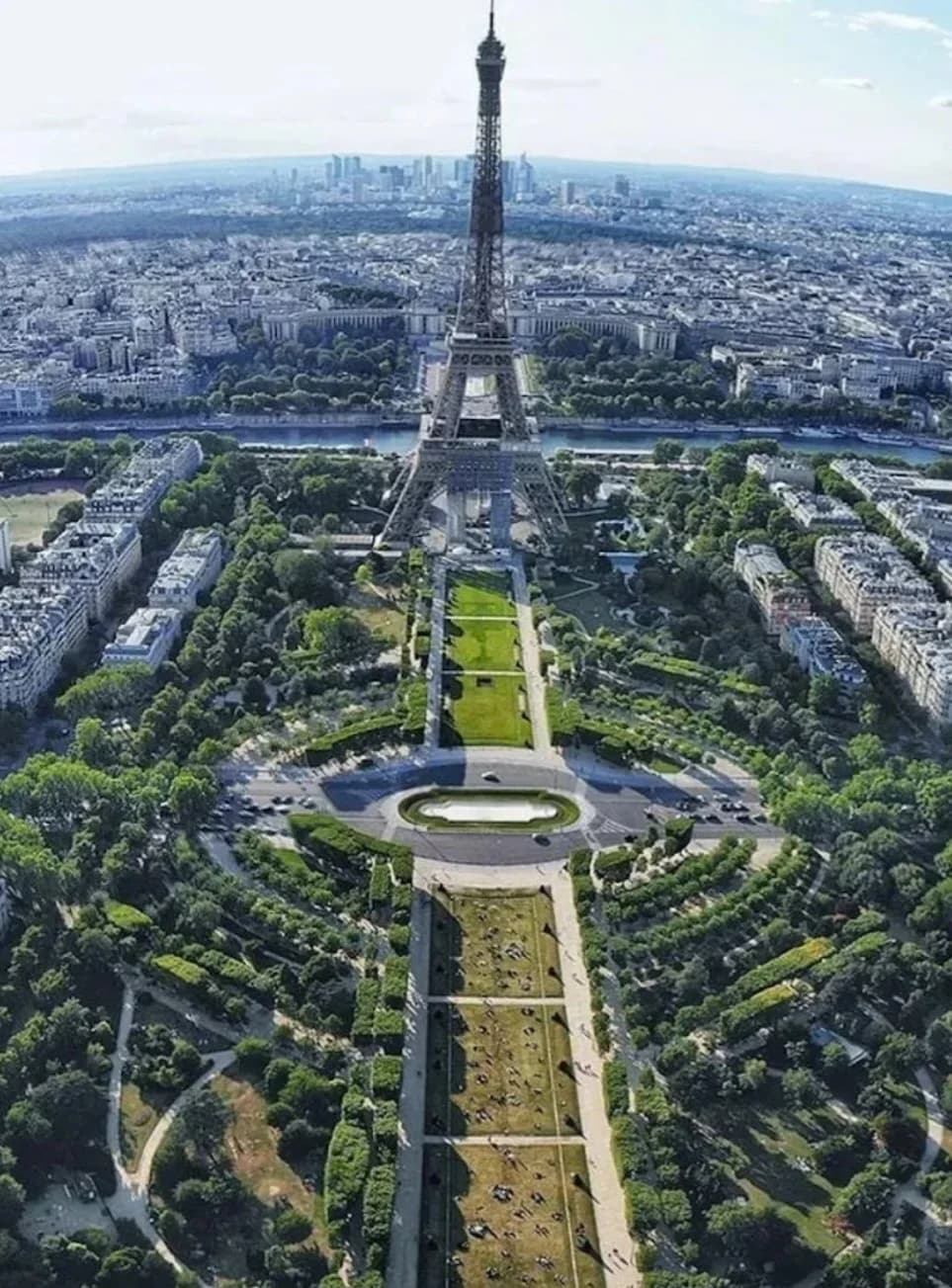
The wind off the Seine carries the sharp scent of roasted chestnuts and damp pavement. I am standing on the sweeping, marble-tiled terrace of Trocadéro, shoulder to shoulder with strangers from half a dozen countries. Below us, the city stretches out in a wash of twilight blue, but no one is looking at the horizon. We are all staring at the iron giant across the river. The conventional wisdom dictates buying a ticket, standing in a two-hour queue, and riding the elevator into the sky. But the secret of Paris is that her best angles cost absolutely nothing. From directly underneath, the tower is a chaotic tangle of metal. From here, elevated and set back, it is perfect. I brush the last flaky crumbs of a warm, buttery croissant—purchased for a single euro from a corner boulangerie—from my coat as I wait.
When the clock strikes the hour, a collective gasp ripples through the crowd. Twenty thousand bulbs erupt into a frantic, glittering sparkle. It is a five-minute show of pure magic, shared with a hundred strangers in the cool evening air.
The next morning, the cobblestones bite through the thin soles of my shoes as I climb the steep inclines of Montmartre. My breath plumes in the crisp air. This neighborhood was once the cheap, bohemian edge of the city where Picasso and Van Gogh drank absinthe and paid for their meals with sketches. Today, it is a bustling maze of cafes and easels, but the old charm still clings to the ivy-draped walls.
I pause in a small square to look at a massive blue tiled wall. The words "I love you" are scrawled across it in over 250 languages. A woman beside me is tracing the Portuguese lettering with her eyes.
"It is better than a museum, no?" she says, her accent thick and melodic.
"It feels more alive," I agree, watching a young couple snap a photograph in front of the tiles.
"Keep walking up," she points toward the peak of the hill. "The white church is waiting."
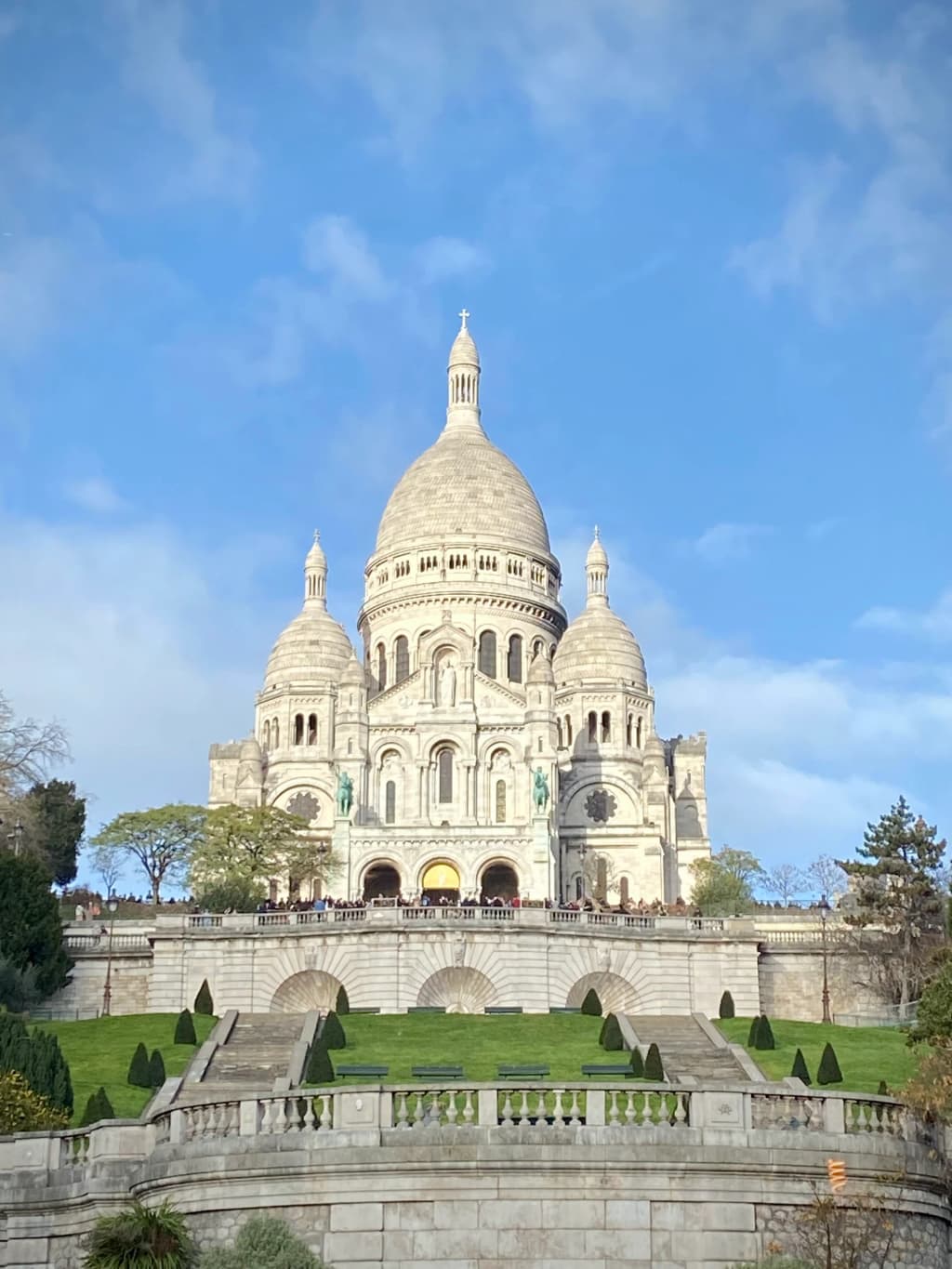
At the very summit sits the Basilique du Sacré-Cœur, gleaming like a sugar cube against the morning sky. While climbing to its dome requires a few euros, pushing open the heavy wooden doors to enter the main sanctuary is completely free. Inside, the air is thick with the smell of melting wax and ancient incense. The hushed whispers of visitors echo off the cavernous ceilings. Stepping back outside, I sit on the sprawling steps out front, watching the entire city of Paris unfurl beneath my feet like a sea of grey zinc roofs and silver light.
To truly understand the layers of this city without emptying your wallet, you have to walk it with someone who knows its ghosts. I meet a small group near the ruins of the Bastille at 10 AM, having booked my spot online the night before. The premise of the free walking tour relies entirely on the honor system—you walk for three hours, and at the end, you pass over whatever euros the stories were worth to you.
Our guide weaves us through narrow alleys, pointing out the somber exterior of Notre-Dame and the imposing walls of the Conciergerie. He tells stories of the Revolution, of plagues and poets, bringing the static stone buildings to vivid life. By the time we end our walk in the Tuileries Garden, looking out toward the glass pyramid of the Louvre, the ten euros I press into his hand feels like an absolute steal for the wealth of history I've just absorbed.
Paris is a city that hides its oldest secrets in plain sight. I wander into the Latin Quarter, leaving the busy boulevards behind for a quiet, unassuming residential street.
"You're looking for the gladiators," an elderly man says, tearing off a piece of the baguette tucked under his arm and offering me a sympathetic look as he notices me checking my map.
"Just the ghosts of them," I reply, smiling.
He points his chin toward a gap in the buildings. "Through the archway. The Romans left us a good spot for playing pétanque."
I walk through the stone arch and suddenly step back two thousand years. The Arènes de Lutèce is a crumbling Roman amphitheater concealed entirely from the street. It is completely free to enter. Today, instead of gladiators, there are teenagers kicking a football and old men tossing heavy silver boules in the dust. I sit on the ancient, weathered stone tiers, feeling the rough texture beneath my hands, amazed that such a profound piece of history is just another neighborhood park for the locals.
Later, I cross over into Le Marais to find Place des Vosges, the oldest planned square in Paris. The symmetry of the red-brick facades and the perfectly manicured lime trees is deeply soothing. Just around the corner, I slip into the Carnavalet Museum. While the massive institutions like the Louvre demand hefty entry fees and advance bookings, the permanent collections of city-run museums like Carnavalet, or the stunning Petit Palais with its opulent golden gates, leave their doors wide open, asking for nothing.
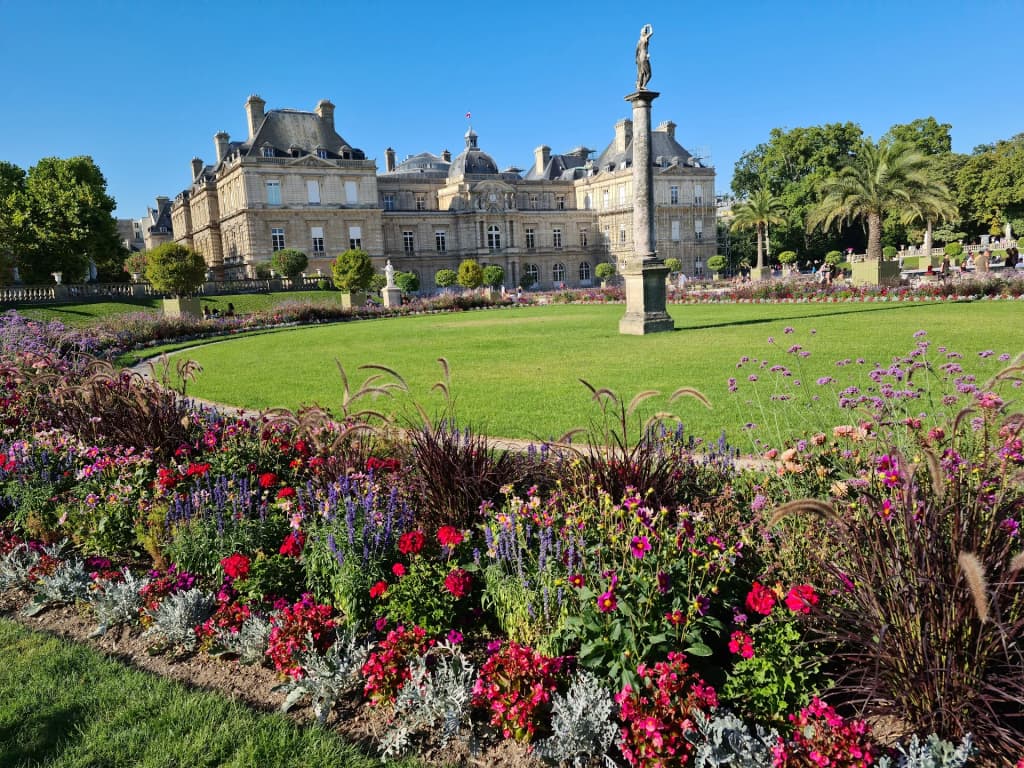
The afternoon sun begins to soften, casting long shadows across the gravel paths of the Jardin du Luxembourg. The crunch of footsteps is the defining sound of this park, underscored by the gentle splash of the grand Medici Fountain. I find one of the iconic, mint-green iron chairs scattered around the central basin, pull it into a patch of sunlight, and simply sit.
Children are using long wooden sticks to push vintage wooden sailboats across the water. The air smells of damp earth and blooming flowers. You don't need an itinerary here. The act of sitting, observing, and letting the city move around you is the most authentic Parisian experience available, and it costs nothing at all.
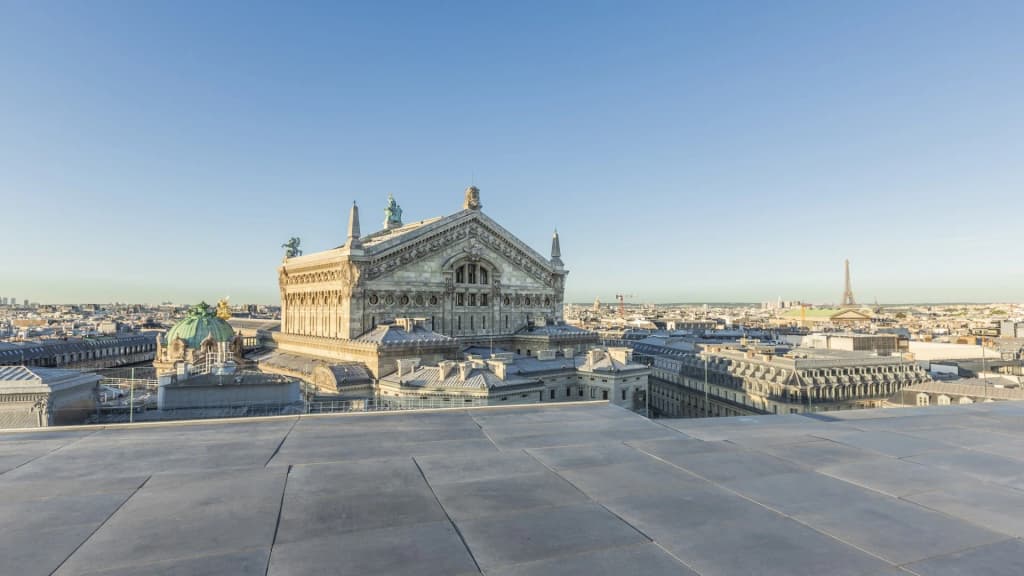
As evening approaches, I bypass the luxury price tags on the main floors of Galeries Lafayette. I let the escalators carry me upward, beneath the kaleidoscopic stained-glass dome, all the way to the roof. The ninth-floor terrace of this high-end department store is open to the public, a sweeping viewing deck completely free of charge. I step out into the brisk wind. The panoramic view is staggering. The ornate roof of the Opera Garnier sits right in front of me, and in the distance, the Eiffel Tower stands like a dark needle against the bruised purple sky.
I end my day walking down by the banks of the Seine. The water laps gently against the stone embankments. Couples sit with their legs dangling over the edge, sharing cheap bottles of wine and wedges of soft cheese purchased from corner markets. I cross the Pont Alexandre III, running my hand along the ornate, golden lampposts that line the bridge.
Looking down the river, watching the lights of the boats slice through the dark water, I realize something fundamental about this place. The monuments and museums are magnificent, yes. But the true heartbeat of Paris isn't locked behind a ticket booth. It is out here, in the cold air, on the ancient bridges, and in the quiet squares, waiting patiently for anyone willing to simply walk and look.
More Photos
More Adventures
 $85 - $250/day 4-7 days
 Paris Travel Guide: Budget Hacks, Routes & Photo Spots
Plan your Paris trip with this meticulous guide. Discover $7.50 authentic meals, optimized walking routes, and strategies to skip massive museum lines.
 $170 - $335/day 5-7 days
 How Much Does a 7-Day Trip to Paris Cost? (Exact Budget)
Stop guessing your Paris travel budget. This detailed 7-day cost breakdown covers flights, central hotels, daily food allowances, and attraction tickets.
 $150 - $350/day 4-7 days
 London Travel Guide: Embracing the City's Chaotic Charm
Navigate the bustling streets of London, from the royal gates of Buckingham Palace to the chaotic glow of Piccadilly and the halls of ancient museums.
 $150 - $250/day 1 days
 Behind the Magic: The Warner Bros. Studio Tour London
Step behind the cinematic curtain in London for a sensory journey through the real sets, costumes, and practical magic of the Warner Bros. Studio Tour.