
How Much Does a 7-Day Trip to Paris Cost? (Exact Budget)
Stop guessing your Paris travel budget. This detailed 7-day cost breakdown covers flights, central hotels, daily food allowances, and attraction tickets.
Planning a trip to Paris does not have to be a financial guessing game. In this comprehensive guide, I break down exactly what a 7-day trip to the French capital costs, line by line and dollar by dollar. Whether you are a strict budget traveler or looking for a comfortable mid-range experience, you will learn exactly how to optimize your spending without sacrificing the quality of your trip.
Quick Facts: Paris Trip Planning
- Best Time to Visit: Early October or late April (shoulder season means lower prices and ideal walking weather)
- Recommended Duration: 5 to 7 days
- Daily Budget Range: $170 (Budget) to $335 (Comfort) per person, excluding flights
- Currency: Euros (€), but I have converted estimates to USD for easy planning

1. The Flight Strategy
Your flight will likely be your largest upfront expense. When planning a 7-day trip, time is money. I always compare the cheapest available route with the most direct route to see if the time savings justify the upfront cost.
Flight Type Average Cost (USD) Total Travel Time Best For 1-Stop Connection $1,000 14+ hours Strict Budget Direct Flight $1,100 11 hours Comfort & SpeedIf you look closely at the math, paying $1,100 for a direct flight saves you 3 hours of travel time each way. That is 6 hours of your vacation saved for an extra $100.
Pro Tip: If the price difference between a direct flight and a connection is $100 or less, always book the direct flight. Connections increase the risk of delays, lost luggage, and extra spending on overpriced food at airport terminals.
2. Accommodation Costs (7 Days)
Accommodation in Europe is expensive, and Paris is no exception. However, your location directly dictates your transportation budget. Staying in a central area (like near the Eiffel Tower in the 7th or 15th arrondissement) might cost a bit more upfront, but it saves you hours of transit time and daily train fares.
- The Budget Option ($600 total / ~$85 per night): You can find clean, basic, highly-rated hotels near the Eiffel Tower. The rooms will be small (often around 12 to 15 square meters), but they are safe, secure, and perfectly located for early morning sightseeing.
- The Comfort Option ($800 total / ~$115 per night): Upgrading to a 3-star hotel in the same prime location gets you a more modern aesthetic, slightly larger rooms (around 18 to 20 square meters), and better amenities like reliable air conditioning and elevators.
⚠️ Watch Out: Many travelers try to save money by booking hotels in distant suburbs. You might save $20 a night, but you will spend that exact amount (plus an hour of your valuable time) on daily Uber rides or long Metro commutes. Stay central.
3. Transportation Breakdown
Getting around Paris is incredibly efficient if you know how to use the system. The city is highly walkable, but you will inevitably need to use transit to cross between major neighborhoods.
Transport Mode Cost per Ride 7-Day Estimate Best For Paris Metro €5 - €6 $100 total Daily exploring Uber/Taxi €12 - €20 $200 total Late nights, airportFor the budget traveler, allocating $100 will comfortably cover all your Metro rides for the week. The underground system connects every major neighborhood within a 5 to 10-minute walk. If you have a slightly higher "comfort" budget ($200), you can rely on the Metro during the day but take an Uber home after a late dinner or a long day of walking.

4. The Daily Food Budget
Food is the most variable expense in Paris. By structuring your meals, you can eat incredibly well without accidentally draining your bank account. I categorize food budgets into two strict daily allowances:
The €50 ($54) Daily Budget:
- Breakfast (€7): Skip the hotel buffet. Go to a local boulangerie for a fresh, warm croissant and an espresso.
- Lunch (€15): Grab a fresh baguette sandwich from a bakery or a savory crepe from a street vendor to eat in a nearby park.
- Dinner (€28): Enjoy a casual sit-down meal at a local bistro. Always look for the plat du jour (dish of the day) for the best value and freshest ingredients.
The €100 ($108) Comfort Budget:
- Breakfast (€15): A leisurely café sit-down with assorted pastries, fresh orange juice, and a large coffee.
- Lunch (€35): A two-course meal at a nice café, complete with a glass of house wine.
- Dinner (€50): A proper restaurant experience, allowing you to split a bottle of wine and enjoy a classic French dessert like crème brûlée.
⚠️ Watch Out: Hotels often charge €30 to €50 for their morning breakfast buffet. Unless you plan to eat enough to skip lunch entirely, this is a massive budget drain. Eat locally instead.
5. Attractions & Tours
Paris is essentially an open-air museum. You can easily spend 7 days walking the streets, admiring the architecture, and relaxing in the Luxembourg Gardens for absolutely $0. However, if it is your first time, you will want to budget for the iconic sights.
Here is the exact cost breakdown for the most popular attractions:
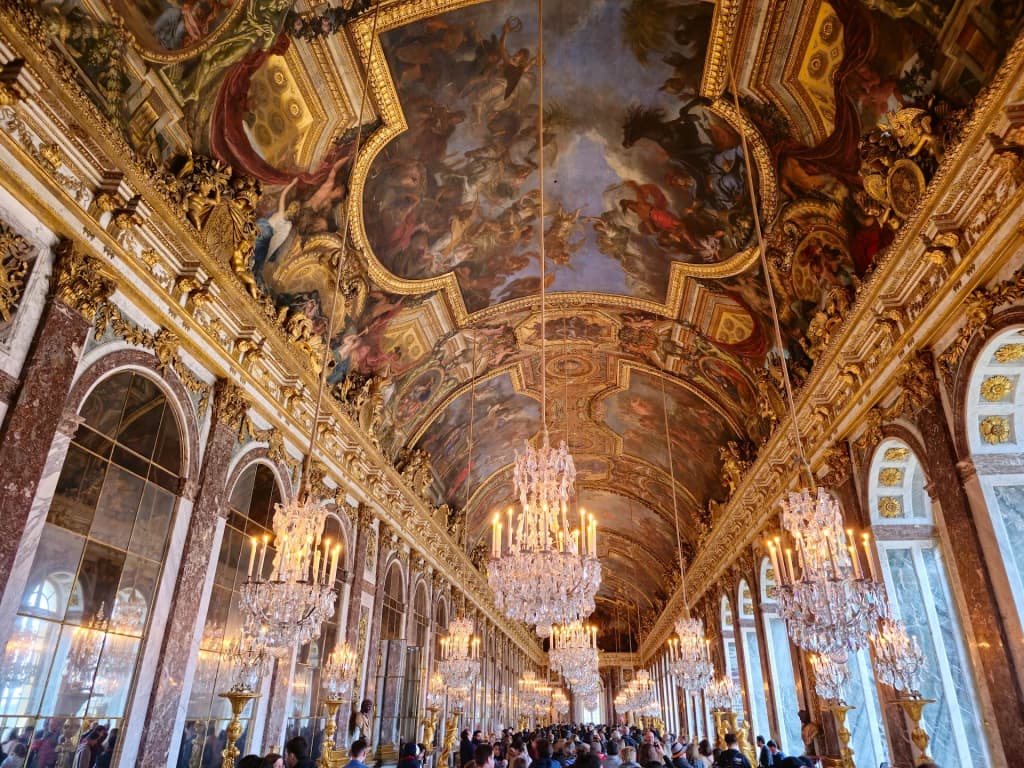
Attraction Cost (USD) Duration Worth It? Eiffel Tower (2nd Floor) $100 2 hours Yes - Best photo spot Louvre Guided Tour $110 4 hours Yes - Avoids getting lost Seine River Cruise $25 1-2 hours Yes - High value, low cost Disneyland Paris (1 Park) $100 Full Day Optional - Great for families Palace of Versailles Tour $95 7 hours Yes - Incredible historyTotal Comfort Attractions Budget: ~$430 per person.
Pro Tip: Book the 2nd-floor Eiffel Tower ticket instead of the summit. The 2nd floor is at the absolute perfect height for photography. The summit is often too high to capture the intricate details of the Parisian skyline, and it costs more.
6. Essential Extras: Insurance and Connectivity
Never travel to Europe without basic coverage and a plan for your phone. These small upfront costs prevent massive bills later.
- Travel Insurance: Mandatory for the Schengen area and highly recommended regardless. Budget about $50 for a solid 7-day medical and trip cancellation policy.
- eSIM/Data: Do not pay your home carrier's $10-per-day roaming fees. Buy a European eSIM before you fly for about $30. This covers your data for the entire week.
- Total Extras: $80
7. Common Mistakes to Avoid
- Traveling in Peak Summer: July and August bring massive crowds, extreme heat, and inflated prices. Shift your trip to October or May to instantly save 20% on flights and hotels.
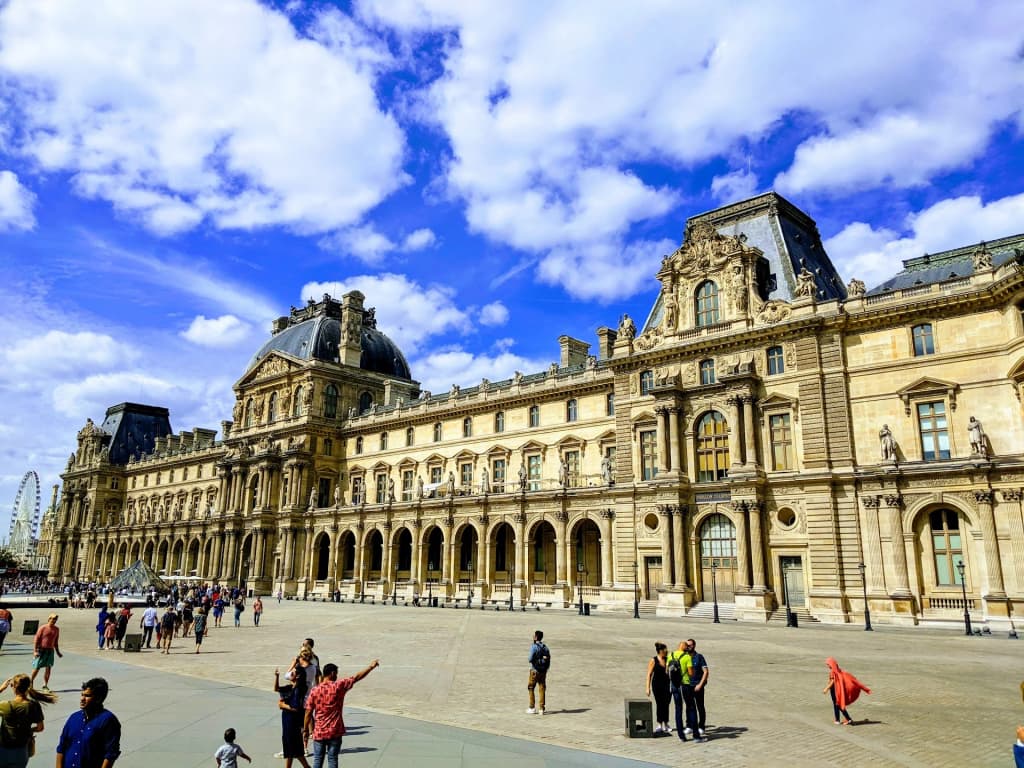
- Going Without a Guide at the Louvre: The Louvre is a labyrinth containing 35,000 works of art. Paying for a 4-hour guided tour ($110) saves you from wandering aimlessly and ensures you actually see the highlights efficiently.
- Overpacking Your Itinerary: Paris is huge. Group your daily activities by neighborhood (arrondissement) so you are not crossing the city four times a day. Pick two major sights per day, max.
Final Total: What Will You Spend?
When we tally up the numbers for a complete 7-day trip (including flights, accommodation, transport, food, attractions, and extras), here is your realistic target:
- The Strict Budget Traveler: ~$2,200 total per person
- The Comfort Traveler: ~$3,450 total per person
Your next step? Lock in your flight dates for the shoulder season, secure a centrally located hotel near the 7th arrondissement, and start building your day-by-day itinerary. Paris is entirely manageable when you have a structured, realistic budget plan.
More Photos
More Adventures
 $30 - $80/day 3-5 days
 Finding the Soul of Paris: A Guide to the City's Best Free Experiences
Experience the magic of Paris without spending a euro. From concealed Roman ruins to rooftop sunsets, discover the city's most immersive free experiences.
 $150 - $350/day 4-7 days
 London Travel Guide: Embracing the City's Chaotic Charm
Navigate the bustling streets of London, from the royal gates of Buckingham Palace to the chaotic glow of Piccadilly and the halls of ancient museums.
 $75 - $150/day 1-2 days
 Montreal Layover Itinerary: The Ultimate 24-Hour Guide
Maximize your Montreal layover with this precise 24-hour itinerary. Discover fast transit routes, historic sights, and budget dining near YUL airport.
 $45 - $120/day 5-7 days
 A Practical Guide to Buenos Aires: Budgets, Transit & Beef
Maximize your Buenos Aires budget with our practical guide. Get exact costs, transit strategies, steakhouse rankings, and a step-by-step itinerary.