
Finding the Pulse: How to Actually Navigate Buenos Aires
Discover the reality of moving through Buenos Aires, from hunting down a SUBE card to mastering local ride-shares and surviving airport transfers.
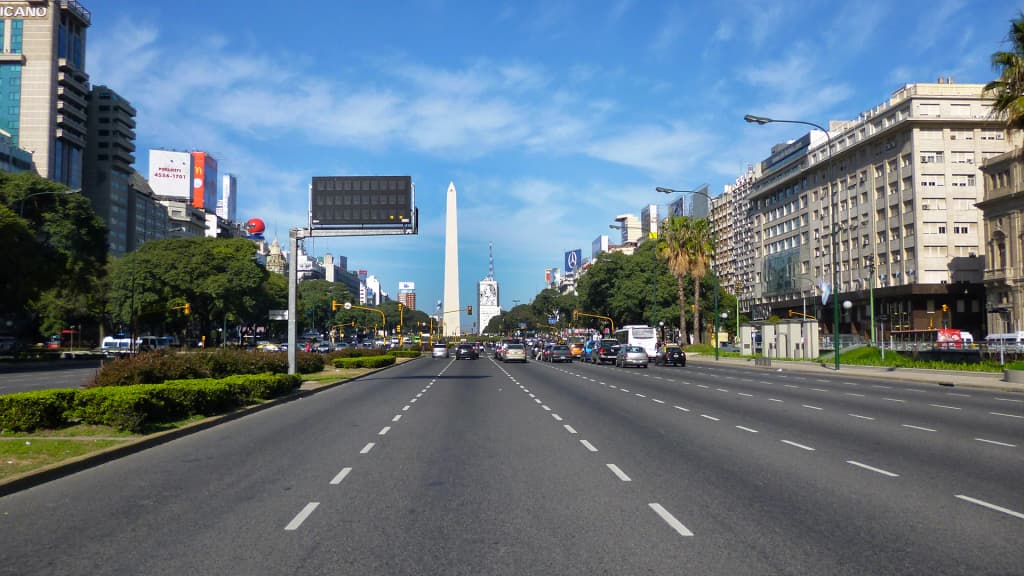
The morning air in Buenos Aires carries a distinct, heavy warmth. It smells of roasting coffee beans, damp sycamore leaves, and the sharp, metallic tang of the yellow-and-black taxis idling at the corner. I stand at the edge of a massive intersection along Avenida 9 de Julio, watching the city wake up. The sheer scale of the avenues here demands respect. You don't just walk in this city; you surrender to its sprawling, relentless rhythm. Despite the whispers of economic crises that dominate international headlines, the streets feel remarkably grounded and safe. Families stroll through the sprawling parks of Palermo, and elderly couples sit outside cafes, watching the world go by. The secret to unlocking this metropolis is simple: you let your feet do the heavy lifting. The terrain is flat, the architecture is a constant feast of Parisian-style balconies and grand facades, and every block offers a new bakery window pulling you in. You just need a pair of worn-in shoes and the willingness to let the map blur a little.
But eventually, the sheer geography of the capital catches up with you. My legs ache after miles of navigating the cracked, historic sidewalks. I duck into a tiny, fluorescent-lit kiosco on a side street, the walls lined with alfajores and cigarettes. The man behind the counter is older, his glasses pushed up on his forehead, listening to a crackling radio broadcast of a football match.
"I need to ride the bus," I tell him, pointing toward the roaring street outside.
He looks at my empty hands and shakes his head. "You can't just pay with paper, flaco. You need the plastic. The SUBE."
"Do you have one?" I ask.
He slides a blue card across the glass counter. "Three thousand pesos to buy it. Then we load it. Without this, the city is closed to you."
I hand over the colorful bills, watching as he taps the card against a worn terminal. The SUBE card is the lifeblood of the porteño transit system. You can't board a colectivo or descend into the sweltering, historic tunnels of the Subte without it. Cash is entirely useless once you step onto the bus. While the public transit network is vast and incredibly cheap, it operates on a local logic that can feel like a labyrinth to an outsider. The routes snake through neighborhoods in ways that defy digital maps, and missing your stop means a long, confusing walk back. It is an adventure, certainly, but one that requires a healthy reserve of patience.

When the labyrinth becomes too much, or when the night falls and I just want to get across town without deciphering a bus schedule, I pull out my phone. The digital chariots of Buenos Aires are the ride-sharing apps. Uber is the familiar crutch, but the locals know better. Cabify often surfaces with cheaper fares and a fleet of professional taxi drivers who have integrated into the system. And then there is Didi, the whispered secret among budget-conscious travelers and residents alike, offering the lowest rates to zip past the towering monuments.
I slide into the back of a Cabify on Avenida Santa Fe. The driver, a woman with bright red lipstick and a heavy foot on the accelerator, weaves through the chaotic traffic with the precision of a surgeon. This beautiful, terrifying ballet of cars is exactly why I would never rent a vehicle here. Driving in the capital is a contact sport, a high-stress negotiation of unwritten rules and aggressive lane changes. Unless you are fleeing the city for the wine valleys of Mendoza or the alpine lakes of Bariloche, a rental car is a heavy, expensive anchor. For the price of a few rides on the apps, you buy yourself the ultimate luxury: looking out the window instead of staring at the bumper in front of you.
The memory of arriving in this beautiful chaos still lingers. The descent into Buenos Aires dictates the tone of your first few hours. If you are lucky, your flight banks over the muddy, vast expanse of the Rio de la Plata and touches down at Aeroparque, right in the heart of the city. From there, the towering skyline is only a twenty-minute ride away. But many international flights land at Ezeiza, marooned far out in the suburbs, separated from the city center by an hour or more of unpredictable highway traffic.
When you emerge from the terminal at Ezeiza, exhausted and dragging heavy luggage, the last thing you want is to negotiate fares or navigate a sprawling taxi queue. Pre-booking a private transfer is the quietest, smartest investment you can make. You walk through the sliding glass doors and there is a person holding a sign with your name, a beacon of calm in the swirling arrival hall. They take your bags, lead you to a quiet car, and carry you into the heart of the city. Surprisingly, it often costs the same as trying to summon an Uber from the curb, but it spares you the frantic, initial friction of a new country.
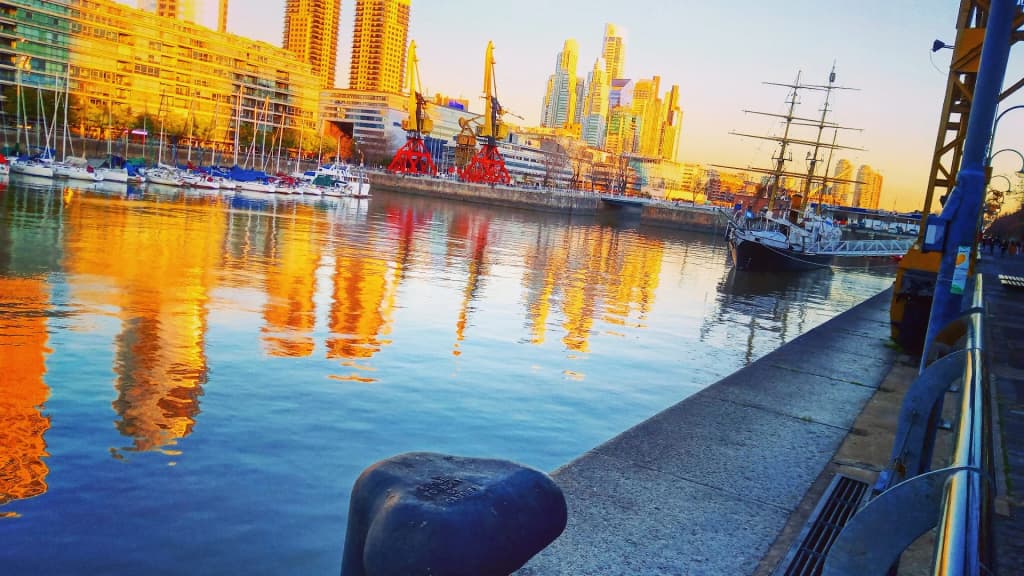
The sun begins to dip below the jagged rooflines of Puerto Madero, casting long, golden shadows across the docks. The water laps gently against the concrete piers. The air cools, and the scent of roasting meats begins to drift from the nearby parrillas, promising chimichurri and charred cuts of beef. I sit on a wooden bench, feeling the vibration of a passing subway train deep beneath my feet. To move through this city is to feel its pulse, to bounce between the slow, deliberate pace of a long walk and the sudden, roaring efficiency of a taxi ride. You don't conquer the map here. You just learn the steps of the dance, letting the rhythm carry you exactly where you need to be.
More Photos
More Adventures
 $45 - $120/day 5-7 days
 A Practical Guide to Buenos Aires: Budgets, Transit & Beef
Maximize your Buenos Aires budget with our practical guide. Get exact costs, transit strategies, steakhouse rankings, and a step-by-step itinerary.
 $60 - $120/day 4-5 days
 Buenos Aires Itinerary: A Practical 5-Day Planning Guide
Plan the perfect Buenos Aires trip with this meticulous guide. Discover exact costs, walkable neighborhood routes, and budget optimization tips for Argentina.
 $50 - $200/day 3-5 days
 Buenos Aires Travel Guide: The 21% Tax Hack & Itinerary
Plan your Buenos Aires trip with this meticulous logistical guide. Learn the 21% hotel tax hack, airport transfer costs, and neighborhood sightseeing routes.
 $50 - $200/day 7-10 days
 Hacking Cancun: The Ultimate Riviera Maya Budget Guide
Ditch the tourist traps and conquer the real Riviera Maya. Get budget hacks, car rental secrets, and epic adventure tips for your Mexico trip.