
Gravity and Guava: The Surreal Dualities of Gramado and Canela
A journey through the Serra Gaúcha, where NASA artifacts sit miles from thundering waterfalls and the scent of artisanal chocolate fills the mountain air.
The hum of the gyroscope drowns out the Portuguese chatter around me. For a second, as the machine spins me backward, simulating the disorientation of zero gravity, I forget I am in the Serra Gaúcha region of Brazil. I could be in Houston, or perhaps floating in the void itself.
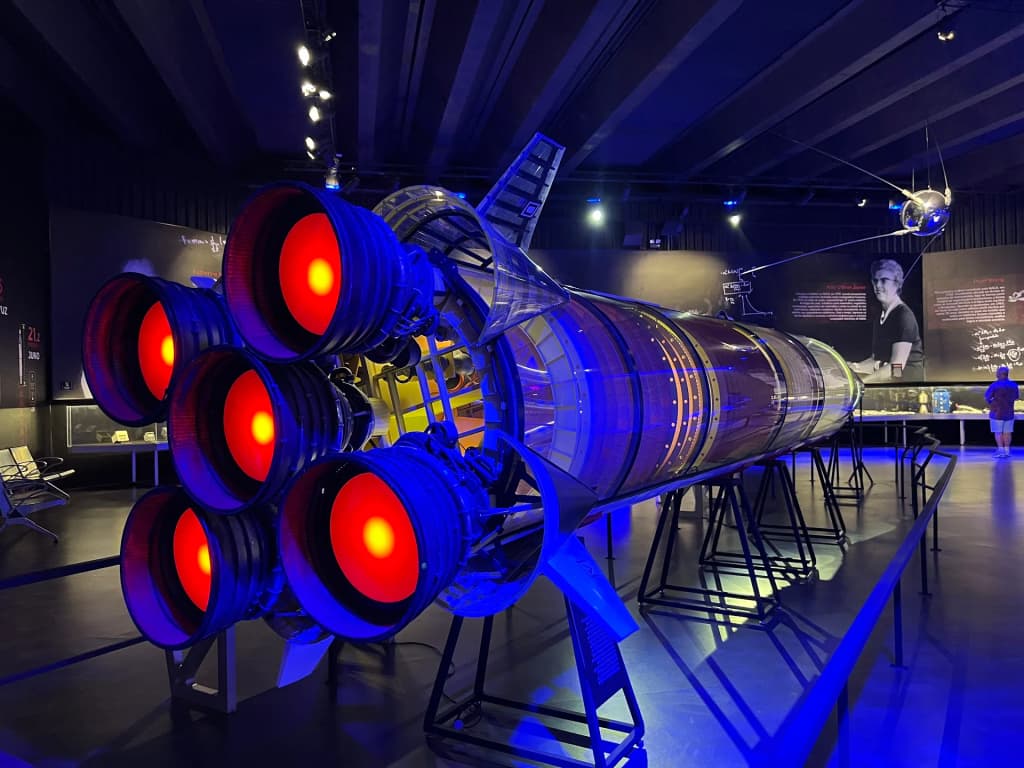
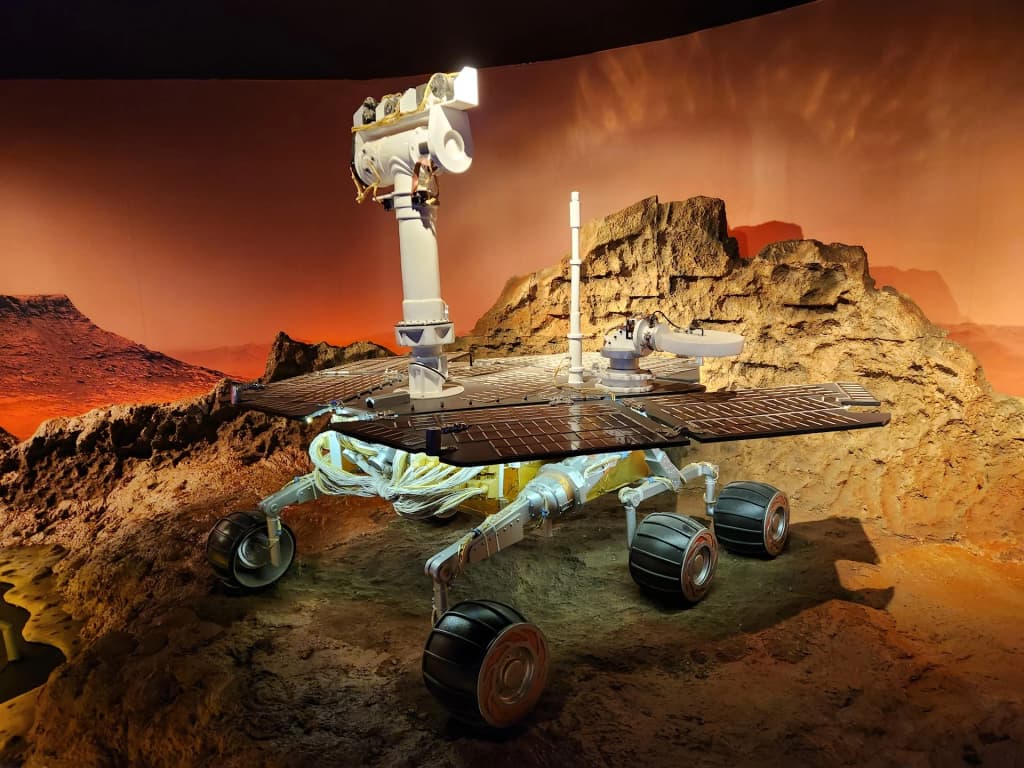
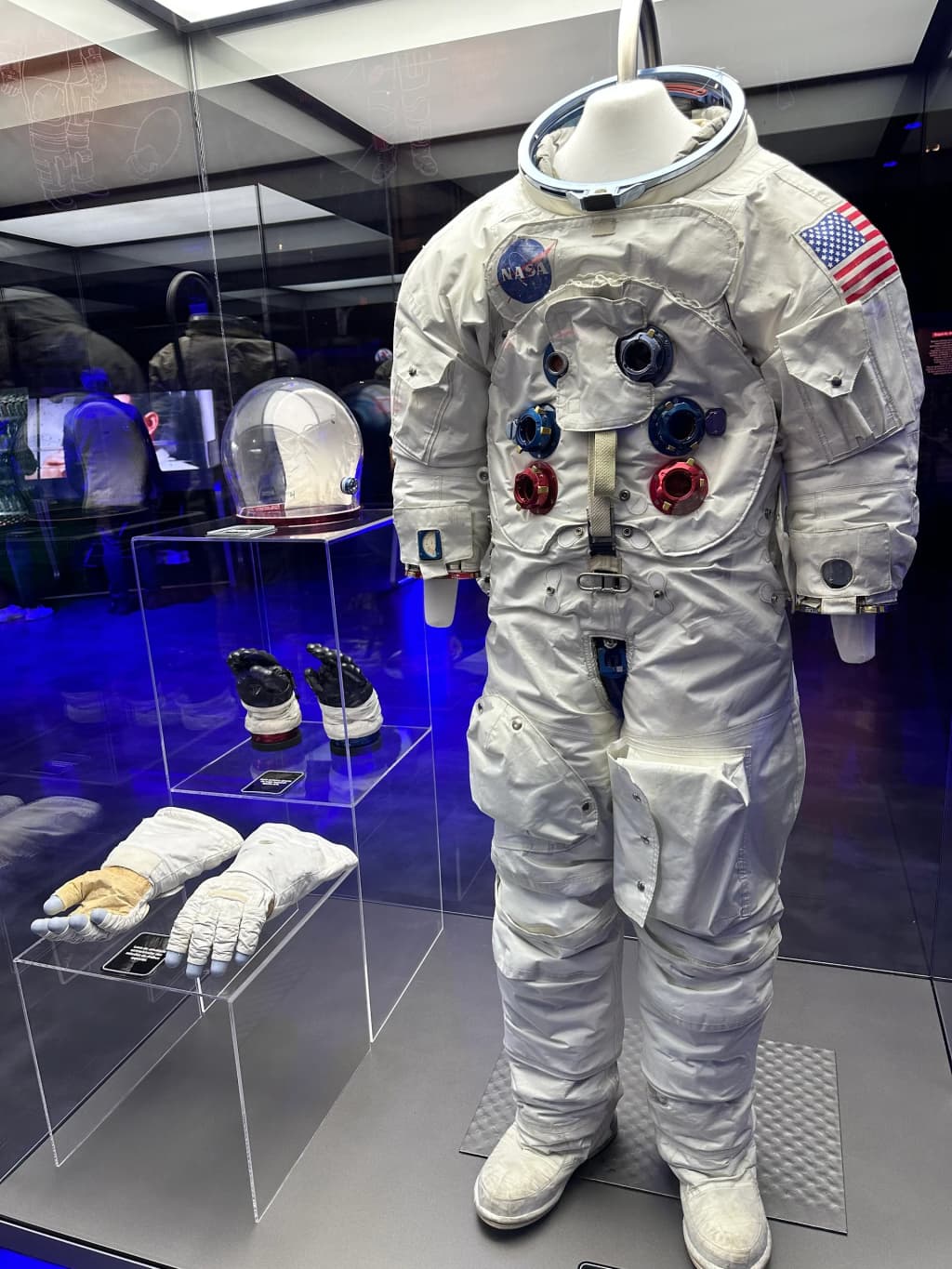
This is Space Adventure in Canela, and it is entirely unexpected. You don't come to the Brazilian highlands expecting to find a massive station dedicated to NASA, yet here it is—over 4,000 square meters of steel, light, and history. Walking through the exhibit feels like stepping onto a movie set, but the artifacts are jarringly real.
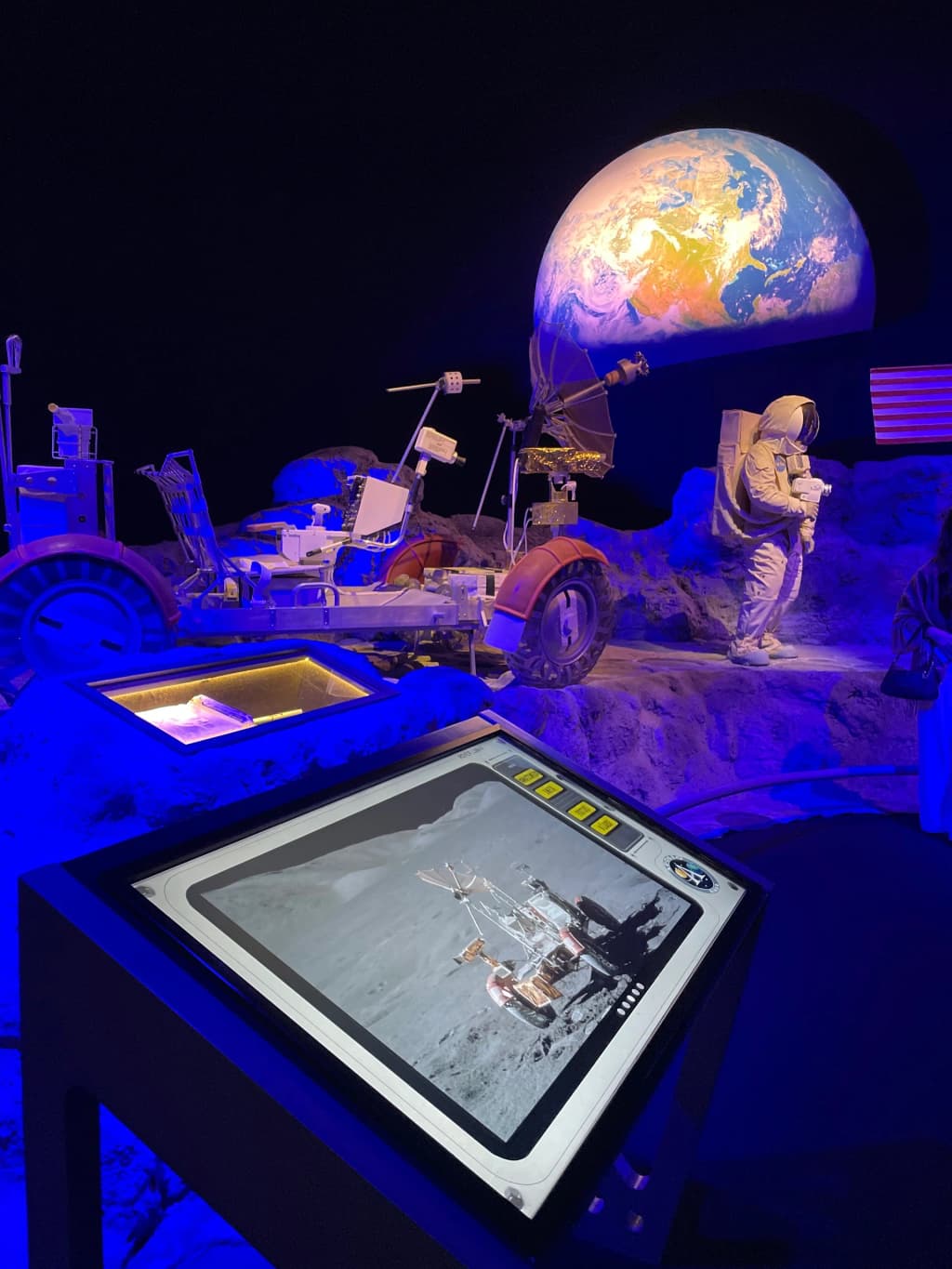
I find myself staring at the Liberty Bell capsule. It was used in the Gemini project, launched in 1961. The history here is heavy; this metal shell returned to Earth, sank into the ocean when the recovery helicopters failed to snag it, and sat on the sea floor until 1999. Seeing the corrosion and the engineering up close is a tactile reminder of how fragile human exploration really is.
Beyond the heavy machinery, it’s the small things that pull you in. The personal hygiene kits of astronauts, the packets of dehydrated food, and the cameras that snapped photos of the lunar surface. There is a room here that displays original negatives from the moon landing missions. The contrast is stark—these delicate strips of film that traveled hundreds of thousands of miles, now resting in a dark room in southern Brazil.
For those wanting the full sensory package, the planetarium offers a deep dive into the cosmos. You can even buy astronaut ice cream in the gift shop—neapolitan, freeze-dried and chalky in that nostalgic way. It is an attraction that demands time; you can’t rush through the history of the universe.
Leaving the cold precision of space, the air outside feels humid and alive. The drive to Gramado is short, but the shift in atmosphere is total. The scent of pine is replaced by something sweeter, richer. I arrive at Prawer on Avenida das Hortênsias, the place where artisanal chocolate in Brazil began.
"You must try the cheese and guava," the guide says, handing me a small, intricately wrapped bonbon. Her tone is not a suggestion; it is an instruction.
"Cheese and chocolate?" I ask, skeptical.
She smiles, knowing what comes next. "It is the flavor of Romeo and Juliet. Just eat."
I bite down. The base is a waffle crunch, followed by marshmallow, and then that distinct, savory-sweet punch of guava paste and mild cheese, all enrobed in milk chocolate. It works. It works incredibly well. The tour here is a 40-minute immersion into the process, ending with a sensory tasting that ruins you for supermarket candy bars forever. It’s best to book this in advance; the secret is out, and the lines can get long.
Night falls early in the mountains, bringing a chill that demands shelter. I find mine at Hotel Wood, right in the center of Gramado. The name is not a metaphor; the element is everywhere, bringing a warmth and acoustic softness to the lobby. It doesn't feel like a hotel; it feels like a wealthy friend's mountain lodge.
The culinary experience here is helmed by Chef Rodrigo Bellora, who champions "nature kitchen" concepts. I settle into the lounge, where a fireplace crackles, fighting off the evening mist. The food is unpretentious but technically perfect, utilizing local ingredients that taste of the earth outside. The rooms follow suit—king-sized beds and heavy curtains that promise deep sleep. It is the perfect base camp: central enough to walk the city, but secluded enough to forget it exists.
The next morning, the fog lifts by 10 am, revealing the Garden Park. This is a place for slow walking. The park spans 138,000 square meters, a canvas of green carved out of the native forest. The path I choose, the "Way of the Oaks," is lined with Canadian oaks planted nearly three decades ago. They stand tall and alien against the native Brazilian flora, a testament to the founder's long-term vision.
The soundscape here is therapeutic. Waterfalls crash in the distance, and the wind moves through the valley. I stop at a bistro tucked into the greenery. It's open seasonally—mostly late spring and summer—but even in the cooler months, the architecture invites you to sit and listen. The park is open daily from 9 to 5, but the light is best between 10 am and 3 pm, especially in autumn when the shadows get long and dramatic.
For a change of pace, I head back to Canela to see the Caracol Waterfall, but not from the usual crowded lookout. The Bondinhos Aéreos (cable cars) offer a different perspective. The park is surprisingly progressive regarding accessibility. I meet staff who explain their color-coded lanyard system for visitors with autism or hidden disabilities, and they introduce me to Amora, the park's mascot dog who was adopted by the team years ago.
"She runs this place," a ticket collector laughs, scratching the dog behind the ears.
I take the cable car up to the Animal Station. There is a trail here with wooden sculptures that emit the sounds of the animals they represent—a sensory detail designed for the visually impaired but delightful for everyone. But the main event is the waterfall station. Seeing the cascade from this angle, suspended in the air, gives you a sense of the sheer power of the water. For the brave, the Eagle Zipline simulates a flight over the valley, but I am content to watch the water thunder down from the safety of the cabin.
My final stop is a jarring return to modernity. The NBA Park in Gramado is a temple to basketball, gleaming with polished floors and neon lights. It’s the largest NBA space in Latin America, filled with interactive games, memorabilia signed by legends, and a restaurant that feels like a sports bar on steroids. It’s loud, it’s fun, and it stands in total contrast to the quiet oaks of the Garden Park.
Driving away, I realize that this is the charm of the Serra Gaúcha. In a single day, you can touch a spacecraft, taste artisanal chocolate, walk through a silent forest, and shoot hoops in a high-tech arena. It is a place that refuses to be just one thing.
More Photos
More Adventures
 $50 - $150/day 1-2 days
 Conquer the Serra Verde Express: Brazil's Wildest Train
Ditch the tourist traps and ride the Serra Verde Express from Curitiba to Morretes. Discover ticket tips, seating secrets, and the best Barreado.
 $150 - $300/day 1-2 days
 Conquer Epcot: The Ultimate High-Speed Global Gauntlet
Think Epcot is a slow stroll? Think again. It's a high-speed, globe-trotting gauntlet. Hack the rides, taste the world, and push your limits in Orlando.
 $40 - $100/day 3-4 days
 Campos do Jordão Itinerary: Budget Guide & Hiking Logistics
Plan a practical trip to Campos do Jordão, Brazil's highest city. Get exact costs for state parks, hiking Pedra do Baú, and budget-friendly dining.
 $50 - $120/day 3-5 days
 Chasing Echoes and Gold Dust in Tiradentes, Brazil
Experience Tiradentes, Brazil through a sensory journey of colonial architecture, deep-rooted history, and the rich culinary traditions of Minas Gerais.