
Chasing Echoes and Gold Dust in Tiradentes, Brazil
Experience Tiradentes, Brazil through a sensory journey of colonial architecture, deep-rooted history, and the rich culinary traditions of Minas Gerais.
The rhythmic chug of the 1881 steam engine reverberates through the wooden floorboards, sending vibrations straight up my spine. Thick plumes of charcoal smoke drift past the open window, carrying the sharp, metallic scent of heated iron and damp earth. This is the Maria Fumaça, one of the oldest operating steam trains in the world, and for seventy reais, it pulls you out of the present and deposits you twelve kilometers away in the heart of São João del Rei. The forty-five-minute journey feels like a slow, deliberate shedding of the modern world.
Stepping off onto the platform, the air shifts. The smell of woodsmoke is replaced by the unmistakable, mouth-watering aroma of roasted garlic and freshly baked artisanal bread wafting from Taberna do Omar. The culinary pull in Minas Gerais is immediate and unforgiving. After a heavy, deeply satisfying meal that tastes like centuries of perfected family recipes, the town demands to be walked. The cobblestones here are uneven, smoothed by three hundred years of footsteps. Pushing open the heavy wooden doors of the Catedral Basílica da Nossa Senhora do Pilar—gladly parting with a ten-real entry fee—the sheer scale of the 1721 Baroque and Rococo architecture swallows the ambient street noise. It is cool inside, smelling faintly of old paper, melting wax, and history.
The return to Tiradentes brings a different kind of quiet. The town is a masterclass in colonial preservation, a sea of stark white facades punctuated by doors and window frames painted in luminous, saturated hues of mustard, cobalt, and crimson. I stop in front of one particularly striking blue door, reaching out to trace the cold brass of an ornate door knocker shaped like a human hand.
"We call them aldravas," a voice says.
I turn to see an older woman sweeping the stone steps of the neighboring house, her broom making a rhythmic, scratching sound against the rock.
"They are beautiful," I offer, dropping my hand.
She leans on her broom, her eyes crinkling against the bright afternoon sun. "Only the wealthy had them. If you had money, you knocked with the brass hand. If you didn't, you stood in the dirt and clapped your hands until someone decided to notice you." She gives a small, knowing smile. "The houses are pretty, but the stones remember everything."
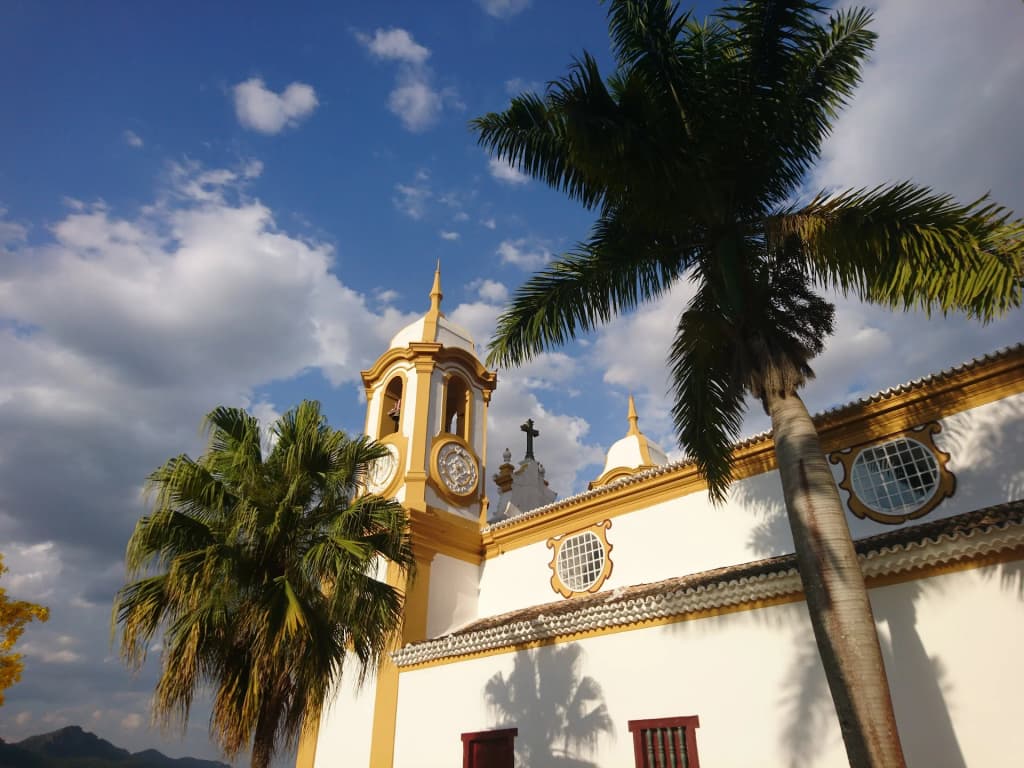
Her words linger as I climb the steep, winding path toward the highest point in town. At the summit sits the Igreja Matriz de Santo Antônio. Its facade, designed in 1810 by the legendary Brazilian sculptor Aleijadinho, is a masterpiece of carved soapstone. But it is the interior that drops your stomach. Nearly five hundred kilograms of pure gold coat the altars, twisting into elaborate cherubs and intricate floral motifs. It is staggering, yet heavy with the realization of what it cost to pull that much wealth from the earth. Looking out from the church’s courtyard, the entire valley of terracotta roofs and rolling green mountains spreads out below, serene and indifferent to the frenzied gold rush that birthed it.
The darker veins of that history run through the narrow back alleys of Tiradentes. During the height of the gold cycle, enslaved Africans were barred from walking the main thoroughfares. They were relegated to the margins, forced to navigate the town through quiet, secondary paths. Following these shadowed lanes leads to the Igreja Nossa Senhora do Rosário dos Homens Pretos. Built in 1719 by and for the enslaved population, it is a space of profound resilience. The gold inside this church wasn't granted by the Portuguese crown; it was smuggled out of the treacherous mines, hidden in hair and under fingernails, to create a sanctuary. Catholic saints share space with subtle, disguised symbols of Candomblé and African spirituality. Standing in the dim light of the nave, the silence feels less like peace and more like endurance.
To shake the historical heaviness, a twenty-minute drive down a dusty road leads to the neighboring village of Bichinho. The atmosphere here is lighter, driven by a thriving community of artisans and the clinking of plates. At a rustic spot called Pote Quebrado, I order the pastel de angu. The crust, made entirely of cornmeal, shatters perfectly between the teeth, giving way to a rich, fiercely spiced meat filling that burns pleasantly on the tongue. It is the kind of deeply regional, unpretentious food that anchors you exactly where you are.
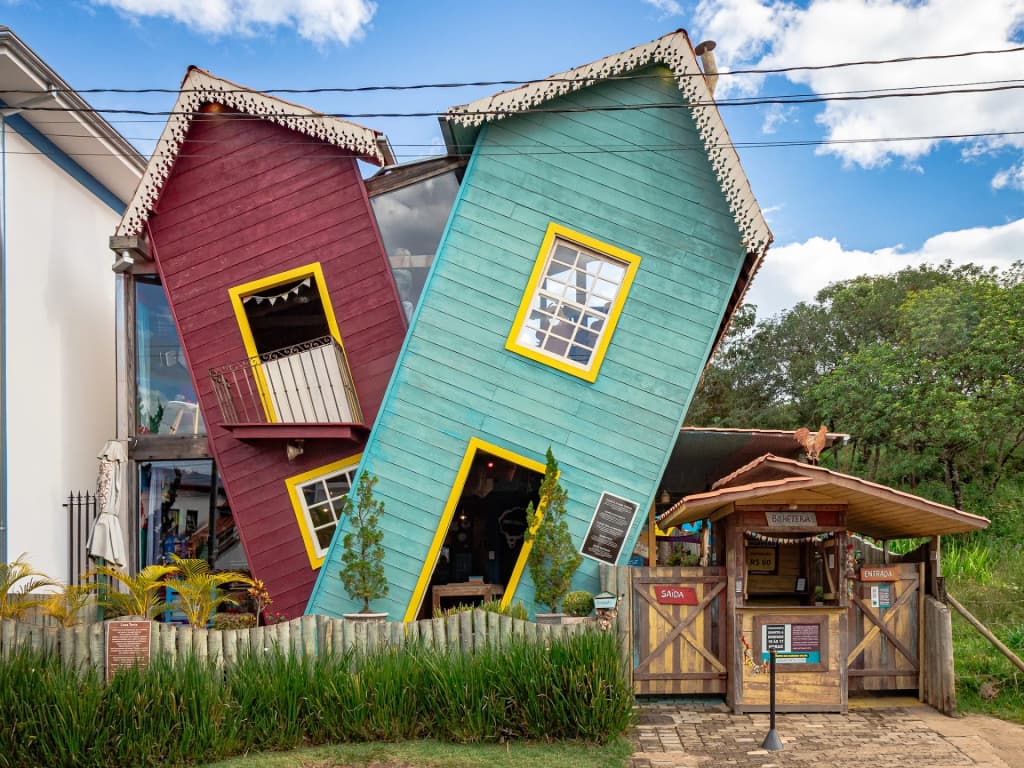
Down the road stands the delightfully bizarre Casa Torta—the Crooked House. It leans precariously to one side, its bright facade inviting you into a theatrical, interactive space designed to make you feel like a child again. Laughter echoes through the open windows as adults clumsily attempt to spin hula hoops and play hopscotch, guided by a staff of theater actors who treat joy as a serious pursuit.
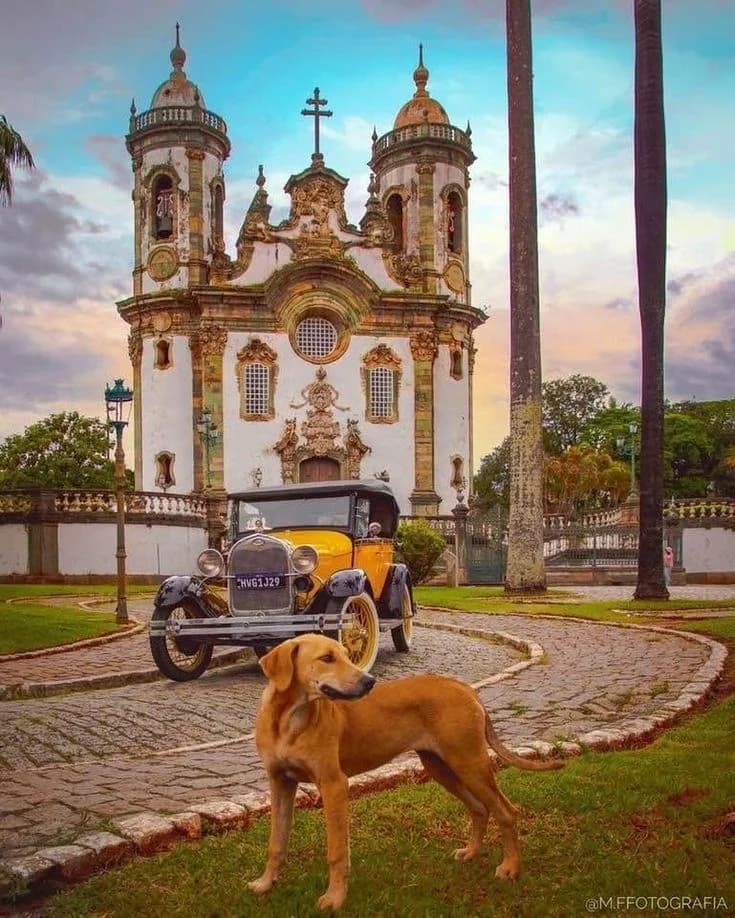
By late afternoon, I am back in Tiradentes, sitting in the shaded, leafy garden of Jane's Apple. The crunch of a perfectly caramelized apple, sticky and sweet, pairs brilliantly with a strong, bitter cup of local coffee. The air begins to cool, signaling the day's end. I make my way to the grassy hill of Igreja São Francisco de Paula just as the sky bruises into shades of violet and burnt orange.
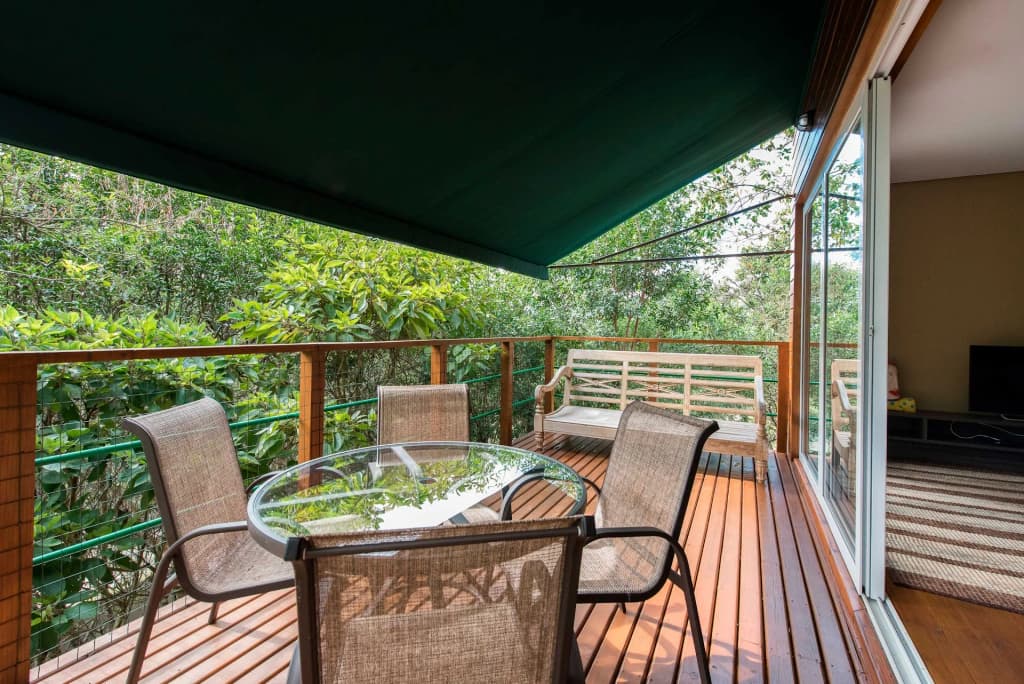
The town below begins to glow as vintage streetlamps flicker to life. The evening wraps up at Angra Bar, where the sharp, icy bite of a blackberry and ginger cocktail cuts through the lingering heat of the day. Later, retreating to the quiet, spacious rooms of Casa Pedaço de Minas—a local home rental that feels like a private sanctuary with its own small pond and swaying hammock—I listen to the night insects hum. The gold of Minas Gerais isn't just in the altars anymore. It is in the fading amber light, the warmth of the spiced food, and the heavy, beautiful truth carried in the cobblestones.
More Photos
More Adventures
 $40 - $120/day 3-5 days
 Shadows and Gold: Walking the Living History of Ouro Preto
Wander the steep cobblestone streets of Ouro Preto, where Baroque masterpieces, subterranean gold mines, and a dynamic culinary scene breathe life into history.
 $150 - $300/day 1-2 days
 Conquer Epcot: The Ultimate High-Speed Global Gauntlet
Think Epcot is a slow stroll? Think again. It's a high-speed, globe-trotting gauntlet. Hack the rides, taste the world, and push your limits in Orlando.
 $50 - $120/day 2-3 days
 Earth, Fire, and Lavender: A Sensory Weekend in Cunha
Breathe in the lavender fields, taste alpine mountain beer, and feel the heat of traditional Japanese kilns in the mountain village of Cunha, São Paulo.
 $50 - $150/day 1-2 days
 Finding Holland in the Tropics: Two Days in Holambra
Discover Holambra, Brazil's unexpected Dutch enclave. Wander through luminous flower fields, towering windmills, and rich European history in São Paulo state.