
Earth, Fire, and Lavender: A Sensory Weekend in Cunha
Breathe in the lavender fields, taste alpine mountain beer, and feel the heat of traditional Japanese kilns in the mountain village of Cunha, São Paulo.
The scent hits you before the engine even cuts out. It is a thick, floral perfume that catches in the crisp winter air, heavy and sweet, masking the smell of damp earth and the exhaust of the car. The old wooden gate creaks as it swings open. I hand twenty-seven reais through the window to the attendant, a modest toll for stepping into what feels like a living, breathing impressionist painting. This is O Lavandário, perched high in the Mantiqueira Mountains of Cunha, São Paulo. They say spring and autumn are the prime seasons to witness the deepest purple hues, but even now, in the depths of the Brazilian winter, the fields are an ocean of violet cascading down the hillside.
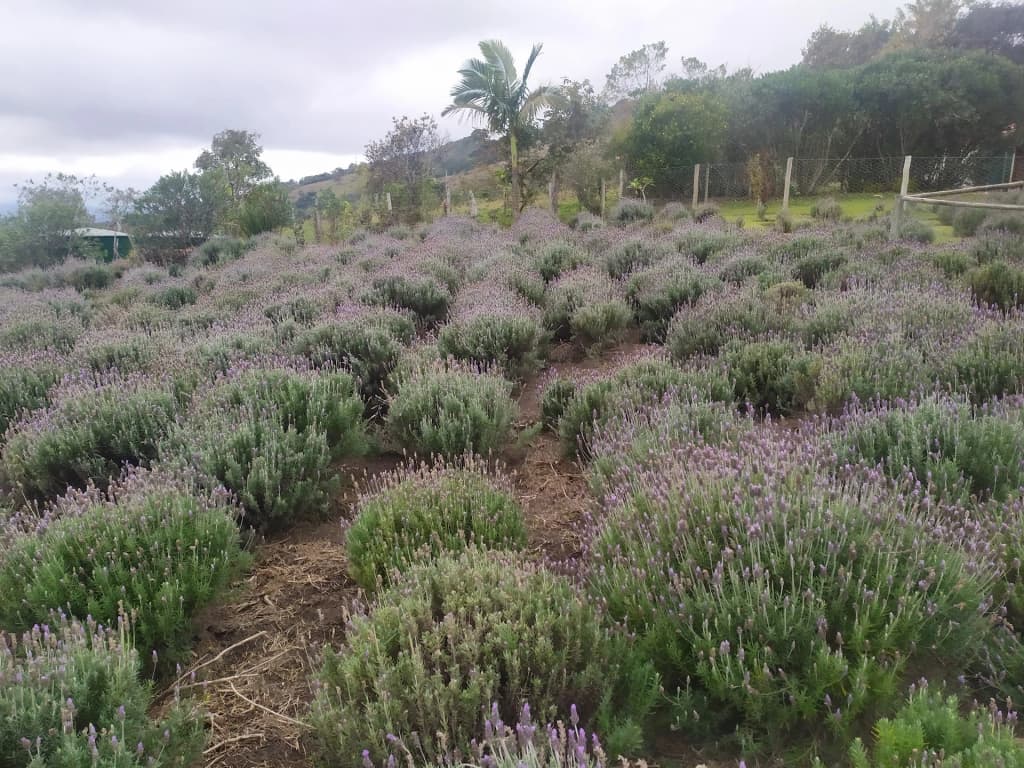
The sun begins its slow descent, bleeding orange and gold across the horizon. The light catches the tips of the lavender bushes, illuminating them from within, turning the entire valley into a glowing expanse of violet and amber. Families are scattered along the dirt pathways, their voices carried away by the wind, leaving only the rustle of the dry branches. It is a visual spectacle, yes, but the olfactory experience is what anchors you to the earth. You breathe in, and the world simply slows down. The stress of the city evaporates, replaced by the grounding, earthy sweetness of the blooms.
The temperature drops sharply as night falls over the valley, driving us into the warm, glowing embrace of the town center. The clinking of forks against heavy ceramic plates spills out onto the cobblestones from Il Pomo, a beloved local institution. Inside, the air is thick with the aroma of roasted garlic, melting cheese, and rich tomato sauce bubbling in the kitchen. We settle into a corner table under warm, low-hanging lights, the murmur of Portuguese blending with the soft instrumental music playing overhead.
The waiter, moving with a practiced, unhurried grace, brings a massive, creamy burrata. It splits open at the touch of a knife to reveal its rich, stracciatella center, pooling onto the rustic bread. Steaming plates of pasta and risotto follow, sending plumes of fragrant steam into the chilly air. The online reviews promised a near-perfect experience, and as I twirl the handmade spaghetti around my fork, tasting the perfect balance of salt and fat, I realize the internet was, for once, entirely correct.
Morning breaks with a gentle frost that quickly melts under the rising sun. Today begins at O Contemplário, another lavender garden, though this one whispers rather than shouts. It is entirely free to enter, provided you remember they lock the heavy iron gates on Tuesdays and Wednesdays. The silence here is profound, broken only by the crunch of gravel under my boots and the distant call of a mountain bird. But the tranquility is short-lived, replaced by the adrenaline of navigating a single-lane dirt road that winds precariously up the mountain.
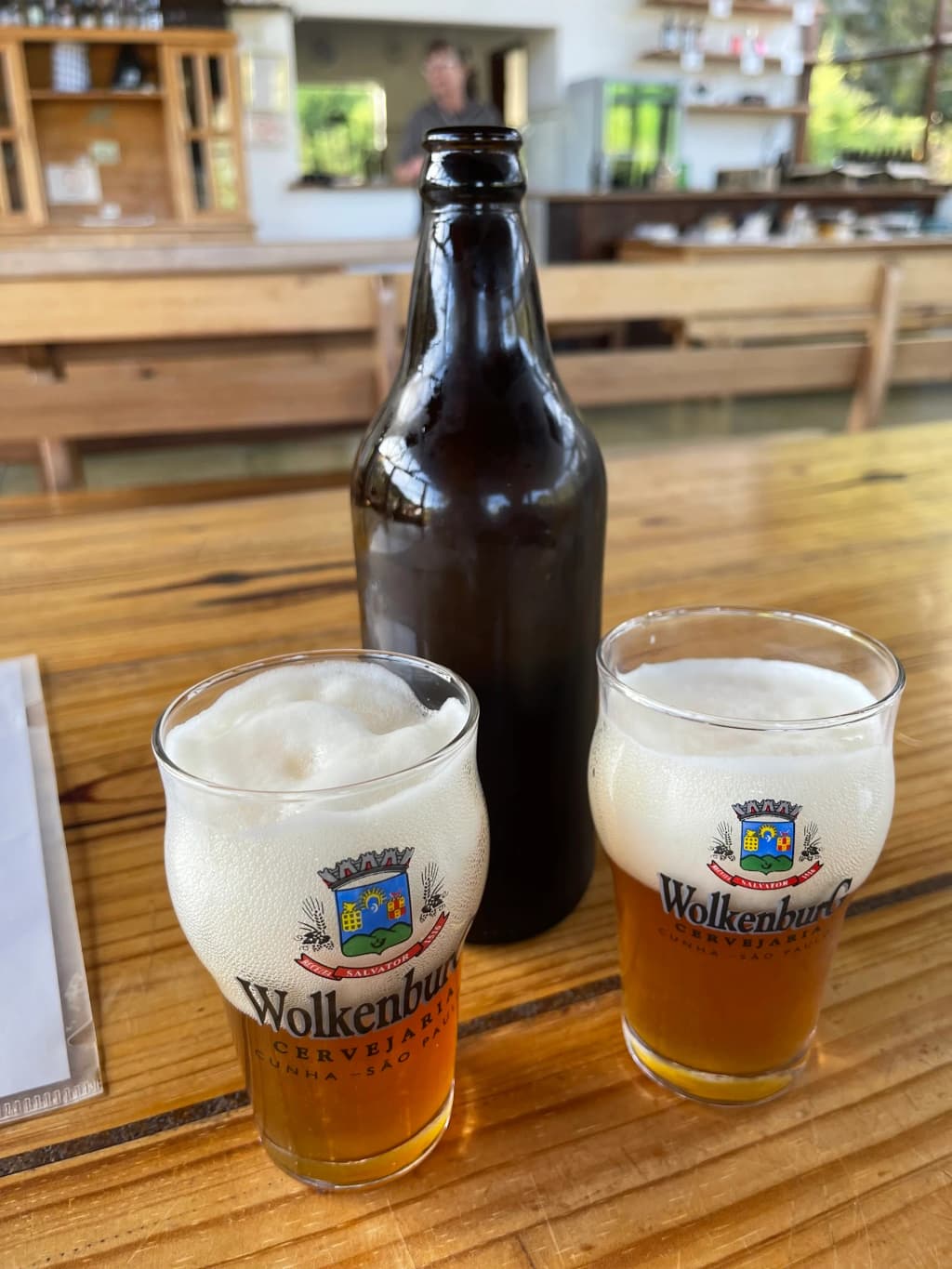
It is a test of faith, a bumpy, treacherous path where you pray another car doesn't appear around the blind curves, because reversing on this incline feels like tempting fate. The reward for surviving the drive is the Wolkenburg Brewery. Tucked away like an alpine lodge anchored in the clouds, it only opens its doors on weekends and holidays. The architecture feels entirely lifted from Bavaria, all dark wood and sturdy beams.
The air here smells of pine needles and fermenting malt. I order a house draft beer straight from the tap. The bartender, moving with cheerful efficiency, slides the glass across the heavy wooden counter. The cold liquid tastes of toasted grain and pure, crisp mountain water. A massive wooden board arrives at the table, loaded with four different types of traditional German sausages. At eighty reais to share, it is a feast that grounds you after the harrowing journey.
We follow the sound of rushing water to a nearby cascade. A nominal five-real entry fee grants access to a narrow trail carved into the lush, untamed Atlantic Forest. The air immediately shifts, growing dense and humid. Ferns brush against our legs as we navigate the slippery, moss-covered rocks. The spray from the waterfall is icy, prickling my skin and waking up my senses, a stark contrast to the heat I am about to encounter back in town.
Cunha is not just a town of flowers and food; it is the National Capital of High-Temperature Ceramics. The first studio opened its doors back in 1975, sparking a cultural revolution that transformed this quiet agricultural village into a sanctuary for artisans and dreamers. We step into Atelier Suenaga, where the air is thick and warm, smelling of wet clay, minerals, and the faint, lingering memory of woodsmoke.
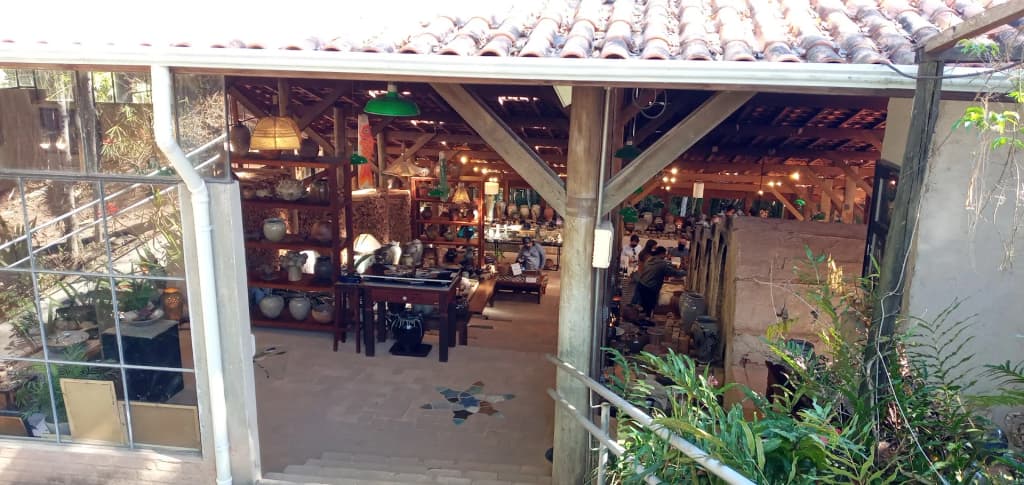
The centerpiece of the studio is the Noborigama, a massive, multi-chambered climbing kiln of Japanese origin. Its blackened bricks tell the story of countless firings.
"Fourteen hundred degrees," the artisan tells me, noticing my gaze fixed on the belly of the kiln. He wipes a smear of gray dust from his heavy canvas apron.
"That seems impossible to control," I say, running my thumb over the smooth, glassy glaze of a finished bowl nearby.
He laughs, a low, rumbling sound that echoes in the cavernous space. "You don't control it. You collaborate with it. The fire decides the final color. We just give it the ingredients." He gestures to the rows of pottery waiting to be fired. "It is earth and fire. It has a mind of its own."
I hold the bowl in my hands, feeling the weight of the clay, the history of the fire, the quiet dedication of the hands that shaped it. Cunha is a place that demands you pay attention to the physical world. It asks you to smell the lavender, to taste the sharp bite of the cold beer, to feel the heat of the kiln and the chill of the mountain air. It is a small village, easily explored in a single weekend, yet it leaves a heavy, lingering imprint on your senses long after you have driven back down the mountain.
More Photos
More Adventures
 $50 - $120/day 3-5 days
 Chasing Echoes and Gold Dust in Tiradentes, Brazil
Experience Tiradentes, Brazil through a sensory journey of colonial architecture, deep-rooted history, and the rich culinary traditions of Minas Gerais.
 $50 - $150/day 1-2 days
 Finding Holland in the Tropics: Two Days in Holambra
Discover Holambra, Brazil's unexpected Dutch enclave. Wander through luminous flower fields, towering windmills, and rich European history in São Paulo state.
 $50 - $150/day 1-2 days
 Conquer the Serra Verde Express: Brazil's Wildest Train
Ditch the tourist traps and ride the Serra Verde Express from Curitiba to Morretes. Discover ticket tips, seating secrets, and the best Barreado.
 $150 - $300/day 1-2 days
 Conquer Epcot: The Ultimate High-Speed Global Gauntlet
Think Epcot is a slow stroll? Think again. It's a high-speed, globe-trotting gauntlet. Hack the rides, taste the world, and push your limits in Orlando.