
Chasing Tax-Free Dreams and Timepieces in West Hollywood
Discover how leveraging travel miles and a Delaware tax-free loophole funded a luxury weekend in West Hollywood and fulfilled a lifelong dream.
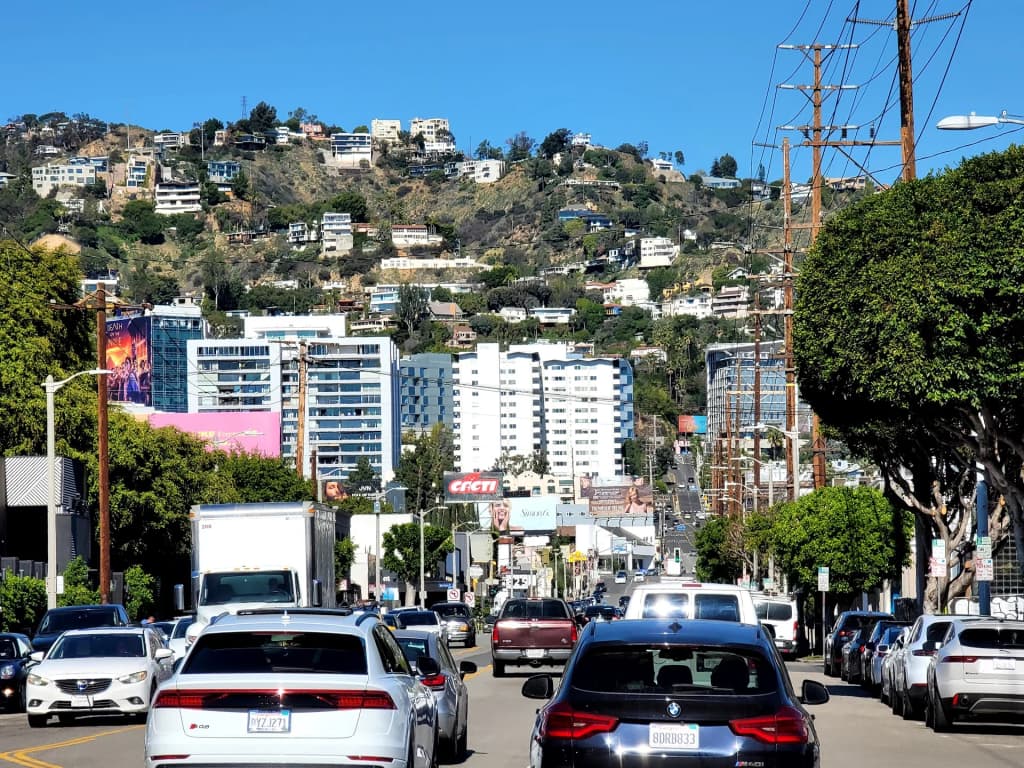
The dry, sun-baked scent of California asphalt radiates through the open window of the Uber. It mixes with the faint trace of eucalyptus and the heavy exhaust of endless traffic. Palm trees blur past, tall and spindly against a twilight sky that fades from bruised purple to a smoggy, electric orange. I am riding down the arteries of Los Angeles, thousands of miles from home, driven by a mathematical curiosity that borders on obsession. The premise is simple, yet it feels entirely audacious: can you fly across the hemisphere in business class, stay in a luxury hotel, and still save money by purchasing your electronics in the United States?
The journey began hours ago in the quiet comfort of an Aeromexico business class cabin. The ice clinking in my welcome drink, the heavy fabric of the lie-flat seat, the gentle hum of the engines—none of it was paid for with cash. I had traded a cache of carefully hoarded airline miles, a currency as real as any other if you know how to wield it. The flight cost a fraction of its retail price, a quiet victory that set the tone for this entire expedition. Now, the city of angels hums around me, a sprawling metropolis of neon and ambition, and I am merely a visitor here to collect my spoils.

The automatic doors of the Sofitel Los Angeles at Beverly Hills slide open, and the temperature drops instantly. The lobby smells of expensive white tea and polished marble. I approach the front desk, feeling the lingering stiffness of a long travel day in my shoulders.
"You have quite the collection of boxes waiting for you," the concierge says, his eyes scanning a screen before he gestures toward a heavy brass luggage cart. "Moving in?"
"Just picking up some mail," I admit, sliding my credit card across the cool stone counter.
He laughs, a rich, booming sound that echoes softly in the cavernous space. "Well, welcome home, temporarily. Let me know if you need a crowbar for all that cardboard."
I smile and take my keycard. The room is a sanctuary of low, moody lighting and heavy curtains. I drop my bags onto the plush carpet and immediately turn my attention to the stack of brown corrugated boxes waiting on the desk. This is the crux of the entire journey. There is a quiet magic to the American tax system if you know where to look. Instead of walking into a store in California and paying a hefty state sales tax, I had everything shipped to a forwarding service in Delaware—a state that charges absolutely zero tax on retail purchases. The service then boxed it all up and shipped it directly to my hotel in West Hollywood. It is a perfectly legal, brilliantly efficient loophole that transforms the economics of buying high-end gear.
I slice through the packing tape with a pen, the crisp tearing sound cutting through the silence of the room. Inside the first box is the crown jewel of this logistical heist: a two-terabyte iPhone 17 Pro Max. I lift the sleek, cold glass from its packaging. In my home country, the import taxes and retail markups would make this device cost nearly double what I paid. The savings on this single item alone offset the taxes and fees I paid on my award flights.
I unpack the rest of the haul. A new pair of noise-canceling earbuds, a compact DJI microphone designed to elevate the audio of my dispatches, a Nomatic travel backpack that feels rugged and endlessly expandable, and a dark navy travel jacket that promises warmth without bulk. I slip the jacket on. The fabric is cool and smooth against my skin, fitting perfectly. I catch my reflection in the dim mirror of the hotel bathroom. The math plays out in my head like a familiar song. The retail difference between buying these items back home versus here, tax-free, is staggering. By leveraging miles for the flights and points for this very hotel room—cutting the nightly rate squarely in half—the trip hasn't just paid for itself; it has practically handed me a surplus.
But the final box is different. It isn't a tool for work or a piece of tech meant to be obsolete in a few years. It is small, heavy, and wrapped with an intimidating level of care.
I sit on the edge of the bed, the mattress sinking softly beneath me. Outside the window, the distant sirens of West Hollywood wail, a sharp contrast to the quiet reverence I feel in this moment. I open the box to reveal a Cartier Santos-Dumont. The leather strap smells intensely of oak and newness. The cold steel casing catches the low light of the bedside lamp.
This isn't just a watch; it is a piece of history. Over a century ago, the aviator Alberto Santos-Dumont complained to his friend Louis Cartier about the difficulty of checking his pocket watch while flying his experimental airships. In response, Cartier designed one of the world's first wristwatches. For years, I had walked past boutique windows, staring at this exact timepiece, telling myself that one day, when the hard work finally crystallized into something solid, I would wear it.
I strap it onto my wrist. The leather is stiff, resisting slightly before settling into place. It feels surprisingly light, yet entirely grounding.
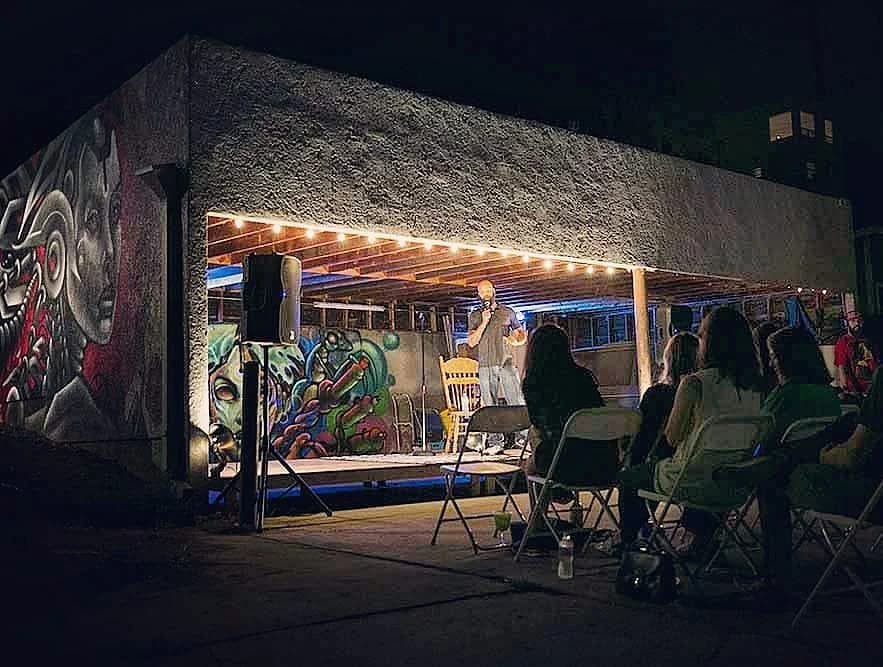
I step out onto the small balcony. The night air has cooled, carrying the faint, salty promise of the Pacific Ocean miles away, cutting through the lingering warmth of the concrete. The city stretches out below me, a sprawling grid of white headlights and red taillights pulsing through the dark like blood through veins. A low bass thumps from a passing car, mingling with the distant chatter of a comedy club letting out down the boulevard.
Travel is so often measured in distances crossed or destinations checked off a list. We tally the miles, we count the points, we obsess over the fractional value of a currency that exists only in the servers of airlines and credit card companies. But standing here, listening to the rhythmic hum of Los Angeles, I realize that the true value of this journey isn't just in the thousands of dollars saved or the cleverness of a Delaware shipping route.
It is in the permission we give ourselves to pause, to look at a dream we held a decade ago, and to finally reach out and claim it. I raise my wrist, checking the time. It is late in California, but the night is just beginning.
More Photos
More Adventures
 $150 - $350/day 7-14 days
 Beyond the Turnpike: A Sensory Journey Across Pennsylvania
Experience Pennsylvania through a sensory lens, from the sizzling food carts of Philadelphia and Gettysburg's solemn fields to the reborn steel of Pittsburgh.
 $200 - $550/day 1-3 days
 Finding the Parisian Soul Inside Disneyland Paris
Discover how Disneyland Paris blends immersive storytelling with distinct European charm, from exclusive coasters to crystal-lit breakfasts.
 $50 - $150/day 1-3 days
 Conquer Canoa Quebrada: Buggies, Ziplines & Red Cliffs
Skip the lazy beach days. Discover the adrenaline-fueled shores of Canoa Quebrada with dune buggies, massive ziplines, and electric local night markets.
 $60 - $150/day 4-7 days
 Fortaleza Unleashed: The Ultimate High-Octane Coastal Guide
Skip the resort chairs. Discover Fortaleza's towering red cliffs, high-speed dune buggy rides, and relentless kitesurfing winds. Get ready to sweat.