
The Scent of Jasmine and Charcoal: Embracing Bangkok
Experience Bangkok through a sensory journey. Discover the Grand Palace, Maeklong Railway Market, Jay Fai's crab omelet, and traditional Thai culture.
The heavy, damp air of Bangkok wraps around my shoulders like a wet towel the moment the van door slides open. It is barely seven in the morning, and while the thermometer reads twenty-six degrees Celsius, the oppressive humidity makes it feel much hotter. I adjust the linen scarf draped over my shoulders, feeling the fabric stick slightly to my collarbone. You cannot enter the Grand Palace with bare arms or uncovered knees, a rule strictly enforced by the guards who examine the gathering crowds with practiced, unyielding efficiency. Inside the complex, the sensory overload begins. Gold leaf reflects the morning sun with a blinding, almost physical intensity. The intricate glass mosaics catch the light, throwing fractured rainbows across the stone courtyards. In the temple housing the Emerald Buddha, a heavy, reverent silence replaces the city's mechanical roar. The Buddha sits high above, clad in winter robes, radiating a quiet energy that demands absolute stillness from everyone who crosses the threshold.
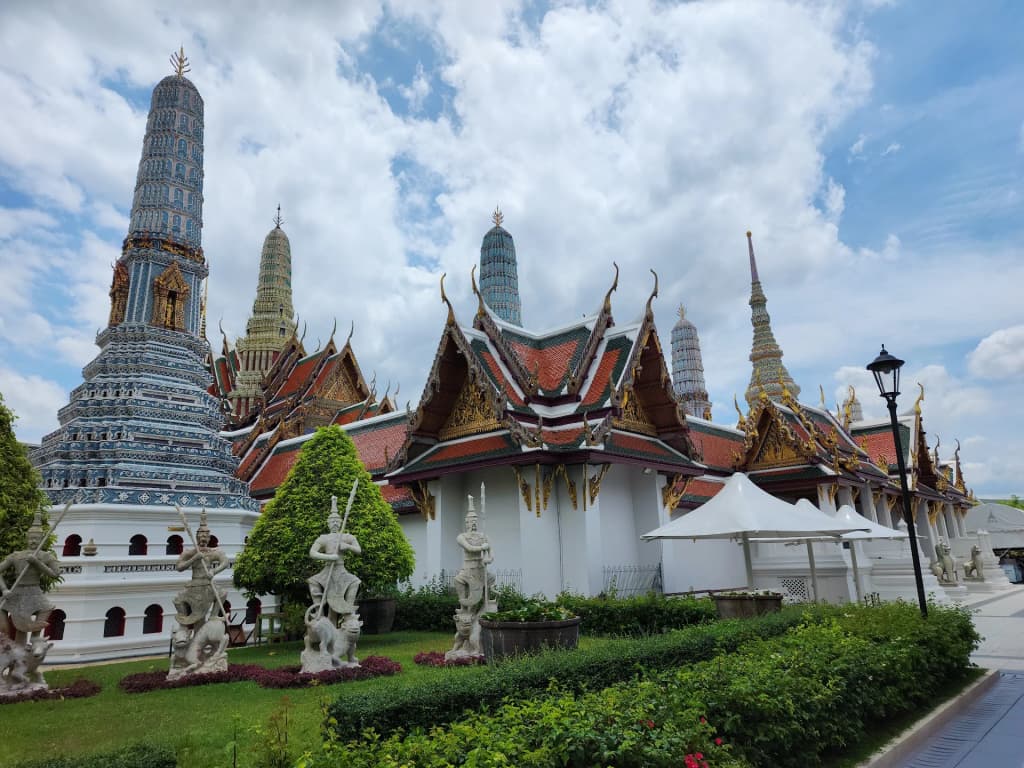
The sound of dropping coins echoes through the vast, shadowed halls of Wat Pho. Clink. Clink. Clink. I purchase a small cup of coins for a meager twenty baht donation and begin walking the length of the temple, dropping a single coin into each of the 108 bronze bowls lining the wall. The rhythmic sound becomes a moving meditation, a physical act designed to strip away earthly desires. Beside me rests the Reclining Buddha, a massive golden figure stretching forty-six meters long, capturing the exact, peaceful moment of transition into Nirvana.
Leaving the quiet of Wat Pho, we walk to the nearby pier to cross the Chao Phraya River. The boat rocks gently as the muddy, churning water slaps against the wooden hull. On the opposite bank stands Wat Arun, the Temple of Dawn. Unlike the gold-drenched structures across the water, Wat Arun is covered in thousands of broken pieces of Chinese porcelain. The ceramic shards, brought over as ballast on trade ships centuries ago, form intricate floral patterns that feel entirely unique to this bend in the river. I run my fingers over a cool, glazed petal set into the ancient stone, marveling at how broken things can be repurposed into something so staggeringly beautiful.
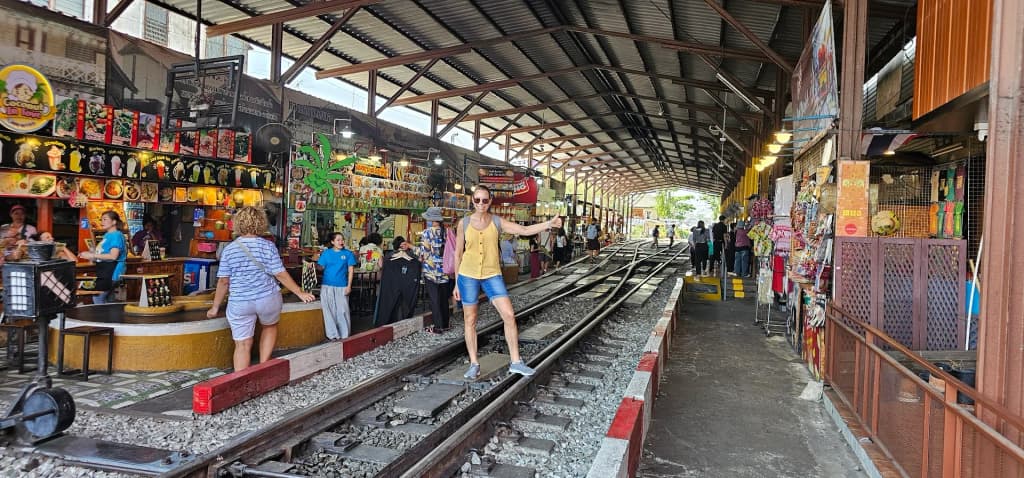
The smell hits you first. A pungent, unmistakable wave of fresh fish, damp earth, and something sharply sour that I soon identify as durian. We are two hours outside the city center at the Maeklong Railway Market. I am standing directly on a set of narrow steel tracks, surrounded by vendors selling everything from bright green vegetables to whole roasted frogs. The air is thick with the scent of raw meat and sweet mangoes.
Suddenly, a piercing siren cuts through the chatter.
"Move, move, move!" a woman beside me shouts, though her hands are already in motion, pulling a wooden crate of chilies backward.
In a span of three minutes, awnings are collapsed, baskets of produce are dragged back mere inches, and the crowd flattens against the stalls. The massive yellow face of a train rolls through, so close I can feel the heat radiating from its metal undercarriage and smell the distinct odor of hot iron and diesel. The moment the last car passes, the awnings snap back out, and the market resumes its chaotic rhythm as if nothing happened. The seamless transition from a bustling market to a functioning railway and back again is a dizzying piece of everyday choreography.
My muscles ache from the day's walking, a problem easily solved back in the heart of the city. A ninety-minute traditional Thai massage at Let's Relax Spa costs a mere thousand baht—roughly thirty dollars—and feels like an absolute necessity. There are no elevated tables here; we lie on soft mats on the floor in a room smelling faintly of lemongrass. The therapist uses her hands, elbows, and body weight to realign my tired limbs, combining deep pressure with passive stretching. I drift into a state of semi-consciousness, waking only to the taste of hot herbal tea and sweet mango sticky rice served with a delicate dropper of rich coconut milk.
Evening falls, turning the Chao Phraya River into a dark mirror reflecting the city lights. We board the Saffron Cruise for dinner. The heat of the day softens into a warm, breezeless night. Sipping a rare, small-batch honey wine from Chiang Mai, I watch the illuminated silhouettes of the temples glide by. The city looks entirely different from the water—elegant, mysterious, and infinitely vast. The gentle hum of the boat's engine provides a soothing soundtrack to a meal of spiced curries and fresh seafood.
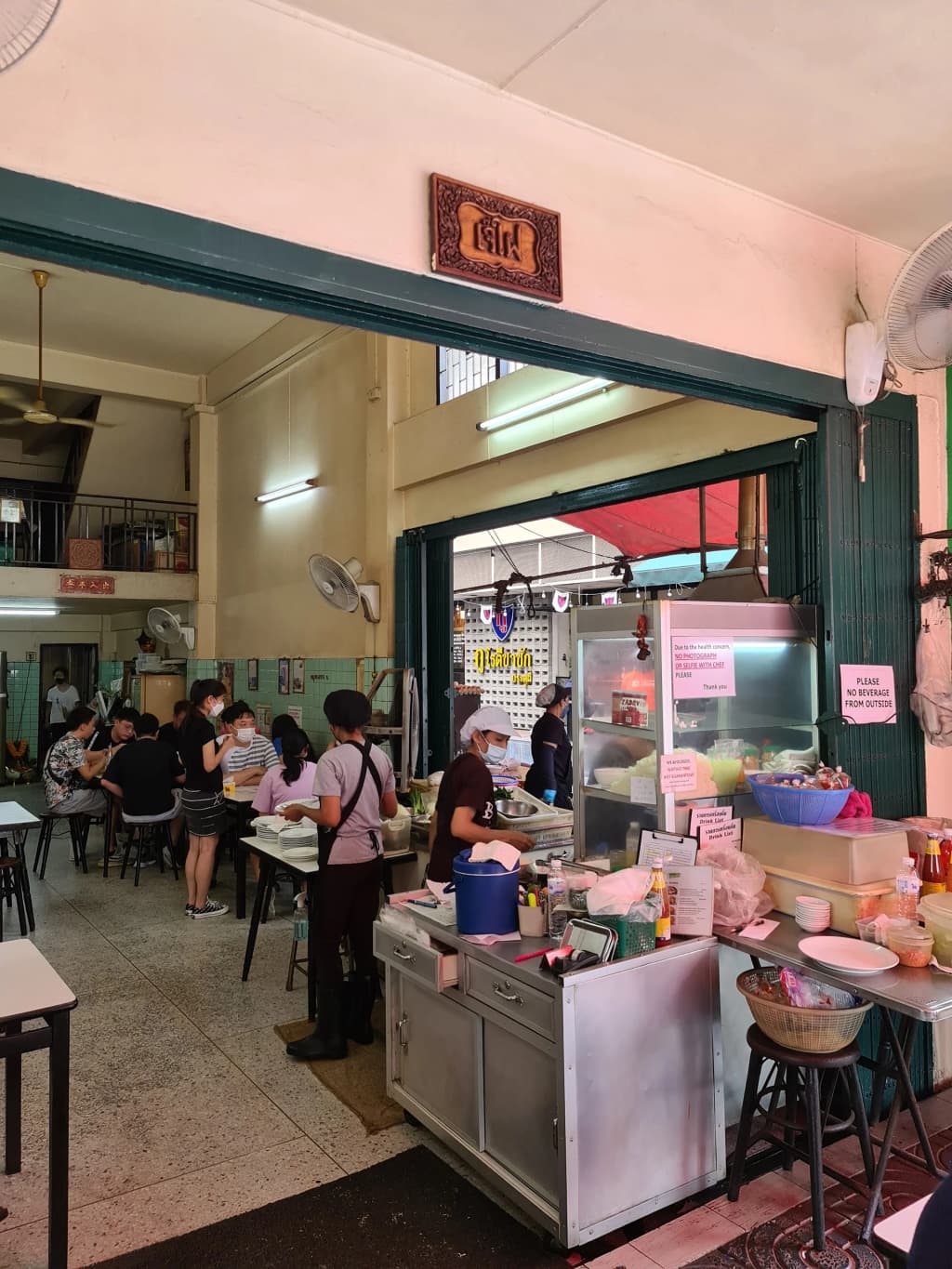
The engine of the tuk-tuk whines as we weave through the snarled Bangkok traffic. We are hunting for street food, specifically the kind that earns Michelin stars. Raan Jay Fai is legendary. The line of hopeful diners spills onto the pavement, proving that you either need a reservation made months in advance or the sheer endurance to wait hours in the humid night.
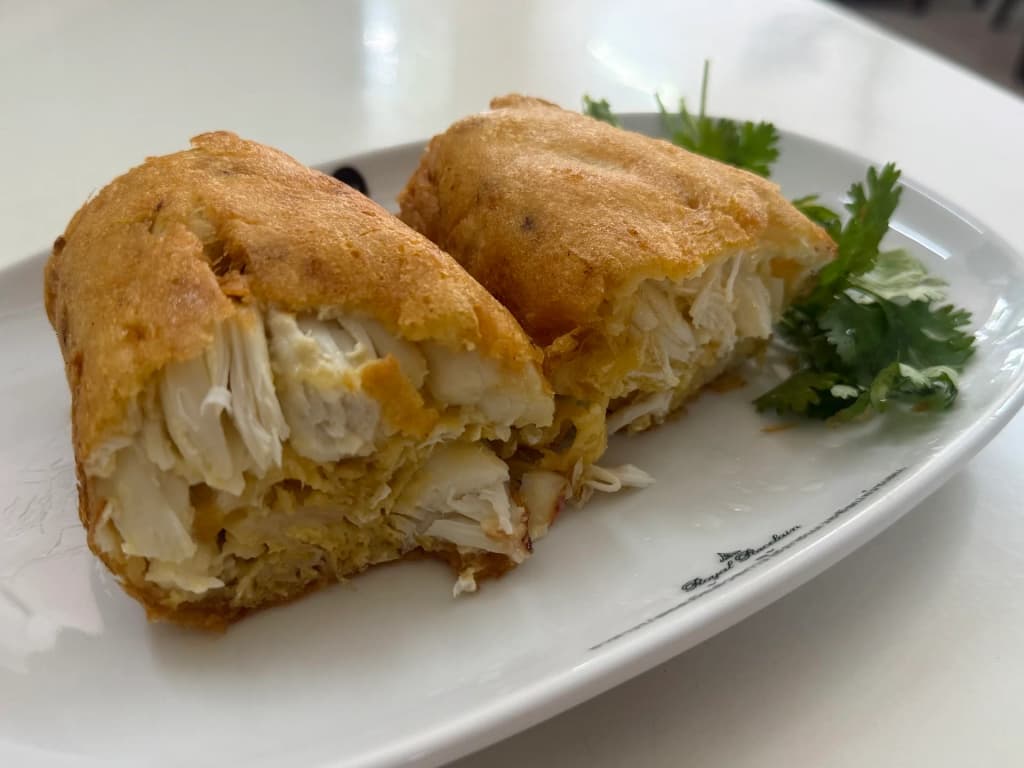
The chef herself is a force of nature, standing over a massive wok in her signature oversized safety goggles. The air is thick with the smell of sizzling oil, garlic, and charcoal smoke. Sparks fly upward into the dark street as she tosses ingredients with practiced ease. When the famous crab omelet finally arrives at our plastic table, it is a revelation. It is less an omelet and more a massive, golden cylinder bursting with sweet, tender crab meat. The rich, savory flavor coats my tongue, the crispy exterior giving way to the soft, oceanic sweetness inside, completely justifying the hype and the wait.
It is past midnight when we reach Pak Khlong Talat, the twenty-four-hour flower market. The air here is aggressively sweet, heavy with the scent of jasmine, marigolds, and lotus flowers being woven into intricate garlands for temple offerings.
"It is like a meditation," Maria, our local guide, says. Her nimble fingers press the pink petals of a lotus back to reveal its yellow heart.
"Mine looks like a disaster," I admit, staring at the crumpled mess in my hands.
She laughs, a soft, musical sound over the hum of the market. "You are trying too hard to control it. Just guide the petal. The flower knows what to do."
I try again, gentler this time, and the flower blooms open in my palms. It is a moment of profound, fragrant peace. But Bangkok is a city of whiplash transitions. Within an hour, we are standing on the neon-soaked pavement of Khao San Road, staring down a vendor selling fried insects.
The air smells of stale beer and frying oil. A dried scorpion stares up at me from a wooden skewer. I close my eyes, bite down on the tail, and chew. It is intensely crunchy, tasting faintly of oily potato chips and earthy dust. I wash it down quickly, laughing at the sheer absurdity of the night. From folding sacred lotus flowers to eating scorpions under pulsing neon lights, Bangkok refuses to be just one thing. It demands that you experience all of it—the beautiful, the chaotic, the sacred, and the bizarre—all at once.
More Photos
More Adventures
 $100 - $350/day 2-4 days
 Conquer Lima: The Ultimate Peru Coastal Capital Guide
Think Lima is just a stopover? Think again. Experience Miraflores cliffside views, pre-Inca history, and the best culinary scene in South America.
 $40 - $120/day 14-30 days
 The Taste of Chili and Time Travel: Everyday Magic in Thailand
Immerse yourself in the sensory details of Thailand's deeply rooted culture, from Buddhist calendars and saffron-robed monks to street food rules.
 $100 - $300/day 1-3 days
 Escape the Airport: Conquer Your Luanda Layover
Think a layover in Luanda means killing time at the airport? Think again. Discover the fortress, island sunsets, and the ultimate Angolan adventure.
 $120 - $350/day 2-3 days
 Disneyland Paris Strategy: Ride Hacks & Coaster Secrets
Think you know Disney? Think again. Discover the underground secrets, massive coasters, and insider hacks to conquer Disneyland Paris like a pro.