
Jackson Hole: Whiskey, White Linen, and the Wild West
A sensory journey through Jackson Hole, Wyoming, exploring the contrast between the rugged Teton wilderness and the refined comfort of the Four Seasons.
The air on the balcony tastes like ice and pine needles. It is a dry, aggressive cold that finds the gap between your scarf and your jacket instantly, waking every nerve ending in your body. Below me, Teton Village is a bowl of white silence, the snow glowing blue in the pre-dawn light. I am standing at the edge of the American frontier, or at least the version of it that comes with heated floors and turndown service. The Four Seasons rests against the base of the mountain with the heavy, timbered confidence of a structure built to survive the winter, and for a moment, I just listen to the wind moving through the trees.
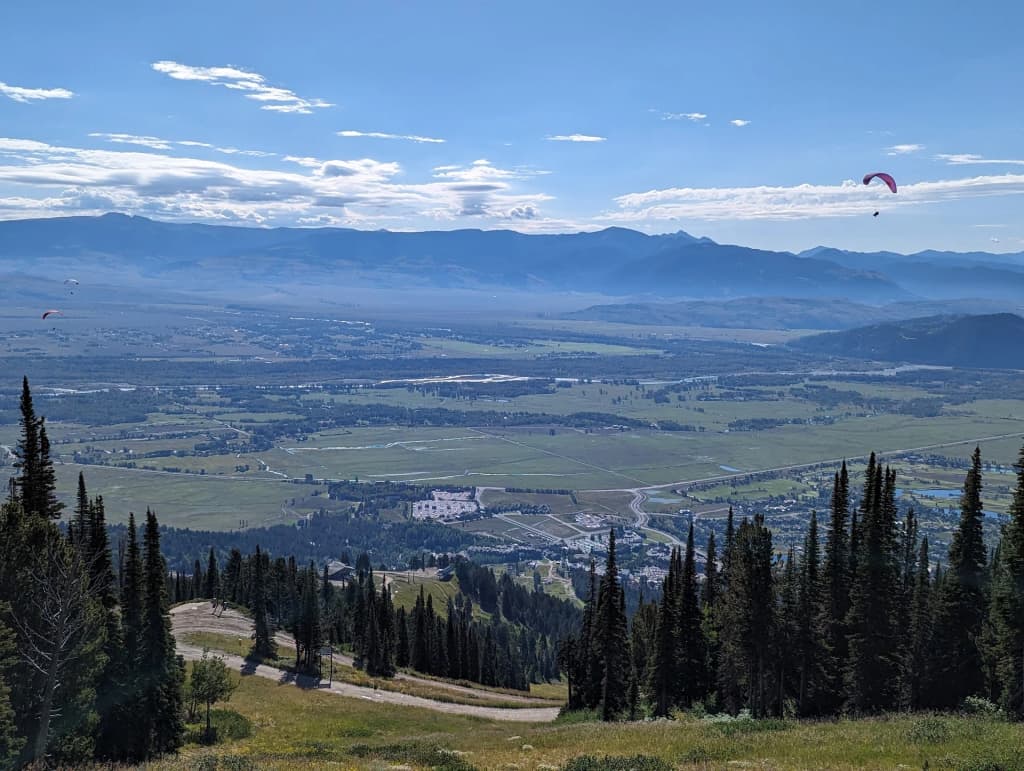
Inside, the transition is jarring. One moment you are bracing against the Wyoming freeze, and the next you are enveloped in the scent of cedar and expensive leather. We arrived last night with that specific, heavy exhaustion that follows a multi-leg journey—Brazil to Chicago, Chicago to Denver, Denver to the tiny airstrip in Jackson. But the fatigue dissolves when I see the logistics of the ski room. It is the definition of convenience. There is no trudging through slushy parking lots with skis digging into your shoulder here. You simply take the elevator down, step into your warmed boots, and the mountain is waiting right outside the door.
Morning light hits the snow with a blinding intensity that demands sunglasses before you even leave the hotel. We start slowly. Breakfast here is an event, a ritual to delay the cold. The menu is a la carte, and while the prices are a gentle reminder that you are in one of the most exclusive zip codes in the Rockies, the experience justifies the cost. A mimosa feels appropriate, the orange juice bright against the white backdrop of the slopes visible through the floor-to-ceiling windows.
"You'll need the fuel," the server says as he places a plate of eggs benedict on the table. He has the weathered skin of someone who spends his summers guiding fishing trips and his winters pouring coffee. "Is it that cold out there?" I ask. He grins, refilling my water. "It's not the cold you need to worry about. It's the legs. The mountain looks friendly today, but she's steep."
We head to the rental shop, a cavern of organized chaos and anticipation. The walls are lined with the latest gear, and the staff move with efficient speed. For those who arrived unprepared for arctic temperatures, racks of wool socks and heavy gloves are available for purchase. The rental process is seamless—a full day of gear runs about ninety dollars, though the price shifts with the season. If you are just finding your ski legs, the resort offers a mercy: a beginner lift ticket is around fifty dollars. But for those chasing the adrenaline of the upper peaks, the full pass hovers near two hundred. It is an investment in gravity.
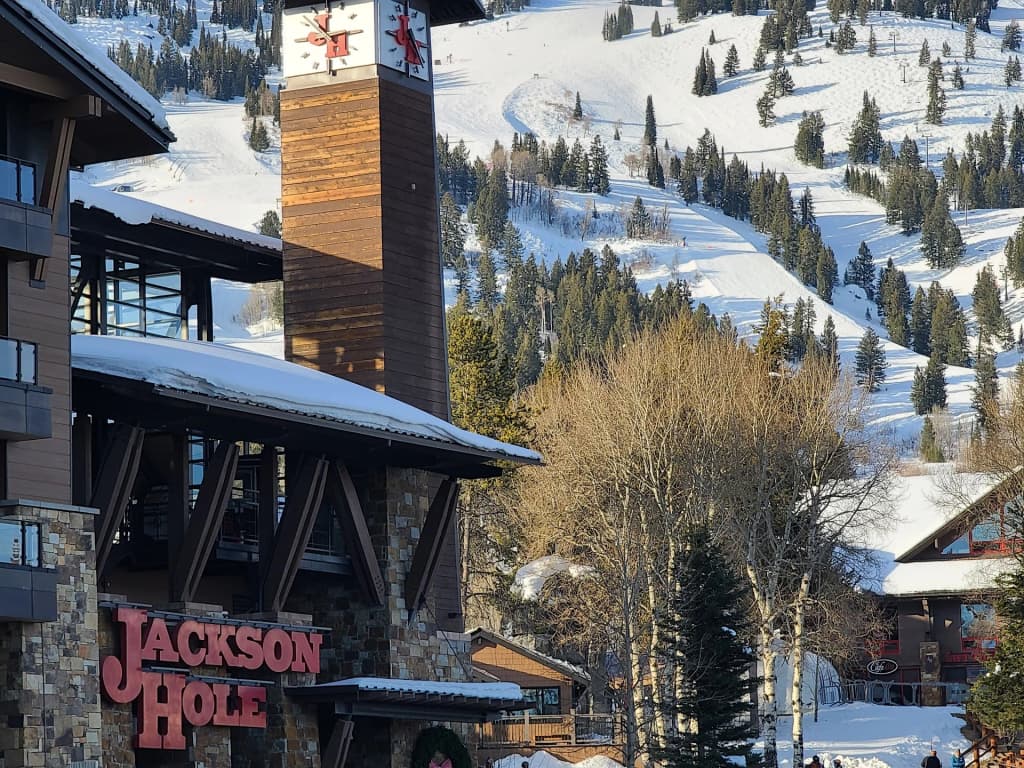
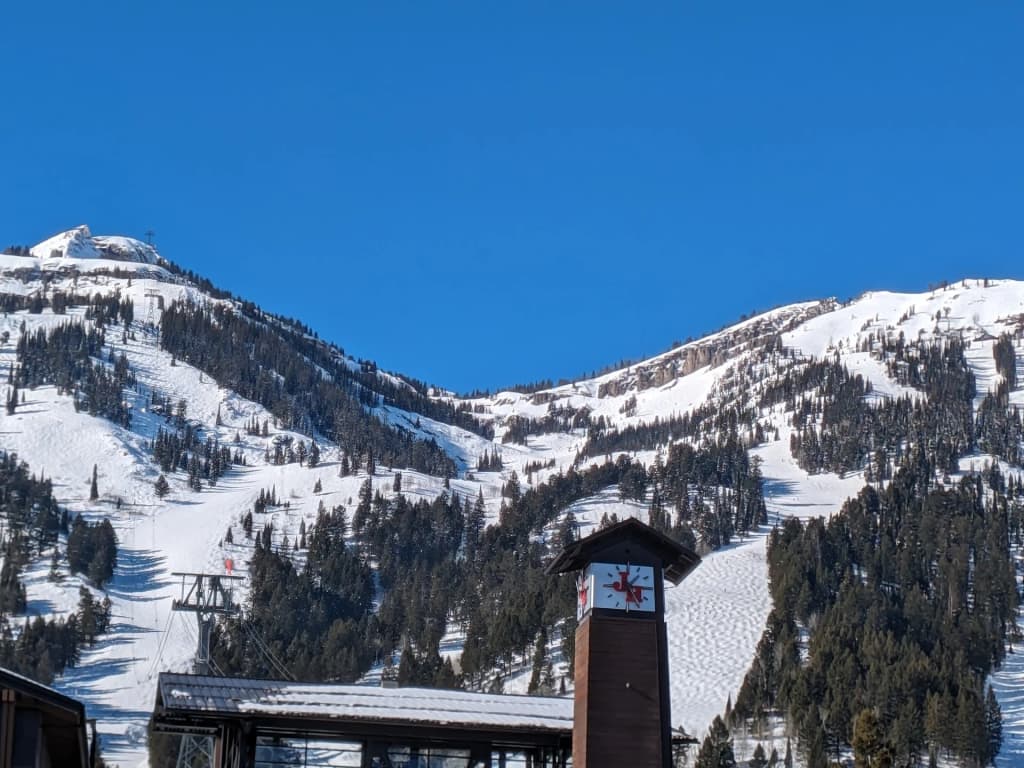
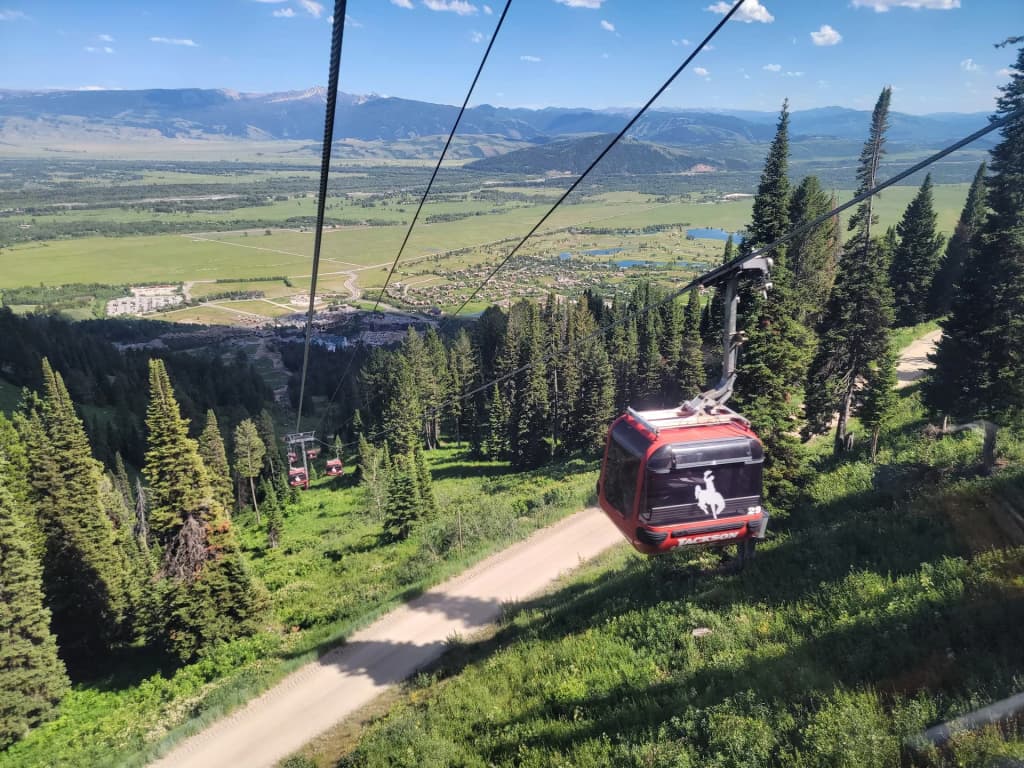
The lift system is a marvel. We study the map as the Bridger gondola hauls us up into the low clouds. The runs are a coded language—Green for the gentle glides, Blue for the cruisers, and the menacing Black Diamonds for those who want to test their mortality. I stick to the blues, carving lines into the corduroy snow. The wind rushes past my ears, silencing everything but the rhythmic scrape of edges on ice. It is a solitary meditation, even in a crowd. Every few minutes, I stop just to look. The view is so vast it barely looks real, like a painting someone forgot to finish at the edges.
By early afternoon, the cold has seeped through my layers, and my legs burn with a good, heavy ache. We ski right back to the hotel's base—the true luxury of ski-in, ski-out access. We trade stiff boots for slippers and head to the outdoor pool. Steam rises off the water in thick, swirling plumes, creating a dreamlike fog that obscures the other guests. There is a jacuzzi nearby, bubbling and hot. Sitting there, submerged in hundred-degree water while snowflakes melt on your eyelashes, is one of those perfect paradoxes that makes travel essential.
Hunger eventually drives us out of the water and into The Handle Bar. It’s an American gastropub that manages to feel both rowdy and refined. The menu is heavy on comfort, designed to replenish calories burned on the slopes.
"You have to try the bison," my companion says, pointing to the burger on the menu. "Bison?" "It's local. When in Rome, or... when in Wyoming."
The meat is leaner than beef, with a richness that tastes of the wild. We pair it with a hot soup to chase away the lingering chill. It feels primal to eat game meat at the foot of a mountain, a small nod to the trappers who roamed this valley long before the heated towel racks arrived.
The next day, we trade the slopes for the town. The hotel offers a house car—a Mercedes, naturally—that guests can book for short trips. It’s a complimentary touch that makes the twelve-mile drive into Jackson feel like a private expedition. Our driver navigates the snowy roads with practiced ease, pointing out landmarks.
"That's the Grand Teton," he says, gesturing to the jagged silhouette dominating the horizon. He tells us the history of the name, a bit of a bawdy joke left behind by lonely French trappers who named the peaks les trois tétons—the three breasts. Looking at the sharp, unforgiving summits now, it takes a vivid imagination to see the resemblance, but the name has outlasted the trappers.
Jackson's town square is charming, anchored by its famous arches made of thousands of shed elk antlers. We wander into the shops, bypassing the TJ Maxx for the local boutiques where the real character lives. I find myself drawn to a baseball cap with a bison embroidered on it—a small totem of the West to take back to the tropics.
We end the night at the Million Dollar Cowboy Bar. You cannot come to Jackson and not have a drink here. The barstools are genuine saddles, polished smooth by decades of denim. It is kitschy, yes, but it is also undeniably fun. The air smells of stale beer and history. I climb onto a saddle, ordering a local ale. It is the perfect counterpoint to the polished luxury of the resort—a reminder that this is still, at its heart, a frontier town.
Back at the hotel, the evening winds down in silence. We exchange small gifts we bought in town—a sleep mask, a lip balm, a hairbrush. Outside, the snow begins to fall again, dusting the trees in fresh white powder. The lifts have stopped turning, the skiers have retreated to their fires, and the mountain reclaims its quiet. Jackson Hole is a place of extremes—extreme luxury, extreme landscapes, extreme weather—but in these quiet moments between the runs and the meals, it finds a perfect, peaceful balance.
More Photos
More Adventures
 $75 - $250/day 7-14 days
 The Ultimate Month-by-Month International Travel Guide
Stop gambling with your PTO. Discover the exact best (and worst) international destinations for every month of the year to optimize budget and weather.
 $200 - $450/day 1-2 days
 Chasing the Magic: An Immersive Day Inside the Kingdom
Experience the sensory overload and quiet corners of Magic Kingdom, from sunrise coaster rides to peaceful escapes across the Seven Seas Lagoon.
 $40 - $100/day 3-4 days
 Campos do Jordão Itinerary: Budget Guide & Hiking Logistics
Plan a practical trip to Campos do Jordão, Brazil's highest city. Get exact costs for state parks, hiking Pedra do Baú, and budget-friendly dining.
 $50 - $150/day 3-5 days
 Misty Peaks and Wood-Fired Feasts in Visconde de Mauá
Experience the misty mountains of Visconde de Mauá, Brazil. Discover steep trails, cozy rain-lashed cabins, and the rich culinary heritage of Minas Gerais.