
Tasting Tokyo in São Paulo: A Walk Through Liberdade
Immerse yourself in the sights, sounds, and flavors of Liberdade, São Paulo's kinetic Asian neighborhood. Discover imported snacks, stationery, and culture.
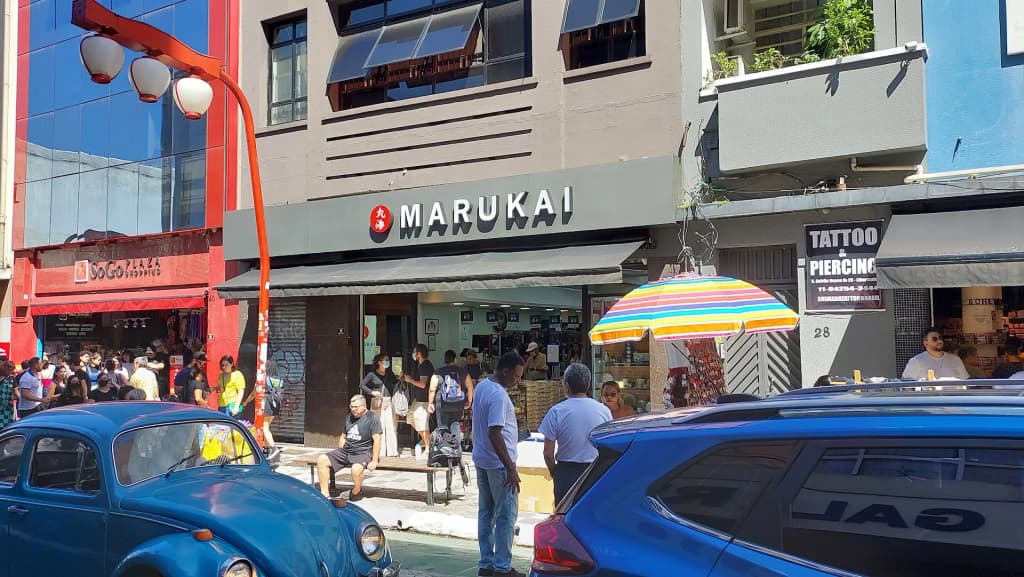
The air hits you first—heavy with the scent of roasted pork, sweet soy, and the metallic tang of impending rain. Red paper lanterns, the iconic suzuranto of São Paulo's Liberdade neighborhood, sway gently against a bruised twilight sky. The damp pavement reflects neon kanji and the steady stream of Paulistanos weaving through street food carts. I press into the warmth of an emporium, the automatic doors sliding shut behind me, sealing away the roar of the city's endless traffic.
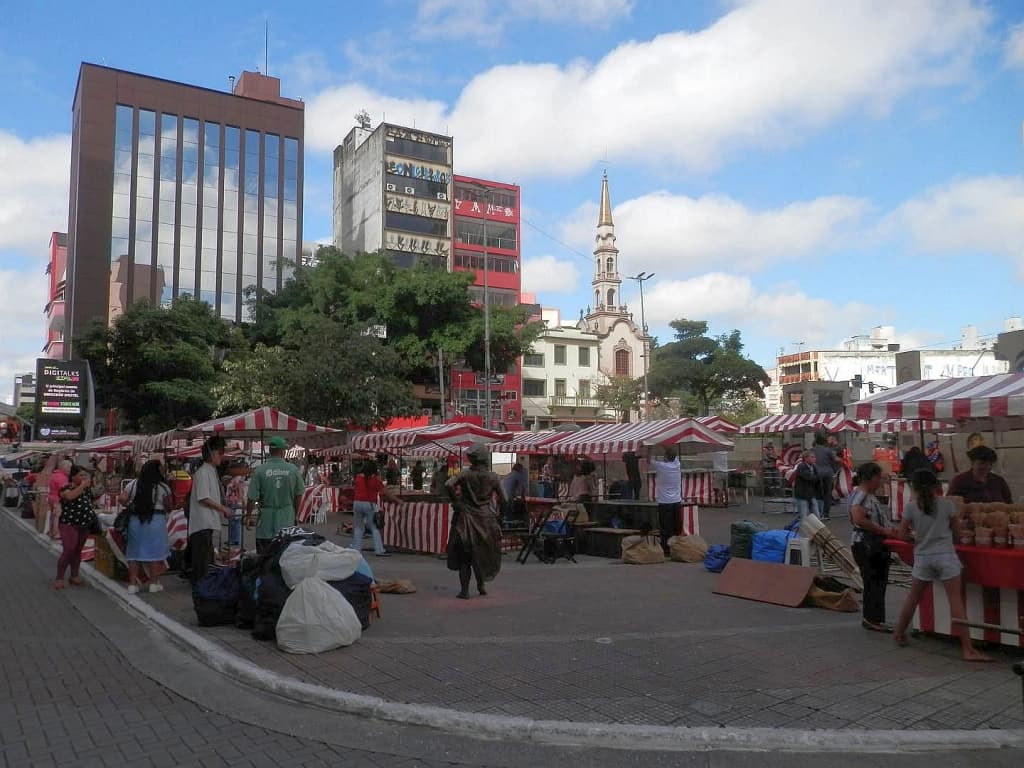
Inside Korea Mart, the aisles are a dizzying kaleidoscope of packaging from Tokyo, Seoul, and Bangkok. The fluorescent lights hum a low, electric tune that vibrates in your teeth. I run my fingers over crinkling cellophane, picking up boxes of Thai Koala cookies and slim red packages of Korean Pocky. For sixteen reais, the Pocky feels like a small ticket to another continent. The chocolate is dark, intense, clinging to a perfectly neutral biscuit stick. It is the kind of snack that vanishes rapidly, leaving you staring at an empty foil wrapper before you've even reached the register. Shoppers brush past me, their baskets heavy with frozen dumplings and imported ramen, moving with the purposeful stride of locals who know exactly which aisle holds the best chili oil.
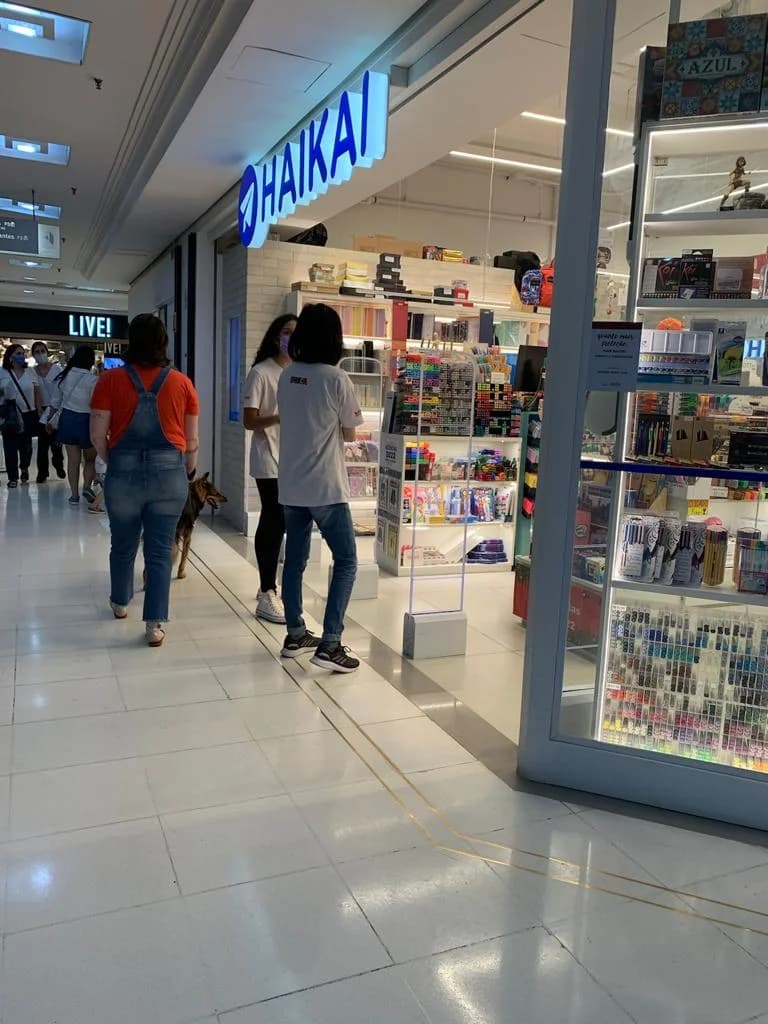
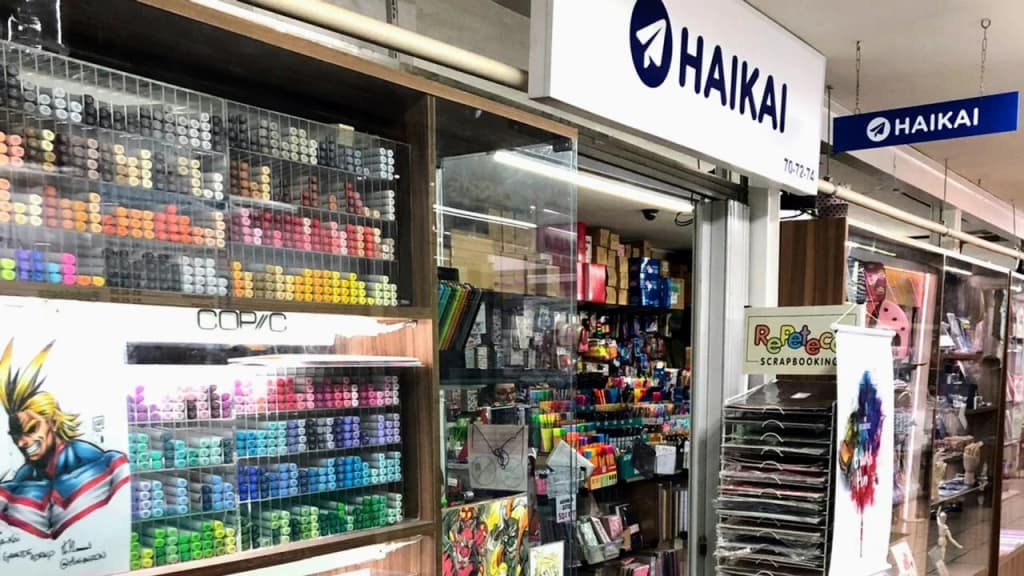
I wander further down the sloping street, slipping into Haikai Papelaria just as the evening crowd thickens. The air here shifts entirely. It smells faintly of synthetic strawberry and fresh paper, a nostalgic aroma that pulls you straight back to grade school. It is a sensory overload of glitter pens, mechanical pencils, and pastel notebooks—a paradise of imported stationery that demands you slow down and touch everything.
I watch a young girl uncap a pen, inhaling the artificial fruit scent with wide eyes, while her mother debates the merits of two identical-looking erasers. The contrast between the delicate paper goods here and the chaotic food markets outside is striking, yet perfectly harmonious. I leave with nothing but the lingering aroma of fruit-scented erasers on my fingertips, drawn back out into the culinary labyrinth of the neighborhood.
At Towa, an older, more traditional emporium near the main plaza, the shelves grow more serious. Blocks of golden curry paste sit neatly beside dark bottles of tonkatsu sauce and massive bags of short-grain rice. I pick up a soft, squishy bottle of Kewpie mayonnaise, the one adorned with the little red baby logo, turning it over to read the Portuguese import label slapped across the back.
"You're looking at the light version," a woman says, her Portuguese carrying the soft, rhythmic lilt of a first-generation immigrant. She is organizing a display of loose-leaf teas, her hands moving with practiced, rhythmic grace.
"Is it worth forty-five reais?" I ask, weighing the bottle in my palm.
She smiles, a subtle crinkling around her eyes. "Only if you want half the calories. But if you want a real experience, put that down and try the senbei." She taps a translucent bag of rice crackers on the shelf behind me. "Sweet dough, salty coating. You will eat the whole bag before you reach the subway."
I take her advice. Sitting on a concrete bench in Praça da Liberdade, the city buzzing around me, I tear open the senbei. She was absolutely right. The crunch is violently loud in my own head, the flavor a baffling, perfect contradiction of sweet and savory dust that coats my fingers. I chase it with a sip from a strange, baby-bottle-shaped yogurt drink I had seen going viral on the internet. It is thick, dense, and sharply tart, much heavier than the fermented milk drinks I remember from childhood, leaving a pleasant, chalky sweetness on the tongue.
The sky turns a deep, inky black, and the streetlights flicker to life, casting long shadows across the cobblestones. I open a packet of imported Japanese lychee gummies. They are impossibly soft, yielding instantly against my teeth, flooding my mouth with the bright, floral taste of real fruit. They are completely devoid of that artificial plastic aftertaste common in most gummy candies.
Next comes the seaweed—paper-thin sheets of nori that shatter on the tongue, leaving a sharp, burning trace of wasabi that clears my sinuses and makes my eyes water in the cool evening breeze. It is a chaotic mix of textures and temperatures, a tasting menu curated entirely from convenience store shelves and plastic wrappers.
There is something profound about sitting in the heart of South America's largest metropolis, tasting the distant shores of Asia. The almond chocolates I bought as an afterthought melt slowly on my tongue, rich and dark, as a group of teenagers walk past discussing the latest Korean dramas, their laughter mingling with the rhythmic drumming of a street performer nearby.
Liberdade isn't just a neighborhood or a market. It is a bridge built of sugar, salt, and memory, suspended over the vast concrete ocean of São Paulo. I fold the empty candy wrappers into my pocket, the lingering heat of wasabi still humming on my lips, and let the current of the crowd carry me toward the glowing neon of the subway.
More Photos
More Adventures
 $40 - $100/day 4-7 days
 Skip the Tourist Traps: The Ultimate Fortaleza Adrenaline Guide
Think you know Brazilian beaches? Think again. Discover the chaotic markets, massive beach clubs, and extreme dune rides of Fortaleza, Brazil.
 $60 - $150/day 4-7 days
 Conquer Buenos Aires: The Ultimate 7-Day Itinerary
Ready to conquer Buenos Aires? Skip the tourist traps and dive into this high-octane 7-day itinerary. Discover the real heart of Argentina's capital.
 $45 - $200/day 4-14 days
 Porto Seguro Travel Guide: Budgets, Beaches & Logistics
Plan your perfect Porto Seguro trip with this methodical guide. Discover the best beaches, budget-friendly transport hacks, and exact day trip itineraries.
 $100 - $250/day 10-14 days
 The Meticulous 13-Day Italy Itinerary & Budget Guide
Master Italy's travel logistics with our 13-day itinerary. Discover exact costs, train schedules, and strategies to avoid tourist traps and long lines.