
The Meticulous 13-Day Italy Itinerary & Budget Guide
Master Italy's travel logistics with our 13-day itinerary. Discover exact costs, train schedules, and strategies to avoid tourist traps and long lines.
Italy is a logistical puzzle. Without a methodical plan, your vacation budget will bleed into foreign transaction fees and your time will evaporate in 3-hour ticket lines. I have crunched the numbers, analyzed the transit routes, and built a foolproof blueprint for your first Italian getaway. From optimizing high-speed train schedules to locking down fee-free currency exchange, here is exactly how to execute a flawless, cost-effective trip.
Quick Facts
- Best Time to Visit: May, early June, and late September (target 65°F-75°F weather for optimal walking conditions).
- Daily Budget Range: $100 - $250 USD per person (excluding international flights).
- Recommended Duration: 10 to 14 days.
- Primary Hubs: Rome Fiumicino (FCO) and Milan Malpensa (MXP).
Mandatory Pre-Trip Checklist
Before you even look at hotels, you need to lock down your administrative logistics. Handling these three items 60 days before departure will save you hundreds of dollars.
- Valid Passport: Ensure your passport is valid for at least 6 months beyond your planned return date. Airlines will deny boarding if you have only 5 months of validity left.
- Schengen Travel Insurance: This is mandatory but rarely talked about. You must have medical assistance coverage of at least €30,000 (approximately $32,500 USD).
- Global Digital Bank Account: Ditch the old-school currency exchange kiosks at the airport. Open a digital global account (like Wise or Revolut) 4 weeks before you leave to ensure the physical card arrives in time.
Pro Tip: Traditional credit cards charge around 4.5% in foreign transaction and conversion fees. A global digital account uses the commercial exchange rate and charges around 1.2%. Load your account with USD, and the card auto-converts to Euros at the point of sale.
The Optimal 13-Day First-Timer Itinerary
The biggest mistake travelers make is trying to see all of Italy in one trip. Checking in and out of hotels every single day will ruin your vacation. Stick to this tested 13-day base itinerary to balance exploration and recovery:
- Days 1-5: Rome (5 Days)
- Dedicate 4 days to Rome's historic center (Colosseum, Pantheon, Trevi Fountain).
- Allocate 1 full day entirely to Vatican City. It is an independent state and requires 6-8 hours to navigate properly.
- Days 6-9: Florence (4 Days)
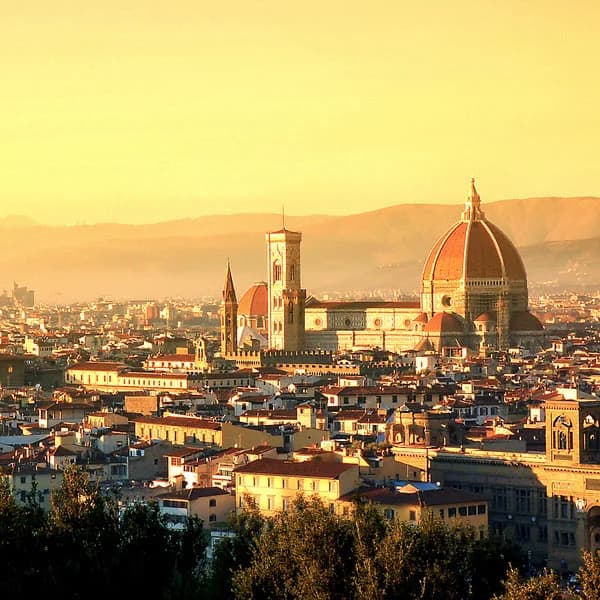
- Use 2 days for Florence's city center (Uffizi Gallery, Duomo).
- Reserve 2 days for Tuscan day trips (Pisa, Lucca, San Gimignano, or Montepulciano) using Florence as your base camp.
- Days 10-11: Venice (2 Days)
- Venice is geographically small. Two days is the perfect amount of time to explore the canals without getting overwhelmed by the logistical constraints of a car-free city.
- Days 12-13: Milan (2 Days)
- Perfect for viewing the Last Supper, exploring the Duomo architecture, and positioning yourself for an easy flight out of MXP.
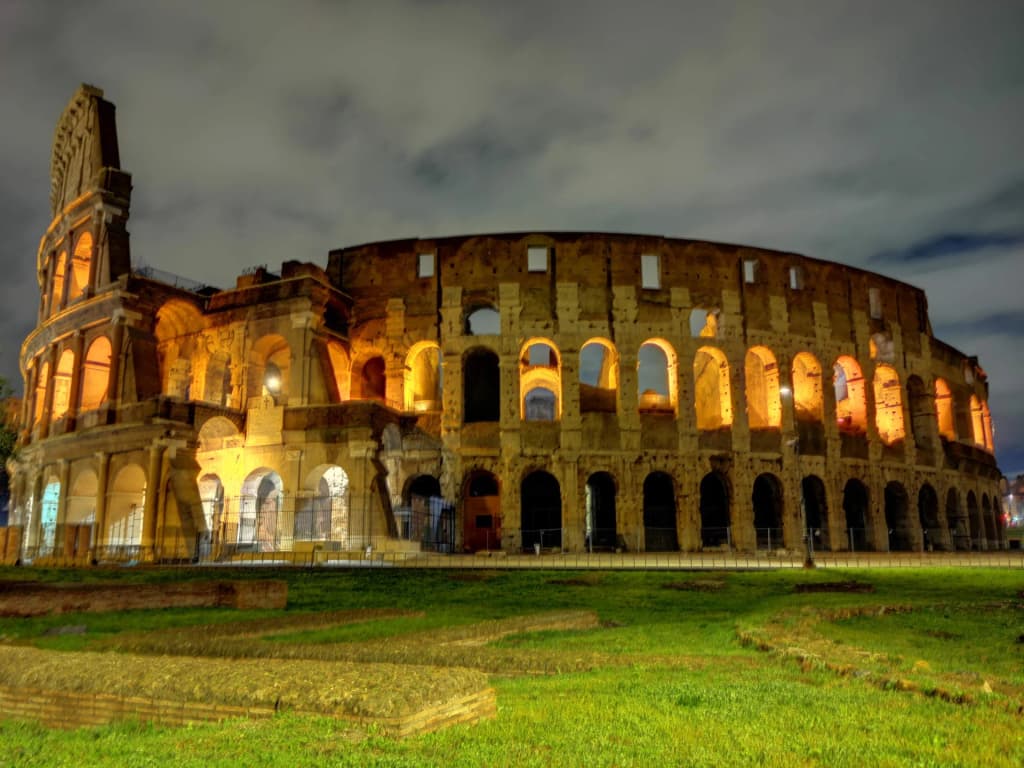
Transportation Logistics: Getting Around
Italy's infrastructure is excellent if you know exactly which mode of transport to use for which region. Do not rent a car for the entire trip.
City-to-City Transit Comparison
Transport Mode Average Cost Time (Rome to Florence) Best For High-Speed Train $35 - $80 1hr 30min Fast, comfortable transit directly between city centers. Rental Car $50 - $90/day 3hr 15min Exploring rural vineyards in Tuscany. Walking / Uber Free - $20 N/A Navigating within Rome, Florence, and Milan.⚠️ Watch Out: When booking your international flights, look for "open-jaw" or multi-city tickets. Flying into Rome and out of Milan saves you the $60 and 3.5 hours required to take a train all the way back to your starting point.
Attraction Strategy: Beating the Crowds
If you take one piece of advice from this post, let it be this: Buy your tickets online, 4 to 6 weeks in advance. During peak season (July through September), the wait times at the Colosseum, Roman Forum, and Vatican Museums consistently hit 2 to 3 hours. Buying tickets at the physical box office is a massive waste of your vacation time.
- The Vatican Rule: The Vatican is located 25-30 minutes from Rome's tourist center. Book an 8:00 AM guided tour to skip the massive perimeter lines and see the Sistine Chapel before the mid-day crowds arrive.
- Guided Excursions: Use aggregator sites to book day trips. For example, you can book a 6-hour van tour from Florence to the Chianti wine region for $85. This eliminates the need to rent a car, navigate foreign roads, or assign a designated driver.
Food & Dining Economics
Italy is one of the easiest places in Europe to eat incredibly well on a tight budget. Follow these three rules to optimize your daily food spend:
- Embrace Pizza and Pasta: These are the staples of the Italian diet and are universally affordable. You can easily find a world-class Margherita pizza for $8-$12 in a sit-down restaurant.
- Drink the House Wine: In the summer heat, a chilled rosé or white wine is perfect. House wine is often cheaper than bottled water. Expect to pay around €6 for a 500ml carafe.
- The Gelato Rule: Eat it daily. Specifically, seek out Venchi—a famous Italian chocolate and gelato chain. Their dark chocolate and hazelnut flavors are structurally perfect, and a medium cone costs exactly €4.50.

Common Mistakes to Avoid
Even seasoned travelers fall into a few specific Italian traps. Keep these off your itinerary to ensure a smooth trip:
- Ignoring the Pickpockets: Violent crime is incredibly rare, but petty theft is a well-oiled machine around Rome's Termini Station and Florence's Duomo. Wear a flat money belt under your clothes for your cash and backup cards. Leave your physical passport in your hotel room safe.
- Overpacking for Venice: Venice has zero cars. You will be dragging your luggage over cobblestones, across 400+ bridges, and onto crowded water taxis. Limit yourself to one 10kg (22lb) carry-on, or you will be miserable before you even reach your hotel lobby.
- Relying Solely on Wi-Fi: Buy a prepaid European eSIM before you land. Navigating the winding alleys of Florence or translating a menu in Naples requires reliable data. A 10GB data plan usually costs around $15 and activates the moment your plane touches down.
Next Steps for Your Trip
Italy rewards the prepared. By locking down your high-speed trains early, pre-booking your Colosseum tickets, and setting up a fee-free digital bank account, you strip away 90% of the stress associated with European travel.
To get started right now: check your passport expiration date, look up open-jaw flights into Rome and out of Milan, and download an eSIM app. Stick to the 13-day pacing, prioritize comfortable walking shoes, and do not forget to grab a €4.50 scoop of Venchi gelato on your first night in Rome.
More Photos
More Adventures
 $150 - $250/day 1-2 days
 From Ashes to the Sea: A Journey to Pompeii and Sorrento
Experience an emotional 12-hour journey from Rome to the frozen ruins of Pompeii and the sun-drenched cliffs of Sorrento in this immersive travel narrative.
 $30 - $80/day 10-21 days
 Why Thailand Will Completely Ruin Your Future Travels
Think you know travel? Think again. From $6 massages to cinematic beaches and epic street food, Thailand sets the bar impossibly high. Go get ruined.
 $80 - $200/day 5-7 days
 Punta Cana on a Budget: The Ultimate 7-Day Travel Blueprint
Plan a budget-friendly Punta Cana trip with this detailed guide. Compare cheap all-inclusives vs Airbnbs, exact grocery prices, and Isla Saona itineraries.
 $45 - $125/day 3-4 days
 4 Days in Salvador: A Practical Itinerary & Budget Guide
Plan your trip to Salvador, Brazil with this strategic 4-day itinerary. Discover exact costs, Uber logistics, safety tips, and street food recommendations.