
Surviving Luanda on a Budget: A Data-Driven Travel Guide
Planning a trip to Luanda? Discover why the Angolan capital is so expensive and learn actionable strategies to optimize your travel budget and itinerary.
When you think of the world's most expensive cities, Dubai or Tokyo usually come to mind, but Luanda routinely tops those lists. In this guide, I break down exactly why prices in the Angolan capital can carry a 200% markup and share data-driven strategies to optimize your budget. You will learn how to navigate the grocery aisles, secure affordable accommodation, and experience this dynamic city without draining your bank account.
Quick Facts
Before we dive into the spreadsheets and itineraries, let's establish a baseline for your trip planning:
- Best Time to Visit: May to October (Dry season, temperatures hover around a pleasant 75°F/24°C)
- Daily Budget (Standard): $250 - $400 USD per person
- Daily Budget (Shoestring): $150 USD per person (requires extreme discipline)
- Recommended Duration: 3 to 5 days
- Currency: Angolan Kwanza (AOA), though US Dollars are highly valued
Why is Luanda So Expensive?
If you are wondering why your standard travel budget needs to be doubled (or tripled) here, it comes down to basic economics. You aren't just paying for the location; you are paying for the supply chain.
- The Oil Boom: The strong presence of international oil companies has flooded the city with highly paid expats. This dramatically increased the demand for high-end housing, luxury hotels, and premium services.
- Import Dependency: Angola imports a vast majority of its consumer goods. By the time a product reaches the shelf, it has accumulated shipping costs, import duties, and high local retail taxes.
- Infrastructure Limits: Despite rapid growth, the supply of high-quality real estate and reliable infrastructure (like consistent electricity and water) remains limited, driving a massive premium on properties that offer these basics.

The Supermarket Sticker Shock (With Data)
Let's talk real numbers. If you think groceries are getting expensive at home, Luanda will give you a reality check. Because most recognizable brands are imported, their prices reflect a massive markup—sometimes up to 200% more than what you would pay in the US, Europe, or Brazil.
Take Activia yogurt, for example. A standard 4-pack that might cost you $3.00 USD at home can easily set you back roughly $13.00 USD (around 65 BRL or 11,000 AOA) in a Luanda supermarket. Basic items like Pantene shampoo or condensed milk carry similar premiums.
Price Comparison: Imported vs. Local Alternatives
Item Imported Brand Price Local/Regional Alternative Price Potential Savings 4-Pack Yogurt $13.00 (Activia) $4.50 (Regional) 65% Shampoo (400ml) $18.00 (Pantene) $6.00 (Local) 66% Bottled Water (1.5L) $4.00 (Evian) $0.80 (Local) 80% Cereal $12.00 (Kellogg's) $5.00 (South African brand) 58%Pro Tip: Always shop the perimeter of the grocery store for local produce, and aggressively substitute your usual Western brands for South African or Angolan alternatives to cut your grocery bill in half.
Accommodation Optimization Strategy
Finding budget accommodation in Luanda is your biggest hurdle. The city caters heavily to corporate accounts, meaning standard business hotels routinely charge $300+ per night.
To optimize your spend, you need to look past the major international chains:
- Guesthouses (Pensões): These are your best bet for budget travel. You can find clean, secure rooms in the Alvalade or Miramar neighborhoods for $80 - $150 per night.
- Apartment Rentals: Booking an Airbnb allows you to cook your own meals, which is crucial for mitigating those high restaurant prices.
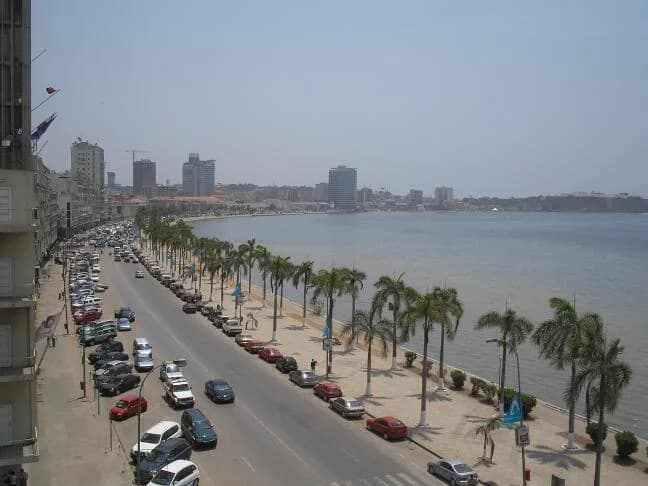
- Location Strategy: Stay near the Marginal (the waterfront promenade). While slightly pricier upfront, it saves you significant money and time on transportation, as many key sights will be within a 2-mile walking radius.
3-Day Budget-Optimized Itinerary
Here is a methodical, step-by-step itinerary designed to maximize your experience while minimizing unnecessary costs.
Day 1: The Core City
- 8:30 AM: Start with a walk along the Avenida Marginal. It is completely free, highly secure, and offers sweeping views of the bay.
- 11:00 AM: Visit the Iron Palace (Palácio de Ferro), believed to be designed by Gustave Eiffel. Entry is usually free or heavily discounted.
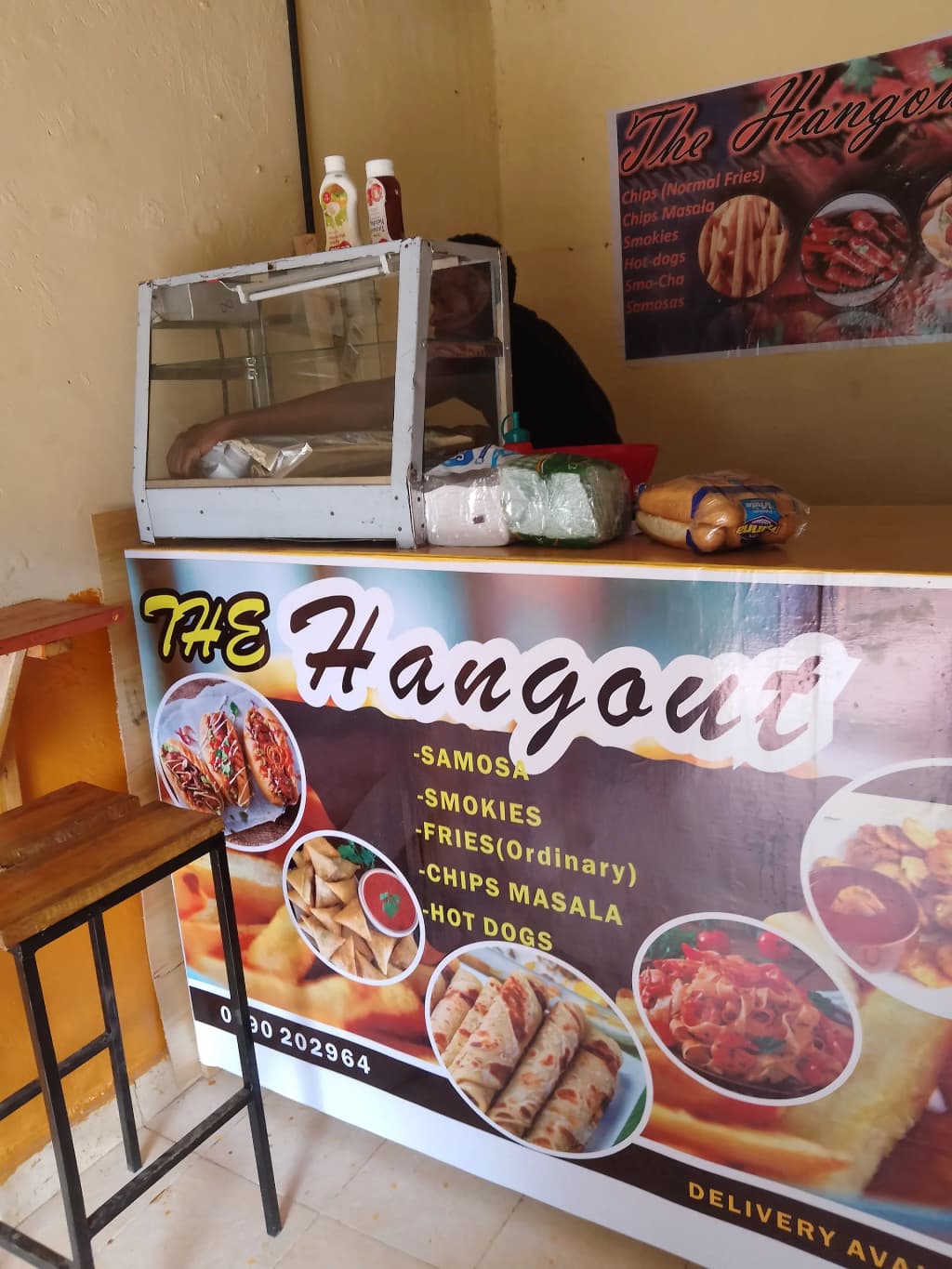
- 1:30 PM: Eat lunch at a local cantina rather than an expat restaurant. Look for a daily special (Prato do Dia) featuring Funje (cassava flour porridge) and grilled fish for under $10.
Day 2: Beach and Culture
- 9:00 AM: Head to Ilha do Cabo (The Island). Skip the luxury beach clubs that charge $50 just for a sunbed. Instead, walk further down the beach where public access is free.
- 2:00 PM: Grab street food. Grilled meat skewers (pinchos) cost roughly $1-$2 each and are highly flavorful.
- 4:30 PM: Catch the sunset at the beach. The views cost absolutely nothing.
Day 3: History and Markets
- 9:30 AM: Explore the Fortaleza de São Miguel. The entrance fee is around $3, and it provides panoramic views of the entire city.
- 12:00 PM: Navigate the local craft markets. Remember to bargain—start at 50% of the initial asking price and work your way to a middle ground.
Transportation Cost Comparison
Getting around Luanda requires strategic planning. Traffic can be notoriously gridlocked, and traditional taxis cater to corporate budgets.
Transport Mode Average Cost per Trip Best For Candongueiro (Minibus) $0.50 - $1.00 The ultra-budget traveler with time Ride-Hailing Apps (Heetch) $5.00 - $12.00 Safe, point-to-point travel Traditional Taxi $20.00 - $40.00 Airport transfers, late nights Private Driver (Daily) $100.00 - $150.00 Cramming multiple sights into one dayPro Tip: Download ride-hailing apps like Heetch or Yango before you arrive. They lock in the price beforehand, preventing the common "tourist tax" negotiations with street taxis.
Common Mistakes to Avoid
To keep your budget intact, steer clear of these frequent traveler pitfalls:
- Insisting on Western Brands: As mentioned, buying imported goods will destroy your budget. Embrace local products.
- Underestimating Traffic: A 5-mile journey can easily take 90 minutes during rush hour (7:00 AM - 9:30 AM and 4:30 PM - 7:00 PM). Plan your daily itinerary geographically to avoid burning cash sitting in a taxi.
⚠️ Watch Out: The local economy runs heavily on cash, and ATMs frequently run out of money, especially on weekends. Bring crisp, new US Dollars (post-2013) to exchange at reliable currency houses.
Next Steps for Your Trip
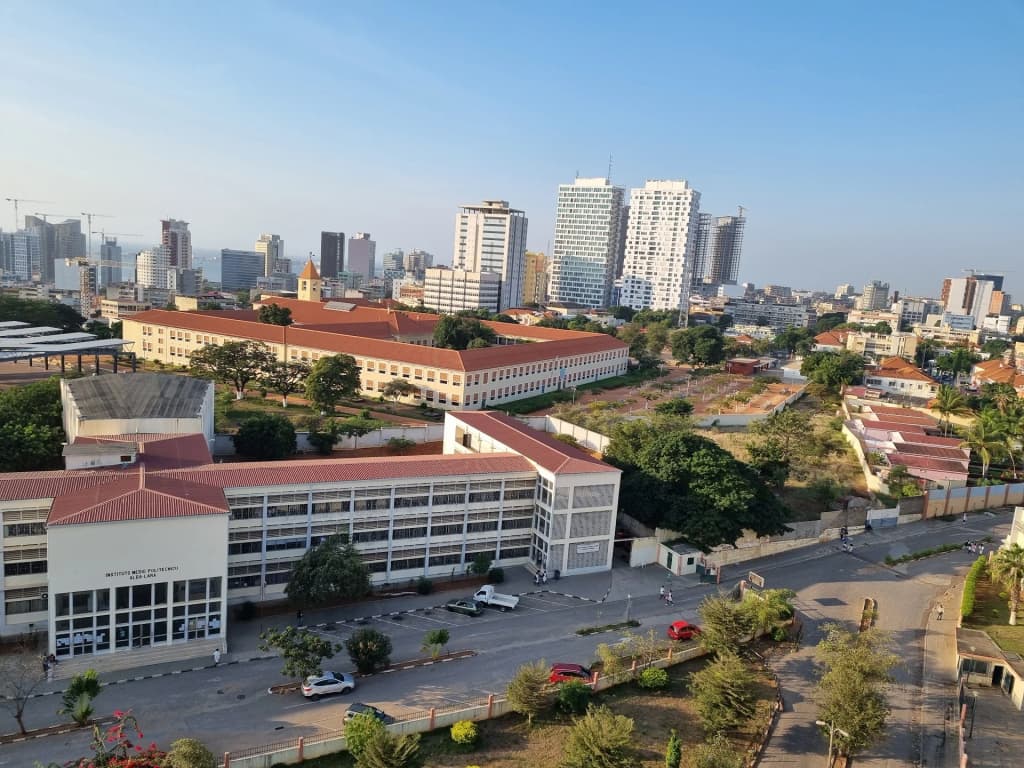
Luanda is undoubtedly challenging for the budget-conscious traveler, but its energetic culture, coastal views, and rapidly evolving skyline make it a fascinating destination. To start planning, book your accommodation at least 3 months in advance to secure the limited mid-range options. Next, begin researching local Angolan dishes so you know exactly what to order at the neighborhood cantinas. Safe travels, and keep that spreadsheet handy!
More Photos
More Adventures
 $50 - $150/day 7-14 days
 Traveling Brazil with the Wise Card: A Frictionless Journey
Experience the freedom of traveling through Brazil with the Wise card. Learn how to navigate exchange rates, avoid hidden fees, and pay like a local.
 $150 - $350/day 1 days
 Conquer Disneyland Paris: 2 Parks in 1 Brutal Day
Think you can't conquer both Disneyland Paris parks in a single day? Think again. Here is the ruthless, high-energy strategy to dominate every major ride.
 $120 - $250/day 1-2 days
 Hack the Alps: Milan to St. Moritz Day Trip on a Budget
Discover how to travel from Milan to St. Moritz on a budget. Skip the Bernina Express, take the regional train, and experience the Swiss Alps like a pro.
 $80 - $250/day 4-7 days
 The Quiet Art of Experiencing Paris on a Budget
Discover how to experience the romance of Paris without breaking the bank, from secret bakery rituals to navigating the city's economic rhythms.