
The Quiet Art of Experiencing Paris on a Budget
Discover how to experience the romance of Paris without breaking the bank, from secret bakery rituals to navigating the city's economic rhythms.
The smell hits you first. Butter, toasted yeast, and the dark, bitter notes of roasting espresso spilling out onto the damp pavement. The woman behind the counter of the tiny neighborhood boulangerie doesn't look up as she slides a warm croissant into a thin paper bag. Her hands move with the practiced rhythm of someone who has fed this street for decades, a quiet choreography of flour and coin.
"Un euro cinquante," she murmurs, her attention already drifting to the next customer in the morning queue.
I hand her the coins, realizing that just three blocks away, my hotel is attempting to charge twenty euros for a continental breakfast that has been sitting under heat lamps since dawn. I step out into the crisp morning air, the pastry shattering perfectly against my teeth, leaving delicate flakes on the lapel of my heavy coat. This is the enduring secret of the French capital. The most authentic experiences rarely cost a fortune; they simply require you to step outside the manufactured tourist bubble and pay attention to how the locals live.
The city breathes in seasons, and timing your arrival is the first quiet victory of the mindful traveler. I watch the golden autumn leaves drift down along the Seine, grateful I avoided the suffocating crowds of July and August. Summer here is a heavy, expensive affair. The locals flee to the coast, the prices soar, and the romance is often lost in a sea of selfie sticks and tour buses. But come late September, October, or the early buds of March and April, the city exhales. Flight prices drop by thousands, hotel rates soften, and Paris belongs to the Parisians again. Even the biting cold of January and February offers a stark, quiet beauty for those willing to brave the frost for drastically reduced room rates and empty museum corridors.
Inside a bustling bistro in the Marais, the clinking of silverware and rapid-fire French surround me. I settle into a tiny, round table that wobbles slightly on the uneven, centuries-old tiles. The air smells of garlic, red wine, and damp wool coats.
"You're not from here," the waiter observes, pausing with his notepad, taking in my hesitation over the extensive drink menu.
"No," I admit, setting the menu down. "But I'm trying to learn the rhythm."
He smiles, a genuine crease forming around his eyes. "Then ask for a carafe d'eau."
It is a simple phrase, but a vital one. Tap water in Paris is perfectly potable, crisp, and served chilled with ice. By law, restaurants must provide it for free, yet countless visitors instinctively order bottled water, inadvertently adding eight euros to every meal. Over a week, that simple linguistic shift saves hundreds. I take his advice and follow it by ordering the menu du jour. This midday set menu remains one of the city's greatest culinary loopholes. Between noon and two, masterful chefs offer two or three courses for twenty euros, a fraction of what the exact same dishes command when the sun goes down.
Later, as the streetlights flicker on, I skip the expensive dinner reservations altogether. Instead, I wander into a local Monoprix, gathering a fresh baguette, a wedge of soft Brie, and a five-euro bottle of Bordeaux. Sitting by the river, watching the dark water swallow the city's glowing reflections, the makeshift picnic feels infinitely more luxurious than any white-tablecloth establishment.
The subterranean rumble of the Metro vibrates through the soles of my shoes. The transit system here is a circulatory system of iron and electricity, rendering expensive taxis and unpredictable Ubers largely unnecessary. I slide my Navigo Easy card against the reader, the satisfying beep granting me access to the sprawling network. Buying a pack of ten trips saves a handful of euros, though if you arrive on a Monday, the weekly pass is the true masterstroke. Even the journey from Charles de Gaulle airport is a lesson in practical magic. While a rideshare demands sixty-five euros to sit in agonizing traffic on the peripherique, the RER B train cuts through the outskirts, delivering you directly to the heart of the city for just twelve euros.
Finding a place to sleep requires the same strategic foresight. The central arrondissements—numbered one through eight—hug the Seine and the Eiffel Tower, offering proximity at a premium. But the hotel market is a living, breathing algorithm. Booking months in advance is not just cautious; it is financially imperative. Wait too long, and the affordable rooms vanish, leaving only inflated suites. I always advise securing a room early, ensuring the nightly rate leaves enough room in the budget for the things that truly matter.
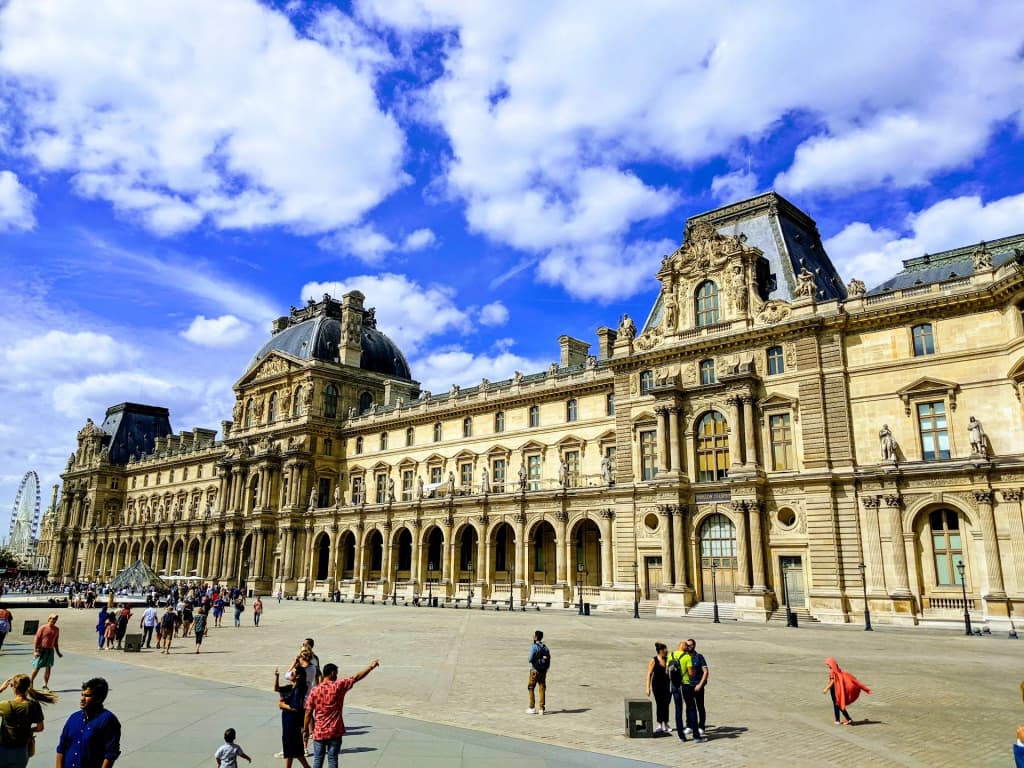
There is a persistent rumor that the best way to see Paris for free is to wait for the first Sunday of the month, when the grand museums throw open their heavy wooden doors without charge. I walk past the Louvre at dawn and see the reality: a winding, shivering line of humanity that stretches for blocks along the Rue de Rivoli. The free day is a chaotic endurance test that costs you hours of precious time. Instead, I pay the standard entry fee, having booked my ticket online weeks ago to bypass the agonizing queues. Some investments are simply non-negotiable.
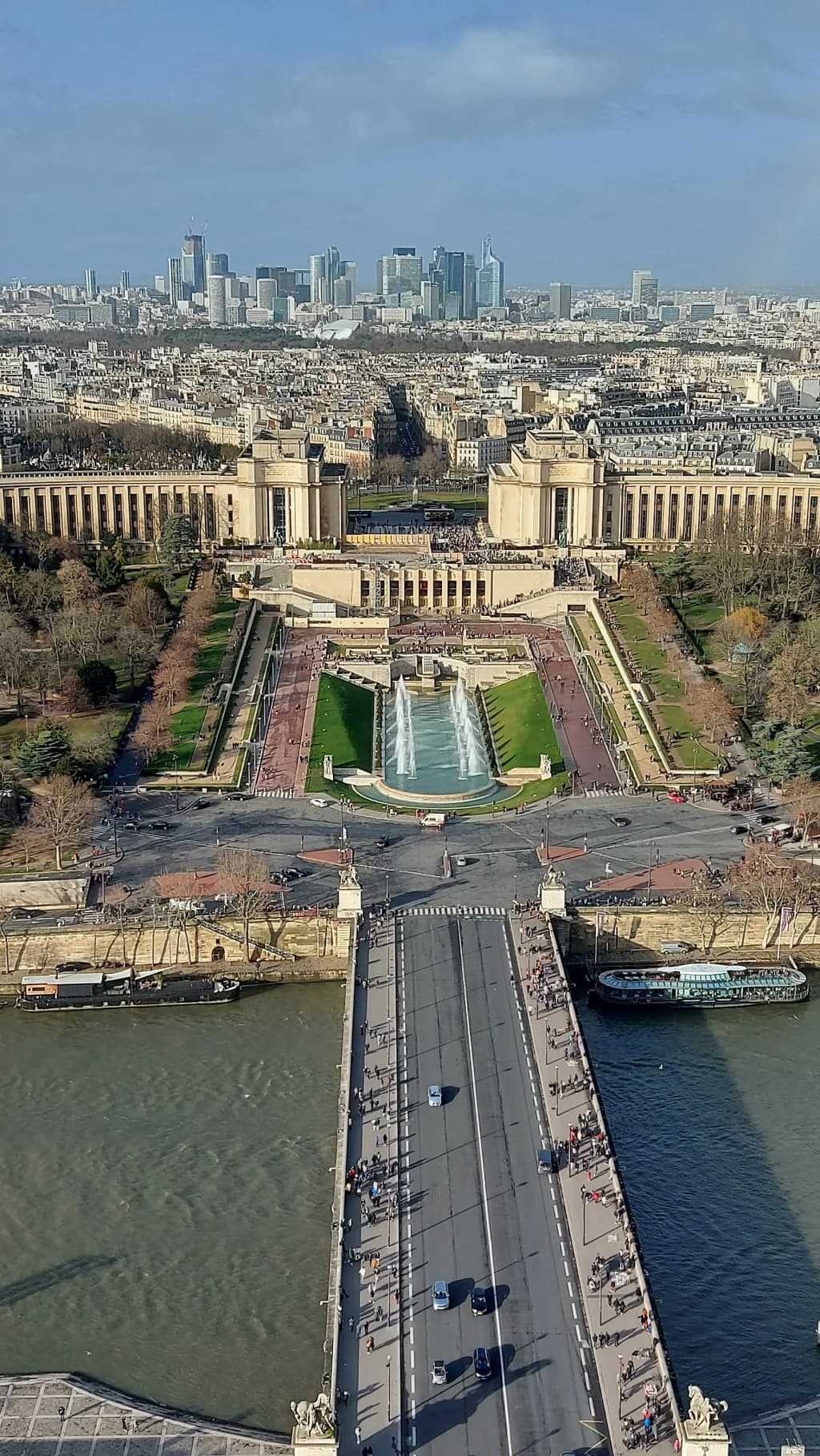
Yet, other iconic sights demand no money at all, only perspective. I skip the expensive, crowded elevators ascending the Eiffel Tower. Instead, I climb the wide stone steps of the Trocadéro just as the sun begins to dip below the horizon. The view from here—the iron lattice rising majestically against a bruised purple sky—is staggering, and it costs absolutely nothing. Sometimes the best vantage point is not from within the monument, but from the quiet square across the river.
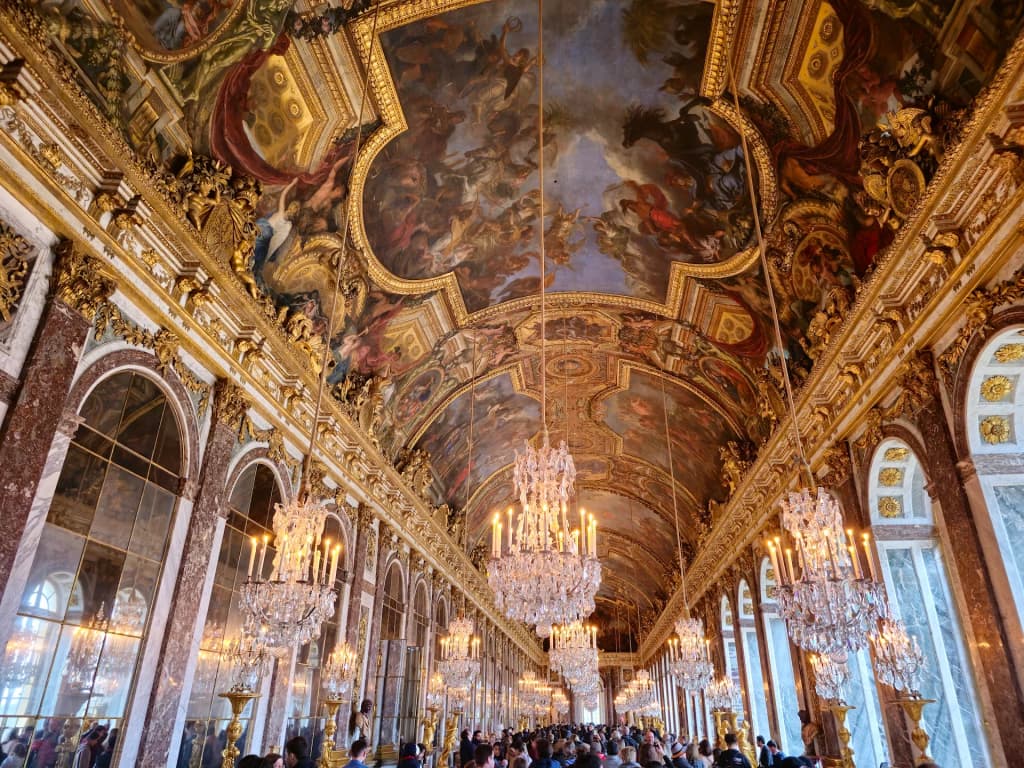
The train rocks gently as we leave the dense limestone facades of Paris behind. For a grand escape, the Palace of Versailles is worth every euro of the excursion. Stepping into the Hall of Mirrors, the sheer scale of the gold and glass is dizzying, catching the afternoon light in a thousand different directions. Booking a guided tour with transport removes the logistical headache, allowing you to simply absorb the sprawling, manicured gardens and the overwhelming weight of history.
Surprisingly, another escape lies just forty minutes away by train. Disneyland Paris emerges from the mist, a stark contrast to the historic city center. For families and dreamers, it is remarkably accessible compared to its American counterparts. By checking the dynamic pricing calendar, tickets can be secured for a fraction of the cost, turning a whimsical detour into a surprisingly budget-friendly day out.
In a high-end boutique near the Champs-Élysées, I watch a traveler hand over her passport to claim her tax refund. It is a brilliant, often overlooked strategy. By spending over a hundred euros in a single store, the tax-free system returns twelve percent of the purchase directly to your pocket at the airport. It is literal cash handed back across the counter, a small reward for navigating the system.
This fiscal mindfulness extends to the unseen necessities. I never cross the Atlantic without comprehensive travel insurance—it is not merely a recommendation, but a mandatory requirement for entering Europe. And rather than losing money to punishing exchange rates and foreign transaction fees, I tap my global currency card, loaded with euros converted at the commercial rate. It is a quiet satisfaction, knowing every tap of the card stretches the journey just a little further.
The streetlamps flicker to life, casting long, golden shadows across the wet cobblestones. A distant accordion hums a melancholic tune that gets swallowed by the evening breeze. I pull my coat tighter and take a sip of the cheap, robust wine from my paper cup. Experiencing Paris doesn't require a bottomless wallet. It requires curiosity, a willingness to walk the side streets, and the patience to learn the city's quiet rules. The magic of this place isn't locked behind velvet ropes or exorbitant price tags. It is right here, in the cold air, the warm bread, and the shimmering reflection of the lights on the dark river.
More Photos

More Adventures
 $120 - $350/day 2-3 days
 Disneyland Paris Strategy: Ride Hacks & Coaster Secrets
Think you know Disney? Think again. Discover the underground secrets, massive coasters, and insider hacks to conquer Disneyland Paris like a pro.
 $150 - $350/day 1 days
 Conquer Disneyland Paris: 2 Parks in 1 Brutal Day
Think you can't conquer both Disneyland Paris parks in a single day? Think again. Here is the ruthless, high-energy strategy to dominate every major ride.
 $100 - $250/day 1-2 days
 Disneyland Paris on a Budget: Ultimate Ticket & Park Guide
Learn how to avoid hidden fees on Disneyland Paris tickets, choose between the two parks, and optimize your budget with our practical 1-2 day itinerary guide.
 $40 - $120/day 3-5 days
 A Sensory Walking Tour Through Central Buenos Aires
Experience the historic heart of Buenos Aires on a sensory walking tour. Taste medialunas at Café Tortoni and explore the bustling San Telmo Market.