
Luanda to Mussulo: Chasing the Sunset on Angola's Coast
Experience the sensory magic of a sunset in Luanda, Angola. Follow the journey from the bustling Marginal to the tranquil shores of Mussulo Island.
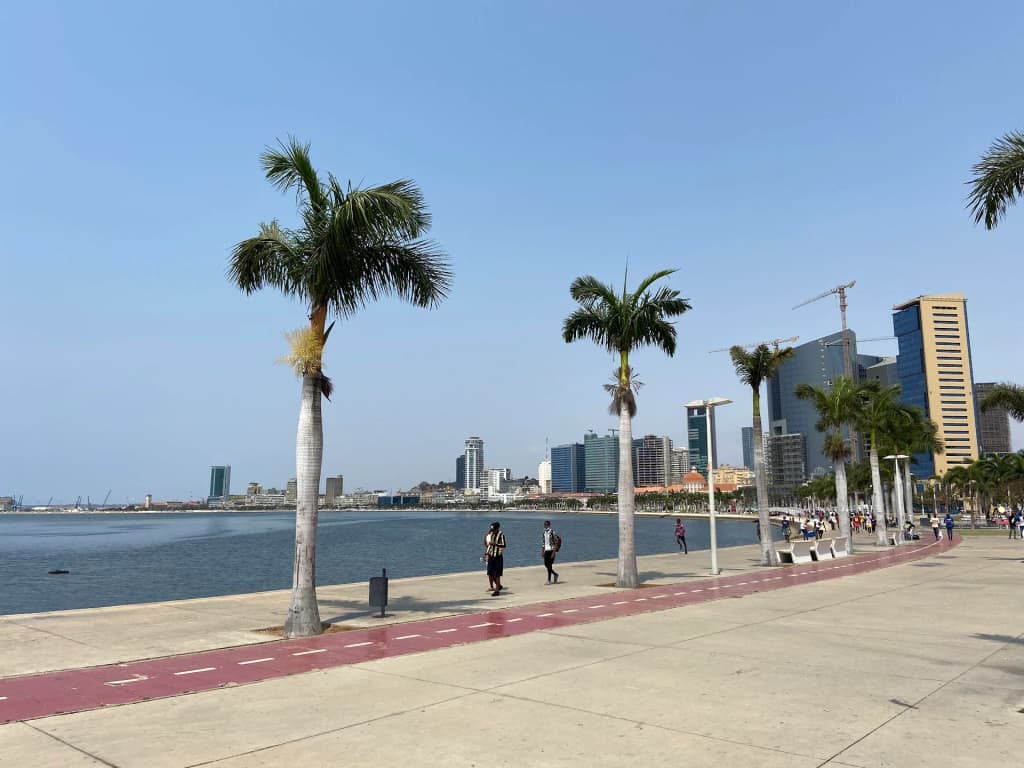
The heat doesn't break so much as it softens, melting into the patterned pavement of the Luanda Marginal. A heavy, salt-thick breeze rolls off the bay, carrying the scent of roasted peanuts—ginguba, the locals call them—and the faint, metallic tang of diesel from the idling traffic along the avenue. The wide, palm-lined promenade stretches for miles, a sweeping crescent that hugs the Atlantic. Walking its length in the late afternoon isn't just a suggestion; it is a daily ritual for half the city. Joggers weave through couples holding hands, their silhouettes stretching long and thin across the concrete as the sun begins its slow, inevitable descent. The air hums with a melodic blend of rapid-fire Portuguese and the pulsing, rhythmic bass of Kizomba music drifting from a parked car with its windows rolled down. You can feel the city exhaling, shedding the frantic energy of the workday and leaning into the languid embrace of the evening.
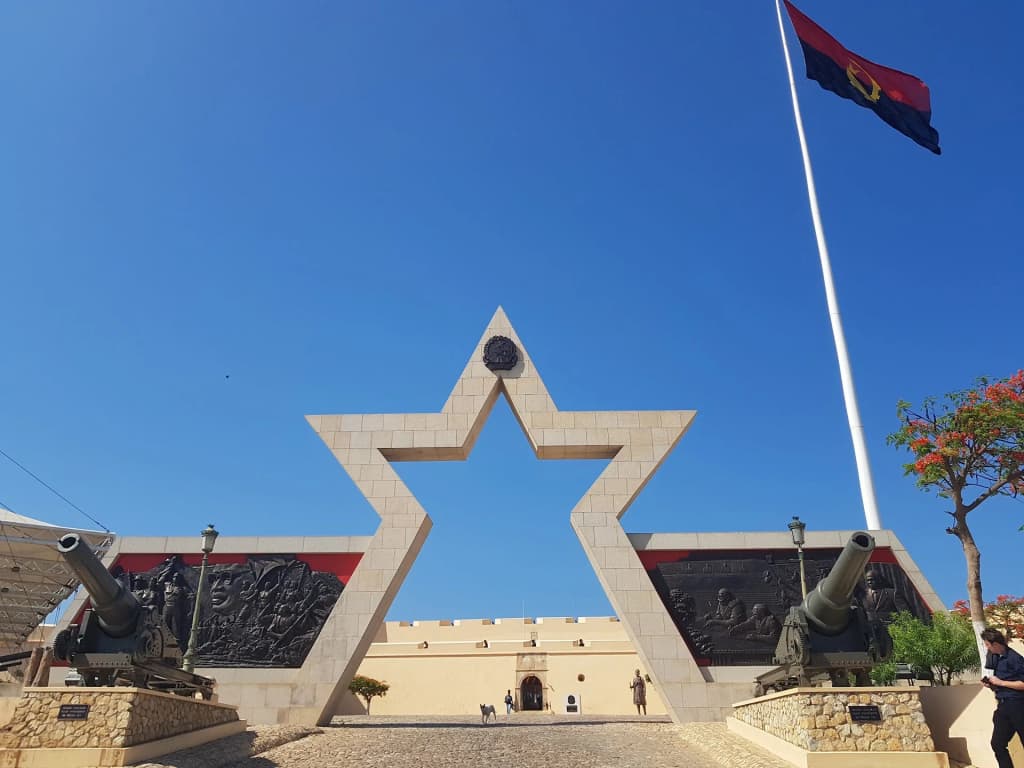
I make the climb up to the Fortress of São Miguel before the light completely turns, eager to find a vantage point above the fray. The entrance fee, a few hundred kwanzas handed over at the heavy stone gate, grants passage to the best view in the capital. The worn cobblestones beneath my boots hold centuries of heat, radiating it back up into the cooling air. Standing by the ancient, rusted cannons that point out toward the endless ocean, the contrast of Luanda strikes you like a physical force. Below, the city is a jigsaw puzzle of faded colonial rooftops, their terracotta tiles bleached by the sun, pressed tight against gleaming, glass-fronted high-rises that catch the shifting light. The sky is already beginning to bruise, the pale blue giving way to streaks of violet and spun gold. It is beautiful here, suspended above the city, but the water is calling. To truly understand the end of the day in this part of the world, you have to be closer to the tide.
Down at the docks, the small motorboat bobs aggressively against the concrete pier. The water in the bay slaps against the hull, a rhythmic, hollow sound that gets swallowed by the noise of the city. I step over the gunwale, nearly losing my footing as the vessel shifts.
"You're chasing the light," the boatman says, tossing a thick, salt-stiffened rope onto the deck. His face is a map of deep lines, weathered by a lifetime of Atlantic wind.
"Is it that obvious?" I ask, finding a seat on the damp wooden bench.
He laughs, a deep, resonant rumble that competes with the sudden sputter of the outboard motor. "Everyone who goes to Mussulo at this hour is chasing something. But the sun, she waits for no one. We have to move."
He pushes us off the pier, and suddenly the chaos of Luanda is behind us, shrinking into a postcard of twinkling lights and towering silhouettes. The spray from the ocean is a shock of cold against my skin, tasting sharply of brine. The transition from the urban sprawl to the Península Mussulo is jarring in the best possible way. The noise of the traffic fades, replaced by the roar of the engine and the rushing water. Ahead of us, the peninsula is a low, dark strip of land separating the bay from the open ocean, fringed with palm trees that look like frayed paintbrushes against the increasingly dramatic sky.
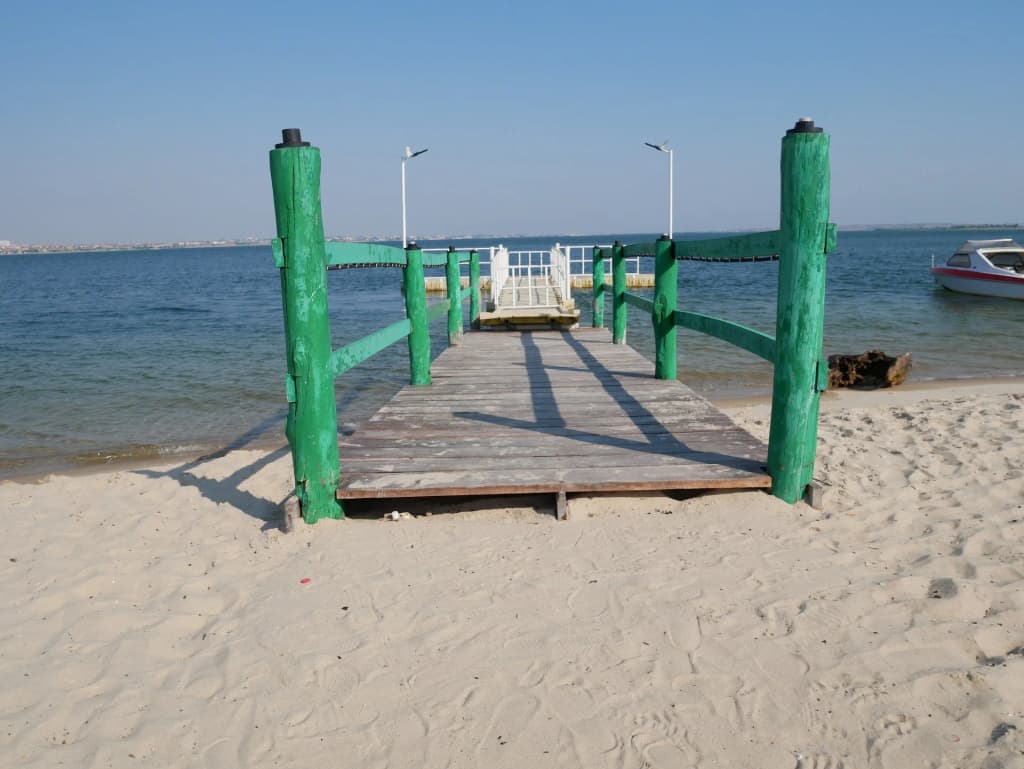
We arrive at Mussulo just as the sky catches fire. I step off the boat and my boots sink into the fine, cooling sand. The atmosphere here is entirely different—slower, softer, unbothered by the ticking of clocks. I walk up the beach toward a local beach club, lured by the scent of garlic, charcoal, and freshly caught cacuso fish grilling over an open flame. I find an empty wooden chair facing the water. The waiter brings me an ice-cold Cuca beer without me having to ask, the dark glass sweating immediately in the lingering humidity. I press the cold rim to my lips, the crisp, slightly bitter taste washing away the salt from the boat ride.
Then, it happens. The moment the sky commands your absolute attention.
I have heard the question whispered in Lisbon cafes and read it in dog-eared travel journals passed between wanderers in hostels across Southern Africa. But have you ever seen the sunset in Angola? It always sounds like a challenge, a line drawn in the sand separating those who have truly traveled from those who merely vacationed.
Now, sitting with my feet buried in the sand, the question feels less like a challenge and more like an initiation. The horizon explodes. It isn't just a color; it is a physical presence. Deep, violent smears of crimson and burnt orange bleed into indigos and soft, bruised purples. The water of the Atlantic acts as a mirror, doubling the intensity until it feels like you are entirely enveloped in a sphere of glowing, molten light. The entire beach falls into a collective, reverent hush. Even the waiter, who must have seen this a thousand times, pauses with a tray of empty glasses balanced on his hip to watch the burning orb dip below the waterline.
It is a rare thing, in a world so thoroughly documented and photographed, to find something that still demands to be felt rather than just seen. The sky deepens into a velvety black, the first stars pricking through the canopy. The music from down the shore swells again, breaking the spell, pulling people back to their conversations and their dinners. I leave my empty bottle on the table and walk down to the shoreline, letting the warm tide wash over my feet. You don't just watch the sunset in Angola. You let it wash over you, let it change the rhythm of your pulse, until you finally understand what all those whispers were about.
More Photos
More Adventures
 $40 - $80/day 2-4 days
 Boa Vista: Exploring the Amazon's Fan-Shaped Frontier City
Experience the unexpected beauty of Boa Vista, Roraima. Discover Macuxi indigenous crafts, the unique Lavrado biome, and sunset boat tours on the Rio Branco.
 $150 - $350/day 3-4 days
 Trancoso Travel Guide: 3-Day Itinerary & Budget Breakdown
Plan a practical 3-day trip to Trancoso, Brazil. Discover the best beaches, UTV tours to Praia do Espelho, and exact costs to optimize your travel budget.
 $100 - $350/day 5-7 days
 Ditch Your Shoes: The Ultimate Jericoacoara Adventure Guide
Skip the tourist traps. Rent an ATV, dive into Buraco Azul, and taste the wild side of Jericoacoara. Your ultimate adventure guide to Brazil's sandy paradise.
 $70 - $150/day 4-7 days
 Chase the Sun: The July Secret of Pedra Furada
Skip the tourist traps. Hike Praia da Malhada to witness the rare July sunset alignment at Pedra Furada in Jericoacoara. An unforgettable Brazilian adventure.