
Woodsmoke, Wrought Iron, and the Pulse of Maputo
Experience the raw energy of Maputo, Mozambique. From smoky fish markets to colonial railway stations, immerse yourself in an African capital of contrasts.
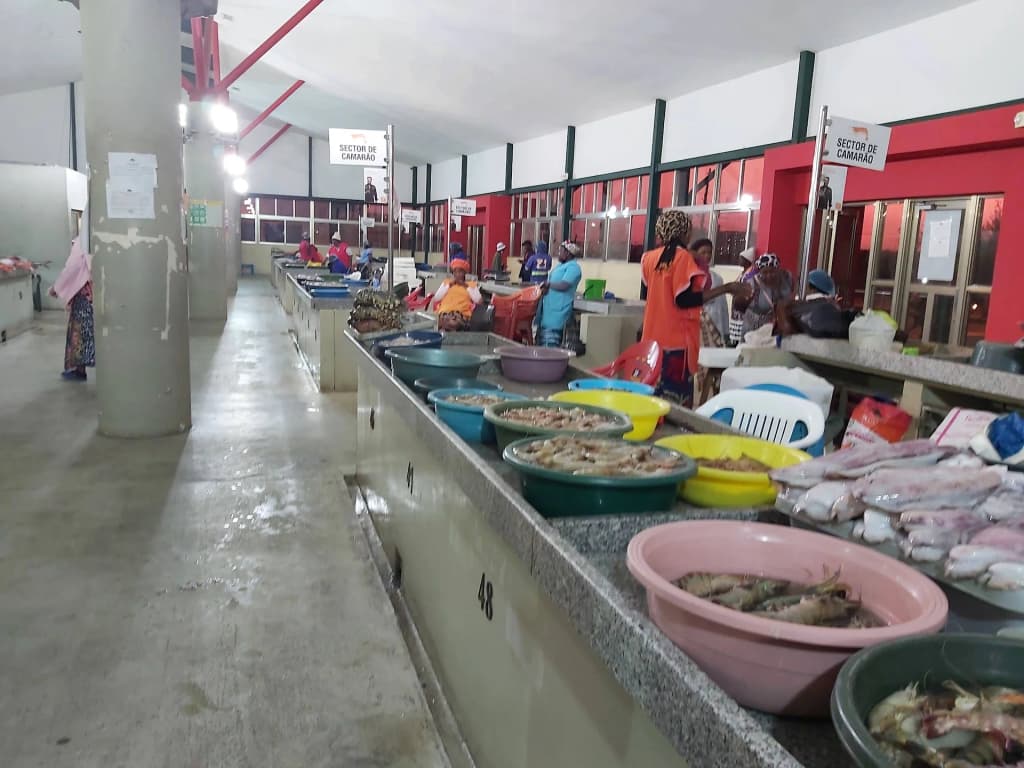
The air is thick with charcoal smoke and the sharp, metallic tang of the Indian Ocean. I stand ankle-deep in the humid afternoon of Maputo's fish market, watching a woman wrapped in a bright, geometric capulana expertly scale a silver fish with the edge of a heavy, rusted knife. The noise is a physical weight—shouts in Portuguese and local dialects, the hiss of fat hitting hot coals, the rhythmic thud of wooden mallets cracking crab shells.
"Lobster," she says, not looking up from her work. It is more of a command than a suggestion. "Three for you. Good price."
I ask her how much, leaning in over the ice-filled plastic tubs to be heard over the din of the crowd.
"Fourteen dollars," she replies, pointing a soapy, calloused finger toward a bucket of massive, twitching crustaceans. "And five for the oysters. A dozen."
I nod, digging into my pocket for the crumpled bills, and within minutes, the catch is handed off to the open-air kitchen behind her. It is not every day you feast like a king for the price of a standard pub lunch back home. When the food arrives, dripping in garlic butter and sharp lemon juice, I eat with my hands, letting the rich, briny flavors coat my fingers. It is a chaotic, beautiful symphony of survival and sustenance, a perfect introduction to a city that refuses to be ignored.
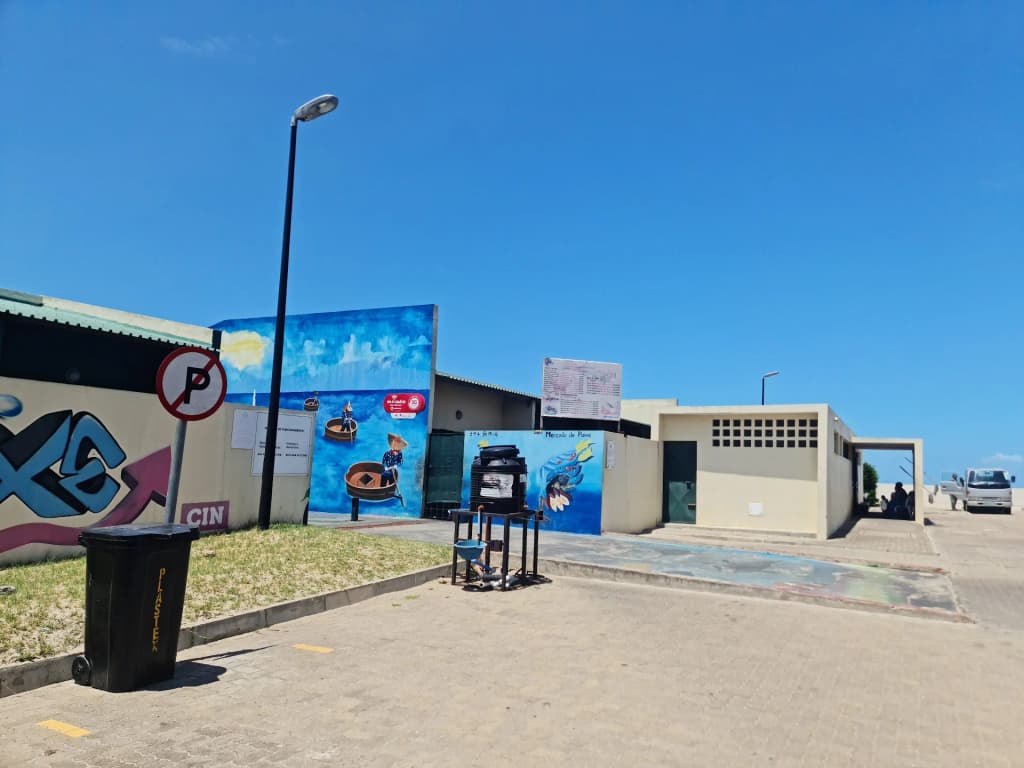
The logistics of Maputo demand a certain level of surrender. There is no Uber here to whisk you away in sterile silence, no algorithm to smooth out the edges of your journey. Instead, I rely on a local driver from Dana Tour, a necessity I arranged after checking into my room. You quickly learn that local expertise is the only true currency in a city this layered. My base camp is the Afrin Prestige Hotel, situated deep in the heart of the Baixa district. It is a sprawling, five-star refuge with impossibly high ceilings, an art-filled lobby that echoes with quiet conversations, and a gym where I spend my early mornings trying to sweat out the jetlag and the remnants of yesterday's lobster. It is a sanctuary, but the moment you step through the heavy glass doors, the city vibrates through the soles of your shoes.
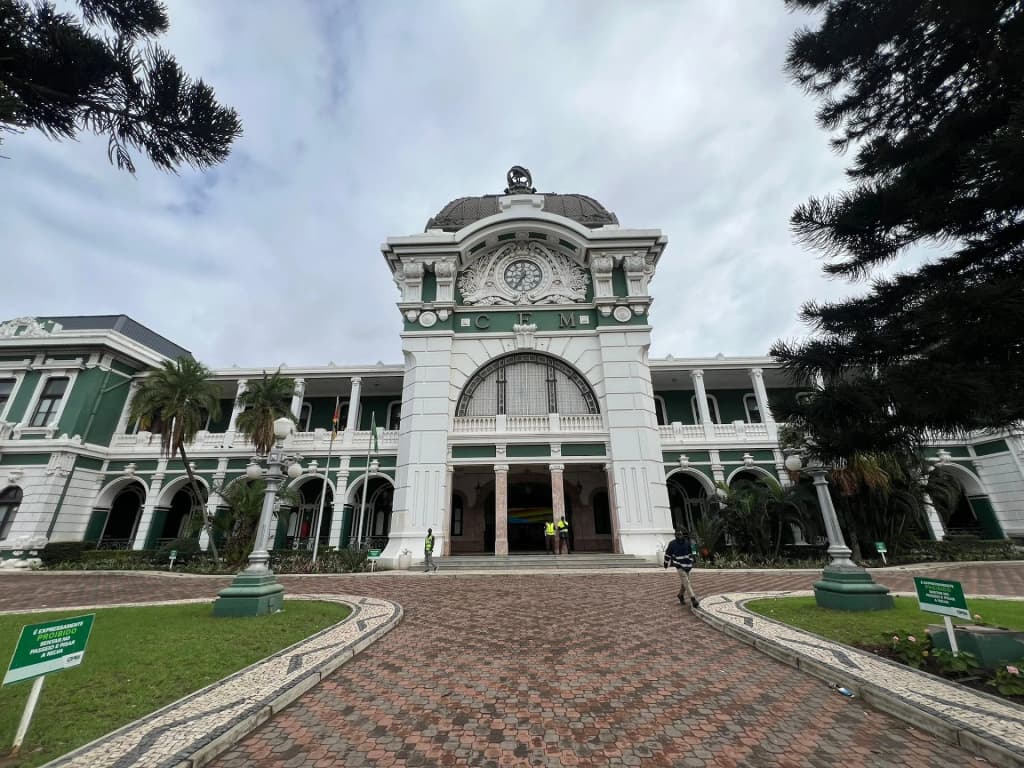
We drive through the chaotic streets, pulling up to the stark, blindingly white spire of the Maputo Cathedral before rolling toward the city's architectural crown jewel. The Maputo Railway Station is a mint-green and wrought-iron masterpiece that looks as though someone plucked a Parisian pavilion and dropped it onto the East African coast. I step out of the car and trace the intricate metalwork with my eyes. It is undeniably beautiful, a literal trip back in time.
Yet, if you pivot on your heel and turn your back to the grand, European dome, the illusion fractures instantly. Across the street, the raw, unpolished reality of Mozambique asserts itself. Minibuses honk relentlessly, hawkers balance towering stacks of goods on their heads, and the humid air smells of exhaust and roasting peanuts. It is Paris on one side, and the unapologetic, chaotic hustle of a developing metropolis on the other. You exist in both worlds simultaneously.
I walk the sun-baked pavements toward the Fortress of Maputo. The red stone walls are hot to the touch, radiating the intense midday heat. The weight of time is heavy in this courtyard. For centuries, this structure protected a Portuguese colony, a stronghold of a distant empire that extracted wealth and labor from this soil. It wasn't until 1975 that this land finally claimed its independence. That history is not ancient; it is a recent memory, still etched into the faces of the older men playing board games in the shade of the fortress walls.
Seeking a deeper understanding of the land, I wander into the Natural History Museum. The wooden floorboards creak beneath my boots as I pass life-sized taxidermy of native fauna and intricate displays detailing the habits of the local people. It is quiet here, a dusty stillness that feels miles away from the street outside.
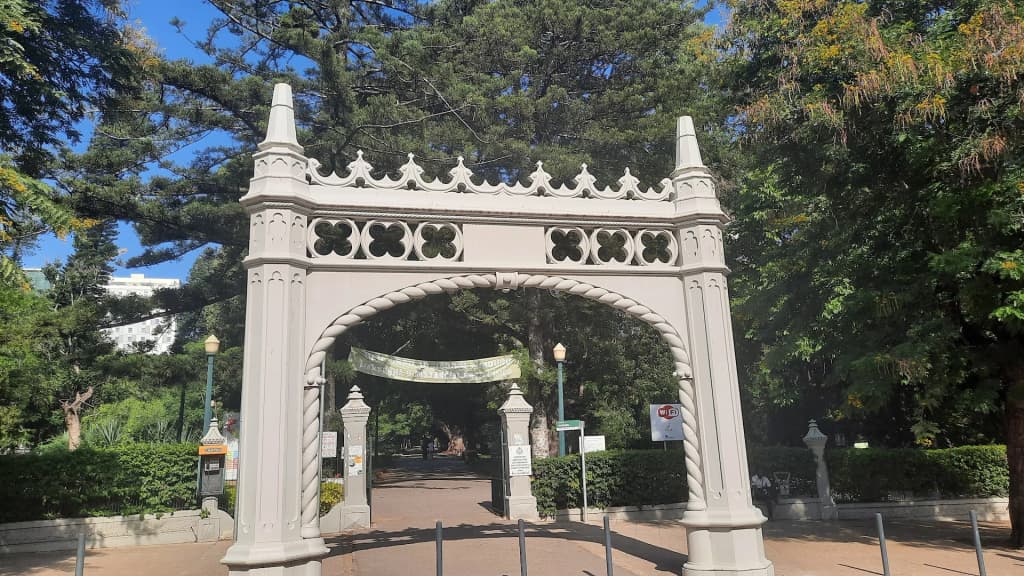
Craving fresh air, I make my way to the Tunduru Botanical Gardens. The temperature drops noticeably the moment I step beneath the massive, ancient ficus trees. The light turns a deep, aquatic green. I walk along the cracked pathways, enjoying the sudden tranquility, until a high-pitched, chattering sound draws my eyes upward.
The canopy is completely alive. Thousands of fruit bats hang like dark, leathery sacks against the bright slivers of sky. As one takes flight, its massive wingspan casts a fleeting shadow over my face. It is a stunning, deeply eerie sight. A shiver runs down my spine despite the suffocating heat. I realize, with absolute certainty, that I wouldn't walk through this park at night for any amount of money. But here, in the dappled afternoon light, it feels like stumbling into a secret, untamed world right in the center of the capital.
The afternoon softens into a golden, hazy heat by the time I reach FEIMA, Maputo's sprawling open-air craft market. The air smells intensely of polished mahogany, roasting cashew nuts, and damp earth. I am barely ten steps inside when the gauntlet begins.
A young man with a wide, gap-toothed smile steps effortlessly into my path, holding out a beautifully carved wooden mask.
"For your house," he insists, pressing the heavy wood into my hands before I can react.
"I don't need it," I tell him, laughing as I try to hand it back. "My bag is too small. I have no room."
He doesn't miss a beat, his smile widening. "Then I sell you a bigger bag, my friend. I have many bags."
The hustle is relentless, but it is entirely devoid of malice. It is a dance, a negotiation of boundaries, humor, and respect. You have to learn to say no a hundred times, to smile through the barrage of sales pitches for things you absolutely do not need. I don't buy the mask, but I eventually yield to the charm of a woman selling brightly colored capulanas, purchasing a strip of fabric I will likely never wear but will always cherish.
The sun dips below the horizon, painting the sky over the Indian Ocean in bruised shades of purple and burnt orange. I sit on a low stone wall near the waterfront, the sounds of the city shifting from the frantic hustle of daytime commerce to the rhythmic, slower pulse of evening life.
Maputo is not a city that gently introduces itself. It does not coddle the traveler. It pulls you in by the collar, fills your lungs with woodsmoke and ocean air, and demands that you pay attention to its scars and its triumphs. It is a place where European ghosts and African vitality share the same crowded, uneven sidewalks. I watch a group of teenagers chasing a deflated soccer ball down the avenue, their laughter cutting through the heavy, humid air. I realize I am no longer just observing the city; I am breathing it in, deeply grateful for every chaotic, beautiful, and unfiltered moment.
More Photos
More Adventures
 $85 - $250/day 4-7 days
 Paris Travel Guide: Budget Hacks, Routes & Photo Spots
Plan your Paris trip with this meticulous guide. Discover $7.50 authentic meals, optimized walking routes, and strategies to skip massive museum lines.
 $60 - $120/day 4-5 days
 Buenos Aires Itinerary: A Practical 5-Day Planning Guide
Plan the perfect Buenos Aires trip with this meticulous guide. Discover exact costs, walkable neighborhood routes, and budget optimization tips for Argentina.
 $30 - $80/day 3-5 days
 Finding the Soul of Paris: A Guide to the City's Best Free Experiences
Experience the magic of Paris without spending a euro. From concealed Roman ruins to rooftop sunsets, discover the city's most immersive free experiences.
 $150 - $350/day 4-7 days
 London Travel Guide: Embracing the City's Chaotic Charm
Navigate the bustling streets of London, from the royal gates of Buckingham Palace to the chaotic glow of Piccadilly and the halls of ancient museums.