
Sun, Sand, and Stories: Natal’s Cinematic Coastline
From the golden dunes of Genipabu to the sunrise at Morro do Careca, Natal’s coast is a sensory feast. Join me for wild rides, fresh shrimp, and sunlit memories.
The sand is still cool underfoot, the sky a pale watercolor of dawn, and the Morro do Careca rises ahead—its bald, sandy crown catching the first blush of sunlight. I walk the shoreline at Ponta Negra, salt on my lips, the hush of the Atlantic broken only by the laughter of early swimmers and the distant clink of breakfast dishes from the beachside pousadas. A fisherman, his skin weathered and eyes bright, nods as he passes, net slung over his shoulder. “You’re up early,” he says, voice rough as gravel. “Best time. The sea is gentle now.”
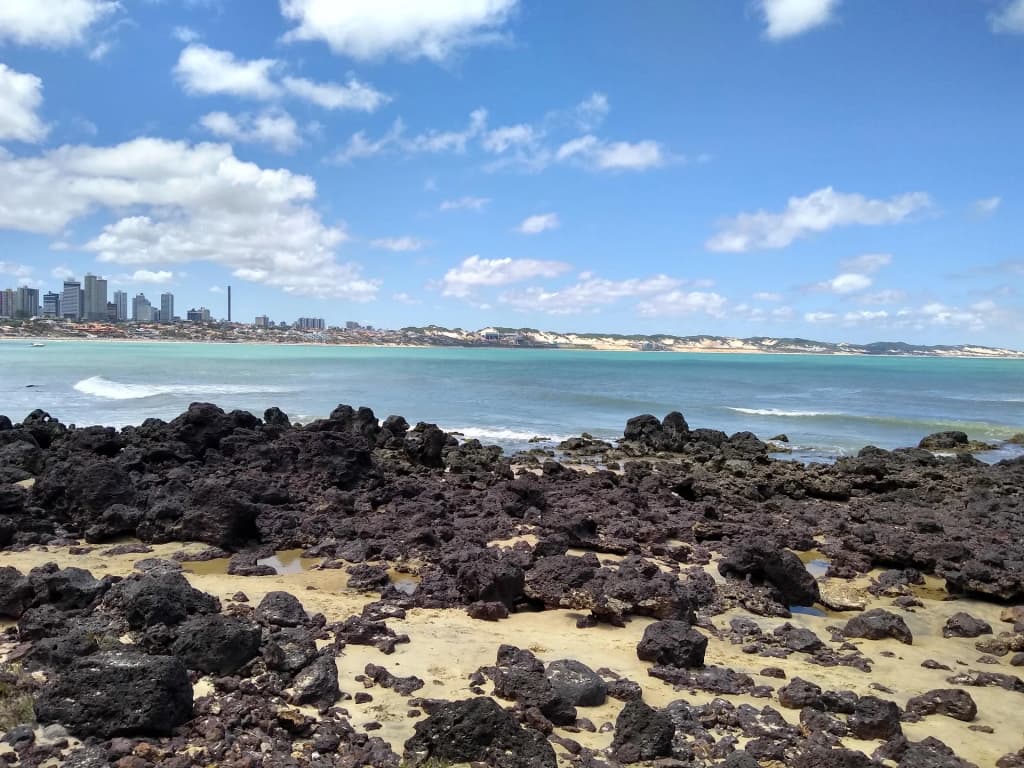
I follow the curve of the sand, the Morro do Careca looming larger, its slopes off-limits now—nature’s way of asking for respect. Locals tell me stories of climbing to the top decades ago, before the dune began to slip away under too many feet. Now, wooden signs and a simple rope mark the boundary. Children build castles at the water’s edge, their laughter rising above the hush of the surf. The tide is low, revealing a path of smooth stones around the base of the dune, and I wander, toes sinking into the wet sand, the scent of salt and sunblock thick in the air.
The day heats up quickly. By mid-morning, I’m bouncing in the back of a dune buggy, wind whipping my hair, the engine’s growl drowned by my own laughter. The driver, Gaspar, grins in the rearview mirror. “With or without emotion?” he shouts over the roar. “With!” I yell back, heart thumping. We crest the dunes of Genipabu, the world dropping away beneath us, sand spraying, the horizon a blur of blue and gold. The buggy skids to a stop at the edge of a lagoon, water shimmering, dragonflies darting above the surface. I taste adrenaline and the faint sweetness of coconut water from a nearby stall.
“First time?” Gaspar asks, handing me a chilled bottle. I nod, breathless. “You’ll never forget it. The dunes change every year. The wind is the real artist here.”
We pass through Redinha, where the air smells of fried fish and seaweed, and on to the lagoons of Pitangui and Jacumã. At Jacumã, I watch as children launch themselves down the sand on wooden boards—skibunda, they call it—splashing into the cool water below. The sun is relentless, but the laughter is infectious, and I find myself grinning, sand stuck to my skin, the taste of grilled shrimp lingering from lunch at a beachside barraca.
Lunch is a slow, sun-drenched affair at Miramar in Porto Mirim. The buffet is a riot of color—grilled meats, feijoada, bright salads, and, of course, shrimp in every possible preparation. I pile my plate, the aroma of garlic and lime making my mouth water. The view is pure postcard: turquoise waves, fishing boats bobbing, a line of palm trees swaying in the breeze. The waiter, seeing my empty glass, offers a suggestion. “Try the caipirinha. Best with local fruit.” I do, and the sharp tang of caju fruit and sugarcane spirit is the taste of summer itself.
Evenings in Natal are for wandering. The escadaria of Ponta Negra is a riot of color, each step painted in bright, hopeful hues. I duck into a tiny restaurant—Hango—where the windows frame the sea and the menu is scrawled in chalk. The parmegiana arrives, steaming, the cheese bubbling, and I share a table with a couple from São Paulo. “We come every year,” they tell me. “It’s the light. The way the sun sets over the dunes. You never get tired of it.”
On another morning, I wake before dawn, the city still hushed, and join a small group for a boat ride to the natural pools of Maracajaú. The journey is short but wild, the boat slapping the waves, spray stinging my face. We arrive just as the tide is at its lowest, the reef exposed, water clear as glass. I slip beneath the surface, the world going silent except for the crackle of parrotfish nibbling coral. Sunlight dances in ribbons across the sand, and schools of sargentinhos flash silver and black. Back on deck, I dry off in the sun, the scent of salt and sunscreen heavy in the air, and sip sweet, icy coconut water.
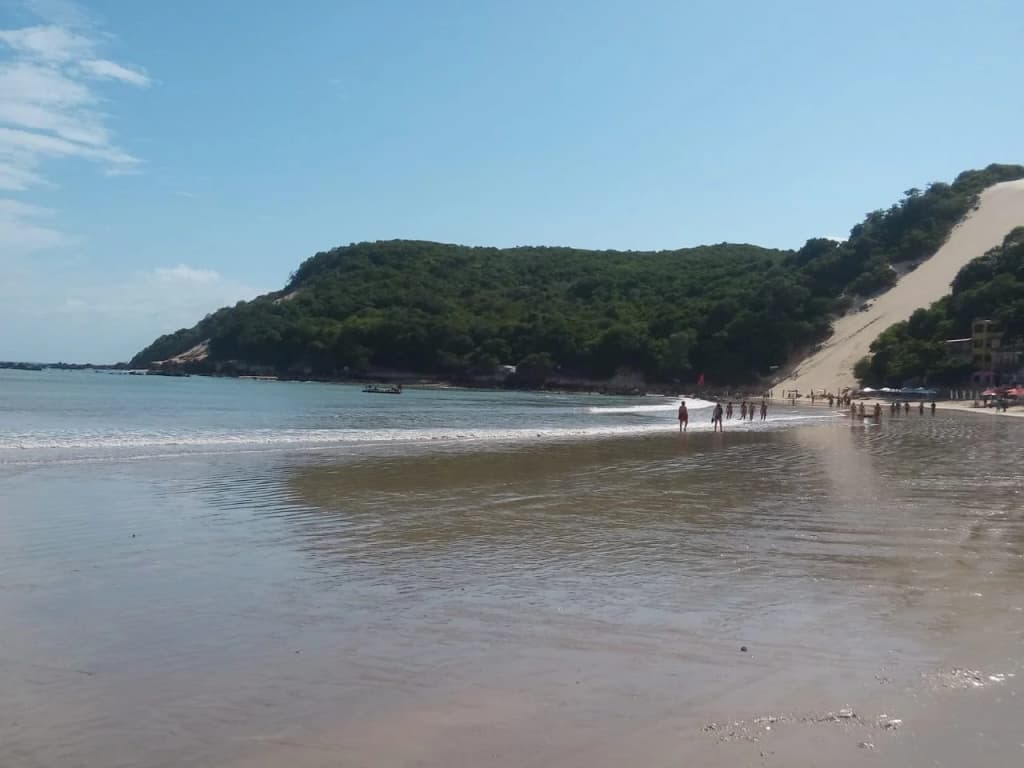
History lingers in the stones of the Fortaleza dos Reis Magos, its star-shaped walls jutting into the sea. The guide, a woman with a sun-faded hat and a voice that carries, tells us of the fort’s founding on Christmas Day, 1599. “The powder was kept above the chapel,” she says, “because the sea would creep in below.” I run my hand along the cool stone, the scent of brine and old gunpowder in the air, and look out across the Potengi River to the distant dunes of Genipabu. The past feels close here, the stories layered like sand.
There are days when the only plan is to drift. I find myself at Lagoa do Carcará, the water impossibly blue, the sun high and hot. Rafa, our guide, sets out a table of fruit—mango, pineapple, slices of watermelon so sweet the bees come to investigate. “This is the paradise lagoon,” he says, smiling. “You see why?” I do. The water is cool silk against my skin, the laughter of friends echoing across the surface. Later, at Camurupim, I float in a natural pool, the world reduced to sun, salt, and the slow rhythm of the tide.
On my last evening, I join a boat on the Potengi for the Auto do Potenji—a sunset cruise that is part theater, part history lesson, part celebration. Musicians play forró, the boat rocks gently, and the sky turns gold, then violet. Zé da Giga, the storyteller, stands at the bow, his words painting the city’s past. “We are small before the greatness of this river,” he says, voice soft as dusk. The sun slips behind the bridge, and for a moment, everything is still—the city, the river, the people, all held in the amber light.
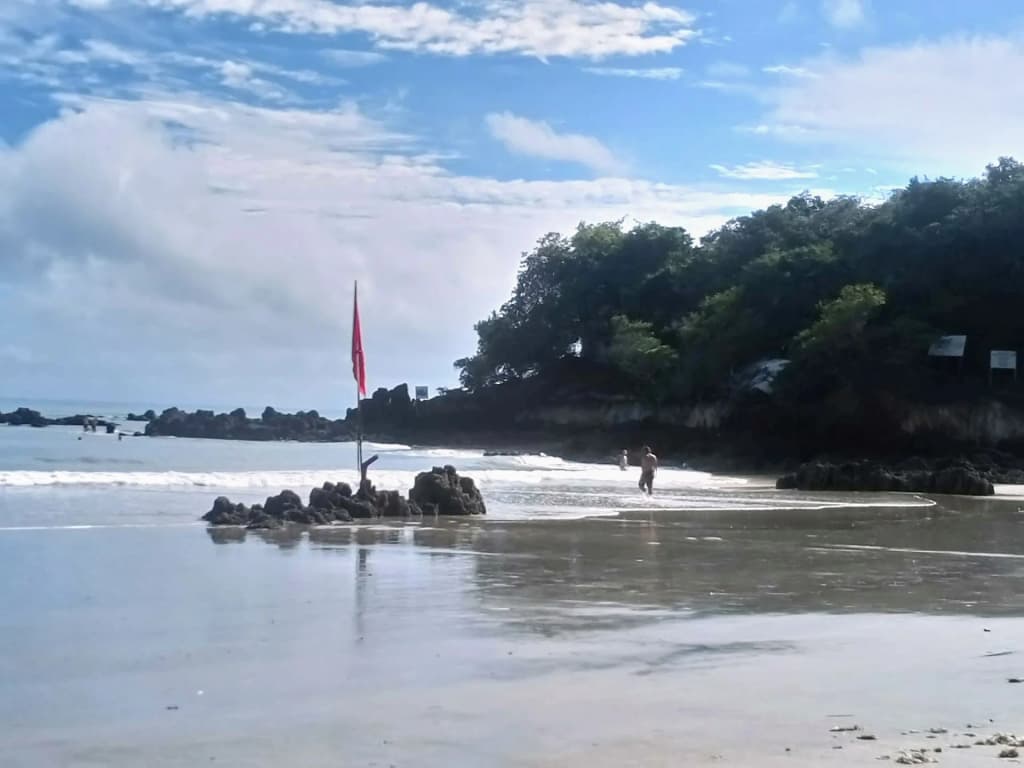
Natal is a city of sun—three hundred days a year, they say, and I believe it now. But it’s also a city of stories, of laughter shared over shrimp and caipirinhas, of wild rides and quiet dawns, of history written in stone and sand. I leave with salt in my hair, sand in my shoes, and the taste of the sea lingering on my tongue, already planning my return.
More Photos
More Adventures
 $100 - $250/day 2-4 days
 A Journey to Campos do Jordão: Finding Brazil's Alpine Soul
Experience the mountain culture of Campos do Jordão, Brazil's highest city. Discover cherry blossoms, historic railways, and cozy alpine gastronomy.
 $150 - $350/day 3-4 days
 Trancoso Travel Guide: 3-Day Itinerary & Budget Breakdown
Plan a practical 3-day trip to Trancoso, Brazil. Discover the best beaches, UTV tours to Praia do Espelho, and exact costs to optimize your travel budget.
 $100 - $350/day 5-7 days
 Ditch Your Shoes: The Ultimate Jericoacoara Adventure Guide
Skip the tourist traps. Rent an ATV, dive into Buraco Azul, and taste the wild side of Jericoacoara. Your ultimate adventure guide to Brazil's sandy paradise.
 $40 - $100/day 3-4 days
 Campos do Jordão Itinerary: Budget Guide & Hiking Logistics
Plan a practical trip to Campos do Jordão, Brazil's highest city. Get exact costs for state parks, hiking Pedra do Baú, and budget-friendly dining.