
Mist and Memory: A Weekend in Natividade da Serra
Lose yourself in the misty hills and sunken secrets of Natividade da Serra, where lakeside chalets, hidden waterfalls, and local stories linger in the air.
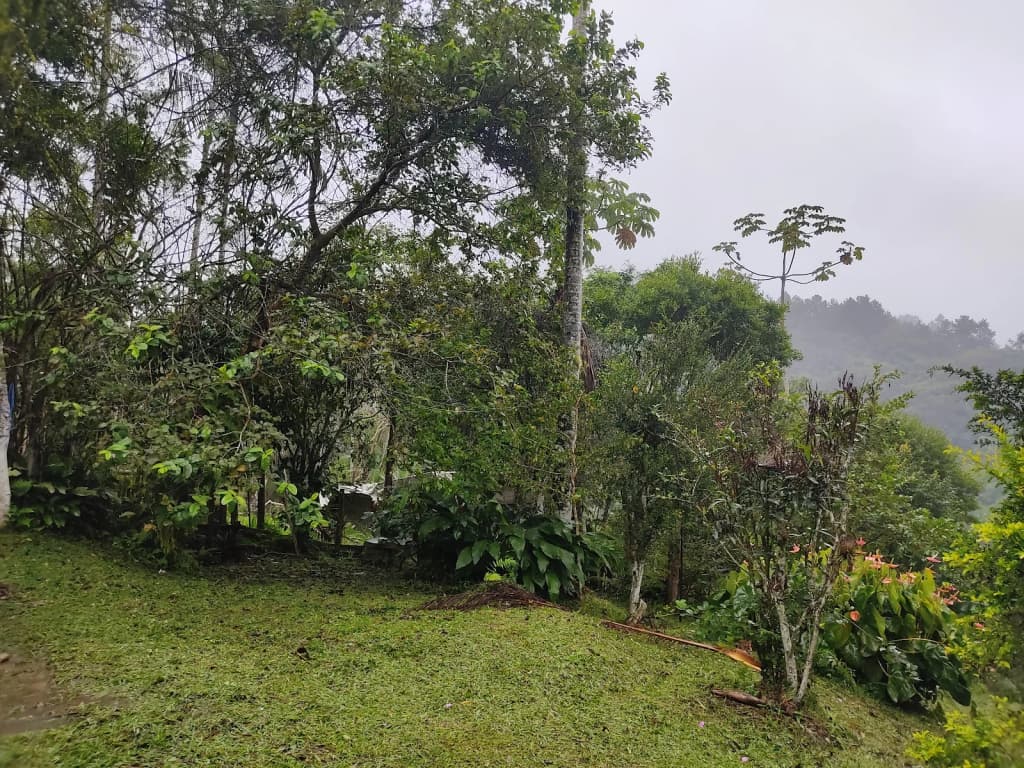
The mist clings to the hills like a secret. I stand on the deck of a wooden chalet, coffee warming my hands, watching the first light spill across the Paraibuna Dam. The water below is impossibly still, a mirror for the green slopes and the low, drifting clouds. Somewhere, a rooster crows. The only other sound is the soft, insistent call of a thrush hidden in the trees.
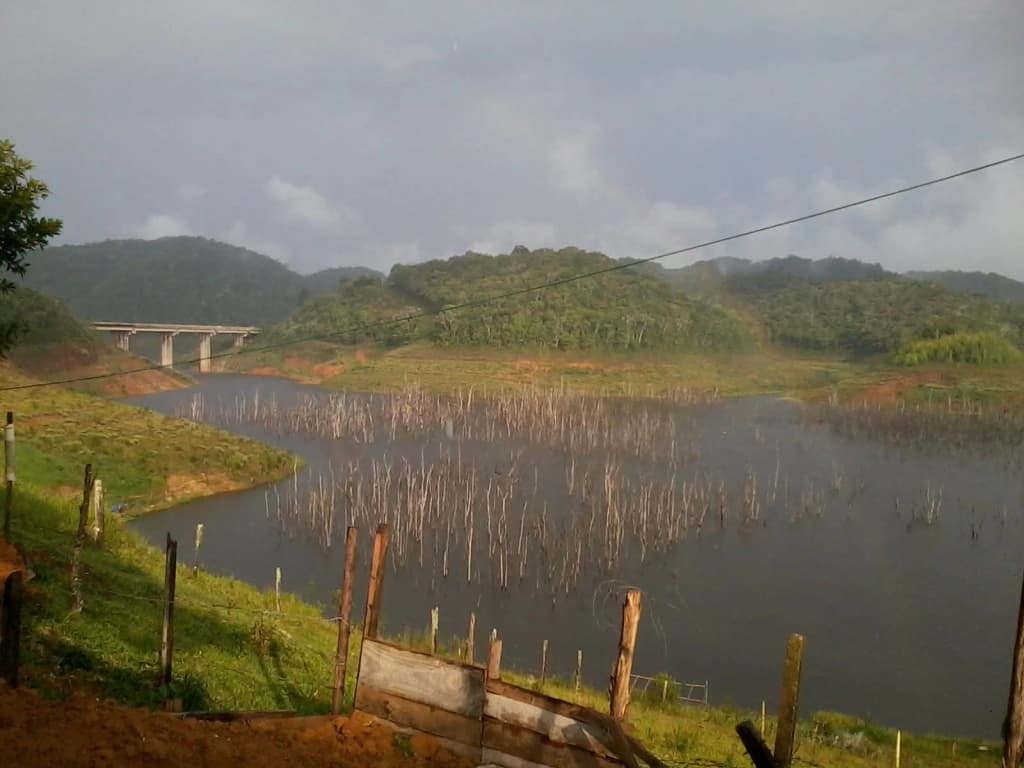
The town of Natividade da Serra is waking up slowly. Seven thousand souls, give or take, scattered across the folds of the Serra do Mar, two hours from São Paulo but a world away from its noise. Here, the pace is gentle, the air cool even in spring, and the stories run deep—some of them, quite literally, beneath the surface.
Down by the water, the prainha is empty except for a few fishermen and a pair of kids kicking a ball on the dusty field. The sign says swimming is dangerous, but the water looks calm, inviting. I dip my hand in—surprisingly warm in the shallows, a little thrill of summer against my skin. Across the inlet, a handful of houseboats bob gently. I wonder aloud if anyone actually lives there.
“Fishermen, mostly,” a man tells me, pausing to untangle his line. “Some people rent them for weekends. But you have to like the quiet.”
He grins, and I nod. The quiet here is a living thing, thick as the morning fog.
In the center of town, the buildings are new, almost anonymous. The old Natividade, I learn, is gone—submerged in 1973 when the dam was built. Even the church was imploded, its stones now resting somewhere in the silt below. Only the cruzeiro, the old stone cross, remains above water, a marker for what was lost. When the water is low, you can see the ruins, ghostly outlines in the mud.
Lunch is a simple affair: a plate of rice, beans, and grilled chicken at Restaurante da Elsa, just off the main square. The price—twenty-five reais—feels like a small miracle. The waitress, Elsa herself, brings an extra slice of orange cake for my daughter. “For the little one,” she says, winking. The taste is bright, sweet, a memory of sun.
The chalet—Vilarejo das Águas—is a world unto itself. Inside, everything is wood and glass and the scent of fresh coffee. There’s a kitchen stocked with the basics, a sofa that folds out for families, and a bathroom where you can shower with a view of the mountains. Upstairs, the bed faces a wall of windows. At night, the only lights are the soft glow of string bulbs on the deck and the distant shimmer of the dam.
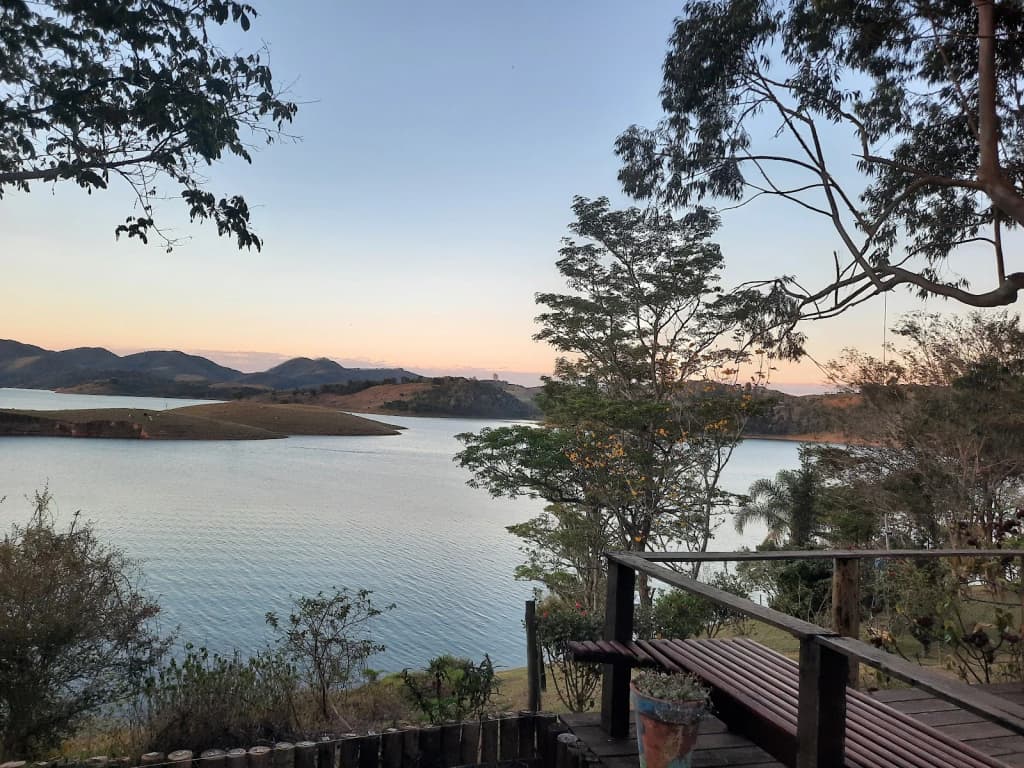
In the morning, a breakfast basket arrives—still warm pão de queijo, creamy corn cake, tiny jars of jam, and a thermos of strong, dark coffee. My daughter’s eyes go wide at the sight of the polenguinho cheese. We eat on the deck, feet bare, the world hushed except for birdsong and the occasional splash from the lake below.
Later, I walk down to Porto da Canoa, where a small ferry shuttles locals across the water. The crossing is free, a lifeline for those whose homes were stranded by the rising dam. An old man leans on the railing, watching the boat come in.
“I was a boy when they flooded the old town,” he says, voice soft. “My parents lost their farm. Everything changed. The good land is under water now. But we stayed. You get used to the hills.”
His words hang in the air, heavy as the mist. I thank him, and he nods, eyes fixed on the far shore.
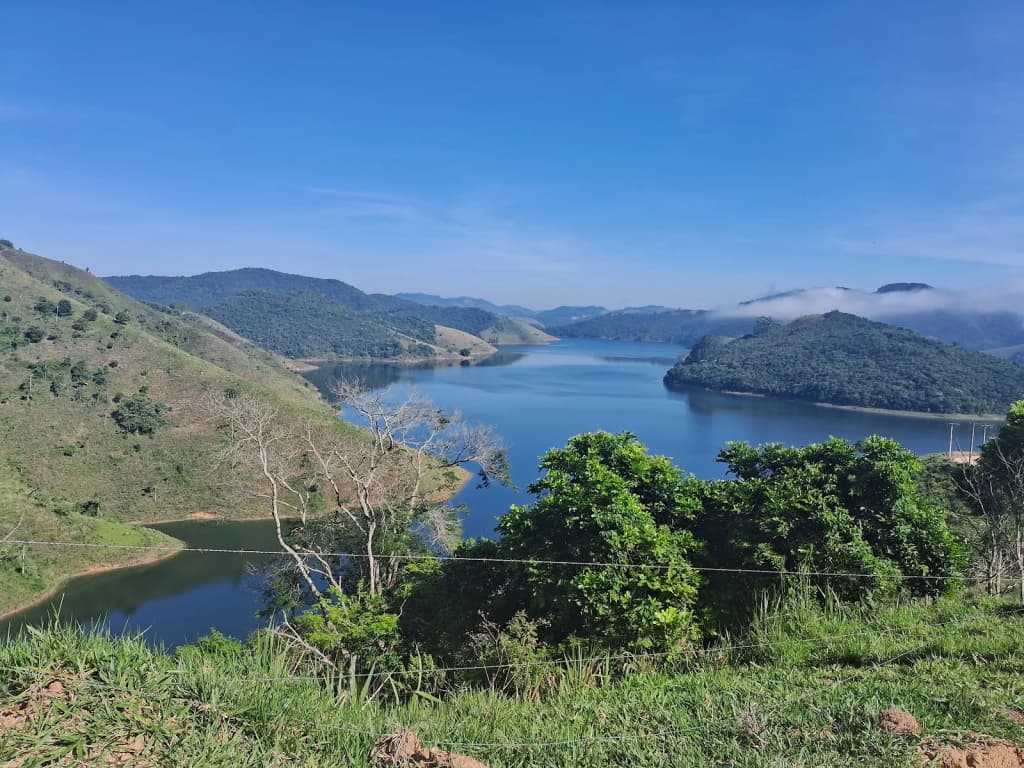
The afternoon is for wandering. A short drive from the center, the Mirante do Cruzeiro offers a sweeping view of the dam and the mountains beyond. The air is sharp, scented with eucalyptus and earth. I sit on a bench, watching the sun slide lower, the water turning gold. Locals say it’s the best place for sunset, and I believe them.
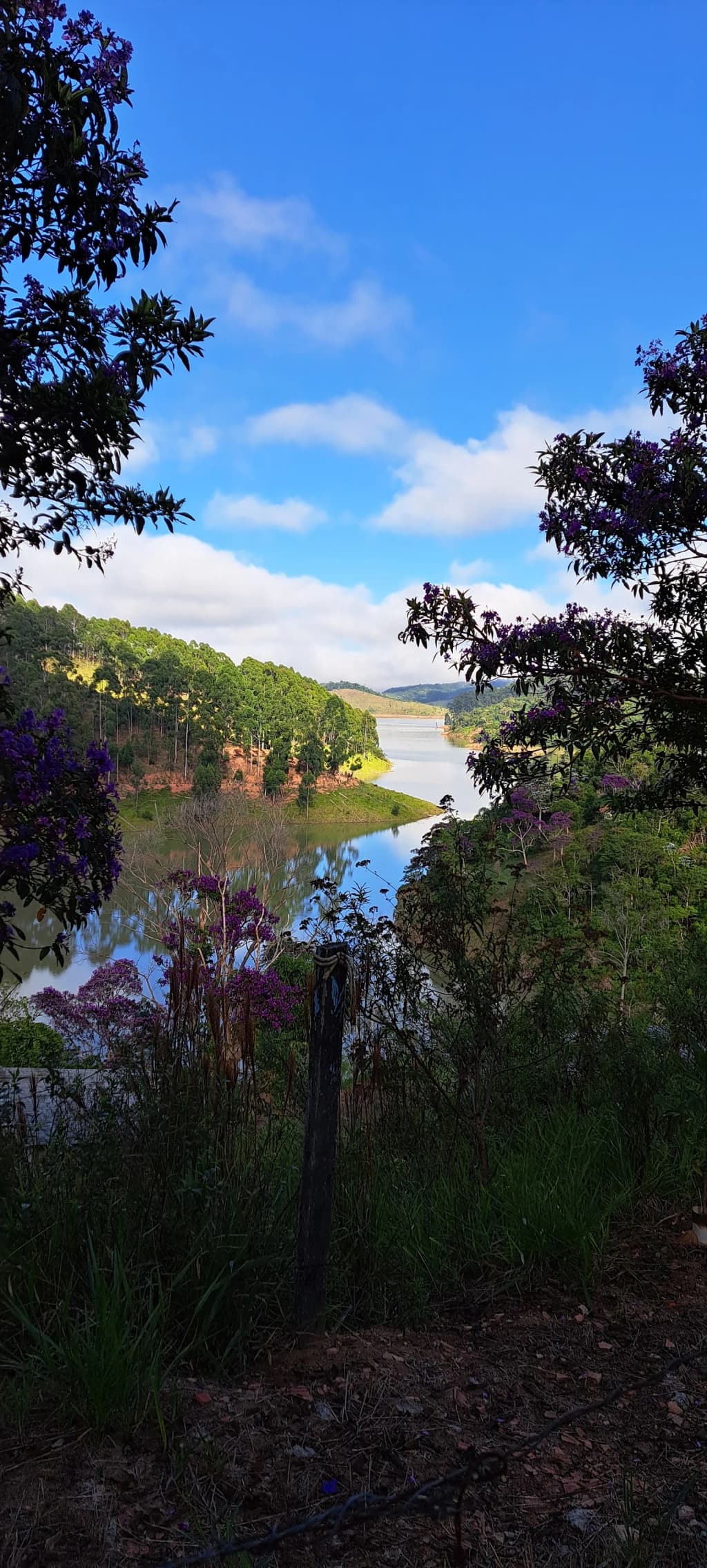
If you want to get closer to the water, the chalet owners can arrange a boat tour—gliding past drowned trees, the occasional heron lifting off in surprise. Or you can chase waterfalls. The nearest is a short, almost secret trail, barely five minutes from the road once you find the right gate. The path is soft underfoot, the air cool and damp. The waterfall itself is small, a silver ribbon tumbling into a pool that feeds the dam. I sit on a rock, shoes off, letting the spray cool my face. Someone has left the remains of a barbecue—charred wood, the scent of smoke lingering in the moss.
Evenings are for fire and quiet. Back at the chalet, I light a small blaze in the firepit, the wood crackling, the air tinged with pine. My daughter chases fireflies in the grass. We eat pizza delivered from town, sip wine, and watch the stars come out, one by one, above the black water. The only sound is the wind in the trees and the distant call of a nightjar.
“Do you think the old town is still down there?” my wife asks, her voice low.
“I think so,” I say. “Some things never really disappear.”
The fire burns low. The mist returns, curling around the hills, softening the edges of everything. In Natividade da Serra, the past is always close—sometimes just beneath the surface, waiting for the water to fall.
More Adventures
 $30 - $60/day 3-5 days
 Skip the Beach: The Mystical Quartz Mountain of São Thomé
Trade the beach for the mountains. Explore São Thomé das Letras, Brazil's off-grid quartz town. Dive into waterfalls, dark caves, and defy gravity.
 $150 - $400/day 3-7 days
 Survive the Amazon: Eat the Grub and Disappear
Skip the tourist traps. Trek deep into the Amazon Rainforest, eat a live larva, and discover nature's raw power. Get lost and find yourself.
 $100 - $350/day 5-7 days
 Ditch Your Shoes: The Ultimate Jericoacoara Adventure Guide
Skip the tourist traps. Rent an ATV, dive into Buraco Azul, and taste the wild side of Jericoacoara. Your ultimate adventure guide to Brazil's sandy paradise.
 $50 - $120/day 2-3 days
 Earth, Fire, and Lavender: A Sensory Weekend in Cunha
Breathe in the lavender fields, taste alpine mountain beer, and feel the heat of traditional Japanese kilns in the mountain village of Cunha, São Paulo.