
The Hiss and Clang of the Real New York
Forget the polished postcards. Discover the New York of hissing steam, hollow sidewalks, and the iron skeletons that hold the city together.
The asphalt hisses. A white column of vapor rises from an orange-and-white striped chimney in the middle of the avenue, swirling around the calves of rushing commuters. It doesn’t smell like smoke. It smells of wet minerals, boiling water, and old earth—a humid, subterranean scent that cuts sharply through the crisp October air. A tourist in a pristine windbreaker coughs theatrically, waving a hand through the mist, but the locals don't even blink. They walk right through it, headphones on, coffees in hand, ghosts passing through a cloud.
This isn't pollution, and the street isn't on fire. It is simply the city breathing. New York sits atop a labyrinth of steam pipes, a heating system that keeps the skyline warm and the pavement alive. Seeing this vapor erupt from the ground feels more iconic to me than the distant glint of the Statue of Liberty. It is the visual pulse of the metropolis, a reminder that this city is a living, mechanical beast that exhales just like we do.
I turn the corner and the sky disappears, replaced by a ceiling of plywood and steel beams. The light drops, the sound dampens, and I am walking through the inevitable tunnel of a sidewalk shed. If you spend more than an hour walking in Manhattan, you will end up in one of these corridors. They stretch for blocks, turning the sidewalk into a dimly lit chute.
I stop to examine a rusted joint on the scaffolding, and a man waiting for the light to change chuckles. He is older, wearing a Mets cap that has seen better decades.
"You admiring the architecture?" he asks, his voice gravelly.
"Just wondering how long it's been up," I admit.
He laughs, a short, sharp bark. "That one? Since my granddaughter was born. She's in kindergarten now. It's the law—Local Law 11. If a brick looks like it might sneeze, the shed goes up. Cheaper to leave the shed than fix the brick."
He adjusts his cap and crosses the street, leaving me in the wooden gloom. He’s right. These "andames" aren't temporary; they are a permanent layer of the city's skin, a result of strict facade inspection laws that prioritize safety but create a city eternally under repair. I run my hand along the cold steel support. It feels gritty, coated in the dust of a thousand passing taxis.
Walking further downtown, the rhythm of my boots changes. Clack-thud. Clack-thud. Every few yards, the solid concrete gives way to diamond-plate metal doors set flush into the ground. I watch a woman in heels navigate them with practiced indifference, but I hesitate. There is a hollowness to the sound when you step on them that triggers a primal instinct to jump.
These cellar doors are portals to the city's underbelly. As I pass a deli, one set of doors is thrown open, revealing a steep, rusted staircase descending into yellow electric light. A worker emerges, hauling a crate of sodas, the smell of cardboard and refrigeration drifting up to the street level. It is a reminder that New York is vertical in both directions. There is as much life happening in the basements below our feet as there is in the penthouses scraping the clouds.
I grab a coffee from a corner bodeg—dark roast, milk, no sugar—and lean against a lamppost to look up. The pre-war brick buildings lining the street are laced with black iron zig-zags. The fire escapes. They cling to the facades like iron vines, casting intricate geometric shadows across the windows.
They scream of a specific era of New York history. Born from 19th-century safety regulations, these external stairs were the cheaper alternative to restructuring interiors. Today, modern codes forbid them on new builds, making them architectural fossils. When you see a fire escape, you are looking at a survivor. I trace the line of the iron ladder with my eyes, imagining the generations who have sat on those landings on hot summer nights, smoking cigarettes and watching the theater of the street below.
The air shifts again, heavy with the scent of cumin, charcoal, and burnt sugar. You are never more than a block away from a food cart here. They are the city's open-air dining rooms, operating on corners from dawn until the bars close. I watch a vendor expertly chop chicken on a flat-top grill, the metal spatula ringing like a bell against the steel.
Traffic crawls by in a river of yellow. While rideshare apps have conquered the globe, the yellow taxi remains the king of this asphalt jungle. There are moments, especially during the surge pricing of a rainy rush hour, where the old-school taxi is actually the budget-friendly option.
"Taxi or app?" I ask the vendor as he hands me a foil-wrapped plate, the heat radiating through the aluminum.
"Yellow cab," he says without looking up, his focus entirely on the next order. "The app follows the map. The cab driver knows the alleyways."
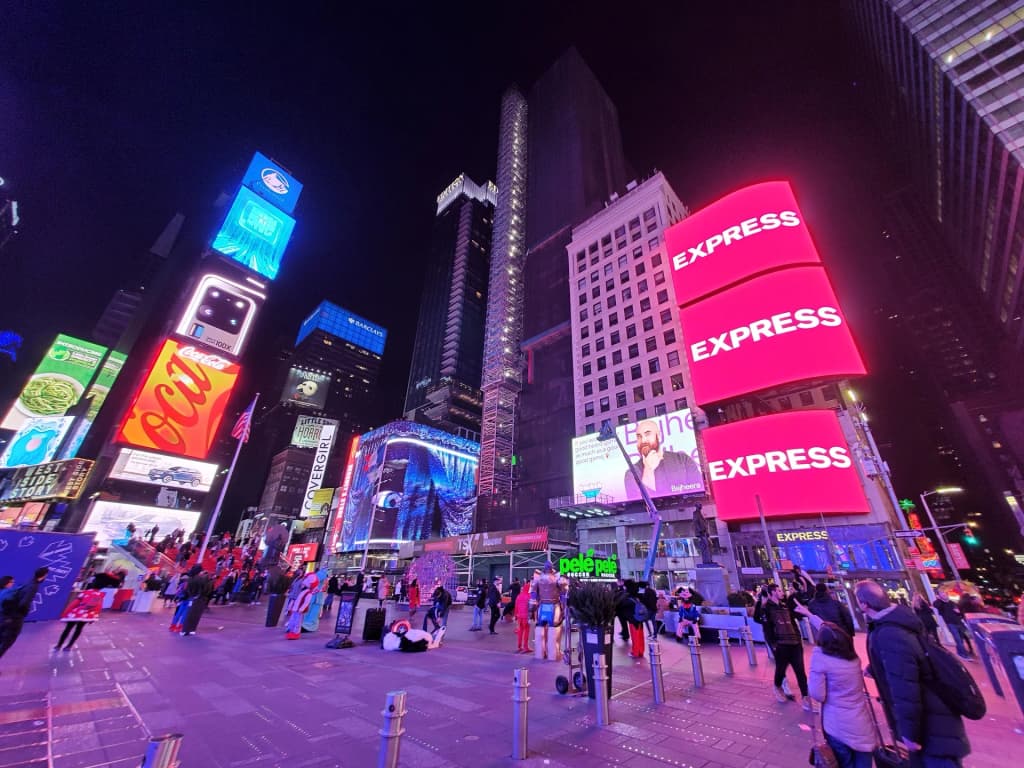
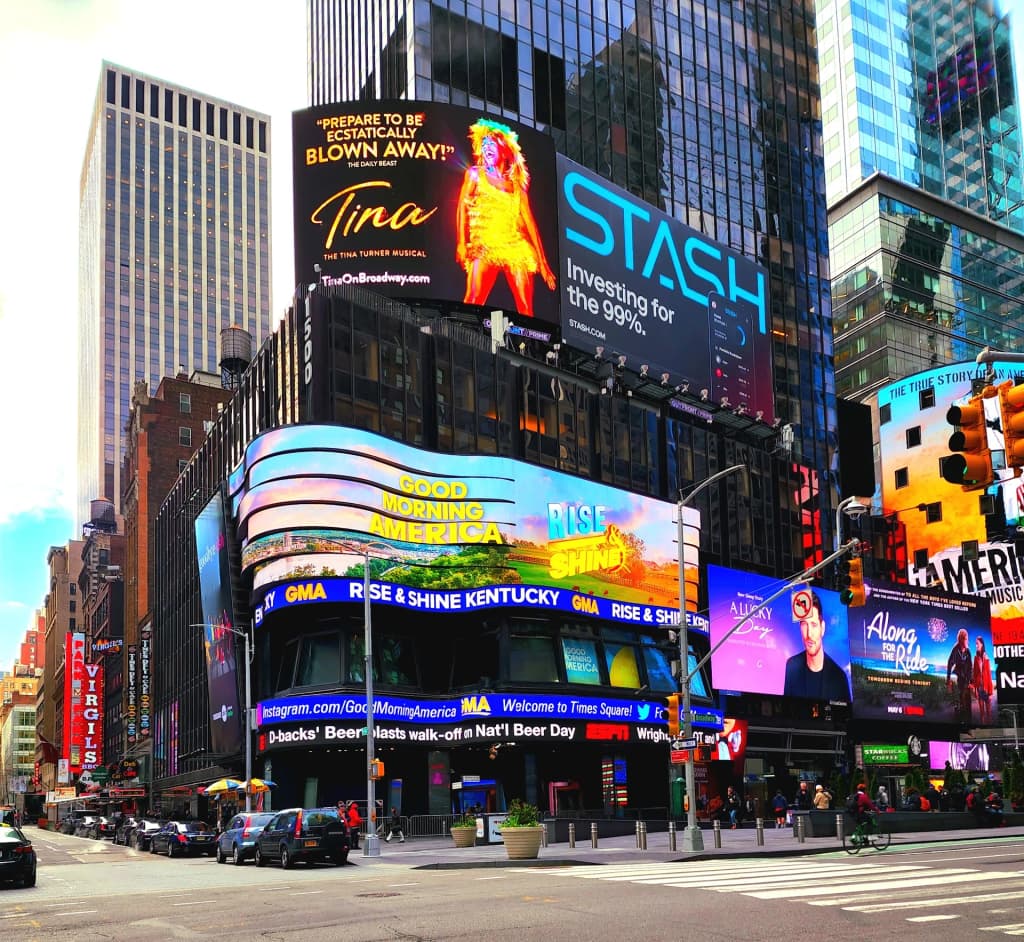
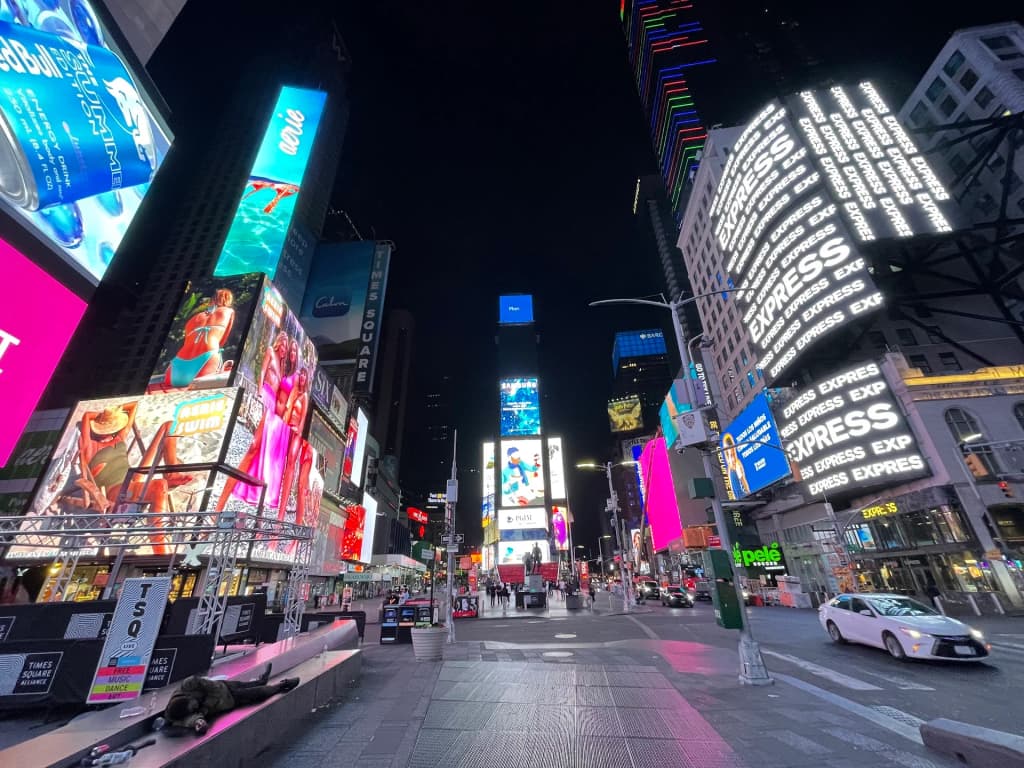
I stand there on the corner, eating spiced chicken near a hissing steam pipe, under the shadow of a century-old fire escape. This is the texture of the city that the guidebooks often miss in favor of museums and observation decks. It isn't the polished glass of the new skyscrapers that makes this place feel alive. It is the friction. It is the functional, gritty, unplanned layers of history—the steam, the steel, and the noise—that truly define New York.
More Photos
More Adventures
 $150 - $300/day 1-2 days
 Conquer Epcot: The Ultimate High-Speed Global Gauntlet
Think Epcot is a slow stroll? Think again. It's a high-speed, globe-trotting gauntlet. Hack the rides, taste the world, and push your limits in Orlando.
 $100 - $300/day 1-3 days
 Escape the Airport: Conquer Your Luanda Layover
Think a layover in Luanda means killing time at the airport? Think again. Discover the fortress, island sunsets, and the ultimate Angolan adventure.
 $80 - $250/day 4-7 days
 The Quiet Art of Experiencing Paris on a Budget
Discover how to experience the romance of Paris without breaking the bank, from secret bakery rituals to navigating the city's economic rhythms.
 $100 - $250/day 3-7 days
 Beyond the Turnstiles: An Orlando Summer Sabbatical
Escape the Orlando theme park crowds and discover the sensory magic of Celebration, the Mall at Millenia, and the neon-soaked shores of Universal CityWalk.