
Stone Goblets and Hidden Bridges: Three Days in Paraúna
Rocky goblets, secret bridges, and Cerrado wine: a sensory journey through Paraúna’s legends, landscapes, and local warmth in the heart of Goiás.
The sun is already high when I step out of the car, the red dust swirling around my ankles. The air is dry, tinged with the scent of wild grass and something mineral, almost metallic. A rooster crows somewhere in the distance, and the only other sound is the crunch of gravel underfoot as I cross the parking lot at the edge of Serra das Galés. Google Maps got me here, but the rest is up to my legs and curiosity—a gentle trail, just over a kilometer, winding through the low, scrubby Cerrado.
The path is easy, shaded in places by twisted trees. I pass a family with a picnic basket, their laughter echoing off the rocks. The first formation looms ahead: Pedra da Tartaruga, the Turtle Stone, its rounded back and jutting head unmistakable. I run my hand along its cool, pitted surface, feeling the slow work of wind and rain. Nearby, the real showstopper rises—a stone chalice, impossibly balanced, its base narrow as a wrist, flaring wide at the top. Locals call it Pedra do Cálice, and it’s Paraúna’s postcard for good reason. I circle it, neck craned, marveling at how it hasn’t toppled in a thousand storms.
A woman in a sunhat grins at me as she sketches the scene. “You see the face in that one?” she asks, pointing to a rock that, with a squint, could be a jaguar or a profile of an indigenous woman. “Or maybe a camel, if you’re feeling creative.”
I laugh. “I see a mushroom, too. Or a dumbbell.”
She nods. “That’s the fun. Everyone finds something different.”
There’s no entrance fee here, no guide required, just a quiet plea on a hand-painted sign: preserve what you find. I pocket a stray candy wrapper someone left behind, thinking of all the names scratched into stones across Brazil. The real magic is in leaving no trace, letting the next visitor invent their own legends.
The road out of Serra das Galés is bumpy, the landscape rolling away in waves of green and ochre. I follow faded signs and open three farm gates—one marked with a red heart—before the land drops away to reveal the Muralha de Pedra, the Stone Wall. It stretches for kilometers, a black basalt ribbon snaking through the brush, some sections taller than I am, each block stacked with impossible precision. The air here is cooler, the silence deeper, broken only by the wind whistling through cracks in the stone.
No one knows who built it, or why. Theories swirl—ancient civilizations, lost rituals, practical boundaries—but the truth is lost to time. I press my palm to the basalt, still warm from the sun, and try to imagine the hands that placed it here, stone by heavy stone. “It’s a mystery,” an old man tells me, appearing from the brush with a walking stick. “Some say it’s older than memory. Maybe it’s just a wall. Maybe it’s something more.”
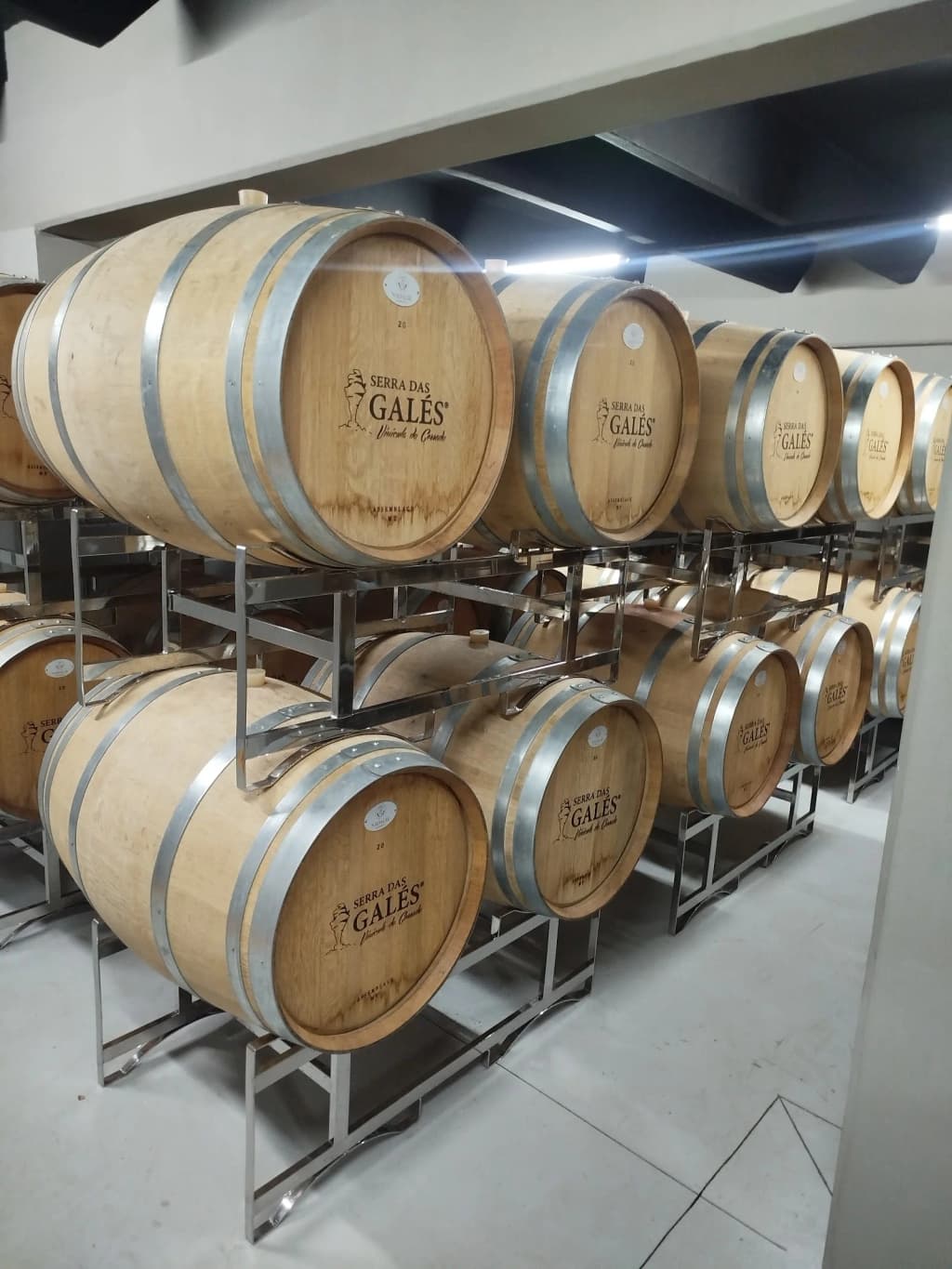
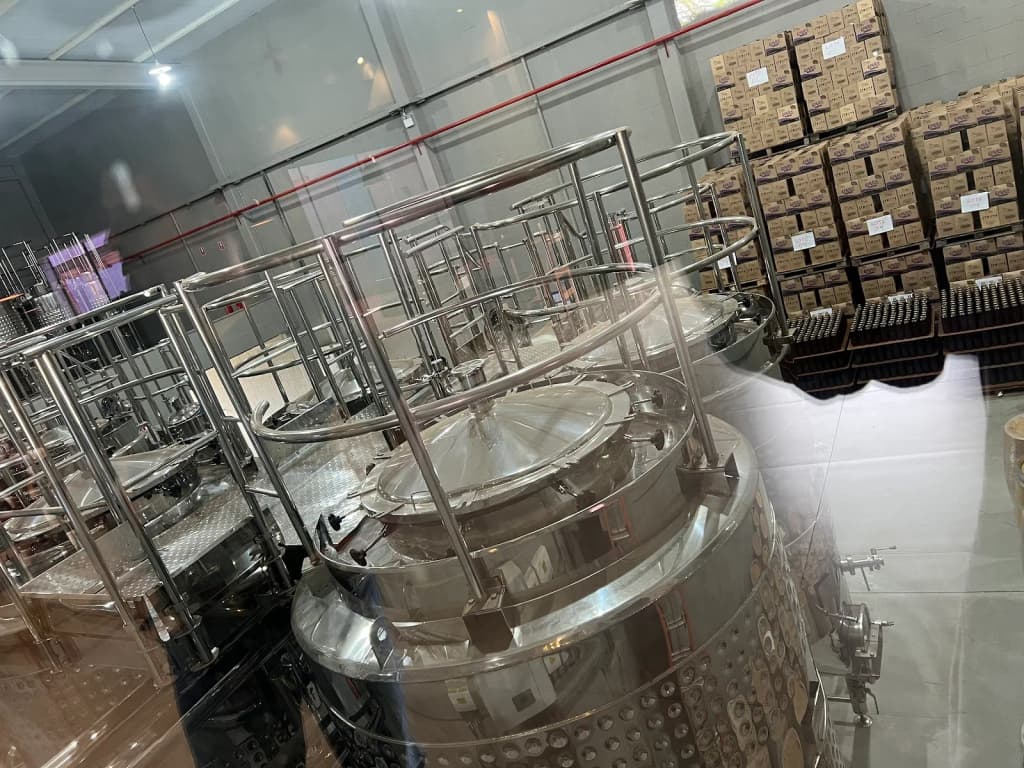
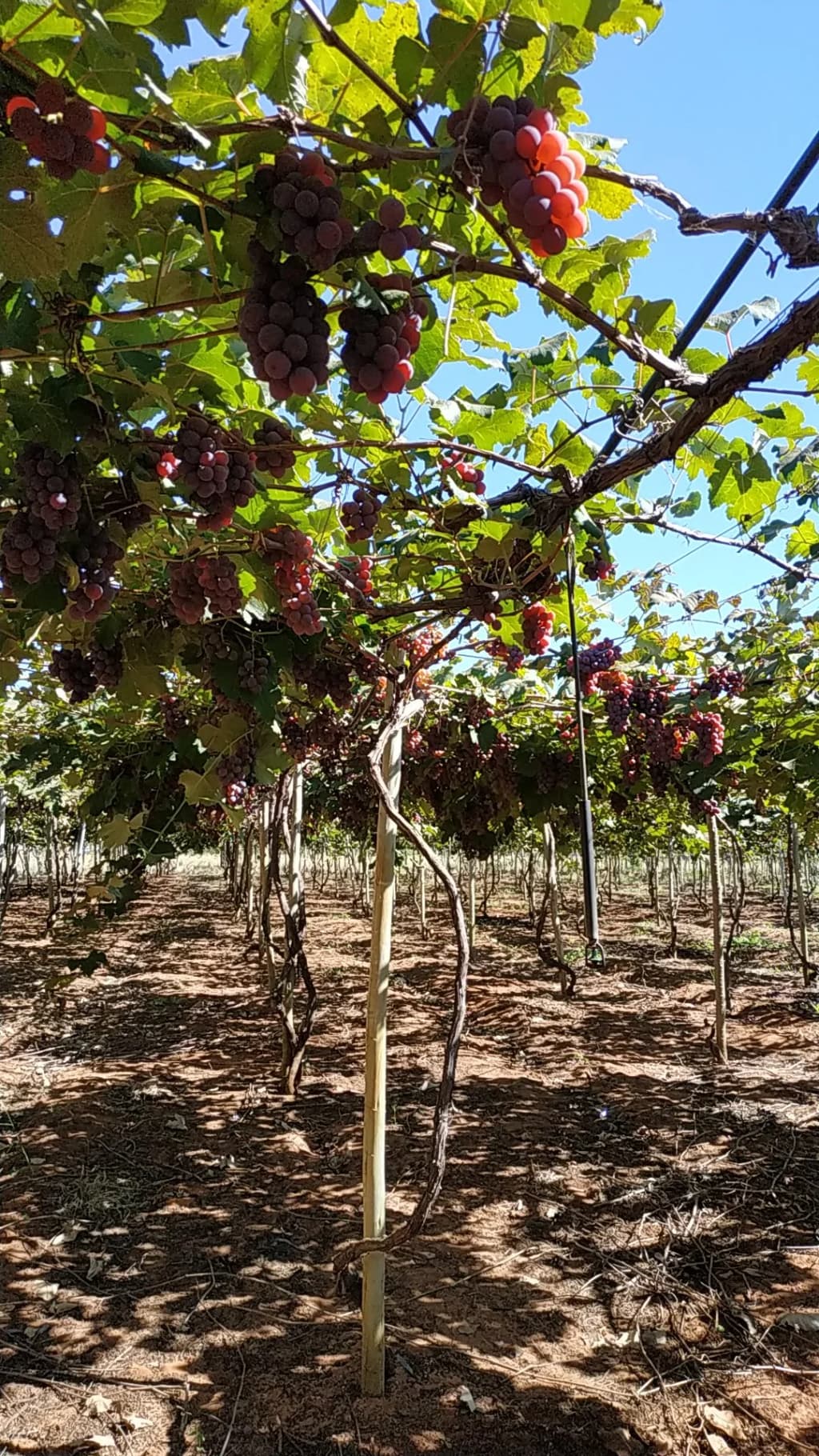
Morning brings a different kind of wonder. The air is sweet with dew and the distant promise of fermenting grapes. I’m at Vinícola Serra das Galés, a vineyard thriving against all odds in the heart of Goiás. Rows of vines stretch across the red earth, their leaves trembling in the breeze. Inside, the cool cellar smells of oak and fruit, barrels lined up like sentinels.
Valdiro, the enologist, pours a deep red into my glass. “Here, the vines never sleep,” he explains, his voice soft over the clink of bottles. “No winter, no dormancy. We prune twice a year, harvest in July and August, when the days are bright and the nights are cool.”
I swirl the wine, watching the light catch its ruby depths. The first sip is surprising—ripe, a little wild, with a hint of the Cerrado’s sunbaked herbs. “It’s good,” I say, honestly.
He smiles. “It’s ours. The terroir is different here. The land, the climate, the people. That’s what makes the wine.”
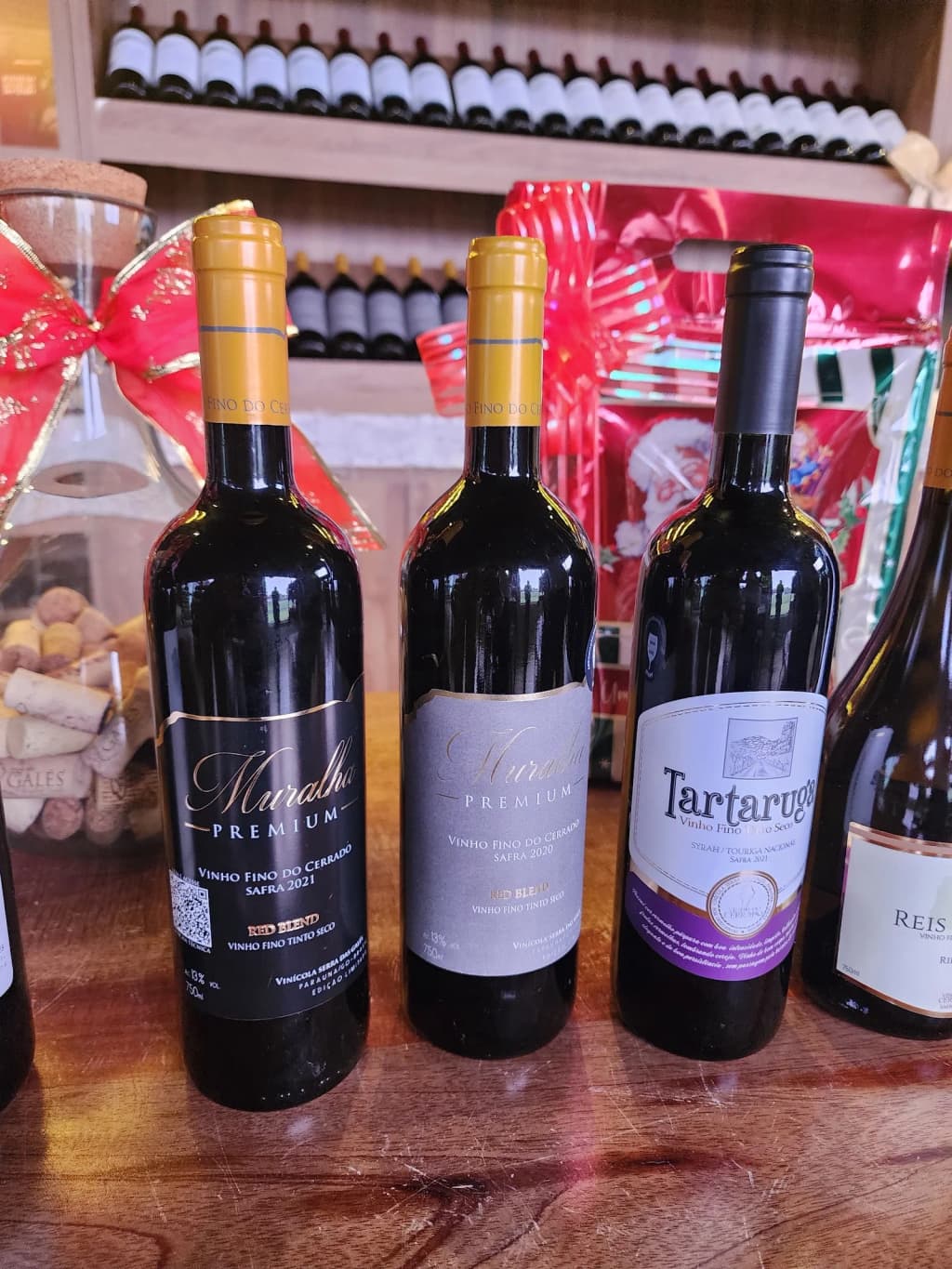
A tour and tasting costs forty reais, booked in advance. The labels nod to local legends: the Stone Chalice, the Wall. I leave with a bottle tucked under my arm, the taste of Goiás lingering on my tongue.
The road to Cachoeira Sonho is rough, the kind that rattles your bones and makes you grateful for every paved kilometer back home. But the reward is immediate—a short walk, just 150 meters, and I’m standing before a waterfall that tumbles into a clear, cold pool. The spray is sharp on my skin, the roar of water drowning out thought. I wade in, letting the current pull at my legs, the world shrinking to the sensation of water and stone.
Nights in Paraúna are quiet, the kind of quiet that settles into your bones. I’m staying at Fazenda Primavera, an Airbnb on the edge of town, five stars for warmth if not for luxury. The house is simple—three bedrooms, a big kitchen, a wood-fired stove—but the real heart is outside, where rescued dogs lounge in the shade. Every booking helps fund the shelter, and in the morning, I wake to the sound of paws on the porch and the smell of strong coffee drifting from the kitchen.
Paula, the caretaker, shows me around. “We have more than thirty dogs now,” she says, scratching the ears of a sleepy mutt. “Every guest helps. Even a little.”
I leave a small donation, thinking of all the tails wagging in gratitude.
On my last morning, I set out on a borrowed bicycle, the air cool and sharp, the fields golden in the early light. Two natural bridges—Ponte de Pedra I and II—wait nearby, hidden in the folds of the land. The second bridge is a revelation: massive, with three arches and a skylight that floods the cavern with sun. Water rushes below, echoing off the stone. I stand in the shadow of the arch, dwarfed by its scale, and feel the old thrill of discovery.
A local boy points out the best spot to swim. “Here, the water’s deepest. But watch your step—it’s slippery.”
I nod, grateful for the advice, and plunge in, the cold shocking me awake. Later, I dry off on a sun-warmed rock, the world reduced to the sound of water and the distant call of a hawk.
Paraúna is a place of questions—who built the wall, how the rocks took their shapes, why vines thrive where they shouldn’t. But it’s also a place of quiet answers: the warmth of strangers, the taste of local wine, the wag of a rescued dog’s tail. I leave with red dust on my shoes and a sense that the best stories are the ones you find off the map, in the spaces between legend and everyday life.
More Adventures
 $150 - $400/day 3-7 days
 Survive the Amazon: Eat the Grub and Disappear
Skip the tourist traps. Trek deep into the Amazon Rainforest, eat a live larva, and discover nature's raw power. Get lost and find yourself.
 $40 - $100/day 3-4 days
 Campos do Jordão Itinerary: Budget Guide & Hiking Logistics
Plan a practical trip to Campos do Jordão, Brazil's highest city. Get exact costs for state parks, hiking Pedra do Baú, and budget-friendly dining.
 $30 - $60/day 3-5 days
 Skip the Beach: The Mystical Quartz Mountain of São Thomé
Trade the beach for the mountains. Explore São Thomé das Letras, Brazil's off-grid quartz town. Dive into waterfalls, dark caves, and defy gravity.
 $40 - $80/day 4-6 days
 Forget the Beaches: Why Curitiba is Brazil's Ultimate Adventure
Skip the crowded tourist traps. Discover Curitiba, Brazil's green capital, featuring gravity-defying architecture, epic train rides, and budget thrills.