
Breathing in the Clouds: A Morning in the High Peruvian Andes
Experience the sensory reality of the high Peruvian Andes. From the physical toll of the altitude to the ancient stones of Incan ruins and the Urubamba River.
The thin air of the Andes doesn't just enter your lungs; it scrapes them. It is a sharp, metallic cold that smells faintly of wet granite and crushed eucalyptus. I am standing on a narrow stone terrace, my hands resting on blocks carved centuries before my ancestors even knew this hemisphere existed. Below me, a sea of white mist obscures the valley floor, swirling and breaking against the jagged green teeth of the mountains like a slow-motion ocean.
My heart thuds a frantic, irregular rhythm against my ribs—a reminder that at nearly eight thousand feet, oxygen is a privilege, not a given. But as the wind suddenly shifts, tearing a hole in the clouds to reveal the impossible, terraced peaks rising directly into the stratosphere, the physical discomfort evaporates. I hear someone nearby—perhaps myself—whisper a quiet realization into the freezing air: This is what I came to Peru for. Look at how beautiful this is.
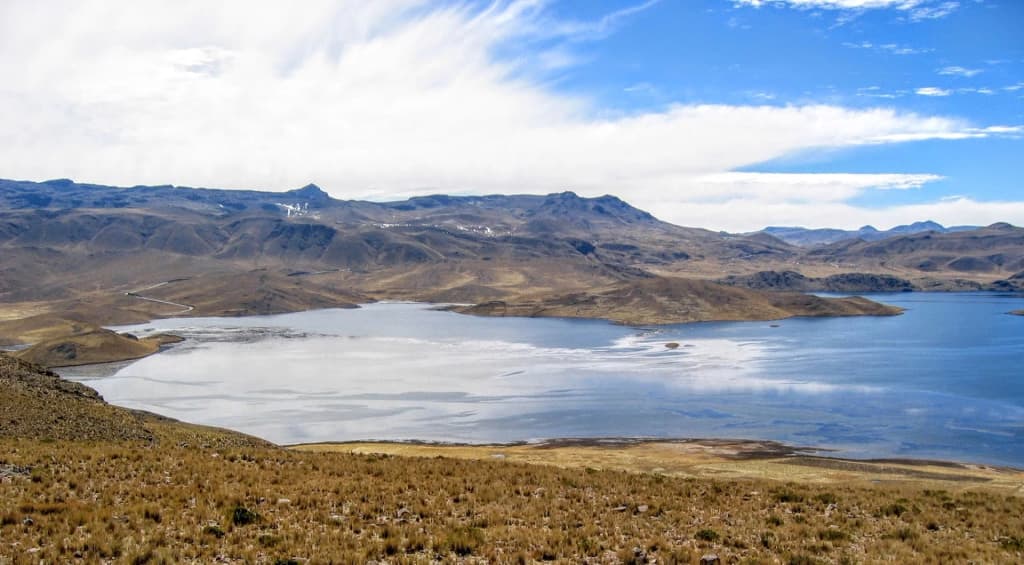
The journey to this exact coordinate of awe began hours ago, long before the sun had even considered rising. At four in the morning, the cobblestone streets of Ollantaytambo were slick with overnight rain and quiet, save for the low rumble of the train idling at the station.
Boarding that train is a surrender to the landscape. You slide into the plush seats, clutching a thermal cup of instant coffee, and watch the darkness slide past the panoramic windows. The sixty-dollar ticket—booked months in advance through a website that crashed twice during checkout—feels entirely abstract until the sky begins to turn the color of bruised plums. Then, the Urubamba River reveals itself, a violent, churning ribbon of brown water rushing alongside the tracks. The sound of it, even through the thick glass of the train car, is a steady, bass-heavy roar.
The transition from the train to the bus that drags you up the switchbacks is a blur of diesel fumes and nervous anticipation. The tires slip slightly on the gravel with every hairpin turn, the sheer drop outside the window offering a dizzying view of the canopy below. You don't look down. You look up, toward the clouds that seem to be holding the mountains hostage.
"Drink this slowly," she says, pressing a warm enamel mug into my shivering hands.
She is a vendor stationed near the entrance gates, her shoulders wrapped in a brilliant red and blue lliclla that starkly contrasts with the gray stone behind her. She watches me with a mixture of amusement and pity as I take short, ragged breaths.
"It's bitter," I note, taking a tentative sip of the greenish-yellow liquid. It tastes like wet earth and dry leaves, leaving a slightly numb sensation on the back of my tongue.
"The coca leaf is the earth," she replies, her Spanish heavily accented with the soft, breathy tones of Quechua. She gestures toward the towering peak of Huayna Picchu looming in the distance. "It grounds your body when the sky tries to take your head away. You have to ask the mountain for permission to be here. The tea helps you ask."
I nod, wrapping my freezing fingers entirely around the mug, letting the heat seep into my skin. The two soles I handed her for the tea is the best money I will spend all week. I finish the bitter dregs, hand the mug back, and turn toward the stone steps that lead into the heart of the sanctuary.
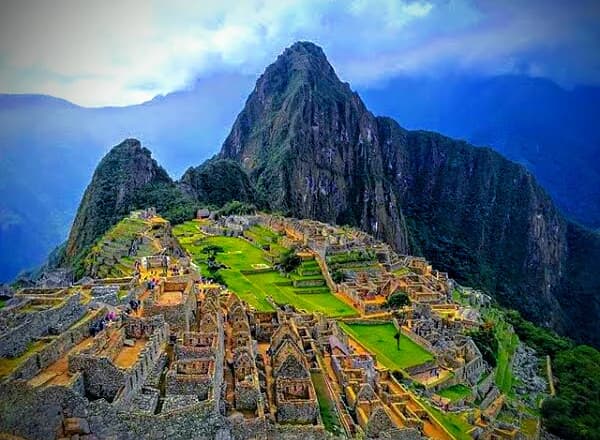
To walk through these ruins is to walk through a masterclass in defiance. The Incan architects didn't just build on the mountain; they folded their empire into its very geology.
I run my bare hand along the edge of a trapezoidal doorway. The granite is rough, pockmarked by centuries of rain, yet the joints between the massive stones are so impossibly tight that not even a shadow seems to slip between them. There is a profound silence up here, broken only by the crunch of hiking boots on gravel and the distant, rhythmic tearing sound of a llama ripping grass from a lower terrace.
As the morning progresses, the intense Andean sun finally burns through the remaining fog. The temperature spikes aggressively, transforming the freezing dawn into a blistering, high-altitude noon. Layers of fleece and wool are shed and stuffed into daypacks. The light here is different—harsher, more direct, casting deep, geometric shadows across the agricultural terraces that step down the mountainside like a giant's staircase.
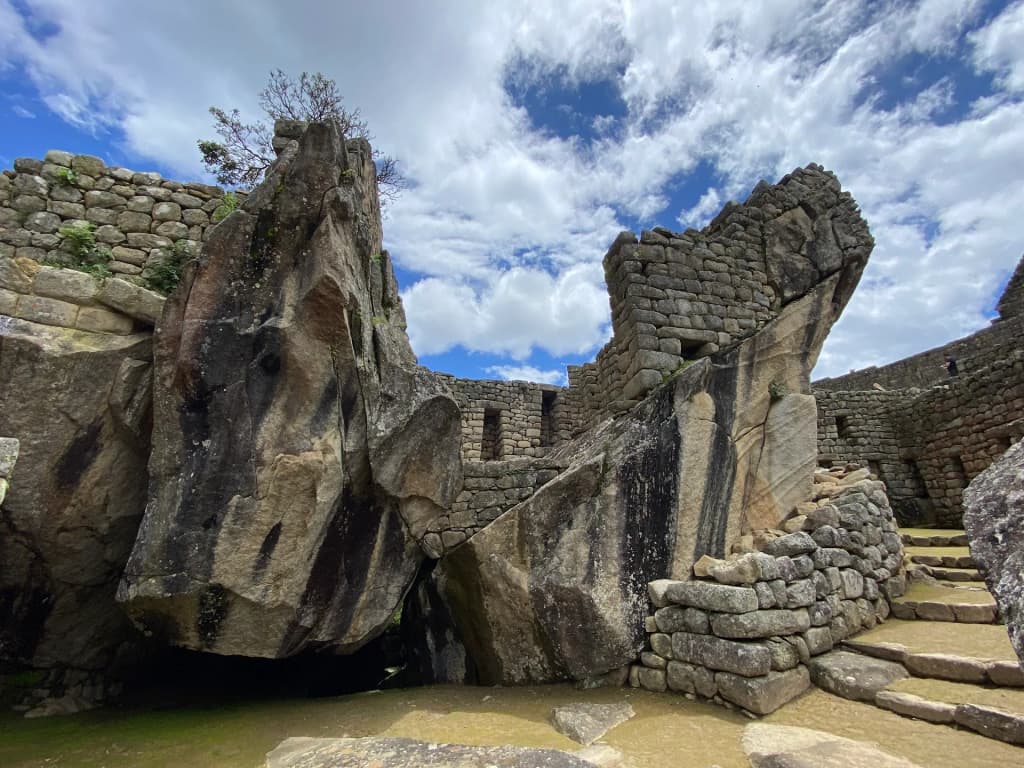
I find a quiet patch of grass away from the main thoroughfare of guided groups and sit down. The smell of sun-baked stone and dry grass rises around me. Far below, the Urubamba River is now just a silent silver thread winding through the deep green gorge.
Travel often promises us transformation, but rarely does it deliver it so violently, so physically. You come to Peru expecting to see ruins, but what you actually encounter is scale. A scale of time, of effort, of geology that makes your own fleeting existence feel wonderfully insignificant.
The wind picks up again, cooling the sweat on the back of my neck. I look out over the ancient city, watching a new bank of clouds roll over the highest peaks, ready to swallow the stones whole once more. The mountain allowed us a few hours of its time, and now it is taking them back. I take one last, deep breath of the thin, sharp air, letting the metallic chill scrape my lungs one final time, completely satisfied with the toll it demands.
More Photos
More Adventures
 $800 - $2500/day 5-8 days
 Elevated Altitude: A Discerning Guide to Cusco & the Sacred Valley
Discover a refined guide to Cusco and the Sacred Valley, featuring thoughtfully appointed luxury hotels, high-altitude dining, and the Hiram Bingham train.
 $100 - $350/day 2-4 days
 Conquer Lima: The Ultimate Peru Coastal Capital Guide
Think Lima is just a stopover? Think again. Experience Miraflores cliffside views, pre-Inca history, and the best culinary scene in South America.