
Philippines Travel Guide: 7,000 Islands and One Wild Ride
Forget what you know about Southeast Asia. The Philippines is a loud, Catholic, basketball-loving archipelago that demands your full attention.
Think you know Southeast Asia? Think again. You land in the Philippines expecting tranquil temples and quiet rice paddies. What you get is a sensory overload that hits you like a freight train.
I spent time traversing this archipelago. It changes you. It’s raw. It’s loud. It is absolutely magnificent.
We’re talking about a country made up of over 7,000 islands. Wrap your head around that number. You could visit a new island every day for twenty years. You still wouldn't see them all. Some are specks of white sand in the middle of nowhere. Deserted. Perfect. The kind of places that ruin you for regular life.
Survive the Concrete Beast
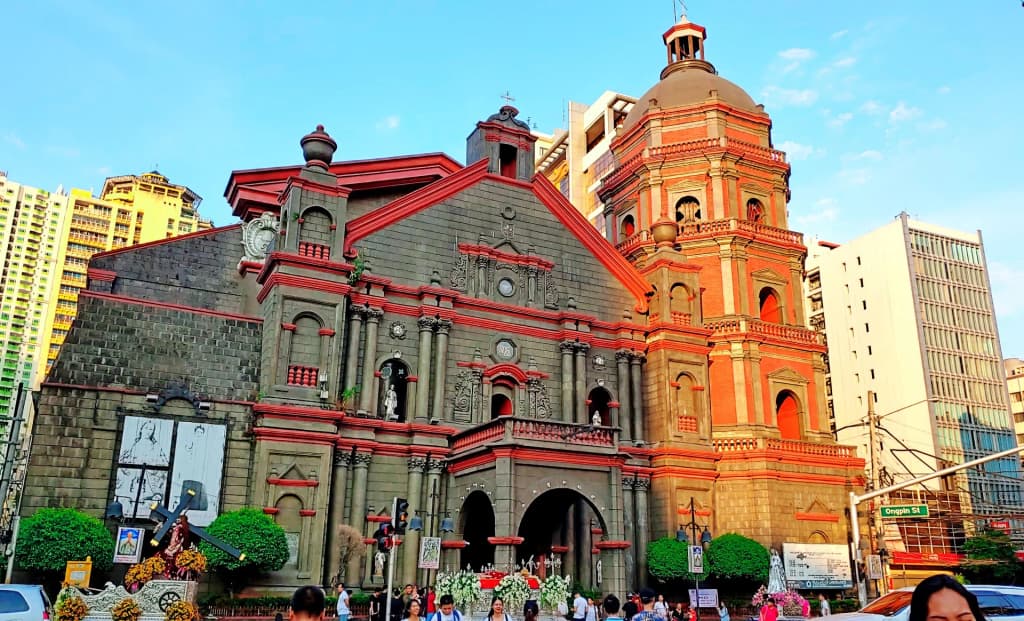
Then there’s Manila. Forget the beach for a second. This city is a monster. It’s dense, urban, and chaotic. Walking through the capital feels less like a stroll through Asia and more like navigating the heart of São Paulo.
It is massive. You forget you’re on an island. You’re in a metropolis that never sleeps. It pulses with energy that can chew you up and spit you out. Don't hide in your hotel. Get out there. Feel the grit.
Forget What You Know About Asia
Here is the part nobody tells you. The Philippines is the most Westernized country in Asia. By far. You arrive fresh from the backpacker trails of Vietnam or Thailand. Suddenly, everything feels familiar. Weirdly familiar.
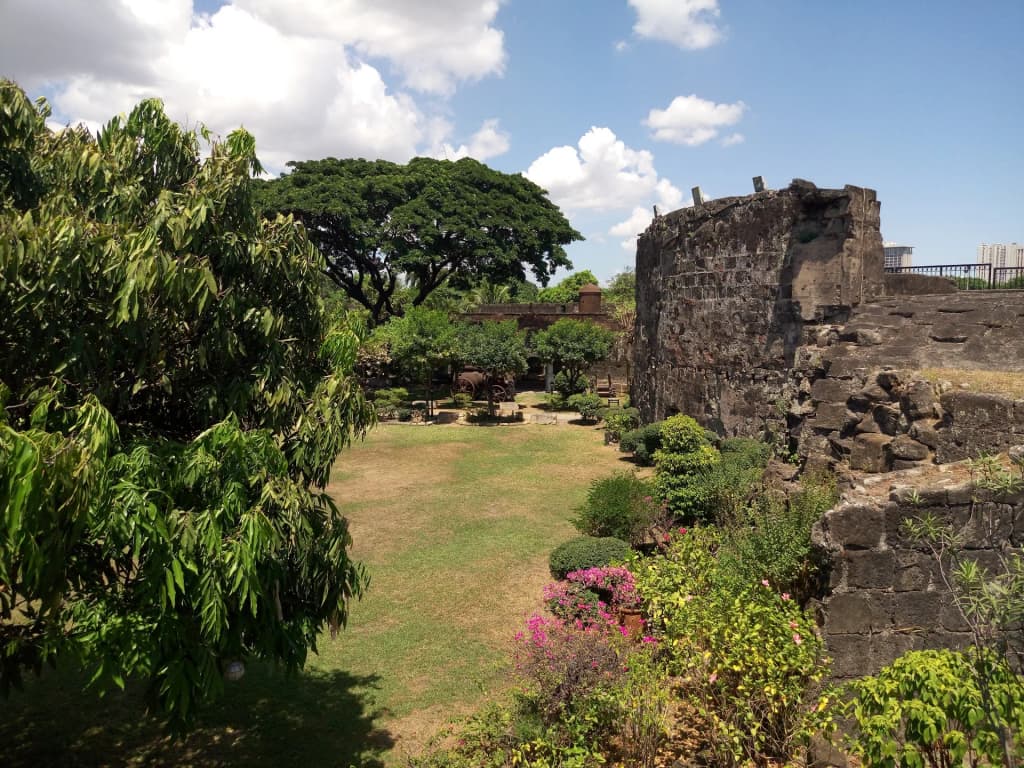
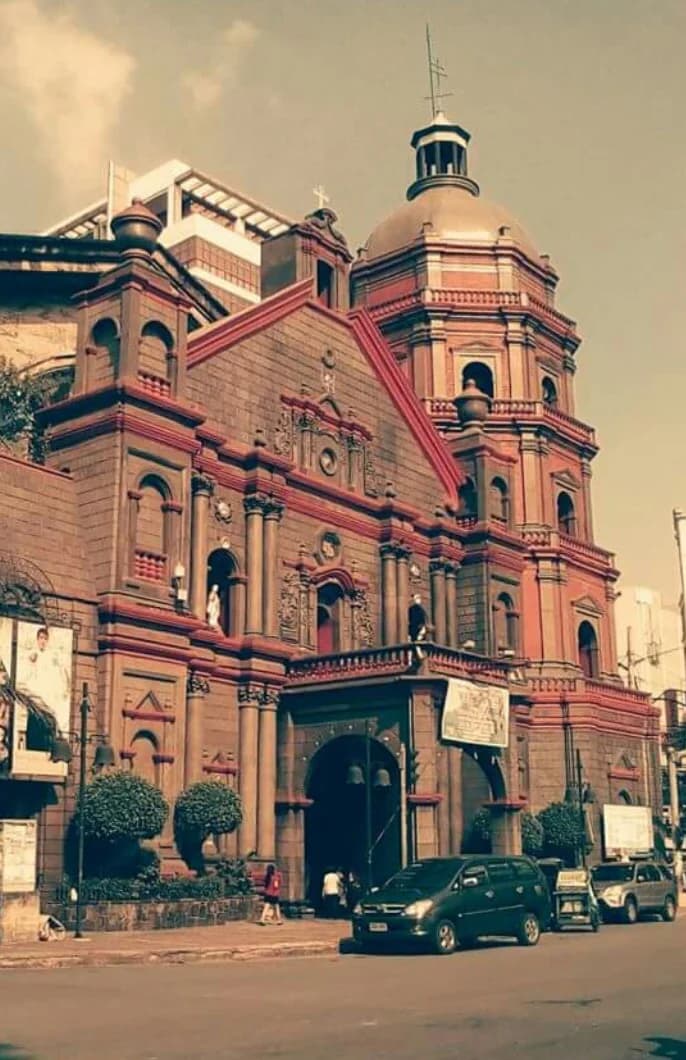
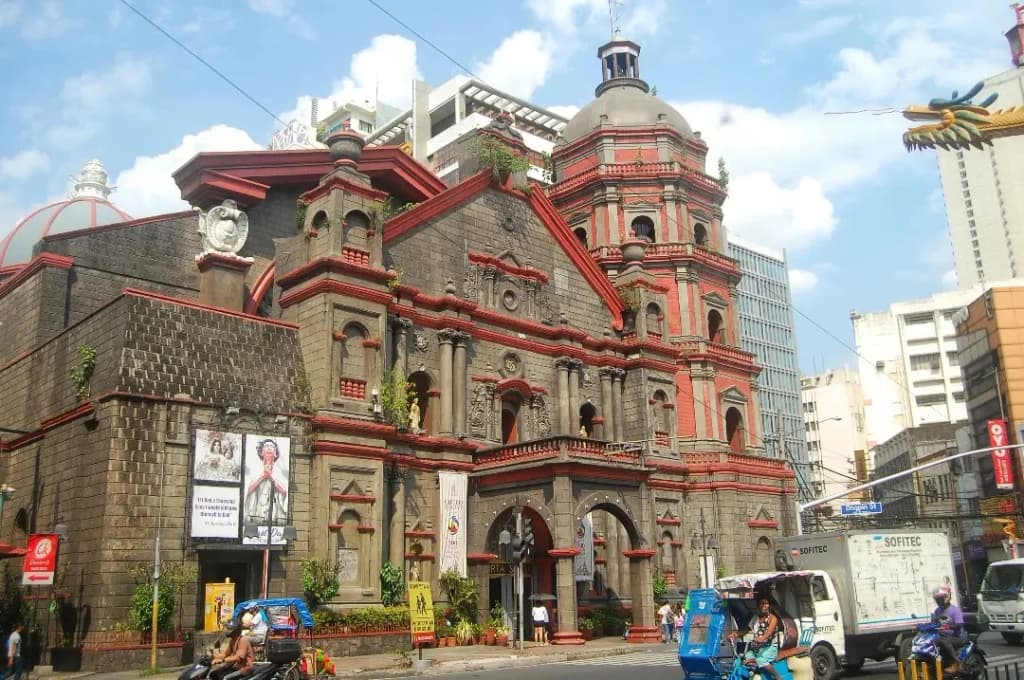
Why? History. The Spanish ran this place for 333 years. Three centuries. That leaves a mark. The local language, Tagalog, is peppered with Spanish loanwords. The surnames are Garcia, Santos, Cruz. And the religion? 90% Catholic. You see churches everywhere. You see a fervor that rivals anything in Latin America.
But it doesn’t stop there. After the Spanish, the Americans moved in. From 1898 to 1946, this was U.S. territory. The result? A culture that plays basketball in the streets instead of soccer. You’ll see makeshift hoops on dirt courts in the middle of nowhere. It’s surreal. Watch a game. Better yet, join one.
Talk Your Way Through
Want to know the best part about traveling here? The language barrier is practically non-existent. English is an official language. You see it on street signs. You see it on menus. You hear it in schools.
If you’ve been struggling with pantomime in rural China, this is a breath of fresh air. You can actually have deep conversations with locals. You can ask for directions without ending up three towns over. In the big cities, the English is flawless. In the remote islands, it’s still good enough to get you a beer and a bed. Use this. Talk to people. It opens doors here that remain locked in other countries.
Jump on a War Machine
Skip the tourist bus. You want to move like a local? Get on a Jeepney.
These aren't just buses. They are history on wheels. Originally left behind by the U.S. military after World War II, locals took these surplus jeeps and stripped them down. They extended the back. They painted them with the wildest colors imaginable. They are the lifeblood of Filipino transport.
You climb in the back. You squeeze onto a bench seat with twenty other people. It’s hot. It’s loud. It’s perfect. We stood on a street corner in Manila looking for a standard bus. Didn't see one. Just an endless stream of these neon metal beasts. Hop on. Pay your coins. Enjoy the ride.
The Secret They Stole
Here’s a secret that drives me crazy. You know the movie "The Beach"? Leonardo DiCaprio? The one that single-handedly turned Thailand’s Maya Bay into a tourist parking lot?
The author, Alex Garland, didn't get his inspiration in Thailand. He lived in the Philippines for six months. The book is based on the vibe of these islands. The isolation. The beauty. But when he wrote it, he set it in Thailand. Why? Marketing. In the 90s, Thailand was the backpacker mecca. The Philippines was off the radar.
It worked. Thailand exploded. But the soul of that story? The raw, untouched paradise? That belongs to the Philippines. Imagine if he’d kept the original setting. Maybe we’d be seeing the massive crowds here instead. In a way, we got lucky. The Philippines kept its secrets a little longer.
Don't Miss
The sunrise hike to the rice terraces in Banaue. The hidden lagoons of El Nido. The street food stall locals whisper about in Cebu. A ride in a neon-painted Jeepney through Manila traffic.
Eat It If You Dare
And finally, the food. You have to eat. But are you brave enough?
First, the easy stuff. Halo-halo. It means "mix-mix." It looks like a sugar explosion in a glass. Shaved ice, condensed milk, boiled sweet beans, coconut, fruit, and a scoop of bright purple yam (ube) ice cream on top. It’s chaotic. It’s sweet. It’s essential in the heat.
Now, the hard part. Balut.
This is the one you’ve heard about. The one you fear. It’s a fertilized duck egg. There is a partially developed embryo inside. Beak. Feathers. The works.
It’s not a gimmick for tourists. Locals eat this on the street after work like a New Yorker grabs a hot dog. It’s everywhere. I stalled until my very last day. I stared at it. I cracked the shell. I saw the duck.
I couldn't bite it. I just shoved the whole thing in my mouth. The texture? Rubber. Chewy. The taste? Like a very rich, very intense hard-boiled egg mixed with chicken soup.
Did I enjoy it? No. Am I glad I did it? Absolutely. You don't come to the Philippines to stay in your comfort zone. You come here to feel something.
So, book the ticket. Go find your island. Eat the egg. Get lost.
More Photos
More Adventures
 $33 - $50/day 14-60 days
 The Raw Truth About Budgeting for Bali
Think Bali is too expensive? Think again. Get the raw, unfiltered truth about backpacking Indonesia on a $33 daily budget. Pack your bags and ride.
 $40 - $120/day 14-30 days
 The Taste of Chili and Time Travel: Everyday Magic in Thailand
Immerse yourself in the sensory details of Thailand's deeply rooted culture, from Buddhist calendars and saffron-robed monks to street food rules.
 $100 - $300/day 1-3 days
 Escape the Airport: Conquer Your Luanda Layover
Think a layover in Luanda means killing time at the airport? Think again. Discover the fortress, island sunsets, and the ultimate Angolan adventure.
 $40 - $150/day 20-30 days
 Conquer Thailand: The Ultimate 20-Day Blueprint
Skip the tourist traps. Grab your backpack. This is your high-energy, no-BS guide to dominating Thailand in 20 days. Get ready to sweat.