
The Walk to the Sea: Witnessing New Life in Aracaju
Experience the emotional dawn release of baby sea turtles at Projeto Tamar in Aracaju, Brazil, where conservation meets the raw power of the Atlantic.
The salt spray clings to your eyelashes, heavy and warm in the early morning air. The sand beneath my bare feet is already baking under the relentless northeastern Brazilian sun, radiating a heat that promises a scorching afternoon. We are standing on the edge of the Atlantic in Aracaju, but nobody is looking at the horizon. All eyes are cast downward, fixed on a shallow plastic tub holding dozens of tiny, frantic lives. They hatched just hours ago, in the deep blue dark of dawn, and their miniature flippers scratch restlessly against the smooth plastic. The smell of decaying kelp, wet limestone, and fresh ozone is intoxicating—a heady perfume that tells you exactly where the land surrenders to the sea. The crowd around me is silent, a rare occurrence in this lively coastal city, as if speaking too loudly might break the fragile spell of the morning.
A young marine biologist with sun-bleached hair and a faded blue polo shirt gently shifts the tub, preparing for what comes next. He has the calm, methodical energy of someone who performs miracles before breakfast, his skin weathered by countless days spent walking this exact stretch of coastline.
"We don't call it a release," he tells me, his voice barely rising above the rhythmic crashing of the tide.
I wipe a bead of sweat from my collarbone, feeling the grit of windblown sand against my skin. "Why not?"
"Because we aren't setting them free," he says, smiling as one of the hatchlings flippers wildly, demanding to be put down on the earth. "They are already free. We are just giving them an escort to the door. It is a caminhada. A walk."
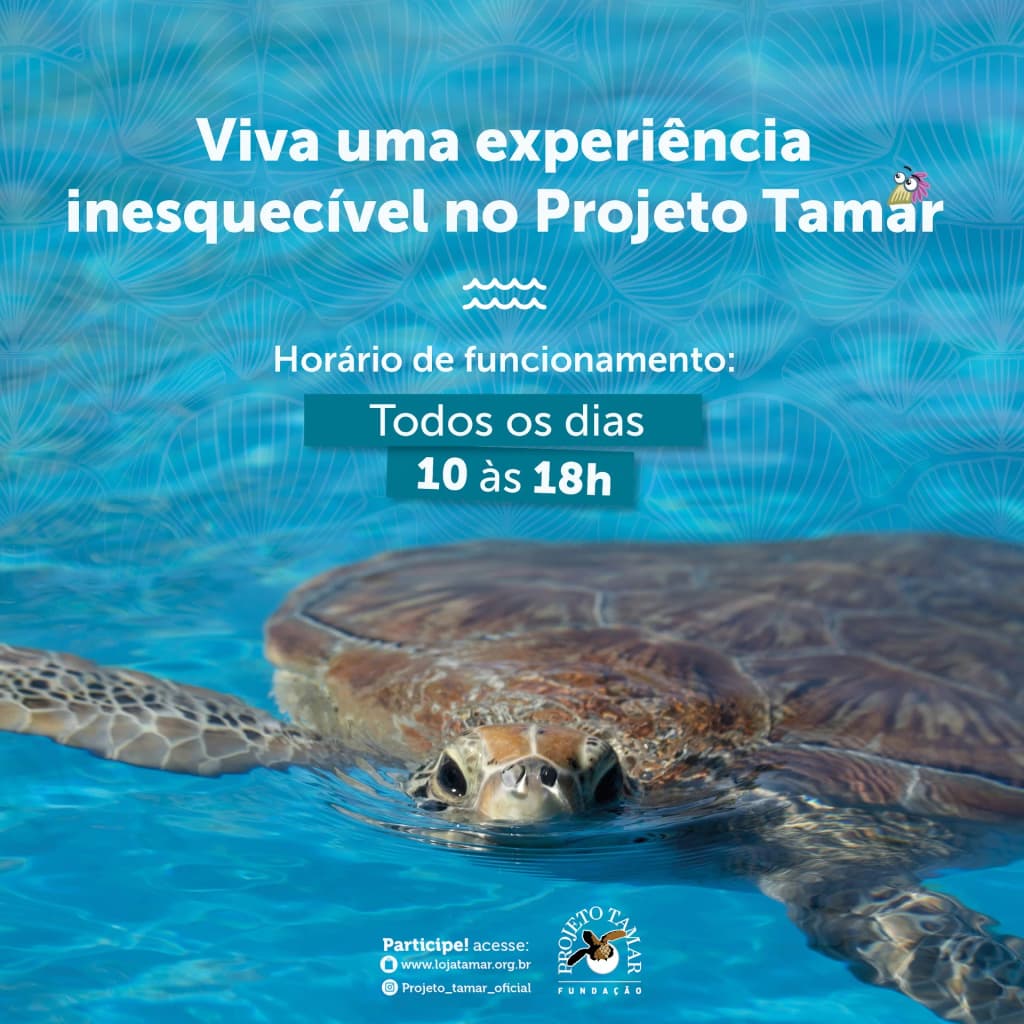
Before arriving at the water's edge, I had wandered through the open-air exhibits of the Tamar base. The facility is a sanctuary of education, where massive rescued sea turtles glide through rehabilitation pools, their scarred shells telling stories of boat propellers and plastic debris. You can spend hours reading the placards, absorbing the sheer dedication required to pull these species back from the brink of extinction. He explains the grueling, passionate work of Projeto Tamar here in the state of Sergipe. The modest entrance fee you pay at their visitor center—a handful of Brazilian reais that feels entirely insignificant by the time you leave—funds an intricate network of terrestrial and marine monitoring. They track the heavy, ancient mothers who drag themselves onto these beaches to lay their eggs under the cover of darkness, marking the nests to protect them from poachers and the encroaching tides. They also monitor the waters offshore, intervening when curious or unlucky turtles tangle themselves in the deadly, invisible webs of commercial fishing nets. It is a quiet, ongoing war for survival, fought daily on these sun-drenched shores by people who know the odds are stacked against them, yet show up every single morning anyway.
I feel a sudden, profound catch in my throat when the tub is finally tipped forward onto the wet, packed sand. The sheer scale of the ocean stretches out before them, an impossible, roaring expanse of churning emerald saltwater and hidden predators. The water looks violent compared to the fragile bodies spilling onto the beach. Yet, driven by an ancient, magnetic pull that science can explain but never truly demystify, the baby sea turtles begin their march.
You can hear the faint, papery scraping of tiny claws against the grains of sand, a delicate sound that is nearly swallowed by the booming surf. They tumble over broken shells, righting themselves with clumsy, desperate determination. One flips onto its back, struggling for a breathless second before a sibling inadvertently knocks it upright again. I taste the salt on my lips, realizing only then that I am crying. It is a foolish, beautiful emotion, watching something so impossibly small brave something so unimaginably vast. I feel a sudden, fierce protectiveness over a creature no larger than the palm of my hand, a primal urge to scoop them up and carry them past the breaking waves. But the biologist’s words echo in my mind. This is their walk. They must do it alone.
The practicalities of getting here—the quick domestic flight into Aracaju, the early morning alarm clock ringing in the dark hotel room, the bumpy ride down the coastal road with the windows rolled down—all dissolve into the foaming surf. The water reaches up the slope of the beach, its icy fingers grazing the leading line of hatchlings.
The first turtle meets the water, and in an instant, the clumsy, heavy struggle on land transforms into a graceful, aquatic flight. One by one, they are swept up by retreating waves, tumbling into the water before vanishing completely into the deep green swells. The beach feels suddenly, profoundly empty, save for the crisscrossing tracks left behind in the wet sand. The show is over.
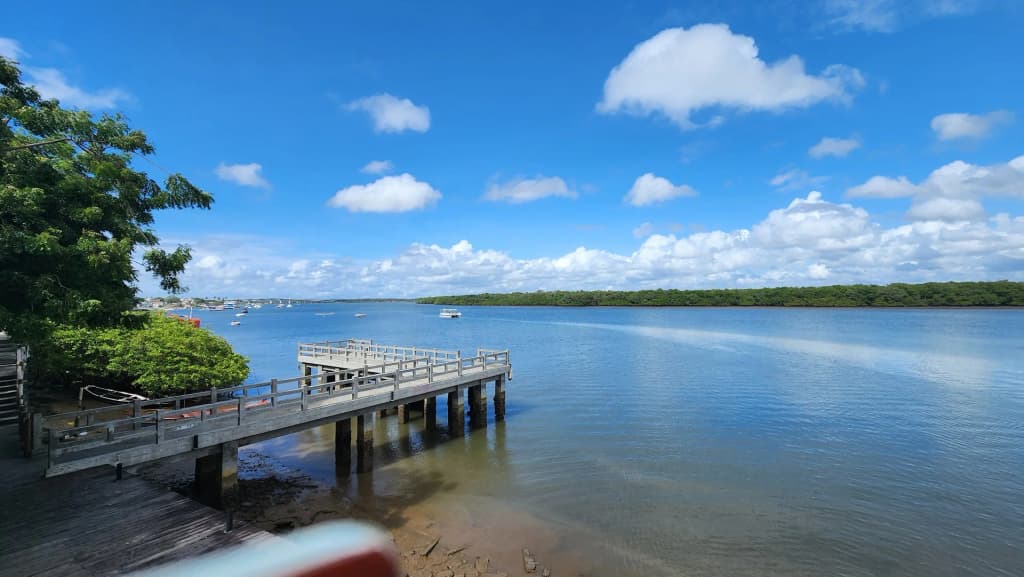
I linger for a moment, watching the tide slowly erase the tiny tracks, washing the beach clean as if the morning's miracle never happened. A few locals jog past, their headphones in, accustomed to the rhythm of life and conservation that pulses through Aracaju. It strikes me how seamlessly this monumental effort is woven into the daily fabric of the city. You don't just visit Sergipe for the crab shacks or the warm water; you come to witness a place where humanity is actively trying to heal the damage it has done. As I turn my back to the ocean and walk toward the city, the sand still warm between my toes and the roar of the Atlantic fading to a steady hum, the air feels charged with a quiet, enduring hope.
More Photos
More Adventures
 $50 - $150/day 3-5 days
 Edge of the World: Surviving Brazil's Wildest Border
Forget the crowded beaches. Head to Amapá. Discover untouched Amazon jungle, wild river rapids, and the mind-bending border where Brazil meets Europe.
 $50 - $150/day 3-5 days
 Skip the Resort: The Adrenaline Junkie's Guide to Maresias
Think you know Brazil's beaches? Think again. Discover the raw side of Maresias with cliff rappelling, jungle waterfalls, and steep drop-off waves.
 $60 - $150/day 3-5 days
 Conquer the Tides: The Ultimate Guide to Porto de Galinhas
Skip the tourist traps. Discover the wild buggy rides, hidden natural pools, and fiery sunsets of Porto de Galinhas. Your ultimate adventure guide.
 $40 - $80/day 2-4 days
 Boa Vista: Exploring the Amazon's Fan-Shaped Frontier City
Experience the unexpected beauty of Boa Vista, Roraima. Discover Macuxi indigenous crafts, the unique Lavrado biome, and sunset boat tours on the Rio Branco.